
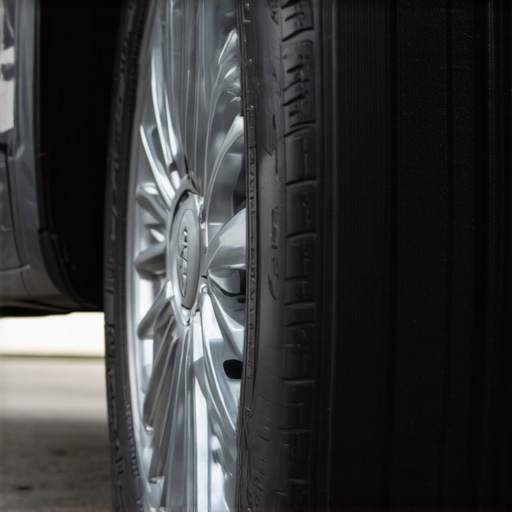
It was a hot summer afternoon when I first heard that unwanted, persistent grinding noise coming from my front wheel while driving. I was all set for a quick trip, but suddenly, my car sounded like a rollercoaster on steroids. At first, I thought maybe I hit a pothole or an obstacle, but as the miles went by, the noise only intensified. That lightbulb moment hit me—was it the tires, or was something more serious going on with my wheel bearing? I knew enough to realize that ignoring the squeals and growls could lead to a dangerous situation or costly repairs down the line.
Spotting the Real Culprit Behind the Noise
The truth is, many drivers mistake a bad wheel bearing for simply loud or worn tires. But there’s a crucial difference. While tires can roar loudly because of uneven wear or tread issues, a failing wheel bearing produces a more subtle, consistent hum or growling sound that often gets worse when turning or accelerating. If you’re like me, directly ignoring these symptoms can turn into steering problems, vibrations, and even sudden wheel lock-up.
As an auto enthusiast, I’ve learned the hard way that understanding these signs can save you from unexpected breakdowns. Early detection is key, and today, I’ll walk you through how to differentiate between a noisy tire and a bad wheel bearing, so you can stay ahead of any potential accidents or costly repairs.
Is It Really Worth the Hype to Check Your Wheel Bearings?
I remember rushing into a quick fix, assuming I could just rotate my tires and call it a day. I was wrong. That mistake—thinking I could ignore the subtle signs—could’ve led me to a costly wheel replacement or worse. Trust me, catching a failing wheel bearing early isn’t just about saving money; it’s about safety. If you’ve noticed a persistent noise, uneven tire wear, or vibrations, don’t brush it off. Sometimes, what seems like a minor annoyance can be a warning sign of something more serious.
Research shows that wheel bearings are vital for smooth rotation and vehicle safety. According to experts, a failing wheel bearing can cause uneven tire wear, vibration, and even control issues if left untreated. So, before you dismiss that loud noise as just “the tires,” take a moment—your safety might depend on it.
Now, if you’re wondering how to tell the difference between tire noise and a bad wheel bearing, stay tuned. In the next sections, I’ll share the practical steps I used to diagnose the real issue, along with tips to avoid common mistakes that can mislead even seasoned DIY-ers. Remember, one small test can prevent big trouble—so let’s dive into how you can identify the signs of a failing wheel bearing before it’s too late.
Test Your Wheel Sound While Driving
Start by driving your vehicle at low speeds on a quiet road. Listen carefully for the growling or humming noise, paying attention to whether it worsens during turns. For example, I once took my car onto an empty parking lot, turned sharply left and right. The noise intensified when turning in one direction, which was a clear sign the issue was related to the bearing on that side. This simple test isolates the problem, much like listening to an engine’s tone to identify issues.
Perform the Brake Drag Test
Park your car on a level surface, turn off the engine, then try to rotate each wheel manually. If a wheel doesn’t spin freely or feels noticeably rough, it points towards bearing failure. I once jacked up my car, tried spinning each wheel by hand, and noticed resistance on the front right. Comparing this with the others clearly revealed my bad bearing, akin to feeling a rough spot on a bicycle wheel.
Use a Pry Bar for Visual Inspection
Lift the suspect wheel off the ground using a jack and secure it with jack stands. Grab a pry bar or large screwdriver and gently wiggle the wheel side to side. Excessive play or looseness indicates a worn bearing. During one repair, I found about 1/8 inch of lateral movement, confirming the bearing was loose. Think of it as checking the wiggle of a door hinge—too much movement signals wear.
Listen for Noises When Turning at Parking Lot Speeds
Slowly turn the steering wheel from lock to lock while stationary or moving slowly. A grinding or growling sound that intensifies with steering angle suggests a bearing issue. I tried this in my driveway, and the noise only appeared when turned sharply, reinforcing the diagnosis. This method is like sneaking up on a problem—quietly introducing stress to see what shifts.
Check for Vibration and Uneven Tire Wear
Drive at highway speeds and note any vibrations through the steering wheel or seat. Also, inspect tires for uneven wear patterns, especially on the inner or outer edges. In my case, a persistent pulsing in the steering wheel and inward tire wear pointed directly to a failing bearing, much like feeling a wobble in a spinning top signals imbalance.
Replace the Wheel Bearing Carefully
If tests indicate a bad bearing, carefully follow the repair manual for your vehicle to remove the affected hub. Use a suitable bearing puller or press to extract the old bearing. During a recent repair, I used an air hammer to loosen the bearing, which saved me from damaging the hub assembly. Remember, cleanliness and proper torque are essential—think of it like planting a seed; correct placement ensures longevity.
Double-Check Your Work and Test Drive
After installation, torque all bolts to manufacturer specifications. Lower the vehicle and perform a test drive, repeating the initial sound and feel checks. I always drive around the block, listening for any remaining noise. If the sound persists, re-inspect the work. It’s similar to tuning a guitar—adjustments refine the outcome.
By following these concrete steps, you’ll confidently identify and address a wheel bearing failure before it becomes a safety hazard. Stay attentive to your vehicle’s sounds and sensations, and don’t hesitate to dive into diagnosis techniques that save money and lives.
Many car owners believe that basic maintenance tasks like oil changes or brake services are straightforward, but there’s a hidden layer of nuance that can make or break your vehicle’s longevity. One common misconception is that performing simple repairs or diagnostics yourself guarantees a perfect fix. In reality, rushing through procedures or following vague tutorials can lead to costly mistakes or safety hazards. For example, some drivers assume that a quick oil change with cheap synthetic oil is sufficient—a misconception that can accelerate engine wear. Modern engines demand specific oil weights and quality to operate optimally, and neglecting this can cause severe damage, as discussed in [this detailed guide](https://repairmycarpro.com/the-oil-weight-secret-for-older-engines-with-high-mileage).
Another myth circulates around brake repairs: that replacing pads alone suffices when, in fact, the master cylinder or brake fluid quality might be culprit. Overlooking these components can lead to spongy brakes or pedal failure. Misdiagnosing these issues often results from relying solely on visual cues or ignoring subtle signs, which is why comprehensive vehicle diagnostics are crucial. Advanced diagnostics, like checking for internal leaks or ABS sensor faults, go beyond surface-level inspections and can prevent dangerous failures. Remember, a brake pedal that feels hard even after bleeding indicates underlying problems, as explained [here](https://repairmycarpro.com/why-your-brake-pedal-feels-rock-hard-even-after-changing-the-pads).
When it comes to vehicle diagnostics, many think plugging in an OBD-II scanner suffices. But seasoned technicians know the importance of interpreting codes correctly—sometimes a P0420 code doesn’t just mean a catalytic converter issue but might point to a failing oxygen sensor or wiring fault. False assumptions lead to unnecessary replacements, wasting time and money. For instance, [this article](https://repairmycarpro.com/stop-paying-for-a-transmission-swap-when-its-just-a-bad-solenoid) reveals how a simple solenoid failure can mimic more extensive repairs.
The importance of aligning your vehicle properly often gets underestimated. A realignment isn’t always about adjusting the wheels; it might involve inspecting suspension components, ball joints, or identifying worn tie rods, which could be the actual cause of uneven tire wear or steering pull. Neglecting these nuances can result in premature tire replacements and compromised handling. You can read more about this [here](https://repairmycarpro.com/why-your-steering-wheel-feels-loose-after-a-professional-alignment).
Recognizing these misconceptions underlines the importance of a comprehensive and nuanced approach to auto care. Skimping on these details can turn minor issues into severe, costly problems. So, next time you’re tempted to cut corners, remember that understanding the subtleties makes a difference—saving money and lives in the process.
Have you ever fallen into this trap? Let me know in the comments and share your experience with overlooked details in car repair.
Investing in the Right Equipment for Longevity
When it comes to maintaining your vehicle, quality tools are a game-changer. I personally rely on a high-quality digital torque wrench, like the Tekton 1/2 Inch Drive Click Torque Wrench, which ensures that critical fasteners such as wheel bearings and suspension components are tightened to manufacturer specifications. This simple yet precise tool helps prevent over-tightening that can damage parts or under-tightening that leads to safety risks.
Another staple in my toolkit is a reliable infrared thermometer, such as the Fluke 62 Max Plus. It allows me to monitor engine coolant and oil temperatures accurately, helping diagnose overheating issues before they escalate. Remember, regular monitoring can prevent costly repairs—think of it as your vehicle’s vital sign checkup.
Harnessing Software for Accurate Diagnoses
In recent years, automotive diagnostic software has become more accessible and essential. I recommend using an OBD-II scanner with Bluetooth connectivity, like the BlueDriver Bluetooth Pro OBDII Scanner, paired with a smartphone app. This combo provides real-time data and allows me to clear codes after repairs, ensuring the problem stays resolved. The ability to access manufacturer-specific codes helps avoid guesswork and unnecessary part replacements.
Becoming familiar with diagnostic software not only streamlines troubleshooting but also saves time and money. As vehicle electronics grow complex, relying solely on visual inspection becomes insufficient—software bridges that gap by offering insights directly from the vehicle’s systems.
Tools for Long-Term Maintenance
Consistent maintenance involves regular inspections, which are made easier with versatile tools like a telescoping mirror and a flashlight like the Streamlight 69266); these enable me to peek into hard-to-see areas such as the back of the engine bay or fuel tank. A digital multimeter is invaluable for testing sensors and electrical connections, helping identify parasitic drains or faulty wiring early—preventing breakdowns during critical moments.
Additionally, I keep a service interval log on my device, which helps track oil changes, filter replacements, and inspections. Automating reminders through apps like Car Scanner ELM OBD2 enhances adherence to maintenance schedules, extending vehicle lifespan and preserving resale value.
Predicting Future Trends in Auto Maintenance
The trend towards integrated diagnostic systems and predictive maintenance capabilities is set to accelerate. Vehicles equipped with advanced sensors and AI-driven software will alert you before issues become critical. Embracing these innovations now ensures you stay ahead, saving money and avoiding roadside emergencies.
How do I maintain my vehicle’s electronics over time?
Regularly inspect and clean battery terminals, sensor connections, and fuse boxes to prevent electrical failures. Using a fuse puller and dielectric grease on connectors can prolong component life and maintain system integrity. For example, a hidden fuse that disables your dashboard might cause diagnostic confusion; check out this comprehensive guide for detailed steps.
Embracing the right tools and methods transforms routine maintenance from guesswork to a reliable process. Try investing in a quality diagnostic scanner today—imagine catching that small sensor fault before it triggers a warning light, saving you hundreds at the shop. Proper maintenance isn’t just about fixing problems; it’s about proactively preventing them and keeping your vehicle performing at its best.
What I Wish Someone Told Me About Car Maintenance Pitfalls
One of the hardest lessons I learned was not rushing into repairs without thorough diagnostics. Jumping straight into replacing parts like the wheel bearing or attempting DIY fixes often led to wasted money or repeat work. Patience and proper testing, such as feeling for play with a pry bar or listening during turns, are invaluable skills I now cultivate. Additionally, I realized that relying solely on visual cues or generic advice can be misleading; understanding specific sounds and behaviors for each issue differentiates a professional from an amateur.
Another insight is that preventive care, like regular inspections and keeping tools aligned with manufacturer specs (see my favorite torque wrench here), can save you from roadside surprises. Lastly, ignoring seemingly minor symptoms—such as a slight vibration or strange noise—can escalate into dangerous failures. Trust your senses, and when in doubt, consult detailed guides rather than jumping to conclusions. These lessons underscore the importance of combining knowledge, skills, and patience to maintain your vehicle safely.