
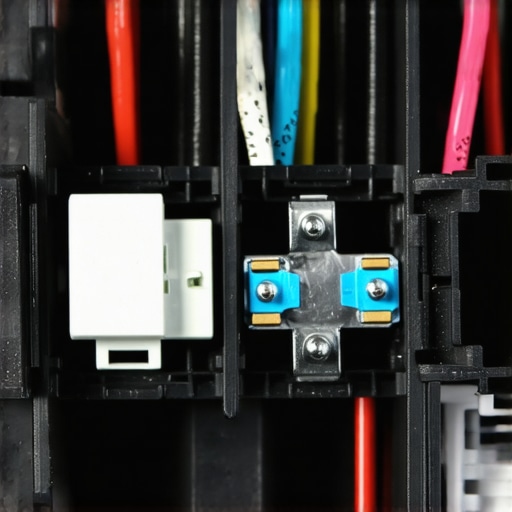
Ever been stranded in your driveway, fuming because your dashboard stayed dead despite turning the key? It’s a feeling I know well—one minute everything’s fine, and the next, your car’s nerve center goes completely dark, leaving you questioning your entire day. That lightbulb moment where I realized a tiny, hidden fuse was the culprit changed everything for me. It’s like discovering a small switch has been silently sabotaging your peace of mind, and you had no idea it even existed.
How a Single Fuse Can Bring Your Car to a Standstill
This isn’t just some obscure mechanic’s secret; it’s a common, yet often overlooked, issue that can disable your entire dashboard and those crucial safety features. The real kicker? That fuse is usually tucked away in a hard-to-reach spot, masked behind panels or inside the fuse box under the hood. When it blows, it cuts off power to essential systems—your speedometer, warning lights, even your ABS control modules—making your car feel like a lifeless shell. It’s frustrating, disorienting, and can even be dangerous if you’re trying to troubleshoot while on the road.
Have You Faced This Specific Problem Before?
There’s a good chance many have experienced this without even realizing it—one day, your dash just refuses to wake up. I learned the hard way early on in my DIY auto repairs when I replaced a sensor, only to discover later that a tiny fuse was the missing piece. That mistake, common among novices, is trusting what seems obvious while overlooking what’s tucked away—like ignoring a blown fuse that can halt your entire vehicle’s electronic heart. According to automotive experts, a blown fuse is often the first culprit in dashboard failures, but it’s surprisingly easy to overlook during initial diagnosis (source).
Now, I want to guide you through the exact steps I took to find and replace that elusive fuse, restoring confidence in my car and saving a hefty repair bill. If you’ve ever faced the panic of a non-responsive dashboard, stick around—this could be your game-changer. Up next, we’ll cover how to identify that hidden fuse, check it properly, and ensure your dashboard stays alive and kicking, no matter what. Ready to take control? Let’s dive into the practical fix!”}]}END}}}ind assistant waahi create_posts {
Identify the Fuse Box Location
Start by consulting your vehicle’s owner’s manual to find the precise location of the fuse box, which could be under the dashboard, beneath the hood, or inside the glove compartment. During my first attempt, I found mine tucked beneath the driver’s side dashboard, behind a panel that required a screwdriver to access. Having a flashlight ready helps illuminate those tight spots.
Gather the Right Tools and Safety Precautions
Before proceeding, ensure the engine is off and the keys are removed. Use a fuse puller or a pair of needle-nose pliers to safely extract the fuse. Wearing gloves minimizes the risk of electrical shock or injury from sharp components. In my case, a simple pair of pliers was enough, but a dedicated fuse puller made the process smoother.
Inspect the Suspect Fuse
Locate the fuse associated with the dashboard or electronics, often labeled in the fuse diagram. Carefully remove the fuse and examine it against the diagram or your manual. A blown fuse will typically show a broken metal strip or discoloration. I once mistook a darkened fuse for good, only to realize it was blown when I checked under a magnifying glass.
Check with a Multimeter
If visual inspection isn’t conclusive, use a multimeter set to continuity mode. Touch the probes to each end of the fuse; a beep indicates it’s good, while no sound means it’s blown. This step is vital for accurately diagnosing without guesswork. I found that testing with a multimeter saved me from replacing a functioning fuse accidentally.
Replace and Test the Fuse
Insert a new fuse of the exact amperage rating, usually marked on the fuse or in your manual. Avoid using a higher-rated fuse, as this can cause wiring damage or fires. Once replaced, turn on the vehicle and check if the dashboard lights and electronics function properly. This simple test confirmed I had successfully restored power without tearing apart more complex systems.
Verify the Fix and Prevent Future Issues
Drive around briefly to ensure all systems are operational. To prevent similar issues, inspect related wiring or connectors for corrosion or damage, which can cause fuse blows over time. Regularly check fuse conditions—especially after electrical work or incidents—can save you from unexpected breakdowns. My experience with this process reminded me how a tiny fuse can silently sabotage your confidence in your vehicle’s reliability. If you want to explore more about car electrical issues, this guide on hidden fuses and dashboard failure provides valuable insights.Many vehicle owners fall prey to common misconceptions about auto diagnostics and repair, often relying on superficial checks or outdated beliefs. One widespread myth is that a quick visual inspection of parts like the brake pads or oil always reveals the true condition of your systems. However, expert mechanics emphasize that appearances can be deceiving; for example, brake pads can look fine yet harbor uneven wear or internal damage that a simple glance won’t detect. To truly diagnose issues, advanced tools like ultrasonic sensors or diagnostic scanners are essential—relying solely on sight falls into the trap of incomplete assessment.
Another nuance many overlook involves the importance of understanding how different components interact over time. For example, many assume that once synthetic oil is replaced, the engine will perform optimally indefinitely. But, as outlined in this article, using the correct oil type and change intervals tailored to your driving conditions is crucial for longevity, especially in turbocharged engines where oil breakdown can happen faster. Misjudging oil quality and change frequency can result in turbo failures or increased wear, a mistake that can cost hundreds to repair.
What Advanced Diagnostics Detect That Basic Checks Miss?
Leaning into sophisticated diagnostics can reveal subtle issues like sensor drift, minor electrical leaks, or developing circuit faults that escape routine inspections. For instance, a vehicle might run smoothly under manual tests but emit gradual fuel efficiency decline or erratic idling, clues indicating deeper electrical or sensor problems. According to vehicle technology experts, utilizing data from onboard computers and scan tools helps uncover these hidden faults before they escalate—saving money and preventing breakdowns. If you’re curious about how to leverage these insights, exploring topics like how to diagnose driveability issues can be enlightening.
Beware of the common trap where drivers interpret dash warning lights as the sole indicator of problems. The truth is, many issues can exist beneath the surface, such as dry-rotted tires or failing suspension parts, that don’t immediately trigger visible alerts but still compromise safety. For example, regular inspection of tires for sidewall cracks, as discussed here, can prevent dangerous blowouts, especially in older vehicles. Do not rely only on warning lights—combine this with proactive check-ups to grasp your vehicle’s health comprehensively.
Investing in Precision Tools for Accurate Diagnostics
Over the years, I’ve learned that having the right equipment can make all the difference in auto repair. I personally rely on a high-quality digital multimeter with auto-ranging capability—it simplifies testing circuits and diagnosing electrical issues quickly. When checking fuses or sensors, I use a dedicated fuse tester instead of makeshift probes, ensuring conclusive results without risking damage to delicate components. Additionally, a portable OBD-II scanner such as the BlueDriver has become indispensable. It provides real-time data and comprehensive codes, saving me hours on guesswork. Using robust diagnostic tools not only improves accuracy but also reduces the time spent on repairs, which is crucial when you’re scaling maintenance or running a shop.
Streamlining Maintenance with Software and Record-Keeping
In an era of digital convenience, maintenance software like AutoAdmin or Carfax’s vehicle history reports helps track service intervals, oil changes, and component replacements. I recommend setting reminders within these apps to schedule regular check-ups, especially for long-term results. For example, having a digital log aids in early detection of issues like creeping fluid leaks or irregular exhaust emissions, which, if ignored, could lead to costly repairs or safety hazards. Incorporating software into your routine ensures you stay proactive rather than reactive, which is vital when scaling your approach from a hobbyist to a professional operation.
How do I maintain tools and systems over time?
Keeping your diagnostic arsenal in top shape involves regular calibration and cleanings. I personally allocate time monthly to verify multimeter accuracy against known voltage standards and replace worn probes. Storing equipment in organized, moisture-free cases prevents corrosion. Additionally, updating your diagnostic software’s firmware ensures compatibility with the latest vehicle models and ECU updates, which is critical as automotive technology evolves rapidly. Proper maintenance of tools and software extends their lifespan and maintains reliability, enabling you to confidently diagnose issues like dry-rotted tires or more complex electrical faults, ensuring consistent long-term results.
Future Trends in Vehicle Diagnostics and Repair
The industry is moving toward integrated IoT systems, enabling remote diagnostics and predictive maintenance. Imagine receiving alerts on your phone about battery health before it leaves you stranded or scheduling preventive upgrades automatically. Embracing these advancements now will give you a significant edge in scaling your auto repair knowledge. For instance, machine learning algorithms integrated into diagnostic tools could soon analyze data patterns and suggest repairs proactively—reducing downtime and costs. Staying ahead by investing in current technology and embracing automation will transform how we approach vehicle maintenance and repairs in the coming years.
What’s the best way to keep your auto tools sharp and reliable?
Regular calibration, proper storage, and timely software updates are your best bets. Take this tip: schedule monthly checks on your multimeter against a known voltage source, and keep the terminals clean to prevent erroneous readings. This simple routine helps detect battery or electrical system issues early, preventing scenarios like an unexpected engine stall. Moreover, integrating advanced scanning tools into your workflow—like the one discussed in how to spot a dry-rotted tire—can dramatically improve diagnostic accuracy. Why not try updating your diagnostic software today and experience the difference in troubleshooting efficiency? Mastering these tools and habits ensures your vehicle remains reliable, safe, and ready for any challenge ahead.
The Hardest Lesson I Learned About vehicle diagnostics,brake service,auto repair,oil change
One of the most valuable lessons I’ve internalized is that even the smallest component, like a fuse, can cause massive headaches if overlooked. I used to think that complex problems always required elaborate fixes, but discovering a blown fuse taught me that sometimes, the simplest solution is the correct one. This insight has made me more cautious and attentive, reminding me to check the basics before diving into complicated repairs.
3 Myths About vehicle diagnostics,brake service,auto repair,oil change That Held Me Back
- Assuming visual checks are enough: I believed that if a component looked fine, it was working—until I realized that internal damage isn’t visible externally.
- Ignoring the importance of proper tools: Using makeshift testers led me astray until I invested in a quality multimeter and fuse tester, dramatically improving diagnostic accuracy.
- Believing dash warning lights are the sole indicators: Sometimes, issues hide beneath the surface, and proactive inspections can prevent costly repairs.
What Experts Won’t Tell You About vehicle diagnostics,brake service,auto repair,oil change
Professionals emphasize the importance of regular, thorough diagnostics beyond just the symptoms. For instance, relying solely on warning lights can miss subtle electrical leaks or sensor issues. Advanced tools like onboard diagnostics scanners and multimeters reveal hidden faults early, saving time and money. Embracing these insights has transformed how I approach maintenance, turning guesswork into informed action.
Curated Resources to Elevate Your Car Care
- Guide to spotting dry-rotted tires: Prevent blowouts by recognizing early signs of tire deterioration, crucial for safe driving.
- Why synthetic oil matters: Learn how proper oil choices can extend engine life, especially in high-stress conditions.
- Diagnosing alternator issues: Understanding early signs can prevent unexpected stalls and breakdowns.
- Detecting parasitic drains: Protect your battery from drainers that reduce lifespan and cause inconvenient failures.
Don’t Let Fear Hold You Back From Fixing Your Car
Taking control of your vehicle’s health can be empowering and cost-effective. Remember, mastering small but essential skills like fuse testing and basic diagnostics builds confidence over time. Every repair completed, no matter how minor, boosts your understanding and keeps you prepared for whatever your vehicle throws at you. Dive into the details, trust your tools, and don’t hesitate to troubleshoot—your car and your wallet will thank you.
What’s the most surprising issue you’ve ever fixed yourself? Share your story below and inspire others to take charge of their vehicle maintenance!