
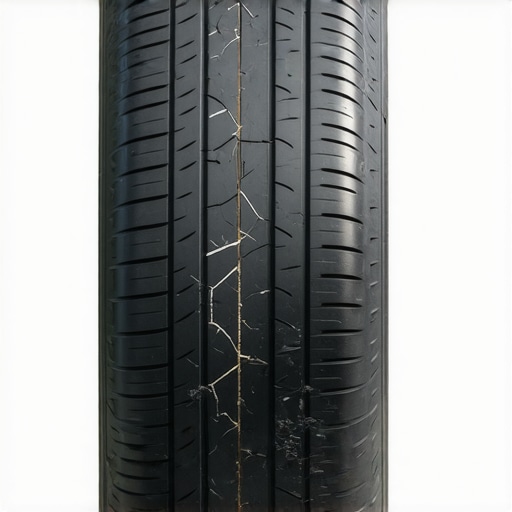
You know that sinking feeling when you’re cruising down the highway and suddenly, your steering feels a bit off? Or maybe you notice a faint crack in the sidewall of your tire, but convince yourself it’s just a scratch. I’ve been there—thinking I could ignore a little flaw because, hey, who has time for a full tire inspection every month? Until one morning, I hit the road, and that sidewall gave out, causing a dangerous blowout that could have been prevented.
< p >That unsettling experience woke me up to the importance of recognizing the signs of a dry-rotted tire before disaster strikes. It’s not just about avoiding roadside emergencies; it’s also about saving money and staying safe. Today, I want to share with you how I learned to spot those sneaky signs early—so you won’t find yourself in a panic on the side of the road. < /p >
Why It’s Critical to Recognize Dry-Rotted Tires Early
< p >Tires are like the shoes of your car—most of us forget about them until they’re really worn out. But the truth is, tires can deteriorate internally long before those tread patterns wear thin. In fact, according to expert automotive safety studies, dry rot—caused by exposure to the sun, ozone, and harsh conditions—can weaken your tire’s sidewall and tread, increasing the risk of blowouts. < a href="https://repairmycarpro.com/why-your-tires-are-wearing-out-unevenly" target="_blank" rel="noopener noreferrer" >Read more about uneven tire wear and what it signals.
< p >Early signs of dry rot include cracking, brittle rubber, and discoloration—especially in the sidewalls. These cracks may be tiny at first, almost invisible unless you’re looking closely. But neglect them, and those cracks can expand rapidly. If your tires are more than six years old, the risk of dry rot skyrockets, even if the treads appear fine. And because tires are the only contact point with the road, their integrity is non-negotiable for safe driving.
< p >Now, I’ll admit—I used to ignore those small cracks, chalking them up to normal wear or sun exposure. That mistake could’ve cost me dearly. The early years of neglect taught me a vital lesson: investing a few minutes in tire inspections can literally save your life. In the next sections, I’ll guide you step-by-step on how to spot those warning signs and keep your tires healthy long before they threaten to abandon you on the road.
Have you ever faced a sudden tire blowout or noticed cracks that you ignored?
Start with a Visual Inspection
Park your vehicle on a flat surface and turn off the engine. Begin by examining each tire’s sidewall closely, looking for cracks, discoloration, or brittleness—common signs of dry rot. Use a flashlight if necessary to illuminate hard-to-see areas. I once caught slight cracking in my rear tire’s sidewall by squatting down and inspecting with a bright light, which prevented a near-disaster.
Check the Tread Depth and Quality
Use a tread depth gauge or a simple penny test: insert a penny into the tread with Lincoln’s head upside down. If you see hairline cracks or the top of Lincoln’s head, it’s time to consider replacing that tire. Even if the tread looks fine, dry rot on the sidewalls can pose a significant risk. I recall ignoring subtle cracks on an older tire, only to experience a blowout six months later—lesson learned hard.
Feel for Brittleness and Rigidity
Carefully run your fingers around the tire’s surface to assess rubber’s flexibility. Tires affected by dry rot will feel brittle and may crack under slight pressure. When I checked my tires, I noticed one sidewall felt unusually rigid, prompting me to replace it before a roadside emergency occurred.
Inspect Age and Date Codes
Locate the DOT code on the tire’s sidewall, which includes a four-digit date code indicating manufacture week and year. Tires over six years old are more susceptible to dry rot, regardless of tread wear. I discovered my tires were over seven years old during this check, which was a sign it was time for replacement, despite the tires still having acceptable tread depth.
Assess UV and Environmental Damage
Look for signs of fading or discoloration caused by prolonged sun exposure. Cracks often develop on the sidewalls due to UV damage. Protect your tires by parking in shaded areas or using tire covers. I learned this when my tire sidewalls developed fine cracks after a summer parked in direct sunlight—preventable with a simple cover.
Conduct the “Pinch Test” for Rubber Integrity
Gently pinch a small section of the rubber between your thumb and forefinger. If it crumbles or feels excessively brittle, the rubber has compromised integrity. I noticed that pressing on my tires’ sidewalls revealed some crumbly texture, confirming dry rot, which led me to replace them promptly.
Leverage Professional Inspections When Unsure
If you’re uncertain after your visual check, consider visiting a mechanic for a professional inspection. They can perform more detailed tests and advise on replacement timing. I once took my car for a routine oil change and asked my mechanic to inspect the tires—they detected early dry rot and saved me from a dangerous blowout.
Regular inspections are crucial, especially for vehicles parked outside or driven in harsh conditions. Remember, small cracks and discoloration aren’t just cosmetic—they signal underlying tire deterioration that could lead to dangerous failures. Incorporating these steps into your routine saves money, time, and, most importantly, keeps you safe on the road.
When it comes to vehicle diagnostics and repairs, many car owners assume that following standard guidelines is sufficient. However, a deeper understanding reveals common myths and advanced pitfalls that can jeopardize your safety and lead to costly repairs. One prevalent misconception is that oil changes alone determine an engine’s health. While changing oil regularly is crucial, neglecting other factors like spark plug condition or transmission fluid can significantly impact performance. For instance, assuming that a fresh oil fill guarantees a healthy engine overlooks subtle issues like sludge buildup or contaminated oil, which require more comprehensive diagnostics. Have you ever fallen into this trap? Let me know in the comments.
What’s the Most Overlooked Diagnostic Signal That Could Save Your Engine?
Many car owners focus on obvious symptoms like check engine lights or strange noises, but subtle signs often go unnoticed. For example, minor vibrations or inconsistent shifting may indicate deeper mechanical issues like loose ball joints or a failing transmission sensor. Relying solely on visual inspections or dashboard alerts without advanced diagnostics can lead to catastrophic failures. A study by automotive safety experts emphasizes that early detection through diagnostic tools reduces breakdowns by up to 50%. Missing these nuances often results in expensive repairs, such as replacing entire transmissions or engines. Therefore, leveraging professional diagnostic equipment and understanding the intricacies of your vehicle’s health is essential. Moreover, many drivers overlook the importance of proper brake service interval tuning. Assuming that brake pads last forever ignores the wear indicators and the potential for hidden rot within calipers. Regularly checking brake fluid quality and pad thickness can prevent dangerous brake failure. I learned this lesson the hard way when old brake fluid caused a spongy pedal. To avoid such pitfalls, familiarize yourself with comprehensive maintenance schedules that go beyond simple replacements. Also, consider advanced techniques like scanning for parasitic battery drains or inspecting the alignment of steering components, which are often misunderstood issues. These nuanced inspections can prevent roadside emergencies or costly repairs down the line. For example, misaligned ball joints can cause uneven tire wear and handling problems, but many underestimate their impact. Check out https://repairmycarpro.com/stop-paying-for-alignments-if-your-ball-joints-are-loose to see how improper suspension components can cost you in unseen ways. In summary, becoming aware of these hidden diagnostic nuances and avoiding common myths ensures your vehicle remains reliable and safe. Embrace a proactive maintenance mindset, utilize advanced diagnostic tools, and don’t be misled by superficial assessments. This approach not only extends your vehicle’s lifespan but also saves you money and peace of mind on the road.
Keeping Your Vehicle in Prime Condition with the Right Tools
Maintaining a vehicle over time demands more than just basic skills; it requires investing in specialized tools and understanding effective methods. One of my go-to devices is a high-quality digital multimeter. I personally rely on the multimeter for detecting parasitic battery drain. It’s a small investment that pays off by helping me catch battery issues early, especially in colder months when batteries tend to weaken. Using this tool, I can quickly identify if the alternator is charging properly or if a hidden drain is causing premature battery failure.
Another crucial tool I recommend is a mechanic’s code scanner. Instead of just waiting for warning lights to illuminate, I use my scanner routinely to run diagnostic checks. Particularly, I look out for pending codes that might indicate future problems, such as a deteriorating sensor or a looming transmission issue. This proactive approach lets me schedule repairs before it’s too late. Remember, many modern vehicles store hundreds of fault codes that, when analyzed early, can save you from costly repairs down the line.
When it comes to routine oil changes, I prefer a portable oil extractor. It’s a simple yet effective tool that drains the oil through the dipstick tube, reducing mess and wear on components. Plus, I always keep a stripped oil pan bolt repair kit handy. In one instance, a minor bolt stripping almost grounded my repair plans, but with the right kit, I fixed it on-site, avoiding an expensive tow.
For brake inspections, I use a digital brake caliper gauge. This allows me to measure pad thickness precisely, ensuring I replace them before they wear too thin. Correct brake maintenance is crucial, and I recently learned from this guide that paying attention to pad depth can prevent dangerous brake failures. Regular use of such measurement tools keeps my brake system reliable, especially when driving in hilly terrain or towing.
How do I keep tools and methods effective over time?
I make a habit of calibrating my diagnostic instruments periodically and replacing worn-out test leads. Additionally, I stay updated by subscribing to industry blogs, watching tutorials, and participating in forums. As vehicle technology advances, I predict an increased reliance on wireless diagnostic tools and AI-powered maintenance apps. These innovations will make diagnostics faster and more accurate, enabling even hobbyists to perform professional-quality repairs from home.
To start optimizing your maintenance routine, try using a multimeter to check your battery’s health this weekend. It’s a straightforward, cost-effective step that can alert you to looming issues. Trust me—being proactive with the right tools transforms auto care from a chore into a skill that keeps your vehicle running smoothly and safely for years to come.
The Unexpected Wisdom Gained from My Auto Repair Journey
One of the most eye-opening lessons I’ve learned is that many vehicle issues stem from overlooked signs and assumptions we make about our cars. For instance, I once dismissed a faint smell of burning rubber, thinking it was just a normal part of driving. It turned out to be a failing brake caliper that could have caused a dangerous failure if left unchecked. That experience taught me to pay closer attention to small changes and trust my instincts rather than ignore early warnings.
Another revelation was realizing how much of a difference routine inspections can make. Routine checks aren’t just about maintenance; they’re a vital form of auto insurance. Had I not proactively checked my tire age and sidewall cracks, I might have faced a blowout on the highway. This insight pushed me to develop a habit of quick visual inspections and leveraging affordable diagnostic tools to catch issues early, saving money and potentially lives.
I also discovered that obsessing over picture-perfect repairs without understanding the root cause is a costly mistake. For example, replacing brake pads without checking the rotors or calipers can lead to uneven wear and premature failure. Learning to diagnose the underlying problem correctly ensures durable repairs and better safety—an important lesson I wish I’d embraced sooner.
Tools and Resources That Transformed My Approach
The key to sustained vehicle health for me has been investing in a few essential tools. A reliable digital multimeter helps me detect hidden battery issues and parasitic drains, especially during seasonal changes. A good code scanner allows me to stay ahead of potential engine and transmission problems by reading fault codes before warning lights ever turn on.
For physical checks, a precision brake caliper gauge gives me confidence that my brake pads are within safe limits. Also, a Sunroof drain cleaner is unexpectedly helpful, protecting against water damage that can lead to electrical issues. Each of these tools has become a trusted companion in my auto maintenance routine, saving me money and avoiding roadside emergencies.
Beyond tools, I follow trusted sources and community forums where experts share insights. Websites like RepairMyCarPro offer guides and tips that fill in the gaps left by generic advice. For example, understanding the importance of checking headlight wiring helped me fix a mysterious dimming issue without costly dealer visits. These resources keep me informed, confident, and proactive about vehicle care.
Your Road to Smarter Vehicle Care Starts Now
Remember, vehicle diagnostics, oil changes, and brake services aren’t just routine chores—they’re opportunities to understand and improve your car’s health. Each small step carries immense benefits, boosting safety, longevity, and savings. Start small: check your tire age, inspect for cracks, or borrow a multimeter to test your battery. Taking these proactive steps can transform your driving experience and prevent costly surprises down the line. Don’t wait for a warning light—be the one who catches the signs early and keeps your vehicle—and yourself—safe on the road.