
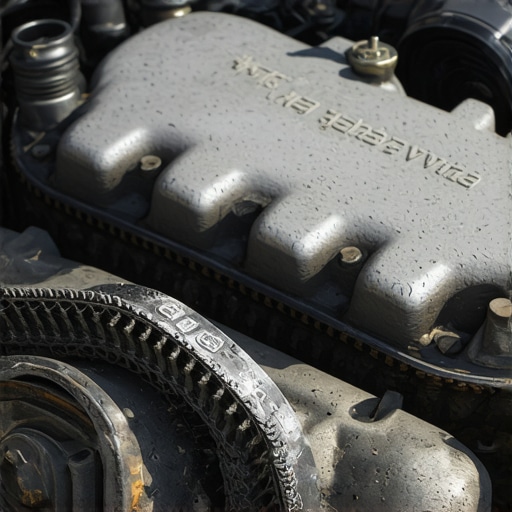
I remember the exact moment I realized I had underestimated the importance of my timing belt. It was a cold morning, and as I started my car, a strange rattling noise echoed from the engine bay. Within seconds, my vehicle sputtered and died, leaving me stranded on the side of the road. That experience was a rude awakening to the hidden risks of ignoring maintenance schedules.
Why Skipping Your Timing Belt Check Could Cost You Dearly
Your car’s engine relies on the timing belt to synchronize the movement of its internal components. This small but mighty belt needs regular replacement, much like changing the oil or rotating the tires. Neglecting this maintenance can lead to catastrophic engine damage, often requiring major repairs or complete engine replacement. From personal experience, the cost of a timing belt failure is startling—often thousands of dollars—and it’s a repair nobody wants to face.
Imagine a scenario where your timing belt snaps unexpectedly. The pistons and valves collide, bending valves and damaging pistons—an event that can turn a simple maintenance task into a financial nightmare overnight. Did you know that according to Car and Driver, a timing belt failure can cost upwards of $2,500 for repairs? That’s a hefty price to pay for a missed interval.
Are you currently facing doubts about when to replace your timing belt? Or perhaps you’re wondering if the warning signs are real or just paranoia? You’re not alone. I too once stretched the interval, believing it was safe to delay. That mistake nearly cost me my engine. Today, I want to share the reasons why sticking to your manufacturer’s recommendation is vital and how to avoid falling into the trap of neglect.
Let’s dig into what makes this part so crucial, and how a simple inspection can save you from heartbreaking expenses. If you’re like me, you want your vehicle to serve you reliably without unexpected surprises. And I promise, the solution isn’t as complicated as it seems.
Preparing for the Replacement
Start by gathering the necessary tools: a socket set, screwdrivers, a timing light, and a replacement timing belt suited for your vehicle. Ensure your engine is cool and disconnect the negative battery terminal to prevent accidental starts. Consult your vehicle’s service manual to locate the timing belt and understand the belt routing. A micro-story from my experience: I once laid out all tools on a clean table and took a photo to ensure I didn’t miss anything—this kept me organized and saved time during reassembly.
Accessing the Belt
Remove engine covers or splash shields obstructing access to the timing belt. Depending on your car model, you might need to remove the accessory belts, pulleys, or even the radiator for better visibility. Think of this step like peeling layers from an onion—each layer reveals more. I remember carefully loosening the tensioner pulley, making sure to note its position, so I could set the new belt to the correct tension later.
Aligning the Timing Marks
This is crucial to maintain engine timing. Rotate the crankshaft to align the timing marks on the crank pulley and camshaft gears with the indicators on the engine block or timing cover. Use a wrench to turn the crankshaft slowly, watching the marks closely. As I turned mine, I used a flashlight to verify the alignment, ensuring the engine’s internal components were perfectly synchronized. This prevents misfires or worse, valve damage.
Ensuring Proper Tension
Install the new belt over the pulleys, keeping the timing marks aligned. Adjust the tensioner pulley, which acts like a tightrope walker balancing the belt’s tension—too tight and it wears out quickly; too loose and it slips. Loosen the tensioner bolt, apply tension, then tighten the bolt securely. To verify proper tension, press down gently on the belt at its midpoint; it should give slightly but not too much. I once accidentally left the tensioner loose, causing the belt to slip after a few miles—lesson learned: double-check your tension.
Reinstalling Components
Reattach any removed belts, pulleys, or covers in reverse order. Make sure all bolts are torqued to specifications found in your manual. Reconnect the battery terminal, turn the ignition to run (without starting), and observe the belt and pulleys for smooth operation. Starting the engine to verify timing is clean and quiet is the final check. During my last belt change, I kept a close ear out for odd noises and looked for any irregular pulley movement, confirming the job was done right.
Testing and Final Checks
Let the engine run for a few minutes, then turn it off and recheck the tension. If everything appears normal, take your car for a short test drive, listening for rattles or irregular sounds. This hands-on approach is similar to a pilot performing a pre-flight check—attention to detail prevents future breakdowns. Remember, a well-timed belt keeps your engine running smoothly and avoids costly repairs. Regular inspections can save you from unexpected breakdowns and keep your vehicle reliable.
Even seasoned car owners often fall prey to misconceptions that can compromise their vehicle’s health. While many believe that sticking strictly to the basics—like oil changes and brake checks—is enough, there’s a deeper layer of complexity that many underestimate. For instance, a common myth is that “if it isn’t making noise or causing a problem, it doesn’t need attention.” However, routine diagnostics reveal subtle issues, such as early signs of transmission wear or minor vacuum leaks, which can escalate if ignored. By neglecting these nuances, drivers risk more costly repairs down the line. For example, overlooking the tiny transmission filter that acts as a magnet for debris can reduce transmission lifespan significantly, yet many ignore its importance. Moreover, some believe that bleeding brakes is a simple task, but improper bleeding can trap air or leave residues that reduce braking efficiency, potentially leading to dangerous situations. Want to explore a more sophisticated aspect? Consider how the integrity of your vehicle’s vacuum hoses impacts engine performance and fuel efficiency—many overlook this until symptoms worsen. Studies, like one from SAE International, show that small leaks in vacuum lines can cause measurable fuel economy drops and emissions increases, emphasizing the importance of advanced inspection techniques. Have you ever fallen into this trap? Let me know in the comments. For a detailed look into hidden filters affecting your transmission, check out this guide on the underrated transmission filter. Remember, understanding these subtle factors equips you to maintain your vehicle optimally and avoid unnecessary expenses.
Investing in the Right Tools Is a Game Changer
Maintaining your vehicle’s health over time demands more than just basic knowledge—it requires the right equipment that provides precision and durability. One tool I personally swear by is a high-quality digital multimeter. Not all multimeters are created equal; I prefer models like the Fluke 115 because of their accuracy and reliability when diagnosing electrical issues such as parasitic drains or faulty sensors. For example, if your car’s battery seems fine but problems persist, using a multimeter to check for unexpected current draws can save hours of guesswork.
Embrace Diagnostic Software for Better Insights
Modern vehicles are packed with sensors and control modules, making advanced diagnostics essential. I recommend investing in a wired OBD-II scanner like the BlueDriver or an OEM-specific interface if you’re comfortable doing software updates yourself. These tools connect to your smartphone or laptop, providing real-time data, fault codes, and even live graphing of signals. This approach is invaluable for proactive maintenance—catching issues like a tiny vacuum leak before it affects your economy or emissions. As I learned from automotive tech specialists, timely diagnostics can extend your vehicle’s lifespan significantly. For instance, addressing a minor vacuum leak, which you can spot with a tool like this guide, can prevent costly engine problems later.
Regular Inspection Equipment You Shouldn’t Ignore
Beyond diagnostic tools, I keep a set of stethoscopes designed for mechanics — yes, specially made for cars. These are perfect for pinpointing noisy wheel bearings or alternator issues without guessing. In my experience, listening closely can mean the difference between a minor fix and a major overhaul. Also, a torque wrench is vital for correctly tightening components like the timing belt tensioner, ensuring optimal performance and longevity. Proper torque prevents premature belt wear or component failure, which could leave you stranded.
Looking Ahead: Future of Vehicle Maintenance
As technology advances, the integration of AI and machine learning in diagnostic tools is set to revolutionize how we maintain our vehicles. Imagine diagnostic systems that predict issues before symptoms become evident, guiding you on exactly when to service parts or replace fluids. That said, the core principles of using precise tools and regular inspections will remain vital for reliable long-term operation.
How do I keep my vehicle’s diagnostics sharp over time?
The key is consistent calibration of your tools and staying informed about new tech developments. Regularly updating your diagnostic software and practicing with your equipment ensures you’re ready for anything—from tiny vacuum leaks to complex sensor failures. Try performing a detailed sensor check using your OBD-II scanner today to see if any hidden issues lurk beneath the surface. This proactive approach can save you from unexpected breakdowns and keep your vehicle running smoothly for miles to come.
The Hardest Lesson I Learned About Timing Belts That Saved My Engine
One of the most valuable insights I gained was realizing that preventive maintenance isn’t just a chore—it’s a safeguard against costly surprises. Overlooking small signs or delaying replacements can lead to catastrophic damage, making me appreciate the wisdom in adhering to manufacturer guidelines. Now, I inspect my timing belt with the same care I give my family, understanding that every mile counts.
Tools and Resources That Changed My Approach to Vehicle Care
Investing in quality tools like a dependable digital multimeter and a reliable torque wrench revolutionized my ability to diagnose issues early. Supplementing these with insightful books and tutorials helped me truly understand my vehicle’s intricacies, turning maintenance from a chore into a confidence-building routine.
Embrace the Challenge: Your Repair Journey Awaits
Don’t let fear hold you back from giving your car the attention it deserves. Start small—check your belts, inspect your fluids, or listen for odd sounds. Every step you take builds your skills and trust. Remember, every mechanic was once a beginner, and your efforts today pave the way for miles of worry-free driving. Are you ready to take the first step towards mastering your vehicle maintenance? Share your intentions below!