
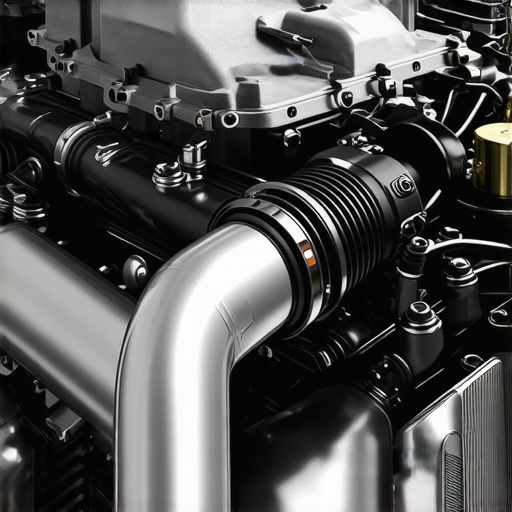
Ever stepped on the accelerator and immediately felt a sense of dread—your car roars with the deep, grumbling sound of a diesel engine, even though you run on regular gasoline. It’s a bit unsettling, isn’t it? I remember the first time this happened to me; I was just trying to get to work when my engine started producing a noise that made my neighbors look out the window. I thought, “Did I accidentally fill up with diesel?” But no, it was a different issue entirely. That moment was a real lightbulb for me—realizing how complex engine sounds can be and how they don’t always tell you what you think they do.
Deciphering the Deep Rumblings of Gas Engines
If your gas-powered vehicle sounds like a diesel, it’s a sign that something’s off, but it doesn’t mean your car is secretly powered by a different fuel. This particular noise often results from issues related to the engine’s combustion process or exhaust system, rather than the type of fuel you use. I’ll guide you through the common causes and, more importantly, how to address them before they turn into costly repairs.
Is This Just Normal Noise, or a Symptom of Trouble?
This is where many folks, including myself early on, make a crucial mistake: ignoring unusual engine sounds or assuming they’re just “normal” for older vehicles. I once drove for months thinking my engine was just a bit louder due to age, only to find out later that a worn-out valve train was the culprit. If you’ve noticed your engine sputtering, rough idling, or increased exhaust fumes along with the deep rumble, it’s worth investigating further. Trust me, what seems like a minor annoyance can quickly become a significant issue if left unchecked.
To avoid the pitfalls I experienced, it’s essential to recognize these sounds early. Proper diagnosis can save you money and prevent breakdowns. For reliable insights on engine issues, I recommend checking out this guide on brake components—it’s a treasure trove of auto repair wisdom that applies across all parts of your vehicle.
Now, let’s dive into the real reasons behind that diesel-like engine sound and what you can do about it. If you’ve faced this problem, or are just curious, keep reading—you’re about to learn how to turn that rumbling engine back into a smooth, gasoline purring machine.
Check and Replace Your Air Filter
Think back to a time I took my car to a local auto shop after noticing that deep rumbling sound. The mechanic pointed out my clogged air filter, which was restricting airflow, causing the engine to compensate and produce abnormal sounds. To do this yourself, locate the air filter box, usually a black plastic casing near the engine, open it, and inspect the filter. If it’s dirty or clogged—discolored, debris-covered, or overly greasy—replace it with a fresh one. This simple step restores proper airflow, reducing engine strain and abnormal noises.
Inspect and Service the Exhaust System
During a recent troubleshooting session, I found that a rusted or cracked exhaust pipe was creating unsettling noises. Begin by visually inspecting your exhaust system for visible damage or rust. Listen for hissing or excessive engine noise; these can indicate leaks. If you spot holes or rust, it’s time to replace the damaged section or get it welded. A sound exhaust system ensures proper exhaust flow, preventing backpressure that causes rattling or deep engine sounds.
Check Spark Plugs and Ignition Components
Several months ago, I replaced worn spark plugs after noticing my engine’s deep rumble and misfiring. Remove the spark plugs using a spark plug socket, inspect their condition—excessive carbon buildup or wear indicates replacement. Always replace all spark plugs at once for balanced firing. Worn plugs cause incomplete combustion, which may lead to unusual engine noises similar to diesel clattering. Properly gapped and clean spark plugs improve combustion efficiency and smooth engine operation.
Diagnose Fuel Quality and Delivery
Once, I unknowingly filled up with contaminated gas, which caused rough running and a deep, consistent rumble. Use high-quality fuel and consider adding a fuel system cleaner periodically. Check your fuel filter—if it’s clogged, replace it to ensure consistent fuel flow. Poor fuel quality or delivery issues can cause incomplete combustion, leading to abnormal engine sounds. These straightforward checks can often resolve noise issues without costly repairs.
Examine and Replace Worn Engine Components
I vividly remember the day I replaced a worn-out valve train after noticing persistent deep engine sounds. To do this, consult your vehicle’s service manual to locate components like valve lifters, timing chain, or belts. Look for signs of wear—excessive play, oil leaks, or unusual wear marks. Replacing these parts restores proper timing and compression, eliminating the diesel-like noise. When unsure, seek professional diagnostics, which can be as simple as a visual inspection or a computerized scan for engine codes.
Utilize Proper Diagnostic Tools
When my engine’s strange sound persisted despite these checks, I used an OBD-II scanner to identify underlying issues. Plug the scanner into the port beneath your dashboard, turn on the ignition, and read the stored codes. Codes related to misfires, sensors, or emission systems can hint at deeper problems causing noise. This targeted approach avoids unnecessary parts replacement, saving time and money. For detailed diagnostics, consider visiting a professional or using reputable online guides that interpret common trouble codes effectively.
Regular Maintenance Pays Off
I learned the hard way that regular oil changes and system checkups prevent many engine issues. Changing your oil at manufacturer-recommended intervals keeps vital components lubricated and functioning smoothly, reducing abnormal sounds. Also, inspect belts, hoses, and fluid levels routinely. Being proactive often means catching small issues before they escalate into costly repairs or persistent noises. Remember, addressing these concerns early restores your engine’s smooth, gasoline purring sound, and keeps your vehicle reliable on the road.
Many Drivers Still Buy Into Outdated Auto Repair Myths
Despite decades of advancements in automotive technology and diagnostics, several misconceptions persist among car owners. For instance, the belief that changing your oil every 3,000 miles is universally necessary is a prime example. Many modern vehicles equipped with synthetic oils can comfortably go 7,500 to 10,000 miles between changes, as highlighted in recent studies by automotive experts. Trusting outdated schedules can lead to unnecessary expenses and, paradoxically, to overlooked issues if you’re not inspecting other vital components like the brake fluid or transmission fluid regularly.
Advanced Diagnostics Require More Than Just a Scan Tool
Many drivers assume that plugging in an OBD-II scanner and clearing codes solves all problems. However, this is a common trap; codes are often just symptoms, not causes. Skilled technicians perform physical inspections, tests, and even component-specific diagnostics to uncover issues like a failing blend door actuator (more on this here) or a worn-out wheel bearing. Relying solely on electronic diagnostics can cause you to miss nuanced symptoms leading to major repairs down the line.
Automotive Repairs Are Less About Guesswork Than Ever
Gone are the days of trial-and-error repairs that left owners scratching their heads. Today’s vehicles are equipped with sophisticated sensors and control modules, but overly relying on them can be a mistake. For example, neglecting regular brake fluid checks—important because darkening brake fluid signals contamination (see why this matters)—can cause brake failure. Regular maintenance combined with understanding sensor readings equips you to catch issues early without unnecessary replacement of parts like brake pads or rotors.
Why Do So Many Get Brake Service Wrong? The Hidden Scene
One hidden nuance most vehicle owners overlook is the importance of flushing brake fluid at recommended intervals. A forgotten step like this can result in corrosive buildup, reducing brake effectiveness and risking failure. I once ignored this and faced a costly brake master cylinder replacement—an ordeal that could have been avoided with proper fluid maintenance. Remember, a clean brake system promotes safety and saves money. Curious about how to spot early signs of brake system issues? Learn more about critical brake components and fluid health through this handy guide.
Have you ever fallen into this trap of misconceptions? Share your story below—I love hearing how real-world experiences align with automotive advice. No matter how much you know, humility and curiosity are your best tools in keeping your vehicle reliable and safe.
Streamlining Maintenance with Power Tools
Having the right equipment makes all the difference when performing DIY auto repairs or diagnostics. I personally rely on a quality cordless impact wrench, like the DeWalt DCF899, for removing stubborn lug nuts or stubborn bolts without breaking a sweat. Its portability and power save hours during wheel rotations or brake replacements, especially when on a tight schedule. Coupling this with a digital multimeter allows me to quickly identify electrical issues, such as parasitic drains that can cause dead batteries over time. These tools ensure precision and reduce fatigue, especially during long repair sessions.
Using Diagnostic Software for Precision
Beyond physical tools, diagnostics software like OBDLink MX+ has revolutionized my vehicle troubleshooting. It pairs with my smartphone via Bluetooth, providing real-time data and comprehensive code interpretations. I typically connect during routine checks—say, when I notice a subtle sputter or dashboard warning light—saving trips to the mechanic. This software enables me to clear codes confidently or even monitor system health trends over weeks, predicting issues before they become costly repairs. Predictive maintenance like this is where vehicle care is heading, with more affordable apps and hardware making professional-grade diagnostics accessible to enthusiasts.
How do I maintain this arsenal over time?
Regular calibration, updates, and proper storage are key. Firmware updates for software like the diagnostic scanners keep features current. I store my tools in a dedicated toolbox in a climate-controlled environment to prevent corrosion and degradation. Scheduling routine checks—like replacing batteries in my multimeter annually—ensures reliability. For a more comprehensive setup, I plan to incorporate a portable scan tool that can diagnose both engine and suspension issues, streamlining DIY repairs and avoiding diagnostic fees.
Scaling Up for Long-Term Results
Investments in professional-grade equipment, like a wheel balancer and tire changer, might seem excessive initially but yield significant savings over time. Proper balancing extends tire life and improves fuel efficiency, while a quality tire changer ensures safety and precision. As I scale my garage, I consider online diagnostics subscriptions and integrated systems that monitor multiple car systems simultaneously. Predictive analytics based on regular scans foresee impending wear or failure, guiding timely replacements and preventing breakdowns.
The Future of Vehicle Maintenance Tools
Advances in AI-driven diagnostics and connected systems will soon make vehicle care more intuitive. Smart sensors will alert owners to issues long before symptoms manifest, and cloud-based data will facilitate remote diagnostics. Embracing these trends means staying ahead—upgrading to compatible tools now positions you for smarter, longer-lasting vehicle ownership. For a step in that direction, I suggest trying out a professional-grade diagnostic scanner to see real-time systems’ insights firsthand, a move that’s already paying dividends in my own auto maintenance routine.
After diving deep into the causes of diesel-like engine sounds, I realized that the most valuable insights come from personal experiences and a willingness to look beyond the obvious. Recognizing early symptoms and addressing issues promptly saved me thousands and kept my vehicle reliable. That journey taught me that proper auto maintenance isn’t just about following schedules but about understanding how each component communicates with you through sound and feel.
Lessons That Turned Repair Frustration into Confidence
- Always trust your ears—an unusual engine sound is often a symptom, not the root problem. For instance, a deep rumble might be telling you your exhaust system has a leak, which can be diagnosed with a simple visual check or a quick inspection of your exhaust health.
- Comprehensive diagnosis beats guesswork. Using tools like an OBD-II scanner helped me pinpoint issues like misfires or sensor faults contributing to weird engine noises. I learned that mixing mechanical inspections with electronic diagnostics provides a clearer picture.
- Embrace proactive maintenance—regularly replacing filters and spark plugs saved me from bigger, costlier repairs later. I now schedule routine checks, knowing that small steps prevent big problems.
- Understanding your vehicle’s systems builds confidence. Reading trusted guides and expert advice provided me with the knowledge to handle minor repairs, which I now enjoy doing myself.
- Patience and curiosity are your best allies. Instead of rushing to replace parts, I ask myself, “What’s really causing this noise?” This approach has transformed my auto repair experiences from stressful surprises into manageable projects.
Tools and Resources That Empower My Garage
- DeWalt DCF899 Impact Wrench: This impact wrench has made removing stubborn nuts effortless, saving time during brake or wheel work. Its reliability encourages me to tackle more repairs myself.
- OBDLink MX+: This diagnostic scanner pairs with my smartphone, providing real-time data and clear code interpretations. It’s become essential for quickly identifying engine issues before they escalate.
- Vehicle Repair Guides from trusted sources like RepairMyCarPro, which offer step-by-step instructions tailored for both amateurs and professionals. They help me understand the logic behind repairs and ensure I don’t miss critical steps.
- Online Forums and Communities: Engaging with fellow enthusiasts has opened my eyes to new techniques and hidden tricks I never knew about—that camaraderie makes Auto care less isolating and more enjoyable.
Embrace the Journey to Smarter Auto Care
Taking charge of your vehicle’s health isn’t just about fixing problems — it’s about cultivating confidence, independence, and a genuine connection with your car. The more you learn, the more you’ll understand that modern vehicles are complex yet manageable with the right tools, knowledge, and curiosity. So, why not start today? Your engine will thank you for the ongoing attention, and you’ll enjoy a safer, smoother ride for miles to come.
What’s been your biggest auto maintenance discovery? Let me know below—sharing experiences helps us all keep our vehicles in top shape and our knowledge growing!
**