
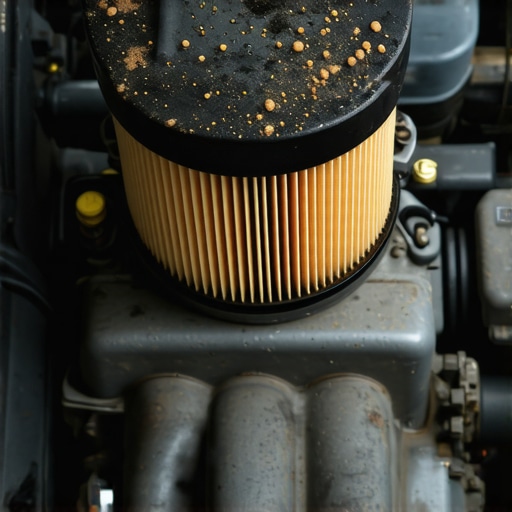
I remember the first time I faced an engine misfire right after a quick oil change. The dashboard lit up with warning lights, and I felt that sinking feeling in my stomach. It was a lightbulb moment—realizing that the cheap oil filter I grabbed from the discount shelf might be the culprit. That experience opened my eyes to a harsh truth: not all oil filters are created equal, and many budget options could be silently shortening my engine’s life.
Why Choosing the Right Oil Filter Matters More Than You Think
When it comes to maintaining our cars, oil changes are routine. But the filter that accompanies it? That’s often overlooked, especially when opting for the cheapest option available. I used to believe that all filters did the same job—just catch the impurities and keep my engine clean. But early mistakes—like using low-quality filters—taught me a different lesson. It’s not just about saving a few bucks; it’s about protecting the heart of your vehicle.
Think about it: an engine is a finely tuned machine that relies on clean oil to prevent wear and tear. A poor-quality filter can allow debris and sludge to circulate, leading to faster engine degradation. According to industry experts, using subpar filters may cause engine wear to accelerate by as much as 30% over the vehicle’s lifespan [source: https://repairmycarpro.com/oil-change-innovations-technologies-that-save-your-engine]. That’s not just a minor issue—it’s a ticking time bomb for your car’s longevity.
Now, I bet you’re wondering if these budget filters really make that much difference. Trust me, I’ve been there. And that’s exactly what we’re going to explore today: how to spot the genuine quality filters and avoid the ones that could turn your engine into a money pit.
Identify Genuine High-Quality Brands
My first step was to research brands known for their reliability. I checked customer reviews and industry recommendations, focusing on manufacturers with a proven track record. This approach saved me from costly engine repairs caused by inferior filters. Visit reliable sources and compare options before heading to the store.
Read Specifications and Compatibility
After selecting a brand, I verified the oil filter’s specifications against my vehicle’s manual. Every car model has unique filter requirements, similar to choosing the right shoe size for comfort. Using a compatible filter ensures proper fit and filtration. Always double-check the part number and technical details.
Inspect Physical Build Quality
Once I had a few options, I examined the build quality firsthand. I looked for sturdy casing, well-sealed gaskets, and quality filtering media. Think of it as inspecting the integrity of a Swiss knife—every component must be precise and durable. A poorly constructed filter is like a leaky bucket, defeating the purpose of filtering impurities.
Check for Certification and Standards
I looked for filters with certifications like API or OEM approval—these guarantee adherence to industry standards. It’s similar to choosing food labeled organic or non-GMO, providing peace of mind. Certified filters are less likely to cause engine issues or void your warranty.
Compare Price and Warranty Offerings
I didn’t just settle for the cheapest option; I contrasted prices and warranty coverage. A longer warranty or satisfaction guarantee indicates confidence in the product’s quality. Remember, paying a little extra upfront can save a lot later—like investing in a good pair of shoes that last years.
Purchase from Reputable Retailers
Finally, I bought from established auto parts stores or authorized dealerships. This step minimizes the chances of counterfeit products, much like buying authentic designer gear. I avoided online marketplaces that didn’t verify seller credentials, which could result in inferior or fake filters.
Many vehicle owners operate under misconceptions that can lead to costly repairs and safety risks. One of the most glaring errors is assuming that all diagnostic readings are straightforward and that code scanners tell the entire story. In reality, modern cars are equipped with complex sensor networks that require advanced diagnostic techniques to interpret accurately, as explained in [Decoding Vehicle Diagnostics](https://repairmycarpro.com/decoding-vehicle-diagnostics-what-your-car-is-trying-to-tell-you). Relying solely on generic codes without understanding specific sensor behaviors can cause misdiagnosis, leading to unnecessary repairs or overlooked issues.
Another common myth revolves around brake service. Many believe that replacing brake pads is a simple fix, but the nuance lies in understanding when rotor resurfacing or replacement is necessary, which affects both safety and longevity. Trust me; skipping these deeper inspections often results in brake pulsation or squealing that worsens over time. Check out [Brake Service Myths Busted](https://repairmycarpro.com/brake-service-myths-busted-what-really-matters-for-safety) for a detailed breakdown of what truly impacts brake performance.
When it comes to oil changes, a widespread mistake is ignoring oil quality and type. Everyone says to stick to the manufacturer’s specifications, but many overlook the importance of synthetic blends in high-mileage engines, which can significantly extend engine life when used correctly. Moreover, the timing of oil changes—believing that longer intervals are always safe—can be a trap, especially in harsh driving conditions. For a deep dive into the latest in oil technology, visit [Oil Change Innovations](https://repairmycarpro.com/oil-change-innovations-technologies-that-save-your-engine).
A subtle but crucial oversight involves vehicle diagnostics for intermittent issues, like a stalling engine or unpredictable starting problems. Many owners ignore or delay diagnostic checks, risking sudden breakdowns. An advanced approach, supported by [How Advanced Vehicle Diagnostics Prevent Costly Breakdowns](https://repairmycarpro.com/how-advanced-vehicle-diagnostics-prevent-costly-breakdowns), emphasizes regular diagnostics to catch those hidden gremlins early.
Making these errors isn’t just about wasting money; it can compromise safety and reduce your vehicle’s lifespan. The key is to understand that maintenance isn’t just routine—it’s an ongoing learning process that benefits from nuanced knowledge. Always question assumptions, and don’t hesitate to seek professional insights, especially when dealing with complex systems.
Ready to avoid these common pitfalls? Have you ever fallen into this trap? Let me know in the comments and share your experiences. Remember, informed car ownership is safer and more economical in the long run.
How do I maintain my vehicle’s health over time?
Staying ahead in car care requires not just knowledge but also the right tools. Personally, I rely on a high-quality digital inspection camera to spot issues beneath the hood without needing to lift the car each time. This device helps me quickly identify leaks, cracked hoses, or corrosion—saving hours and money. When it comes to diagnostics, I prefer an OBD-II scanner that offers real-time data and customizable codes. It’s like giving my vehicle a check-up without visiting the mechanic. These tools are vital for catching problems early, especially as vehicles age and become more complex.
For routine maintenance, a torque wrench is indispensable. I always use a digital torque wrench calibrated to my car’s manufacturer specifications, ensuring fasteners are tightened correctly—preventing future issues, such as loose brake components or oil filters. Moreover, I recommend a durable brake caliper piston windback tool, which simplifies brake service, especially when replacing pads on vehicles with powerful ABS systems. These tools are a game changer, cutting down repair time and improving safety—something I can attest to from personal experience.
When diagnosing intermittent problems like engine stalling or misfires, I turn to advanced diagnostic software compatible with my scanner. Modern vehicle systems are complex, with sensors communicating constantly. By reviewing live data streams, I can identify anomalies that basic code readers might miss. Regularly updating this software ensures compatibility with new vehicle models and recalls, as noted in decoding vehicle diagnostics. Staying current with these updates is crucial for accurate diagnostics.
In the future, I predict that AI-based diagnostic tools integrated into smartphones will become mainstream, providing comprehensive vehicle assessments on-the-go. Embracing these innovations will empower car owners to perform deeper maintenance checks and troubleshoot problems before they escalate. As someone passionate about long-term vehicle care, I encourage you to try implementing a reliable scan tool into your routine—it’s a simple step that can save you hundreds in repair costs.
What measures are effective for long-term vehicle longevity?
Consistent maintenance with precise tools ensures your vehicle stays dependable over thousands of miles. Whether it’s regularly inspecting brake fluid levels with a refractometer or using a top-tier oil analyzer to monitor engine oil quality, small steps add up. Remember, maintenance isn’t a one-time event but an ongoing process that benefits from expert-grade equipment. To enhance your upkeep routine, explore auto repair hacks that combine DIY skills with professional insights. Keep your tools sharp, your knowledge sharpener, and take charge of your vehicle’s health, ensuring it performs reliably for years to come.
The Hardest Lesson I Learned About Auto Repair and Vehicle Diagnostics
One pivotal moment was realizing that choosing the right oil filter isn’t just about brand or price—it’s about understanding what your engine truly needs. I once ignored this and paid the price with costly repairs. That experience taught me to dig deeper into the specifications and certifications that assure quality and compatibility.
Why Cutting Corners on Oil Filters Can Cost You Big
Opting for cheap filters might save a few dollars initially, but it can lead to faster engine wear and even breakdowns. I learned that investing in high-quality, certified filters like those with OEM approval dramatically extends engine life and performance. It’s a small expense with significant long-term benefits.
Spreading the Word: Better Tools and Reliable Resources
I now rely on trusted brands such as Wix or Purolator, known for durability and filtration efficiency. For diagnostics, I trust industry-recognized tools like advanced OBD-II scanners that provide real-time insights, which I discovered through reputable resources on vehicle diagnostics. These tools empower me to catch issues early and prevent costly repairs.
Embracing Continuous Learning in Car Care
Every maintenance step, from selecting filters to interpreting codes, is a chance to learn. My biggest breakthrough was understanding that quality components and proper diagnostics aren’t optional—they’re essential. This mindset has transformed my approach from reactive repairs to proactive maintenance, ensuring my vehicle remains reliable mile after mile.