
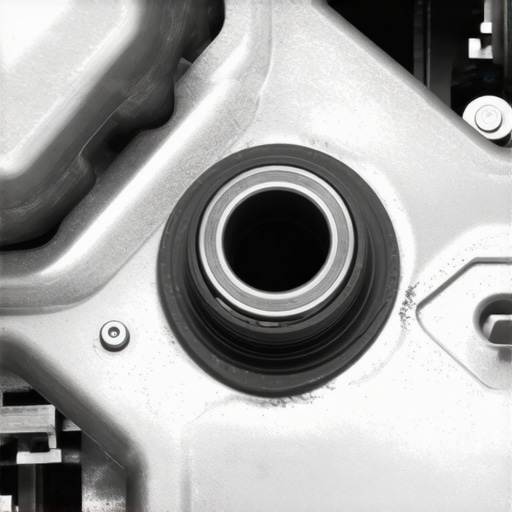
I remember the day I first noticed that faint oil scent in my garage. It was a slow Sunday, and instead of relaxing, I was crawling under my old sedan trying to find the leak that seemed to appear out of nowhere. The worst part? I was certain I was doing everything right—regular oil changes, quality products, and even a recent gasket sealant. Yet, here I was, battling a mysterious seepage that threatened to turn into a costly repair.
Then, it hit me—the real story behind high-mileage oils and their effectiveness on aging gaskets. Like many car owners, I had believed that simply switching to high-mileage oil would save me from gasket leaks and engine trouble. But as I dug deeper, I realized there’s much more at play.
Today, I want to share insights from my personal journey and help you understand what’s really happening with your vehicle’s seals and the oils designed for older engines. We’ll explore common misconceptions, the actual role of high-mileage oils, and practical steps to prevent those pesky seepages from ruining your day.
Why High-Mileage Oil Might Not Be the Magic Fix You Think
Many drivers, myself included early on, believe that switching to high-mileage oil is a guaranteed solution for gasket leaks and engine sealing issues. Manufacturers promote these oils as specially formulated blends that can rejuvenate aging seals and stop leaks cold. But the truth is, the effectiveness of high-mileage oil depends heavily on the condition of individual gaskets and the underlying causes of seepage.
In my experience, relying solely on high-mileage oil without addressing other issues—like worn-out gaskets or improper engine maintenance—is like putting a band-aid on a sinking ship. According to automotive experts, many leaks are caused by gasket material degradation over time, which no additive or oil formula can fully reverse. Instead, these products can sometimes mask symptoms temporarily but might not resolve the root cause.
Early in my journey, I made the mistake of assuming high-mileage oil would save me from gasket replacements. This misunderstanding led to wasted money and, ultimately, more leaks. I learned that understanding your engine’s specific needs and performing proper diagnostics is essential. For example, routine vehicle diagnostic checks can reveal if a gasket is beyond saving or if other issues are at play. You can find helpful tips on decoding vehicle diagnostics at [this resource](https://repairmycarpro.com/decoding-vehicle-diagnostics-what-your-car-is-trying-to-tell-you).
Now, if you’ve been battling mysterious oil spots or a sudden increase in oil consumption, you’re not alone. But before automatically grabbing that high-mileage oil, consider whether your engine’s seals are actually the problem, or if other repairs might be necessary. That’s exactly what I’ll guide you through next—how to identify the real cause and what steps can help you avoid unnecessary expenses.
If you’ve faced this frustrating dilemma, keep reading. We’ll look at practical ways to diagnose leakage issues and the best strategies to keep your engine running smoothly without falling for common misconceptions.
Start with a Visual Inspection
Before diving into complex diagnostics, perform a thorough visual check of your engine bay. Look for fresh oil spots, crusty deposits, or wetness around gaskets and seals. Use a flashlight if needed and clean the engine surface to get a clear view. I once found a tiny leak that was hard to spot until I wiped away grime, revealing a cracked valve cover gasket.
Check Oil Levels and Condition
Use your dipstick to verify oil levels and assess oil quality. Low or dirty oil can worsen gasket leaks. Replace old oil if it looks sludge-like, which can cause seals to harden and crack. While an oil change might seem simple, it plays a vital role in maintaining engine health and can sometimes highlight leaks if oil levels drop rapidly after topping up.
Monitor Oil Consumption Over Time
Track how much oil your vehicle uses between changes. Excessive consumption indicates significant leaks or burning oil, often due to gasket failure. Keep a log to identify patterns. I noticed I needed to add oil every few hundred miles, prompting me to inspect seals more closely.
Perform a Leak Detection Spray Test
Apply a soap-water solution or commercial leak detector around gaskets and seals while the engine is running. Bubbles forming signify active leaks. For a more advanced approach, consider a UV dye oil additive and a UV light to pinpoint leaks precisely. I used this method to find a tiny rear main seal leak, which was previously hidden.
Use Vehicle Diagnostics Tools
Modern cars can benefit from onboard diagnostic scans. Check engine codes related to oil pressure or leaks using an OBD-II scanner. For deeper insights, professional diagnostic equipment can analyze sensor readings, revealing if a sensor falsely indicates a leak or if a mechanical seal is compromised. I once connected a scanner and discovered a faulty oil pressure sensor mimicking a leak warning.
Inspect Gaskets and Seals Systematically
Remove engine covers if necessary and examine key points such as valve cover gaskets, oil pan seals, and timing cover seals. Look for hardened or cracked rubber and brittle gasket material. If you notice damage, plan for replacement. I replaced a faulty valve cover gasket myself—remember, proper torque and sealant application are crucial, can save money, and prevent future leaks. Consult a trusted mechanic if unsure, or explore detailed repair strategies at Auto Repair Hacks.
Perform a Smoke Test for Hidden Leaks
A professional mechanic may perform a smoke test, introducing non-flammable smoke into the engine’s vacuum system to identify hard-to-see leaks. This method finds tiny cracks or degraded seals escaping unseen. If you suspect hidden leaks, consider scheduling a professional inspection—it’s a small investment for peace of mind.
Replace or Repair Damaged Components
Once identified, replace the worn-out gasket or seal. Ensure proper cleaning of mating surfaces before reinstallation to prevent future leaks. Use manufacturer-recommended torque settings and sealants if needed. Remember, a properly installed gasket protects your engine and prolongs its life. Regular inspections and proactive maintenance are your best defense against costly repairs.
For detailed auto repair strategies, visit Top Auto Repair Tips or consult specialist services at Contact Us.
Many car owners believe that basic knowledge suffices for effective vehicle repairs and maintenance, but the reality is far more nuanced. Often, they fall prey to common myths that lead to costly mistakes and missed opportunities for true vehicle longevity. For instance, a widespread misconception is that regular oil changes alone guarantee engine health. While crucial, the type of oil, proper fill levels, and correct change intervals are equally vital considerations that many overlook. Choosing conventional oils over synthetic varieties without understanding your engine’s demands can cause accelerated wear, contradicting the very purpose of routine oil maintenance.
Another trap involves brake service, where drivers often assume that aggressive braking wears out pads uniformly. In practice, uneven brake pad wear can indicate issues like sticking calipers or warped rotors, which if ignored, compromise safety and escalate repair costs. Relying solely on brake fluid flushes without inspecting the entire braking system can mask underlying problems. Regular diagnostics and system checks, including understanding brake pad thickness and rotor condition, are essential to prevent safety hazards.
What most drivers fail to realize is that vehicle diagnostics go beyond simple code scans. Modern cars are equipped with a complex network of sensors and modules, and interpreting these signals correctly demands advanced knowledge. For example, a failed O2 sensor might not trigger a check engine light immediately but could cause subtle performance decline and increased emissions. Experts emphasize that integrating advanced diagnostics helps catch issues early, saving money and prolonging vehicle life. Check out this comprehensive guide on how advanced diagnostics prevent costly breakdowns.
Being aware of these nuances can significantly change the maintenance game. A common mistake is to treat symptoms rather than underlying causes. For example, replacing a seemingly faulty alternator without confirming its actual failure can lead to unnecessary expenses. Instead, performing targeted tests, like checking battery voltage or inspecting wiring, provides clarity and prevents unnecessary part replacements.
To deepen your understanding and avoid these pitfalls, explore resources that demystify vehicle systems. For instance, detailed explanations of auto diagnostics, failures, and repair strategies can empower you to make informed decisions. Visit Decoding Vehicle Diagnostics for expert insights or Top Auto Repair Tips to extend your vehicle’s lifespan.
Remember, understanding the intricacies of vehicle maintenance isn’t just for mechanics. As a responsible car owner, developing this knowledge helps you avoid common pitfalls, save money, and ensure safety on every trip. Have you ever fallen into this trap? Let me know in the comments.
Keep It Running: The Tools That Make a Difference
Maintaining your vehicle efficiently isn’t just about knowledge—having the right tools can dramatically improve your ability to diagnose, repair, and keep your car in top shape. From basic equipment to advanced diagnostic systems, each plays a vital role in ensuring longevity and safety.
Invest in a Quality OBD-II Scanner
One of my personal essentials is a reliable OBD-II scanner. This device connects to your car’s port and instantly reveals trouble codes—saving you time and money. I personally use the decoder that offers in-depth insights because it allows me to interpret data quickly and accurately, especially when diagnosing mysterious misfires or sensor faults. As cars evolve, so do the tools; expecting future diagnostics to include more real-time sensor integrations, making advanced scanners even more invaluable.
Use a Digital Torque Wrench
Proper torque application prevents gasket over-tightening or under-tightening, which can cause leaks or component failure. I recommend a digital torque wrench for precision, especially during brake component installation or oil drain plug tightening. This ensures you meet manufacturer specs, which can be found in the maintenance manuals, reducing the risk of damage and extending your repairs’ lifespan.
Employ Leak Detection Foams and UV Dyes
When chasing oil or coolant leaks, specialized leak detection solutions are my go-to. Applying UV-dye with a UV flashlight makes hidden leaks visibly clear, especially for seals that are nearly impossible to find otherwise. This method reduces guesswork and speeds up repairs. I’ve used this technique successfully to pinpoint rear main seal leaks, saving hours of undirected effort.
Get Quality Hand Tools and Sealant Applicators
Don’t underestimate the importance of durable hand tools: screwdrivers, pliers, and sealant guns. Investing in high-quality, ergonomically designed tools minimizes user fatigue and offers more control. For gasket repairs or oil pan replacements, good sealant applicators ensure even coverage, preventing future leaks—something I learned firsthand during my gasket replacements.
Looking Ahead: The Future of Maintenance Tools
The trend points toward smarter, interconnected diagnostic systems integrated with mobile apps, guiding even amateurs through complex repairs. As AI and machine learning become more integrated into vehicle diagnostics, we’ll see tools that not only identify problems but also suggest optimal repair strategies based on vast data sets. Embracing these innovations now will position you ahead in vehicle care.
How do I maintain tools for long-term use?
Proper care extends your tools’ lifespan. Clean tools after every use, lubricate moving parts, and store them in dry, organized cases. Regular calibration of electronic equipment like torque wrenches and scanners is crucial—many manufacturers offer calibration services. Keep a maintenance log for your tools, and replace worn parts promptly. This routine ensures your tools remain precise and reliable when needed most. For more detailed strategies, check out auto repair strategies for frequent drivers.
Don’t hesitate to try using a UV dye for your next leak hunt—it’s surprisingly affordable and effective at revealing those sneaky seals. Having the right equipment isn’t just about convenience; it’s about empowering yourself to perform reliable, long-lasting repairs that keep your vehicle running smoothly for miles to come.
Lessons That Changed My Approach to Car Care
The most profound realization I had was that true vehicle longevity depends less on quick fixes and more on understanding your car’s unique story. For example, I once ignored subtle oil consumption signs, thinking a simple top-up would suffice. That oversight taught me to pay closer attention to patterns rather than isolated incidents.
Another key lesson was recognizing that not every leak is a gasket needing replacement. Sometimes, tiny cracks or degraded seals can be fixed with targeted repairs, saving me from costly overhauls. This insight urged me to embrace patience and thorough diagnostics instead of jumping to conclusions.
Additionally, I learned the importance of investing in proper tools and knowing their limit. Relying solely on basic equipment limited my ability to diagnose complex issues, pushing me to explore precision tools like UV dyes and advanced scanners, which have been game-changers for accurate repairs.
Tools and Resources That Elevated My Auto Repair Knowledge
My go-to resource has become Decoding Vehicle Diagnostics. It bridged the gap between generic advice and real-world troubleshooting, empowering me to interpret signals directly from my vehicle’s system.
The Auto Repair Hacks book provided practical strategies that I could implement without a garage full of expensive equipment. It boosted my confidence, especially during gasket replacements and leak detections.
I also rely on a good modern oil change tech. Innovations like synthetic blends and dedicated cleaners help extend oil lifespan and protect aging seals, aligning with my goal of maintaining engine health longer.
Finally, online forums such as dedicated automotive communities offer real-time support and diverse experiences, reminding me that learning from others’ challenges can prevent my own costly mistakes.
Your Next Step in Vehicle Confidence Begins Today
Remember, mastering vehicle diagnostics, oil care, and leak prevention isn’t about becoming a mechanic overnight. It’s about embracing curiosity, arming yourself with knowledge, and understanding that every mile driven is an opportunity to learn. Each small repair or inspection is a step toward greater independence and safety on the road.
If you’re ready to dive deeper, start with trusted resources, invest in the right tools, and don’t hesitate to seek expert advice when needed. Your vehicle has a story—make sure you’re the one truly understanding it. Are you ready to take control of your auto care journey? Share your experiences or questions below; I’d love to hear what’s been your biggest lesson so far.