
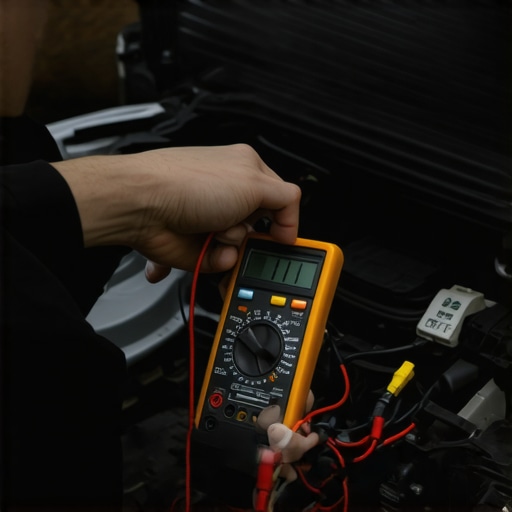
Ever been stranded on the side of the road, frustrated because your car suddenly stalls or the electrical components act up? I remember one chilly morning, my engine sputtered to a halt just a mile from home. It was a real lightbulb moment for me—realizing that sometimes, we don’t need high-tech gadgets to diagnose certain car problems. Instead, a bit of homemade troubleshooting can save you time and money.
Why Knowing How to Test Your Alternator Matters
Most folks think testing an alternator requires expensive equipment and a trip to the mechanic. But if you’ve been noticing dim lights, a dead battery, or weird electrical glitches, your alternator might be the culprit. And here’s the kicker—about 80% of car breakdowns related to charging system issues can be diagnosed with simple at-home checks, according to automotive experts. That’s a game-changer, especially if you prefer to handle minor repairs yourself or want to confirm a problem before shelling out for professional diagnostics.
Now, I’ll admit, I made a costly mistake early on: relying solely on my dashboard warning lights, which can sometimes be misleading. That taught me the importance of understanding your vehicle’s behavior through basic tests and observations. Trust me, being able to perform a quick check or two can make a huge difference when your car’s acting up. So, today, I’ll walk you through how I learned to do just that—without special tools—and how you can do the same.
Have you ever had to diagnose your car’s electrical issues without fancy equipment? If so, I’d love to hear your story—and if not, stick around. What you’ll learn today could help you save a lot of hassle next time your vehicle shows signs of charging problems.
Ready to dive into the practical steps? Let’s get started with a simple, effective way to get a pretty good idea if your alternator might be on its way out—using just your eyes, a voltmeter (which you can get cheaply), and a bit of patience. Keep reading, and I’ll show you how I managed to do it myself—and how you can, too. For more tips on vehicle diagnostics, check out this guide.
Check Your Battery Voltage First
Before diving into the alternator test, verify your battery’s health as it directly influences your readings. Use a multimeter set to 20V DC and place the probes on the battery terminals—red to positive, black to negative. A healthy battery should read around 12.6 volts when the car is off. If it’s significantly lower, consider charging or replacing your battery before testing the alternator, as a weak battery can give false negatives in your diagnosis.
Start the Engine and Measure Voltage Again
With the engine running, recheck the voltage at the battery terminals. The voltage should now read between 13.8 and 14.4 volts if the alternator is charging properly. Think of the alternator as a water pump; when it runs correctly, it ensures the electrical system gets a steady flow. If the voltage remains below 13.8 volts, it indicates your alternator might not be functioning well, similar to a water pump struggling to move water through a hose.
Perform a Load Test to Confirm
Turn on major electrical components—headlights, A/C, radio—and observe the multimeter. The voltage should stay within the 13.8 to 14.4-volt range. A sharp drop below 13 volts during this load suggests the alternator isn’t supplying enough power, similar to a weak water pump failing to keep water pressure under demand. If you notice such a drop, it’s time to consider the alternator as a potential culprit.
Listen for Unusual Noises and Inspect Connections
While testing, listen for whines or grinding sounds from the alternator area, which could indicate bearing failure or belt issues. Also, visually inspect the alternator’s belt and wiring. Loose or corroded connections can mimic failure signs, much like a clogged pipe looks fine but isn’t delivering water effectively. Ensuring tight, clean connections can sometimes resolve low output issues without replacing parts.
Apply the ‘Simple Multimeter Test’ for Quick Confirmation
Unscrew the alternator’s electrical connection and connect your multimeter’s negative lead to the battery negative terminal. Use the positive lead to test between the alternator’s output terminal and the ground. A reading close to battery voltage confirms the alternator’s output circuit is working; discrepancies point toward a problem in the wiring or the alternator itself. Think of this as testing the flow directly at the water pump outlet—if water isn’t flowing here, there’s a system-wide issue.
Note Your Findings and Decide Next Steps
Document your voltage readings and observations. Consistent low voltage, voltage drops under load, and abnormal sounds all suggest that your alternator might need professional attention or replacement. Keep in mind, this DIY approach isn’t foolproof, but it provides valuable initial insights, saving you time and money. For comprehensive vehicle diagnostics, exploring advanced diagnostic techniques can prep you for more complex issues.
In the world of auto repair, many car owners operate under misconceptions that can lead to costly mistakes. While basic maintenance like oil changes and brake service are straightforward, there are nuanced details and common myths that often trip up even seasoned DIY enthusiasts. Let’s explore some of these pitfalls and clarify what really matters behind the scenes.
Myth: All Brake Pads Wear Out Uniformly
Contrary to popular belief, brake pad wear isn’t always even. Factors such as uneven rotor surface, caliper sticking, or contaminated brake fluid can cause asymmetric wear patterns. Relying solely on visual cues might mislead you into unnecessary replacements. To avoid premature brake pad replacement, it’s wise to check the entire brake assembly and consider a comprehensive brake service if uneven wear is evident. Remember, a well-maintained braking system isn’t just about pads—they’re part of a complex system requiring nuanced inspection.
Common Oversight in Oil Changes
Many assume that changing oil and the oil filter is a quick task, but overlooking proper oil lifespan and using the right type can damage your engine long-term. Modern oil change techniques involve selecting synthetic versus conventional oils, considering driving habits, and adhering to manufacturer recommendations. Skipping these details can accelerate engine wear or lead to sludge buildup. It’s not just about swapping oil—it’s about understanding your engine’s specific needs and the latest advancements that extend its lifespan.
Is the Diagnostic Process Always Accurate? An Overlooked Complexity
Vehicle diagnostics are often seen as foolproof, especially with advanced scanner tools. But in reality, relying solely on code readers can cause you to miss underlying issues. For example, a misfire code may lead you to replace a spark plug, but the root cause could be a failing fuel injector or vacuum leak. Proper diagnostics involve interpreting data correctly and knowing when to look for hidden causes. According to automotive experts, combining scanner data with physical inspection yields the most reliable results. For in-depth insights into troubleshooting, check out how advanced diagnostics can prevent breakdowns. Have you ever fallen into this trap? Let me know in the comments.
Understanding these nuanced aspects of auto repair can save you money and extend your vehicle’s life. Don’t fall for oversimplified myths or shortcuts—invest time in learning what really impacts vehicle longevity. Whether it’s inspecting brake components thoroughly, choosing the right oil technology, or interpreting diagnostic codes wisely, these details make all the difference. For more advanced tips, explore top auto repair tips that emphasize quality over quick fixes.
Tools I Recommend for Consistent Auto Care
Maintaining a vehicle over time requires reliable equipment that offers precision and durability. Personally, I swear by a high-quality digital multimeter like the Fluke 117, which provides accurate voltage readings crucial for diagnosing charging and electrical issues without guesswork. Its built-in flashlight and non-contact voltage detection make troubleshooting quick and safe, especially in tight engine bays. Additionally, I use a mechanic’s stethoscope to pinpoint unusual noises from parts like the alternator or transmission—small investments that save hours of guessing work. For oil changes, I prefer a synthetic oil filter like the Bosch Durapower, known for its superior filtration and longevity, directly translating into engine health. When inspecting brake systems, I make sure to have a brake caliper hang tool handy; it’s essential for safely compressing calipers during pad replacements, ensuring proper brake contact and longevity.
Future of Maintenance Tools and Techniques
As automotive technology evolves, so do our maintenance tools. I believe augmented reality (AR) diagnostic systems will become standard, overlaying real-time data or repair guides directly onto the engine components through smart glasses—imagine holding a wrench while a virtual assistant highlights the exact bolt to unscrew. These innovations will streamline repairs, especially with vehicles featuring complex electronics. Meanwhile, software updates, like those offered through OEM-specific diagnostic platforms, will continue to improve, allowing DIY enthusiasts and professionals alike to troubleshoot more accurately, saving time and money. Staying abreast of these advancements ensures you’re prepared for the next level of vehicle maintenance.
How do I maintain vehicle diagnostics over time?
Regular calibration of your diagnostic tools is vital to maintain accuracy. For example, testing your multimeter against a known voltage source every few months ensures your readings remain precise. Also, updating your vehicle’s diagnostic software linked to your scanner can help catch new codes or system-specific issues, preventing small problems from escalating. Keeping your vehicle’s electronic systems clean and free from corrosion, especially around sensors and connectors, preserves the integrity of signals—akin to maintaining clean contact points in electronic devices. Consistently reviewing the manufacturer’s recommended service intervals for fluids, filters, and belts—considering innovations like synthetic oils and advanced coolant formulas—also contributes to long-term performance. For a comprehensive approach, visit this guide on vehicle diagnostics.
Maximizing Long-Term Results with Routine Checks
Implementing a proactive schedule of visual and functional inspections helps catch issues early. I recommend setting monthly reminders to check tire tread wear, fluid levels, belt conditions, and brake function—simple steps that prevent costly failures. Using a borescope camera, like the Depstech Endoscope, has been a game-changer for inspecting inaccessible engine compartments or behind panels without dismantling large sections. These gadgets allow me to spot leaks, corrosion, or damaged wiring early, boosting reliability and safety. Moreover, investing in a quality jump starter with integrated diagnostics, such as the NOCO Boost XL, provides peace of mind during cold mornings or longer trips. These tools encapsulate preventive maintenance, averting breakdowns before they occur.
Scaling Up Maintenance Efforts
As your vehicle ages or your fleet grows, automating scheduled diagnostics becomes invaluable. Software solutions like AutoEnginuity or OBDLink can integrate with digital dashboards, reminding you of service intervals tailored to your specific vehicle models. For commercial or high-mileage vehicles, consider installing remote monitoring systems that alert you instantly to abnormal engine parameters, so you can address problems remotely or before the vehicle reaches critical failure. This approach not only saves costs but also enhances safety and operational efficiency. Adapting your maintenance strategies with these advanced tools ensures longevity and optimal performance, even as your vehicle needs evolve.
Remember, staying current with diagnostic technology, like reading how vehicle diagnostics work, empowers you to perform effective upkeep. Why not try out a diagnostic scan on your car this week and see what insights you can uncover? A small investment of time and a quality tool can make a world of difference in your auto maintenance routine.
Lessons from the Garage: The Hidden Truths About Auto Maintenance
Beyond the common advice lies a world of nuanced insights I’ve gathered through hands-on experience. One of the biggest lessons was realizing that trusting dashboard warning lights alone can sometimes lead to unnecessary repairs or overlooked issues. Paying attention to subtle signs, like changes in how your car sounds or feels during a drive, often reveals more than a quick code scan. Embracing patience and curiosity instead of rushing to replace parts has saved me both money and frustration.
Another lightbulb moment was understanding the importance of regular, simple checks. For instance, inspecting your battery connections and belts periodically can prevent unexpected failures. These small steps, combined with basic voltage testing I now do with a budget multimeter, give me confidence that I can diagnose many issues early on. This proactive approach turns car care from daunting to empowering, especially for those of us who prefer DIY solutions over costly service visits.
Tools and Resources That Changed My Repair Routine
Over time, I found that investing in quality tools, like a reliable digital multimeter (I recommend the Fluke 117), makes all the difference in accurate diagnostics. Having a good set of wire brushes and a mechanic’s stethoscope also allows me to pinpoint problems more efficiently. For learning, I turn to authoritative sources such as comprehensive brake service guides and latest oil change technologies. These trusted references have broadened my understanding and helped me make smarter maintenance decisions.
Charge Your Confidence: Your Turn to Tackle Auto Care
Auto repairs and diagnostics might seem intimidating initially, but with the right mindset and tools, you can become more self-sufficient. Remember, performing simple tests like checking your alternator’s output or inspecting connections can prevent breakdowns and extend your vehicle’s life. Every small step you take builds your confidence and knowledge, turning car maintenance from a chore into a rewarding hobby. Why not pick a task this week—like testing your battery voltage—and see what insights you discover? Share your experiences below or ask for tips; our community learns together. The journey toward mastering auto diagnostics starts with a single, confident step, and I believe you’re ready.