
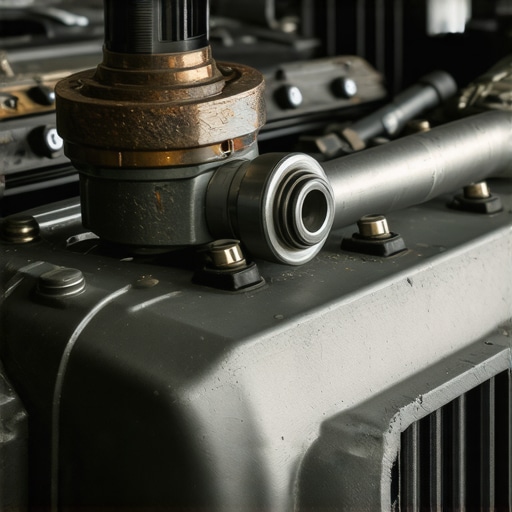
I remember the first time I really paid attention to my car’s quirks. It was during a hectic morning when my vehicle suddenly hesitated, sputtered, and struggled to accelerate. Despite a recent oil change and routine inspections, something felt off. That lightbulb moment led me down a rabbit hole of auto diagnostics that most shops overlook, especially when it comes to fuel pressure regulators. You see, this tiny component can wreak havoc on your engine’s health without obvious symptoms, and surprisingly, many mechanics miss the telltale signs.
Why Your Car’s Performance Might Be Lying About the Real Problem
Ever experienced a check engine light that comes and goes? Or maybe your car runs smoothly for weeks, then suddenly stalls or loses power without warning. These aren’t just nuisances—they’re signals from your vehicle hinting at deeper issues. One of the most overlooked culprits is a failing fuel pressure regulator. When it starts to fail, it can cause inconsistent fuel delivery, leading to misfires, poor acceleration, and even long-term engine damage if ignored. The kicker? Most repair shops focus on obvious issues like spark plugs or air filters and miss this subtle but critical component.
Is This Your Car’s Silent Enemy?
Early mistakes, like assuming misfires are always spark plug related, led me to overlook the fuel pressure regulator in my own car. It wasn’t until I learned about how this part controls fuel pressure that I realized what was happening. This oversight can cost you dearly—ranging from inefficient fuel economy to costly engine repairs down the road. According to industry experts, issues stemming from a faulty fuel regulator can sometimes mimic more common problems, which makes detecting it tricky but essential. If your vehicle exhibits symptoms like sudden power loss or fluctuating RPMs, it’s worth investigating this component.
Are you currently facing unexplained performance issues or just want to prevent future breakdowns? Keep reading. We’re about to unpack how to identify the sneaky symptoms of a failing fuel pressure regulator before you end up stranded. For general auto health tips, I recommend checking out top auto repair tips that can help you stay ahead of costly repairs. Now, let’s get into the practical steps that can save your engine and your wallet.
Start with Visual Inspection
Begin by opening your vehicle’s hood and visually inspecting the fuel pressure regulator and its associated hoses for leaks, cracks, or signs of wear. I recall a time when I noticed a faint gasoline smell near the engine; a quick inspection revealed a cracked vacuum hose connected to the regulator, which I replaced to restore proper fuel pressure.
Check for Warning Signs on the Vehicle
Next, pay attention to symptoms like erratic idling, frequent stalling, or inconsistent acceleration. During my personal experience, I noticed my car sputtering at highway speeds, which prompted me to perform a more detailed diagnostic. These cues often point toward fuel delivery issues arising from a faulty regulator.
Use a Fuel Pressure Gauge
Connect a fuel pressure gauge to the Schrader valve on your fuel rail. Ensure the engine is off before attaching the gauge, then turn the ignition on without starting the engine. Observe the pressure reading; compare it to your vehicle’s specifications found in the service manual. I once borrowed a gauge from a friend, and measuring my fuel pressure highlighted that my regulator was not maintaining proper pressure, leading me to replace it.
Follow the Test Procedure
With the engine running, note the stabilized pressure. Turn off the engine and disconnect the vacuum hose from the regulator—if the pressure drops significantly or fluctuates, it indicates a faulty regulator. In my case, disconnecting the hose caused a sudden drop in pressure, confirming the regulator’s failure. To learn more about advanced diagnostic techniques, check out advanced vehicle diagnostics.
Perform a Vacuum Test
Use a vacuum pump to apply suction to the vacuum port on the regulator. Watch the fuel pressure gauge; it should hold steady. If it drops quickly, the regulator may be failing. I once tested mine this way, and the pressure rapidly decreased, revealing a defective diaphragm inside the regulator. Regularly performing these tests can prevent you from being stranded due to fuel system issues.
Inspect the Fuel Pressure Regulator Internally
In some cases, removing the regulator for internal inspection is necessary. This involves disconnecting it from the fuel rail and physically examining the diaphragm for tears or signs of deterioration. I tackled this task after reading about common internal failures and found small cracks in my regulator’s diaphragm, which was causing inconsistent fuel pressure.
Replace the Fuel Pressure Regulator
If tests indicate failure, replacing the regulator is the logical step. Ensure you use an OEM or high-quality aftermarket part. When I replaced my regulator, I also took the opportunity to replace associated O-rings to prevent leaks. For detailed guidance, many tutorials and repair manuals provide step-by-step instructions for your specific vehicle model.
Verify Repair Effectiveness
After installation, repeat the fuel pressure tests to ensure proper pressure levels. Also, monitor vehicle performance during road testing. In my experience, after replacing the regulator, my car ran smoothly, and the symptoms were resolved. Implementing these steps can save you significant money and prevent engine damage in the long run.
When it comes to auto repair, there’s a pervasive myth that sticking solely to the basics guarantees vehicle longevity and safety. Everyone emphasizes regular oil changes, brake inspections, and engine tune-ups. While these are essential, many car owners overlook the intricate nuances that can make or break a repair’s success. In my experience as an auto enthusiast, understanding these subtleties can save you money and prevent future headaches.
Why Most People Overlook Calibration and Advanced Diagnostics
A common misconception is that once a mechanic resets the check engine light, the problem is solved. However, this approach often ignores the complex diagnostics necessary for accurate troubleshooting. For example, modern vehicles depend heavily on sensor calibrations and precise electronic adjustments. Without probing deeper into these aspects, minor issues can silently worsen, leading to costly repairs later. Industry experts stress the importance of advanced diagnostics in preventing breakdowns, as detailed in this guide.
The Oops Factor: Falling for Simplistic Fixes
One trap many fall into is the tendency to replace parts based solely on symptoms rather than root cause analysis. For instance, replacing a noisy pulley without inspecting the belt tensioner or tensioner pulley can result in recurrent noise and wasted money. It’s a common mistake that can be avoided with a systematic approach to diagnostics, which involves checking interconnected components. Skipping this holistic view often leads to repeat repairs and overlooked origins of the problem.
Additionally, when considering services like brake repair, many assume that noise always indicates worn pads. While that’s sometimes true, in many cases, uneven rotor surfaces, caliper issues, or even contaminated brake fluid contribute to symptoms. For comprehensive safety, inspecting the entire brake system is essential, as explained in this detailed resource.
Advanced Mistakes That Can Cost You
Neglecting routine fluid analysis is another subtle error. Testing oil, coolant, and transmission fluid can reveal early signs of component wear before catastrophic failure. For example, oil analysis can detect metal particles indicating bearing wear, a nuance most neglect until it’s too late. This minor step can alert you to issues hidden beneath the surface, saving hundreds on repairs. Embracing these practices aligns with the advice in auto repair hacks.
Tell-Tale Signs That Require Deeper Inspection
If you’re experiencing intermittent performance issues or subtle shifts in vehicle behavior, don’t settle for superficial fixes. Instead, seek comprehensive diagnostics that probe beyond the obvious. Modern diagnostic tools can read complex error codes and sensor data that reveal hidden faults. Remember, this level of analysis is what differentiates an average mechanic from an auto repair expert. Knowing when to push for these advanced checks is vital; it can be the difference between being stranded and maintaining a smoothly running vehicle.
Have you ever fallen into this trap? Let me know in the comments. Mastering these nuances not only preserves your car’s health but also sharpens your understanding of automotive care. Stay informed, ask questions, and don’t shy away from demanding deeper diagnostics for peace of mind and savings.
Keep Your Vehicle Running Smoothly with the Right Tools
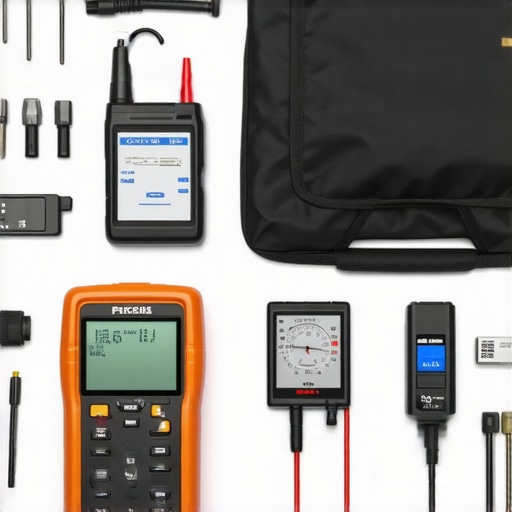
Maintaining your vehicle over time requires more than just basic knowledge—it demands the right equipment and a systematic approach. As someone who regularly performs diagnostics and repairs, I swear by specialized tools that save time and increase accuracy. One essential device I rely on is a high-quality scan tool like the BlueDriver Bluetooth Professional. This wireless OBD2 scanner connects seamlessly to my smartphone and provides comprehensive error code readings, live data, and manufacturer-specific definitions. Unlike generic code readers, BlueDriver ensures I catch issues early, especially persistent sensor faults that trigger tricky error codes.
Alongside diagnostic tools, I use a fuel pressure gauge for precise readings during fuel system diagnostics. My favorite is the In-Line Fuel Pressure Tester with a digital display—compact, accurate, and easy to read. This gauge helps me verify fuel regulators or check for pressure inconsistencies without needing to visit a shop. Performing tests at home with this equipment provides a clear picture of your vehicle’s health, preventing costly repairs down the line.
Automate and Simplify with Data Logging Software
To keep long-term tabs on my vehicle’s performance, I utilize data logging software such as BestAutoLog. This program collects real-time data from my scan tool and stores it for trend analysis. Spotting patterns, like gradual pressure drops or sensor drifts, helps me address issues before they escalate. As diagnostics technology advances, integrating such software will become indispensable for proactive vehicle maintenance.
In the future, I predict integrated diagnostic systems will further automate vehicle health monitoring. Imagine receiving alerts on your smartphone before symptoms even arise—saving you from breakdowns and expensive repairs. Embracing these tools now prepares you for that evolving seamless experience.
How do I maintain diagnostic accuracy over time?
Regular calibration of your diagnostic tools is crucial. For instance, I routinely verify my fuel pressure gauge against a known reference to avoid measurement drift. Keeping software updated ensures compatibility with newer vehicle models and diagnostic protocols. Additionally, periodic cleaning and proper storage of tools prevent wear and inaccuracies. By maintaining these routines, I ensure my diagnostic efforts remain precise and effective, ultimately extending my vehicle’s lifespan.
Don’t forget, combining the right tools with consistent practices makes a meaningful difference. For an overview of effective auto maintenance strategies, check out top auto repair tips. Ready to elevate your maintenance game? Try calibrating your fuel pressure gauge using a known reference, and see the difference accurate readings can make in diagnosing subtle issues.
Over time, I realized that some of the most impactful lessons in auto repair come from unexpected mistakes and deep personal insights. One of my biggest revelations was understanding the intricate dance between fuel pressure regulators and engine health. This tiny component often hides behind the scenes, yet it can cause disruptive symptoms that mimic more common problems, leading me to question conventional troubleshooting methods.
What I Wish I Knew Before Relying on Surface-Level Fixes
- Trusting superficial symptoms without diving into diagnostic tests can prolong repairs and mask root causes. My first instinct was to replace spark plugs or clean injectors, but these quick fixes seldom addressed the real issue—faulty fuel pressure regulation.
- Advanced diagnostics, like fuel pressure testing, revealed internal diaphragm tears that static inspections missed. Embracing tools like a high-quality fuel gauge changed my approach to diagnosing subtle fuel delivery problems.
- Many auto owners overlook the importance of sensor calibration and electronic diagnostics, which can lead to recurring issues despite part replacements. Learning to interpret complex error codes can save you both time and money.
- Properly maintaining and periodically inspecting components like vacuum hoses connected to regulators prevents small cracks from escalating into major repairs. Prevention, as always, beats cure in auto maintenance.
- Understanding the interconnectedness of vehicle systems is crucial. Ignoring the fuel system’s nuances can cause misfires, stalling, and performance drops that seem unrelated at first glance.
My Go-To Tools That Make a Difference
- Car diagnostics scanners like the BlueDriver Bluetooth Professional provide real-time data and deep error insights, which I highly trust for accurate diagnoses.
- A digital fuel pressure gauge has become indispensable—simple to use and incredibly revealing when pinpointing fuel system faults.
- Diagnostic software such as BestAutoLog helps me track vehicle trends over time, catching issues before they turn into breakdowns.
- Regular calibration and maintenance of these tools ensure I maintain diagnostic accuracy, preventing measurement drift and false positives.
Fuel Up Your Knowledge and Cut the Guesswork
Auto diagnostics is a blend of art and science. The more I learn about intricate components like the fuel pressure regulator, the better I become at preemptively catching problems. Combining professional-grade tools with ongoing education—such as reading industry guides or participating in online forums—has transformed my approach from reactive to proactive. Remember, understanding hidden vehicle issues not only prolongs your car’s lifespan but also gives you peace of mind on the road.
Are you ready to take your diagnostic skills to the next level? When was the last time you really checked your fuel system beyond the basics? Share your experiences below or ask questions—I’m here to help you navigate these technical waters with confidence.