
There I was, sweating inside my parked car on a scorching summer day, when I suddenly heard it—the unmistakable, groaning moan from my power steering. At first, I thought it was just a sign of a looming repair bill, and honestly, it felt like a punch to my budget. But what really hit me was how something so seemingly minor could drag down my driving comfort and confidence. That lightbulb moment made me realize: I wasn’t just dealing with a noise—I was ignoring a warning sign that could spiral into costly repairs if left unchecked.
Getting to the Root of the Power Steering Moan
Is a Cheap Plastic Part Really Wrecking Your Power Steering?
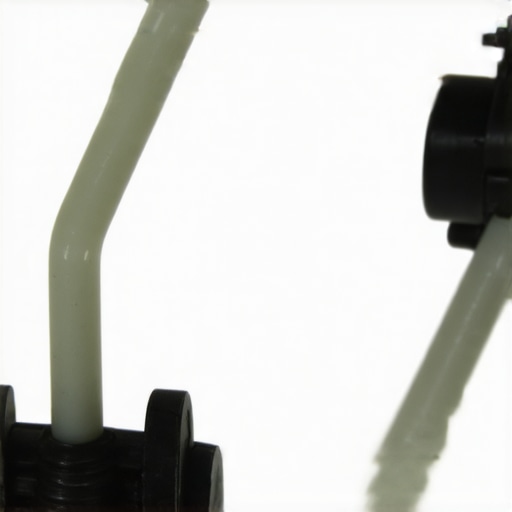
One thing I learned early on is that the culprit wasn’t always the expensive components I feared. Sometimes, a tiny, inexpensive plastic part—like a reservoir cap or a small seal—can be the sneaky reason behind that grating sound. In my case, a worn-out plastic bracket was causing a minor leak, making the power steering fluid cavitate and produce that annoying moan. It’s easy to dismiss these small issues as nothing, but neglecting them can cause your system to work harder than it should, leading to premature wear and tear.
On top of that, I made the mistake of assuming that all squeals and groans meant major overhauls. In fact, many times, a simple plastic clip or a tiny O-ring can be replaced for less than five bucks—hence the title of this post. That’s right—just a few dollars and a quick fix can restore your steering’s quiet operation. If you want to skip the costly replacements, pay close attention to those little plastic parts. They may be tiny, but their impact is mighty.
What This Blog Will Cover
Today, I’m going to walk you through how I identified that troublesome plastic component and replaced it myself—saving me hundreds of dollars and days at the shop. We’ll cover the steps to diagnose whether the moan is coming from a worn part or fluid issue, how to source the right plastic component, and the easy DIY process to keep your steering smooth and quiet. Believe me, it’s easier than you think, and I’ll share tips from my own experience to help you avoid common pitfalls. If you’ve ever faced that frustrating power steering noise and wondered whether it’s worth calling a mechanic, stick around. You might just find that the fix is simpler—and cheaper—than you ever imagined.
Thinking about the cost? Studies show that DIY repairs for minor power steering issues can save drivers up to 70% compared to dealership prices (source). So, if you’re tired of that moan every time you turn the wheel, read on. We’ll get your steering whisper-soft again without draining your wallet.
Let’s dive into how I pinpointed the problem and tackled it head-on—your steering (and your sanity) will thank you!
Identify the Source of the Moaning Sound
Start by inspecting your power steering fluid level and condition—low or dirty fluid can mimic plastic part failures. Use a clean rag to wipe around the reservoir and look for leaks or debris. To locate the specific plastic component causing the noise, turn the steering wheel fully left and right while the engine is running—listen carefully for the moan’s change in pitch. During my experience, I noticed the noise intensified when I pressed the steering wheel at full lock, indicating a problem with parts in that area.
Access the Plastic Component Safely
Park your car on a flat surface, turn off the engine, and engage the parking brake. Wear gloves and eye protection. Remove the plastic splash shield beneath the engine bay using a socket set; this gives you clear access to the power steering reservoir and hoses. Carefully clean surrounding dirt to prevent it from falling into the system during disassembly. Remember, proper safety precautions prevent accidents and make the process smoother.
Remove and Examine the Plastic Part
Locate the suspect plastic piece—such as a reservoir cap, plastic clips, or seals. Use a plastic pry tool or small screwdriver to gently detach each component, noting their position for reinstallation. In my case, I found a cracked plastic bracket supporting a hose clamp. Gently pry it open, and observe for signs of damage like cracks, warping, or wear. Damaged plastic parts will often be brittle or deformed—if you see these signs, replacement is essential.
Source the Correct Replacement Part
Identify the part number on the damaged plastic piece or consult your vehicle’s manual. For a precise match, order from the original manufacturer or reputable auto parts stores—many online shops now offer compatible plastic clips or reservoir caps. Avoid generic parts that don’t fit well, as poor fit can cause leaks. I ordered my replacement from a trusted auto-parts website, which ensures compatibility and durability. Regularly updating your knowledge with resources like top auto repair tips can help you find the best parts and avoid unnecessary costs.
Replace and Secure the Plastic Components
Carefully install the new plastic part, ensuring it snaps or screws into place securely. Double-check that all connections are tight—loose fittings can cause leaks or noise. Reattach any hoses or clips, and ensure they seat properly. Use a torque wrench if specified, to avoid over-tightening. In my case, applying gentle pressure was sufficient; forcing the parts could cause further cracks or damage. Once assembled, refill the power steering fluid to the recommended level, and start the engine.
Verify the Repair Works
Turn the steering wheel fully from lock to lock several times to circulate the fluid and check for leaks or abnormal noises. If the moan has subsided, you’ve likely resolved the issue. If not, revisit the inspection to ensure all parts are correctly installed. Remember, maintaining your power steering system with attention to these small plastic parts can prevent more costly damage down the line—saving you time and money in the long run. Regular checks, like inspecting auto repair hacks, help catch issues early before they escalate.
Many automotive enthusiasts and even seasoned mechanics alike fall prey to certain misconceptions when it comes to brake service, auto repair, vehicle diagnostics, and oil changes. While surface-level advice is widespread, the real nuances often remain hidden, leading to costly mistakes and overlooked details. As someone deeply immersed in vehicle maintenance, I can tell you that understanding these subtle truths can make a significant difference in both safety and longevity of your vehicle.
Why the Biggest Myths About Brake Service Are Dangerous
A prevalent myth is that replacing brake pads once solves all issues. In reality, brake pads are just one piece of the puzzle. Many drivers neglect the importance of inspecting rotors, calipers, and brake fluid quality. The misconception that “brakes are simple” can lead to ignoring signs of uneven wear or subtle pulsing—indicators of deeper problems. For example, a warped rotor might not be immediately evident but can cause vibrations and compromised safety if left unchecked. To avoid this trap, comprehensive brake inspections are essential, and relying solely on pad replacements can be a costly mistake. Check out this guide to understand what really matters for brake safety.
Auto Repair That Looks Easier Than It Is — Beware of Oversimplification
Many automotive repairs are advertised as straightforward, but the devil is in the details. For instance, performing a simple oil change might seem like a quick task, but neglecting to check the oil drain plug thread condition or oil filter compatibility can cause leaks or engine damage. Moreover, assuming that a flashing check engine light always indicates a minor issue is fraught with danger. Sometimes, coded errors hide complex problems like sensor failures or wiring issues. Advanced diagnostics, such as advanced vehicle diagnostics, are invaluable in uncovering underlying causes that basic checks might miss. Always remember that rushing through repairs without proper diagnostics can backfire, leading to more expensive fixes later.
Vehicle Diagnostics Can Be Tricky
Many drivers believe that reading a code with their generic scanner is sufficient. However, this is a misconception rooted in the idea that an engine code always directly points to the faulty component. In reality, codes often require proper interpretation, considering the vehicle’s repair history, sensor interactions, and even environmental factors. For example, a reading from a mass airflow sensor might suggest a replacement, but without proper testing, you could replace a perfectly working sensor and still have the problem persist. This is where a deeper understanding of diagnostics, as detailed in decoding vehicle diagnostics, proves indispensable. It’s a nuanced skill that can save time and money, especially with complex issues that might otherwise lead you astray.
What About Oil Changes? The Needle in the Haystack
Oil changes are often treated as just a routine task, yet the nuances involved are often overlooked. For example, using the wrong oil viscosity, or neglecting synthetic oils when recommended, can accelerate engine wear. Additionally, failing to also inspect the oil draining process for debris or sludge buildup can mask underlying engine issues. Interestingly, recent studies show that the best oil change intervals are not always exactly what the manual states but should be tailored based on driving habits and conditions—something many overlook. Staying informed with latest oil change innovations can help you optimize your maintenance schedule, protecting your engine’s health.
In conclusion, the world of auto repair is layered with hidden nuances and misconceptions that can trip up even experienced owners. My advice? Always dig deeper, question assumptions, and consult comprehensive guides or professionals when in doubt. Remember, rushing or oversimplifying can cost you more in the long run. Have you ever fallen into this trap? Let me know in the comments and share your experiences. Let’s keep the conversation going and help each other make smarter vehicle maintenance choices!
How do I keep my vehicle running smoothly over time?
Maintaining your car’s health isn’t just about fixing issues as they arise; it’s about building a routine with dependable tools and practices that ensure longevity and reliability. One of my top recommendations is investing in a quality OBD-II scanner. Not all scanners are created equal; I personally rely on the advanced vehicle diagnostics tools that allow me to interpret complex trouble codes accurately. These devices help you catch small issues before they escalate, saving thousands in repairs long-term.
Pair your scanner with a digital multimeter. This instrument is invaluable for testing sensors, relays, and electrical connections—especially in the realm of auto diagnostics. I prefer models with auto-ranging capabilities because they reduce guesswork and provide quick, accurate readings. Regularly testing your car’s battery voltage or alternator output can prevent unexpected breakdowns, especially during extreme weather seasons.
For fluid maintenance, I use a
Don’t overlook the importance of alignment tools. Proper wheel alignment isn’t just about straight tires; it protects suspension components, improves fuel efficiency, and prevents uneven tire wear. Personally, I use a magnetic camber and caster gauge that makes alignment checks straightforward at home. This habit keeps my vehicle feeling responsive and reduces long-term repair costs.
What about future trends?
Looking ahead, I predict a sharp rise in smart diagnostic systems. Vehicles are becoming increasingly interconnected, offering real-time health reports via mobile apps. As these innovations become more affordable, owners will have unprecedented control over vehicle maintenance, enabling proactive care rather than reactive repairs. Staying informed about these tools will be crucial—regularly checking auto repair hacks can help you adopt the latest tech efficiently.
How do I maintain my vehicle’s health long-term?
Establishing a consistent routine of inspections and fluid checks, paired with the right diagnostic tools, can drastically reduce breakdown risks and repair costs. I encourage you to try my favorite tip: using a high-quality multimeter to routinely verify your battery and alternator health. It takes only moments but offers peace of mind knowing your essential electrical systems are in top shape, especially heading into winter or summer extremes.
Equipping yourself with these specific tools and a proactive mindset will ensure your vehicle remains dependable for miles to come. Remember, preventive care beats costly repairs—so invest in good equipment today and stay ahead of potential issues.
The Hidden Wisdom Behind Small Plastic Parts That Make a Big Difference
- My lightbulb moment was realizing that not all power steering moans come with a hefty price tag; sometimes, the culprit is a tiny plastic clip or seal worn out and easy to replace—saving me hundreds and keeping my drive smooth.
- It became clear that understanding the specific plastic components in my vehicle allowed me to act proactively, turning a potentially costly repair into a simple DIY fix that anyone with basic tools can handle.
- I learned that patience and detailed inspection are key—rushing to replace parts without proper diagnosis often leads to unnecessary expenses and frustration, especially when the fix involves small, affordable plastic pieces.
- Gathering the right information from trusted sources like auto repair hacks and reputable online parts vendors helped me make smarter decisions and avoid common pitfalls in my DIY journey.
- Finally, I discovered that regular checks and a good understanding of your vehicle’s plastic parts can prevent minor issues from escalating, ensuring safety, saving money, and extending your car’s lifespan—making vehicle maintenance less intimidating and more rewarding.
My Essential Toolkit for Effective Vehicle Care
- I trust a high-quality advanced vehicle diagnostics scanner to catch problems early, making diagnostics straightforward and empowering me to handle minor repairs without costly trips to the shop.
- A reliable digital multimeter is invaluable for electrical checks—ensuring my vehicle’s battery and alternator are in top shape and avoiding roadside surprises.
- Proper tools like oil change technologies and alignment gauges help me perform routine maintenance more effectively, saving time and preventing future issues.
- Staying updated with resources such as top auto repair tips ensures I’m always informed about the latest best practices and innovations in vehicle maintenance.
Your Drive to Better Car Care Starts Today
Remember, mastering small plastic parts and understanding your vehicle’s nuances opens the door to confident, cost-effective auto maintenance. Don’t wait for a squeal or leak to become an expensive repair—take control now. Every minor fix you learn boosts your confidence and keeps your car running smoothly for miles to come. Ready to tackle that power steering moan or inspect your own plastic clips? Share your experiences below and let’s grow our auto repair wisdom together!