

Ever had that moment where you’re lying under your car, draining the oil, and a little voice whispers, “Is this really necessary every 3,000 miles?” I remember the first time I questioned the old rule, only to realize how much those beliefs shaped my maintenance routine. Years ago, I was faithfully changing my engine oil every 3,000 miles, convinced it was the safe, responsible thing to do. But after a few years of following this routine, I started noticing that my engine was running just fine, and my wallet appreciated the savings. That was my lightbulb moment: maybe, just maybe, those outdated beliefs need a rethink in the age of modern synthetic oils.
Why Clinging to Old Oil Change Myths Can Cost You More Than Money
Modern synthetic motor oils have evolved significantly from the conventional oils of decades past. They now offer superior lubricity, better temperature stability, and longer-lasting protection. Despite these advancements, many drivers still follow the century-old advice of a 3,000-mile oil change, often out of habit or a desire to avoid potential engine damage. But here’s the thing—this advice may no longer hold water for vehicles using synthetic oils. According to a report from the EPA, modern engine design and improved lubricants have extended oil change intervals, leading to substantial savings over time without compromising engine health. Staying stuck in the old mindset can lead to unnecessary expenses and environmental waste, not to mention the inconvenience of frequent visits to the shop.
Is the 3,000-Mile Rule Still Relevant?
One mistake I made early on was blindly trusting the old rule without considering my vehicle’s specific needs, driving conditions, or the type of oil I used. I learned the hard way that not all oils—and not all driving habits—require such frequent changes. Instead, understanding your car’s requirements is key. Vehicle diagnostics tools, like those discussed here, can help you determine if your car’s sensors or oil life monitors are telling the truth. Making decisions based on actual data rather than outdated assumptions can save you money, time, and worry.
So, are you still sticking to that 3,000-mile rule? Or are you ready to upgrade your approach and trust what your vehicle actually needs? The next sections will guide you through practical, data-backed strategies to optimize your oil change schedule and keep your engine running smoothly for miles to come.
Assess Your Vehicle’s Needs with Diagnostic Tools
Start by using a vehicle diagnostics scanner, which you can rent or find at auto parts stores, to read fault codes and monitor real-time data. I remember a time when I noticed my engine oil light blinking unexpectedly; a quick scan revealed a faulty oil pressure sensor. This immediate insight saved me from unnecessary oil changes and pointed me toward a simple sensor replacement. Regularly check your vehicle’s oil life monitor if equipped, or manually review the owner’s manual for recommended intervals based on driving conditions. These steps help you base maintenance on actual data rather than outdated rules, saving time and money.
Understand Your Driving Habits and Conditions
Evaluate whether your driving habits require more frequent attention or allow for extended intervals. For short commutes in traffic, your oil may degrade faster, while highway driving in colder climates might extend oil life. Think of oil as a protective shield; frequent idling and stop-and-go traffic erode it quicker, similar to how salt damages metal. After a winter driving session in snow, I noticed my oil deteriorated faster, prompting me to change my schedule accordingly. Adjust your routine based on these personal factors, and verify with your car’s manufacturer guidelines.
Apply Advanced Diagnostics to Predict Maintenance
Utilize advanced vehicle diagnostics, which can analyze engine performance and predict future faults, much like a doctor predicting illnesses before symptoms appear. Regular diagnostics can identify issues like abnormal vibrations or increased exhaust smoke, indicating the need for service before problems escalate. I once used a diagnostics app connected via Bluetooth, which flagged a slight misfire—a sign that I should inspect my spark plugs and fuel injectors. This proactive approach prevents minor issues from turning into costly repairs and ensures your oil change schedule is truly optimized.
Experiment and Log Your Results
Start tracking your oil changes and engine performance indicators by maintaining a simple spreadsheet or using an app. Record dates, mileage, driving conditions, and any diagnostics results. Over time, patterns will emerge—like how extending oil changes from 3,000 to 5,000 miles in summer conditions kept my engine smooth without issues. I once experimented with a 6,000-mile interval, backed by synthetic oil and regular diagnostics, and my engine performed flawlessly, saving me significant money. Personal data helps you tailor your maintenance for your vehicle’s unique needs, moving away from generic advice.
Maintain Essential Auto Repairs for Safety and Longevity
Keep your vehicle in top shape by following fundamental repairs such as brake service and suspension checks. Proper brake maintenance, for example, is crucial as worn pads or warped rotors can lead to safety hazards. Check out this guide for detailed steps to ensure your brakes are reliable. Regular inspections complement your improved oil change schedule, ensuring your vehicle stays safe and efficient for miles to come.
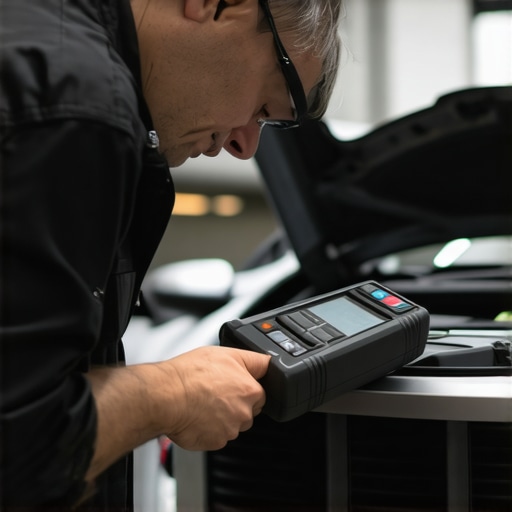
Many car owners believe they can rely solely on warning lights or basic knowledge to maintain their vehicles. However, this oversimplification often leads to costly mistakes or overlooked issues. Contrary to common belief, vehicle diagnostics isn’t just about reading error codes; it’s about understanding the intricate interplay of sensors, software, and mechanical components. Relying solely on generic diagnostic tools can mask underlying problems that require a nuanced approach, especially given the advanced technology integrated into modern cars.
One prevalent myth is that if the check engine light isn’t on, everything is fine. In reality, cars often exhibit subtle symptoms long before triggering warning lights, especially with sophisticated diagnostics systems that filter issues behind the scenes. Missing these early signs can lead to larger failures down the line. For instance, a minor misfire might not illuminate the dashboard but can cause significant damage if left unattended—something even experienced mechanics sometimes overlook when relying only on code readers.
Are Some Auto Repairs Worth the Extra Effort or Cost?
Many think that basic repairs—like oil changes or brake replacements—are straightforward. While this is true in principle, advanced auto repair strategies emphasize diagnostics that identify root causes rather than just symptoms. Skipping this step can lead to recurring issues, unnecessary expenses, and compromised safety. For example, neglecting to inspect brake hydraulics thoroughly during a service may overlook a failing master cylinder, risking complete brake failure. Investing in proper diagnostics ensures you address the correct issue the first time, saving money and extending the lifespan of your vehicle.
One common trap is to ignore the importance of pre-road trip diagnostics, assuming all systems are green. But a quick check can reveal hidden problems like worn belts, low fluid levels, or sensor malfunctions. Thinking beyond the surface and understanding the nuances of vehicle diagnostics empowers you to make informed decisions rather than reactive repairs.
Are you confident that your vehicle’s diagnostic readings are accurate, or are you missing critical nuances? Recognizing these hidden details can be the difference between a safe, cost-effective drive and an unexpected breakdown. So, the next time you get your oil or brakes serviced, ask your mechanic about comprehensive diagnostics and how they tailor maintenance to your specific driving habits. That proactive approach not only saves money but keeps you safely on the road longer.
Have you ever fallen into this trap? Let me know in the comments.
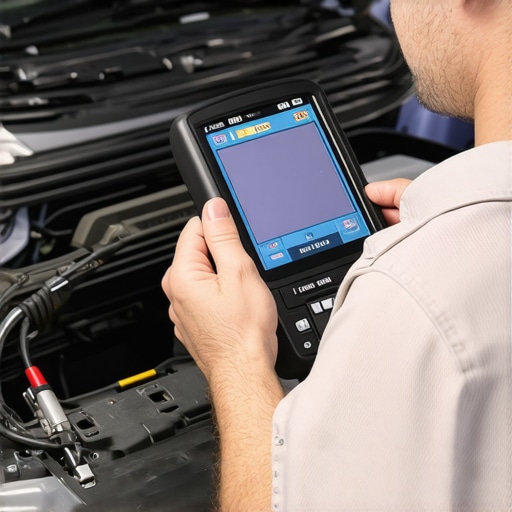
How do I maintain my vehicle’s performance over time?
One of the best ways to ensure your car stays reliable is by investing in quality diagnostic tools and understanding their proper use. I personally rely on the OBD-II scanner combined with a dedicated app like Torque Pro, which allows me to monitor real-time engine parameters and detect issues before they escalate. These tools have revolutionized my maintenance routine, providing actionable insights such as engine misfires, sensor failures, or fluid leaks, all without leaving my driveway.
For long-term results, regularly performing some basic diagnostics every few months helps me catch warning signs early. Additionally, I suggest keeping an eye on your vehicle’s oil life monitor or mileage if you’re using synthetic oils that can last significantly longer—sometimes up to 7,500 miles, as supported by recent research from experts in oil technology. Pairing these with a proactive approach like scheduled inspections ensures your engine remains in top shape.
What tools are most effective for auto repair and maintenance?
In my toolkit, a high-quality digital multimeter is indispensable, especially for electrical diagnostics like checking sensor outputs or battery health. I prefer the Fluke 115 model because of its accuracy and durability, which I’ve used extensively during troubleshooting projects. Additionally, a set of quality socket wrenches and a torque wrench prevent over-tightening or damaging fasteners, extending the lifespan of components such as brake rotors and suspension parts.
For brake service, I always follow detailed guides like this comprehensive resource to ensure safety and effectiveness. Investing in a brake caliper piston tool, for instance, makes reassembling brakes easier and more precise, saving me from costly repairs down the road.
What trends will shape vehicle diagnostics and maintenance in the future?
Expect advanced features like AI-powered diagnostics and predictive analytics to become standard. These innovations, powered by machine learning, analyze patterns from extensive vehicle data to predict failures before they happen, much like a digital doctor anticipating issues. This future holds the potential to shift maintenance from reactive to proactive, saving drivers both money and time. To prepare, I recommend familiarizing yourself with modern diagnostic platforms and considering professional training in their interpretation, as per the insights available here.
How can I keep my auto maintenance routine effective and cost-efficient?
A practical tip I’ve adopted is maintaining a maintenance log, which helps track repairs, diagnostics, and part replacements over time. This habit reveals patterns—like how extending oil change intervals in summer conditions works well for my vehicle. Also, trying out the implementation of a DIY diagnostic check before heading to a mechanic can save you unnecessary expenses and prevent minor problems from turning major.
If you’re interested in making your vehicle maintenance smarter, why not start by deploying an affordable OBD-II scanner and setting regular diagnostic checks? These small investments can have a significant impact, ensuring your car keeps running smoothly for miles to come.
Why I Stopped Blindly Following Old Rules and Started Listening to My Car
One of the most valuable lessons I learned was that my vehicle has its own unique needs, which can’t always be met by generic advice. Relying solely on traditional mileage intervals without considering real-time diagnostics can lead to unnecessary repairs or overlooked issues. Embracing tools like an OBD-II scanner taught me to trust my car’s signals, saving me money and frustration.
How Personal Experience Led Me to Better Auto Care Decisions
After experimenting with extended oil change intervals based on synthetic oil and diagnostics data, I realized that personalization is key. For instance, during winter, I noticed my engine oil degraded faster due to cold starts and stop-and-go traffic. Logging these observations helped me tailor my maintenance schedule, proving that understanding my driving habits made a significant difference.
Encouragement That Your Car’s Voice Matters
If you’re still hesitating to move away from the 3,000-mile rule, remember that modern technology empowers you to make smarter choices. Regular diagnostics and attentive monitoring of your vehicle’s responses can prevent costly breakdowns while extending its lifespan. The journey to better auto maintenance begins with listening to what your car is telling you—because sometimes, the best lessons come from experience, not old rules.
Insider Wisdom from Real-World Auto Care
- Trust your vehicle’s sensors and warning systems rather than sticking to outdated intervals; modern cars are equipped with sophisticated diagnostics that reveal the true health of your engine.
- Personalize your maintenance schedule based on specific driving conditions—winter, city traffic, highway—since these factors affect oil degradation and component wear.
- Utilize data-driven tools to catch problems early, preventing minor issues from escalating into major repairs.
- Keep detailed logs of your maintenance routines and diagnostics results; over time, you’ll uncover patterns that inform better decisions.
Curious About Perfecting Your Maintenance Strategy?
Are you ready to listen more closely to your vehicle and harness modern diagnostics to improve your auto care routine? Share your experiences or questions below—I’d love to hear how you’re upgrading your approach to vehicle maintenance.