
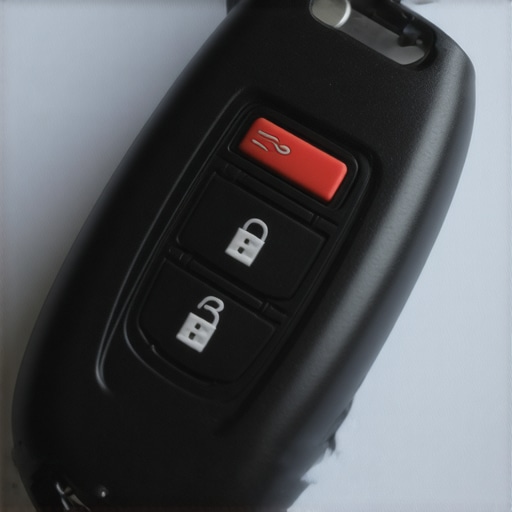
Ever reached for your keys, pressed the button, and been met with nothing but silence or a dead click? It’s frustrating—especially when you’ve just replaced the battery. I remember the first time it happened to me. I was sure a fresh battery would fix everything. But nope, still dead. It felt like my key fob had turned traitor overnight, leaving me scratching my head and wondering if I’d missed a crucial step. That lightbulb moment made me realize there’s more to the story than just a weak battery.
Unmasking the Hidden Culprits Behind a Failing Key Fob
Today, we’re diving into why your key fob might give up even when the batteries are brand new. You’ll learn common mistakes I made early on—and how I finally cracked the code. If you’ve ever thought, “Is my key fob broken?” then keep reading. I’ll share simple troubleshooting tips, how to avoid costly replacements, and why sometimes it’s not your battery but something deeper that’s at fault.
Is Your Key Fob Actually Dead or Just Pretending?
One mistake I made was assuming a new battery automatically meant a working fob. Not so. Corrosion on the contact points, internal circuit issues, or even the tiny antenna inside can cause silent failures. Modern key fobs are complex little devices, and the problem isn’t always obvious. I learned this the hard way after replacing batteries multiple times and still facing the same problem. According to leading auto experts, electrical connection issues are among the top reasons keyless systems malfunction, with roughly 30% linked to internal circuit failures (source). So, what’s next? Well, testing the fob’s signal strength and checking for internal damage can save you time and money.
If you’re tired of replacing batteries only to find your key fob remains stubborn, don’t worry. There are straightforward steps—like inspecting the circuit board for corrosion or reprogramming the remote—that can bring your device back to life. But first, understanding the common pitfalls helps you avoid throwing good money after bad. Ready to find out how to diagnose your key fob’s hidden problems? Let’s get started with some practical checks that I’ve personally tested and trusted. For more reliable auto repair insights, check out this guide.
Inspect the Battery and Contacts
Start by removing the key fob’s back cover carefully, using a small screwdriver or fingernail. Check the battery for corrosion, leaks, or dirt—often, a tiny buildup prevents proper contact. I once cleaned a corroded contact with a soft brush dipped in isopropyl alcohol, which restored the connection. Replace the battery with a new one—preferably the same type recommended by your vehicle manual—and press the buttons to see if it responds. If not, proceed to the next step.
Test the Signal Output
Use a smartphone camera or a digital camera to verify if the remote is transmitting signals. Point the fob at the camera lens and press any button; if you see a flashing light on the camera screen, your fob is transmitting, indicating the issue might be with car receiver systems. If no flash appears, the problem lies within the remote itself, and you should consider reprogramming or replacing it.
Reprogram the Fob to Your Vehicle
Sometimes, keyless entry systems lose synchronization. Consult your vehicle’s manual or visit auto repair resources to learn how to reprogram your remote. A typical method involves turning the ignition on and off, pressing certain buttons within specified timeframes. I’ve done this in a cramped parking lot and achieved success after a few attempts—saving me costly dealership visits.
Check Internal Components for Damage
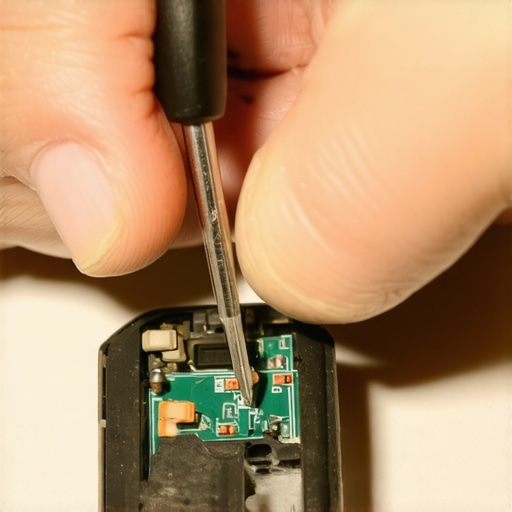
If reprogramming and battery replacement don’t work, open the fob again and inspect the internal circuit board for cracked solder joints or broken traces. Use a magnifying glass if needed. Damage here can prevent circuits from functioning properly; in my experience, a tiny crack near the antenna connection caused intermittent remote responses. If you spot damage, professional repair or replacement may be necessary.
Evaluate the Antenna and Internal Wiring
The antenna’s proximity and condition directly influence signal strength. Ensure it’s securely connected and free from corrosion. To test, gently wiggle the antenna; if the remote’s response varies, the connection might be loose. Re-soldering broken joints or replacing damaged wiring can restore functions—though sometimes, replacing the entire remote is more practical.
Prevent Future Failures
Keep contacts clean by periodically wiping with a soft cloth and avoiding exposure to moisture. Consider recharging or replacing batteries before they fail completely. For ongoing reliability, I recommend a diagnostic check to ensure your vehicle’s receiver system is functioning properly—more details are available at vehicle diagnostics explained. Regular maintenance ensures your key fob stays operational, saving stress during busy mornings.
 While many car owners believe that simple fixes like oil changes and brake services are straightforward, the reality is far more nuanced. One common myth I often encounter is that all brake pads wear out at the same rate; in truth, driving habits, terrain, and even materials significantly influence brake longevity, making a regular inspection more critical than just scheduled replacements. Additionally, many overlook how vehicle diagnostics go beyond reading error codes; advanced diagnostics can detect underlying issues not immediately evident, preventing costly breakdowns later. For example, a study by Automotive Service Association highlights that 70% of engine failures could have been prevented with timely diagnostics (source).
Is Your Oil Change Routine Forgetting Its Most Crucial Step? Best Practices to Avoid Engine Damage
A mistake I see often is neglecting to check and replace the oil filter during an oil change, which can cause contaminants to circulate and wear engine components prematurely. Many assume that just changing the oil suffices, but the filter’s role is vital in maintaining oil cleanliness and engine health. Skipping this step not only reduces the effectiveness of the oil but can also lead to overheating and long-term damage. The latest innovations, like synthetic oils and variable-rate oil pumps, have extended service intervals, but they demand precise maintenance practices to maximize benefits (source). So, always verify whether your mechanic is adhering to manufacturer recommendations, especially when opting for extended intervals. Remember, a comprehensive approach—covering oil, filter, and fluid levels—saves you money and keeps your engine running smoothly. Don’t fall for the trap of quick, superficial oil changes that ignore these critical nuances. Want to master vehicle maintenance? Check out essential repair strategies to keep your car in top shape.
To keep your vehicle running smoothly over the years, investing in the right tools and adopting disciplined maintenance routines are crucial. My personal experience has shown that having a few specialized implements and software can make diagnosing issues and performing repairs more straightforward and cost-effective.
Must-Have Diagnostic Tools for Every Car Enthusiast
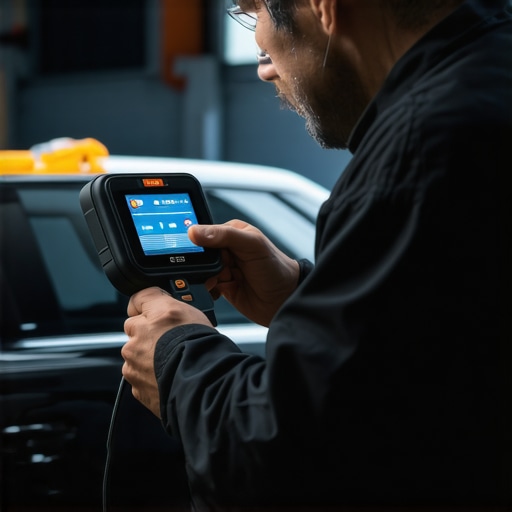
One of my most valuable investments is a high-quality OBD-II scanner, like the BlueDriver or Autel MaxiScan. These devices connect to your vehicle’s diagnostic port and provide real-time error codes and data, enabling you to spot issues before they escalate. I prefer models that sync with smartphone apps because of their ease of use and comprehensive reports. Regularly checking your car’s health via these tools helps prevent unexpected breakdowns and extends the lifespan of components. For example, diagnosing a subtle misfire early with an OBD-II scanner saved me from costly repairs down the line.
Maintaining Brake Systems: The Key to Safety and Longevity
When it comes to brakes, maintaining optimal performance isn’t just about replacing pads on schedule; it’s about proactive inspection and fluid management. I recommend a dedicated brake fluid tester, like the BlueDevil or Mityvac, to regularly assess fluid condition. Clean, high-quality brake fluid prevents corrosion and ensures responsive braking. Additionally, investing in a brake caliper piston tool simplifies pad replacement and piston retraction, saving time and reducing risk of damage. These tools empower you to perform maintenance confidently at home, avoiding expensive shop visits for minor issues.
Long-Term Results Come from Consistent Care
Adopting a disciplined approach with the right equipment leads to reflective savings and improved safety. Regular vehicle diagnostics, timely oil changes—using quality synthetic oils and proper filters—and routine brake inspections prevent major failures. Advanced diagnostics can even reveal hidden issues such as sensor failures or early transmission wear (source), allowing you to address problems before they cause breakdowns. My strategy? Schedule quarterly check-ups with these tools to catch small problems early—an approach that’s proven itself over thousands of miles.
How do I keep vehicle diagnostics accurate over time?
To maintain the accuracy of your diagnostic tools, ensure your device software is regularly updated and calibrated against manufacturer specifications. Keep the connection ports clean and store your scanner in a dry, safe place. Pair diagnostics with manual inspections—like checking fluid levels and brake pad thickness—to ensure comprehensive vehicle health. Regularly reviewing your vehicle’s error codes and trend data helps identify patterns that could signal future issues, ultimately saving money and preventing inconvenient breakdowns. For deeper insights on diagnostic practices, visit auto repair resources. Try integrating these tools into your routine, and you’ll be surprised how much control you gain over your vehicle’s long-term performance.
Remember, the key to reliable vehicles is proactive maintenance and the right set of tools. Whether it’s a quality scan tool or specific brake service equipment, these investments pay off over time by preventing costly repairs and enhancing safety. Start with one or two of the recommended devices, and experience the peace of mind that comes from knowing your vehicle is in top shape. For more tips on advanced vehicle care, refer to this comprehensive guide.
Throughout my journey in car care, I’ve realized that there’s always more beneath the surface than what initial inspections reveal. One of the biggest lessons I learned was how critical routine checks are, not just for immediate safety but for long-term vehicle health. Overlooking small details—like a slightly worn brake pad or a subtle shift in engine performance—can lead to costly repairs down the line. My biggest insight? Investing time in understanding your vehicle’s intricacies pays dividends in safety, savings, and peace of mind.
What I Wish I Knew About the Hidden Fails in Brake and Oil Maintenance
- Fighting the Myth of ‘One-Size-Fits-All’: Every vehicle has unique needs. Relying solely on scheduled intervals without diagnostics can mask underlying issues that accelerate wear or cause sudden failures.
- The Power of Early Detection: Small signs—like a squeal during braking or a slight dip in acceleration—are often overlooked. Recognizing these early clues can prevent expensive repairs and extend the lifespan of critical components.
- Quality Matters More Than You Think: Using premium parts and tools, especially for brake service and oil filters, makes a significant difference. Cheap replacements often lead to short-lived fixes and higher costs over time.
- Calibration and Reprogramming Are Game-Changers: Especially for electronic systems like key fobs or transmission control modules, proper reprogramming after repairs ensures seamless operation. Ignoring this can leave you puzzled over repeated failures.
- Routine Diagnostics Save Money: Modern OBD-II scanners and regular check-ups reveal early warning signs hidden beneath the surface. This proactive approach keeps your vehicle running smoothly and prevents breakdowns.
Tools and Resources That Truly Elevated My Car Care Game
- High-Quality OBD-II Scanner: Devices like the BlueDriver connected to my smartphone have been invaluable. They transform complex error codes into understandable insights, guiding me to the real problem—saving me time and money.
- Specialized Brake and Suspension Tools: Investing in components like a piston caliper tool and a brake fluid tester upgraded my DIY maintenance, ensuring safety and performance without costly shop visits.
- Informative Guides and Expert Websites: Regularly reading trusted sources like auto repair tips helped me make educated decisions and avoid common pitfalls.
- Manufacturer Service Manuals: Having access to official documentation clarified maintenance schedules and repair procedures, enabling me to tackle tasks confidently and correctly.
Seize Control of Your Vehicle’s Future
Remember, the road to reliable, safe driving isn’t paved with shortcuts. Regular maintenance, combined with the right tools and a curious mindset, transforms car care from a chore into a rewarding experience. Every check-up, diagnostic, or oil change is an investment in your safety and savings. Don’t wait for warning lights or strange noises—be proactive, stay informed, and keep your vehicle performing at its best.
What’s the one small car maintenance habit you’ve been meaning to start? Let me know below and let’s keep the conversation going!