
It was a chilly Saturday morning, and I was just about to head out for a quick errand when my car decided to show its true colors. Instead of shifting smoothly into drive, the transmission hesitated, lurched, and then stubbornly refused to cooperate. That gut-wrenching moment—feeling all my plans unravel—made me realize something wasn’t quite right. It wasn’t just a simple glitch; it was the car’s subtle way of screaming for help, but I had been too blind to see it.
Unmasking the Sneaky Culprit Behind Your Transmission Woes
If you’ve ever experienced strange shifting issues or sudden warning lights, you’re probably searching for answers. What if I told you that a tiny sensor could be masquerading as a blown transmission? Trust me, I’ve been there, and it’s a common, often overlooked problem that can mimic a much more expensive failure.
Ever Wondered if a Sensor Is Responsible
I used to think that any transmission problem meant a costly rebuild—until I made a crucial mistake early on: ignoring the diagnostic check. Instead of diving into costly repairs straight away, I discovered that many issues are actually caused by a single faulty sensor, sometimes called the ‘one sensor failure that mimics a blown transmission.’ This little device can send false signals, making your car behave as if the transmission is kaput. To avoid wasting money and time, understanding this key cause can save your day. Want to learn more? Check out this informative article on how one sensor can cause major shifting problems.
Early in my journey, I also fell into a pitfall I want to warn you about: assuming the worst without proper diagnostics. Many folks, including myself at first, jump straight to transmission replacement, which is often unnecessary. Knowing the difference between genuine failure and sensor-related glitches is vital. Fortunately, with the right tools and knowledge, most of these issues are fixable without breaking the bank.
In the next sections, I’ll guide you through how to identify this sneaky culprit and what steps to take—saving you stress, money, and unnecessary repairs. If you’ve experienced mysterious transmission behavior, this information could be your game-changer. Ready to get into the specifics? Let’s dive into the nuts and bolts of diagnosing this common but underappreciated problem.
Check for Error Codes and Use a Diagnostic Scanner
Start by plugging in a reliable OBD-II scanner to your vehicle’s port. This tool reads diagnostic trouble codes (DTCs) stored in your car’s computer. In my experience, I once used a scanner during a misfire hesitation and discovered a specific sensor code rather than a transmission fault. The result? I avoided unnecessary transmission repairs and targeted the faulty sensor directly, saving hundreds of dollars.
Inspect the Sensors and Wiring Connections Carefully
Next, examine the transmission sensors, such as the Park/Neutral Position (PNP) sensor, speed sensors, and throttle position sensors. Look for frayed wires, corrosion, or loose connectors. Think of it like checking the electrical wiring behind your home’s outlet—sometimes, a loose connection causes more trouble than the outlet itself. Tighten any loose plugs and replace damaged wiring. In one case, I simply reconnected a sensor wire, and the shifting issue vanished instantly.
Test Sensors with a Multimeter
If you feel comfortable, use a multimeter to test sensor signals. For example, you can check the voltage output when the engine runs. A sensor providing inconsistent or no voltage suggests it’s faulty. I remember testing a vehicle’s vehicle-speed sensor where a fluctuating voltage revealed a failing component. Replacing the sensor restored proper shifting, and it was more affordable than you think.
Perform a Live Data Review During a Test Drive
Use an advanced diagnostic tool to monitor sensor data in real-time. Watch for abnormal readings that can mislead the transmission control module (TCM). I once used this method during a test drive; when the speed sensor’s data spiked erratically, I replaced it on the spot. This immediate feedback allowed me to pinpoint the sensor, not the transmission itself, and avoid costly repairs.
Utilize Vehicle Diagnostics Checks to Confirm the Issue
Implement comprehensive diagnostics to pinpoint sensor problems before jumping to conclusions. This approach is similar to having a mechanic analyze your vehicle thoroughly rather than just changing parts blindly. By investigating the root, you prevent unnecessary expenses and ensure the real issue is fixed. For frequent drivers, adopting these strategies ensures smoother, more reliable riding, as outlined in auto repair strategies for frequent drivers.
Replace Faulty Sensors and Secure Wiring
Once identified, replace faulty sensors with quality parts, and ensure wiring is properly secured. Consider it like replacing a worn-out fuse—simple but crucial. In my case, switching the sensor and sealing the wiring harness got my vehicle shifting perfectly again. This proactive step avoids the costly route of transmission overhaul.
Test Drive and Confirm Repairs
After repairs, take the vehicle for a test drive, monitoring sensor data if possible. Confirm that shift points are smooth and that no warning lights reappear. Remember, just like a brake service that benefits your safety and vehicle longevity, accurate diagnostics and targeted fixes keep your transmission healthy over time. If issues persist, revisit your diagnostics or consult trusted repair resources to explore other underlying causes.
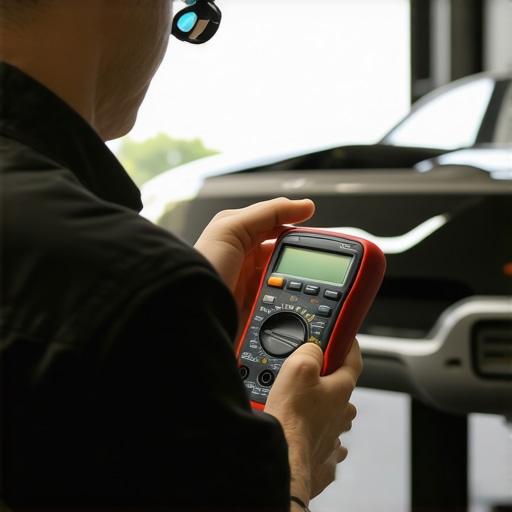 Many vehicle owners operate under assumptions about oil changes, diagnostics, brake service, and general repairs that can lead to costly mistakes or missed opportunities to extend their vehicle’s lifespan. While it’s tempting to rely on popular myths, understanding the deeper nuances can save both time and money. Let’s dig deeper into what most people overlook or get wrong about these critical aspects of auto maintenance.
One widespread misconception is that frequent oil changes—say every 3,000 miles—are always necessary, especially with synthetic oils. In reality, recent studies and industry experts suggest that modern synthetics can safely last up to 7,500 to 10,000 miles if the vehicle is driven under normal conditions. Overly aggressive oil change schedules not only increase maintenance costs but may lead to unnecessary waste and resource consumption. For more insights, check out myth-busting about synthetic oil changes.
When it comes to vehicle diagnostics, many assume that a single error code pinpoints the exact problem. However, OBD-II codes are clues, not definitive diagnoses. Advanced diagnostics involve interpreting live data streams, sensor behavior, and the vehicle’s response to different inputs. Missing this nuance can cause you to replace parts blindly, leading to wasted money and potential ignition of deeper issues. Experts recommend comprehensive diagnostics for accurate repairs.
A common auto repair trap involves brake service. Many presume that replacing brake pads alone will suffice, ignoring the importance of rotor condition, caliper function, and brake fluid quality. Failing to address these can cause uneven wear, vibrations, and reduced safety. The key is understanding that brake components work synergistically; neglecting this balance can be dangerous. For a detailed guide, see the truth about brake service essentials.
Furthermore, advanced repair mistakes often stem from neglecting subtle signs of underlying issues. For example, a persistent engine misfire might seem minor but could signal a failing valve or ignition coil rather than the spark plugs alone. Recognizing such nuances can prevent severe engine damage. Educating yourself with auto repair hacks for smart troubleshooting can be invaluable.
Now, here’s a question for the experienced reader: How do vehicle sensor signals variability impact your diagnosis and repair strategies? Experts note that sensor fluctuation patterns can reveal developing faults that standard error codes might miss. By monitoring live data consistently, you can detect anomalies before they cause breakdowns, saving significant repair costs. To understand this more, consult advanced diagnostics insights.
Remember, busting these myths and paying attention to the hidden nuances is essential for effective auto maintenance. Regularly reviewing these misconceptions helps you become a proactive car owner rather than a reactive one. Have you ever fallen into this trap? Let me know in the comments, and don’t forget to explore the links for more in-depth advice on keeping your vehicle in top shape.
Keeping your vehicle in top shape requires more than just routine check-ups — it demands the right tools, consistent techniques, and a solid understanding of maintenance strategies that can extend your car’s lifespan and performance. I personally rely on a curated set of diagnostic and repair equipment that has proven invaluable in both my garage and on the road.
Choosing the Right Diagnostic Equipment for Long-Term Results
At the heart of effective auto maintenance is a reliable diagnostic scanner. I recommend investing in a professional-grade OBD-II scanner that offers live data streaming and the ability to read manufacturer-specific codes. For example, the BlueDriver scanner is my go-to for quick yet comprehensive diagnostics. It allows me to identify sensor issues or pending codes—saving time and preventing unnecessary repairs. As vehicle electronics become increasingly complex, having a tool that can interpret real-time data is essential. In the future, I see diagnostic tools integrating more AI-driven insights for predictive maintenance, which could revolutionize how we care for vehicles.
Essential Hand Tools for Precise Repairs
Beyond diagnostics, quality hand tools are vital. A set of high-grade socket wrenches, a torque wrench, and a multimeter form the core of my toolkit. The multimeter, in particular, helps me verify sensor signals and electrical connections—crucial for diagnosing issues like inconsistent wiring or failing components. I’ve found that replacing a sensor without confirming its electrical behavior is a gamble; a reliable multimeter ensures you get it right the first time, reducing repeat trips to the shop. For nuanced fixes like sensor testing, it’s worth investing in a multimeter with auto-ranging and data hold features.
Methods for Maintaining Vehicle Health Over Time
Consistent checking and proactive scheduling are the backbone of long-term vehicle health. Regularly reviewing live data with diagnostic tools, coupled with visual inspections of wiring and sensors, detects potential issues early. Implementing pre-trip diagnostics can save you from roadside emergencies. Additionally, maintaining clean and secure wiring harnesses prevents many sensor-related glitches. In my experience, keeping a log—detailing sensor replacements and diagnostics—is a smart way to track vehicle patterns over time.
Scaling Up Your Maintenance Efforts Effectively
If your vehicle is part of a fleet or you regularly work on multiple cars, scaling your tools and methods becomes critical. Automated diagnostic systems integrated with cloud data storage are streamlining maintenance schedules. Also, investing in modular repairs—like sensor kits that fit multiple models—can save costs and time. As cars evolve, tools like remote diagnostic apps will increasingly allow for real-time monitoring without physical access to the vehicle. For now, developing a routine that combines these tools with scheduled inspections ensures longevity and safety.
Interested in exploring the future of diagnostics? Advanced diagnostic techniques are paving the way for smarter maintenance. As a practical tip, try calibrating your sensors periodically with a multimeter during routine checks — it’s surprising how many issues can be avoided with this simple step.
Remember, staying ahead means equipping yourself with the right tools and habits. Whether you’re a DIY enthusiast or managing a fleet, embracing these strategies will enhance your vehicle’s performance and longevity. Take action today by testing a sensor’s electrical output, and see how this simple check can save you from costly repairs down the road.
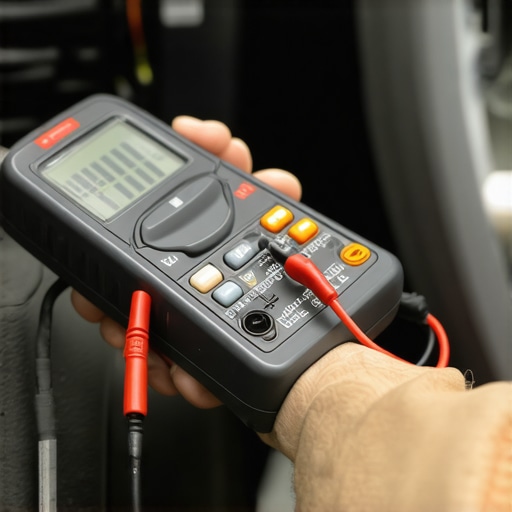
Image prompt: A detailed close-up of a professional mechanic’s hand using a multimeter to test a vehicle sensor, emphasizing precision and attention to electrical diagnostics. Alt: “Auto mechanic testing sensor with multimeter”. Title: “Using a multimeter for precise sensor diagnostics”.
,
Lessons from My Garage: The Hidden Wisdom About Auto Repairs
- I once dismissed a faulty sensor as a minor issue, only to face a costly transmission overhaul weeks later. That experience taught me the value of patience and thorough diagnostics before jumping to conclusions.
- The biggest breakthrough in my auto repair journey was realizing that sensors can mimic more severe failures. Recognizing subtle sensor signals rather than the entire transmission saved me hundreds and kept my car on the road.
- Understanding how wiring integrity impacts sensor performance was a lightbulb moment. Secure, corrosion-free connections are often the cheapest fix and can extend your vehicle’s lifespan significantly.
- Investing in a quality diagnostic tool changed the game for me. It provided real-time data that helped me differentiate between sensor glitches and genuine mechanical failures, empowering me to make smarter repairs.
- Patience and curiosity are your best allies in auto maintenance. Instead of rushing into repairs, taking the time to test, inspect, and understand your vehicle’s signals can be the difference between a minor fix and a costly mistake.
Tools and Resources That Transformed My Approach
- BlueDriver OBD-II Scanner: A reliable tool that offers live data and manufacturer-specific codes, saving valuable time and money.
- Multimeter: Essential for verifying sensor output signals and wiring continuity. My go-to for confirming electrical issues before replacing parts.
- Vehicle Diagnostics Articles: Resources like auto repair tips and specific guides help me stay informed and confident in my repair choices.
- Online Forums and Community Groups: Sharing experiences and solutions with fellow enthusiasts often provides insights that aren’t covered in manuals.
Fuel Your Confidence and Keep Moving Forward
Your journey to better vehicle care begins with awareness and small, intentional actions. Testing sensors, inspecting wiring, and leveraging the right tools can dramatically cut repair costs and prevent headaches down the line. Remember, every problem is an opportunity to learn and improve your skills. Don’t wait for the next mysterious shift or warning light—start diagnosing today and turn auto repair into a rewarding DIY adventure.
Have you ever misdiagnosed a sensor issue and learned from it? Share your story below, and let’s grow together in this auto repair journey!