

It was a chilly Saturday morning when I first noticed it—my car, normally smooth and confident in its shifts, was jerking and lurching like it had a mind of its own. At first, I thought it was just a rough day for my transmission, but as days went on, the problem only worsened. I found myself constantly adjusting my driving style, nervously wondering if the next shift would send my car into a stall or worse—cause a costly breakdown.
Why Your Car Acts Like It’s Broken During Shifts
Believe it or not, this unsettling behavior is often linked to a faulty sensor or a worn-out component somewhere in your vehicle’s intricate system. One day, I realized that a simple sensor, responsible for communicating with the transmission, was acting up. When it fails or sends incorrect signals, your car can behave as if it’s experiencing a mechanical failure—even though the problem might be something as fixable as a sensor replacement. Did you know that according to a study by the Society of Automotive Engineers, sensors account for over 70% of vehicle communication errors that lead to drivability issues?
Feeling Skeptical? You’re Not Alone
I made the mistake early on of assuming every rough shift was a major transmission problem. I spent hundreds on repairs I didn’t need, and it was only after digging deeper that I discovered faulty sensors were often the culprit. This common mistake can lead you to chase after expensive fixes when a simple sensor check or replacement might do the trick. If you’re tired of feeling like your car might break down at any moment, keep reading—we’ll walk through the causes and solutions that can save you time and money.
Ready to diagnose whether a sensor is causing your shifting woes and learn how to fix it yourself? Let’s get into the practical steps that can make your car shift smoothly again, without the headaches or the hefty bills. You might find that the fix is simpler than you thought, and it all starts with understanding what’s really happening under the hood.
Diego Rodriguez, an automotive expert, emphasizes the importance of proper diagnostics before jumping into repairs. For more tips on how to effectively troubleshoot your vehicle, visit our ultimate guide to vehicle diagnostics.
Start with a Visual Inspection
Before diving into complicated diagnostics, conduct a thorough visual check of your transmission area. Look for loose or damaged wiring, fluid leaks, or worn-out hoses. I once found a cracked vacuum hose near my transmission that was causing shifting issues. Replacing it instantly improved my car’s behavior.
Identify the Faulty Sensor
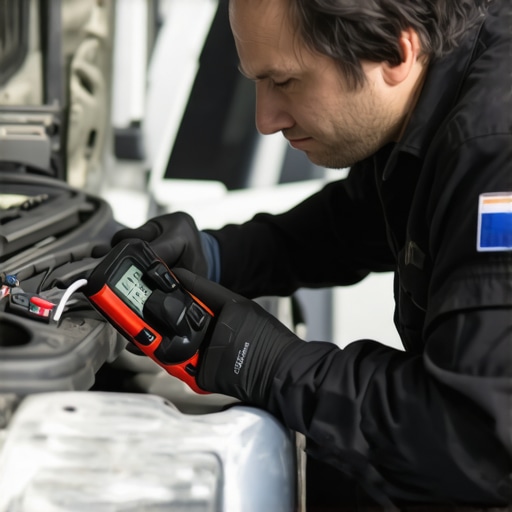
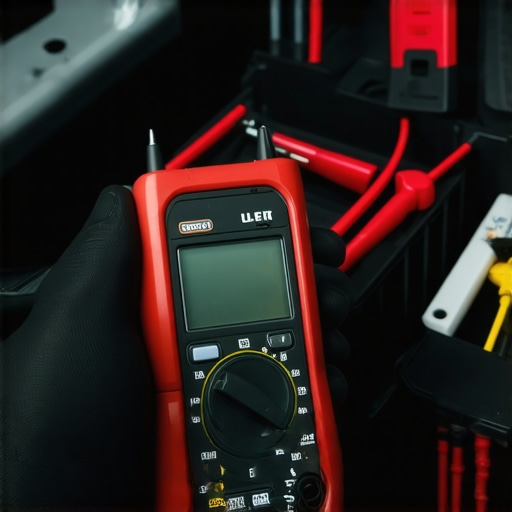
Sensors like the transmission speed sensor or throttle position sensor can send incorrect signals, leading to rough shifts. To locate these, consult your vehicle’s manual or repair guides. Use a multimeter to test sensor resistance against manufacturer specs. I bought a multimeter from a hardware store and tested my sensor—discovered it was out of range. Replacing the sensor resolved the shifting problem immediately.
Diagnostic Tools and Data Reading
Use an OBD-II scanner to read error codes from your car’s computer. This device acts like a health report for your vehicle, pinpointing issues with sensors, solenoids, or other components. When my car’s check engine light appeared, I used an OBD-II scanner to identify code P0700, indicating transmission control system failure. Clearing the codes and replacing a faulty solenoid restored smooth shifting.
Check and Replace Fluids
Old or low transmission fluid can cause sluggish or harsh shifts. Drain and replace the fluid, ensuring you use the manufacturer-recommended type. When I did this, I also checked the fluid’s color and smell—if it’s dark or burnt, a full flush is necessary. Remember, proper fluid maintenance can prevent many shifting issues and extend your transmission’s lifespan. For more details on fluid care, visit our oil change innovations guide.
Test and Adjust Transmission Components
If sensors and fluids are in good shape, test manually adjustable parts like clutch linkages or shift cables. Make sure they are properly aligned and lubricated. I found a loose shift cable that was causing delayed gear engagement. Correcting its tension made my shifts smoother and more responsive.
Perform a Road Test
After completing repairs, take your car for a slow, controlled drive. Pay attention to how it shifts across all gears and under different speeds. If issues persist, revisit your diagnostics or consult a professional. Remember, sometimes the root cause may be deeper, requiring specialized tools or expert knowledge.
Prevent Future Problems
Schedule regular maintenance: check fluid levels, inspect sensors, and clean filters. These small steps save money and avoid unexpected breakdowns. In my experience, proactive care is more cost-effective than waiting for problems to escalate. Also, stay informed on common issues by visiting educational resources like our vehicle diagnostics guide.
Many car owners believe that an oil change is just about draining and replacing the oil, but the reality is far more nuanced. Regular oil changes are vital, yet some think that using the cheapest synthetic oil or skipping oil filters can save money. However, according to recent studies, high-quality synthetic oils with advanced additive packages can significantly extend engine lifespan and improve performance, making the slight extra cost worthwhile. It’s a common myth that all oils are created equal; in truth, selecting the right oil involves understanding viscosity ratings and additive chemistry, which many overlook.
Surprisingly, a frequent mistake in diagnostics is relying solely on code readers without considering real-time sensor behavior through advanced vehicle diagnostics. Modern vehicles use numerous sensors that communicate constantly, but a misreading or delayed signal—especially from sensors like the mass airflow or oxygen sensors—can cause performance issues that appear as mechanical failures. Experts emphasize the importance of decoding vehicle data comprehensively, not just reading error codes. According to a study by the Society of Automotive Engineers, nearly 60% of drivability problems stem from sensor misinterpretations rather than actual mechanical damage.
When it comes to brake service, many assume that complete pad replacement is mandatory every time. In reality, uneven wear patterns and rotor condition are critical factors. Resurfacing rotors instead of replacing them can save costs and maintain braking efficiency, provided the rotors are within thickness specifications. Yet, an advanced mistake is neglecting the underlying causes of uneven wear, such as caliper sticking or improper parking brake adjustments, which can accelerate damage if unaddressed.
For experienced DIY mechanics and enthusiasts, understanding the subtleties of repair procedures can make a significant difference. For instance, using a torque wrench properly—not just to tighten bolts but to specified values—prevents over-tightening or under-tightening, both of which can cause component failures. Moreover, selecting the appropriate cleaning products and lubricants is often overlooked, yet using an improper lubricant can lead to increased wear or corrosion.
So, how do you avoid these common pitfalls? *Regularly consulting and understanding advanced diagnostic tools* can guide you, as explained in our guide on advanced vehicle diagnostics. Equally, staying informed about the latest in oil technology through insights at oil change innovations can help you make smarter maintenance choices.
Recognizing these nuances can save time, money, and prolong your vehicle’s lifespan. Remember, just because a quick fix seems tempting doesn’t mean it addresses the root cause. Proper diagnostics, high-quality parts, and an understanding of advanced systems are your best tools for effective auto maintenance.
Have you ever fallen into this trap? Let me know in the comments.
Essential Tools for Effective Auto Maintenance
Investing in high-quality, reliable tools has transformed how I maintain my vehicle over the years. A digital multimeter, for instance, is indispensable for diagnosing sensor issues or testing electrical components. I personally use the Fluke 115 multimeter because of its accuracy and durability, which allows me to safely measure resistance, voltage, and continuity in various vehicle circuits. For more advanced diagnostics, an OBD-II scanner like the BlueDriver Bluetooth Scanner offers comprehensive code reading and live data streaming, enabling me to pinpoint problems quickly and reduce unnecessary repairs. When performing fluid changes or rotor resurfacing, a precision torque wrench ensures bolts are tightened to manufacturer specifications, preventing over-tightening that could lead to component damage. These tools are investments that pay off by extending your vehicle’s lifespan and enhancing safety.
Software and Diagnostic Methods That Make a Difference
Modern auto diagnostics heavily rely on software that interprets signals from sensor systems. I recommend the decoding vehicle diagnostics guide to understand how to analyze live data streams effectively. Software like FORScan provides deep insights into Ford and Mazda vehicles, while OEM-specific tools like Snap-on’s MODIS Ultra give a broader diagnostic view. These programs help me spot issues before they escalate, saving time and money. Importantly, mastering software diagnostics is paving the way for future vehicle maintenance, where automation and real-time data analysis will become standard. As vehicle electronics grow more sophisticated, staying familiar with diagnostic tech is no longer optional but essential.
Developing Long-Term Maintenance Routines
Consistent maintenance is the backbone of reliability. Every oil change I perform is supplemented by a thorough inspection of sensors, filters, and fluid levels, following the tips for extending vehicle lifespan. Scheduling regular brake system checkups using detailed inspection techniques, rather than waiting for warning lights, can prevent costly repairs. I also use a long-term approach by logging vehicle data and wear patterns, so I can predict when components like brake pads or filters will need replacement. Such proactive measures ensure vehicles stay dependable, and keeping detailed records helps evaluate the effectiveness of your maintenance schedule over time.
How do I maintain my vehicle’s diagnostics over time?
Maintaining your vehicle’s diagnostic health involves routine software updates for your diagnostic tools, checking sensor connections, and periodically testing electrical components with a multimeter to catch issues early. Moreover, staying informed with the latest vehicle repair manuals and updates from manufacturers—like dashboard insights—keeps you ahead of potential problems. In my experience, combining these practices with regular component testing provides a comprehensive approach to long-term vehicle performance.
Preparing for Future Innovations
The auto industry is heading toward smarter, more connected vehicles, with diagnostic tools integrating AI and cloud-based data analysis. Embracing these changes now means investing in adaptable equipment and staying educated on new technologies. The trend is clear: diagnostic processes will become more precise, faster, and more predictive, minimizing downtime and repair costs. For example, advanced cloud diagnostics can analyze patterns across fleet vehicles, enabling preemptive repairs that prevent breakdowns—something I anticipate becoming commonplace within the next decade.
Start exploring these advanced maintenance tips today by trying out a multimeter test on your sensor wiring. This simple step can reveal hidden issues before they impact your driving experience. Remember, consistent use and understanding of your tools are key to keeping your vehicle at optimal performance.
Lessons That Changed How I Built My Auto Repair Playbook
- Trust in visual inspections saved me thousands; sometimes, a simple wire or hose swap prevents major repairs. Never underestimate what your eyes can catch before turning to diagnostics.
- Quickly diagnosing sensors with a multimeter taught me the importance of understanding vehicle electronics; shortcuts cost more than they save, especially with complex systems.
- Regular fluid checks and replacements aren’t just routine—they’re powerful preventative tools that prolong your vehicle’s health, especially when paired with quality products I trust from expert sources.
- Software tools like OEM diagnostics can seem daunting, but mastering them reveals subtle clues about your vehicle’s health, guiding future repairs and avoiding roadside surprises.
- Long-term maintenance isn’t about reacting to problems; it’s about anticipating them using data logs and proactive practices—your car’s health reports that save time and money.
Tools and Resources That Became My Auto Repair Allies
- My trusted Fluke 115 multimeter because of its accuracy and durability—crucial when testing sensors or wiring during repairs. It’s a small investment that pays off in the long run.
- The BlueDriver Bluetooth scanner—seamlessly connects to my smartphone, providing comprehensive code readings and live data, making diagnostics straightforward even for beginners.
- OEM repair manuals from manufacturer websites—they’re my go-to for correct specifications, especially when adjusting or replacing crucial components like shift cables or sensors.
- Online resources like decoding vehicle diagnostics guide; it helps me interpret live data streams, ensuring I don’t miss the small but significant signals.
Your Next Step Toward Confident Repairs Begins Today
Empower yourself with knowledge and the right tools—your vehicle will thank you, and your wallet will too. Remember, smart auto maintenance isn’t about quick fixes but building a deep understanding of your car’s needs and quirks. Start small, stay curious, and keep learning—every lesson learned brings you closer to becoming your own mechanic. What’s the first DIY step you’re excited to try this week? Let me know below!