
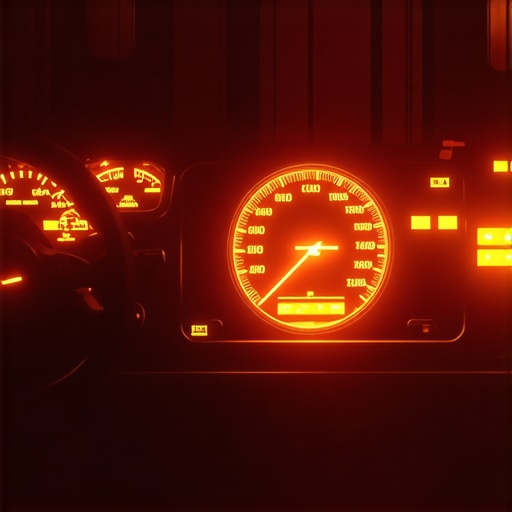
Ever slam your turn signal on during a drive and notice your dashboard lights dimming like a ghostly shadow creeping across your gauges? That moment of annoyance or concern might have made you pause — or even wonder if something’s seriously wrong with your car. I’ve been there myself, frantically trying to figure out if I was just imagining things or if it was a sign of looming trouble. And let me tell you — that realization sparked my curiosity about what’s really happening under the hood.
Shedding Light on the Dimmer Dashboard Mystery
Is this the start of a bigger problem, or just a quirky electrical quirk? First time I experienced this, I panicked, thinking I’d need a costly repair. But after some digging—and a ton of personal trial and error—I discovered that this common annoyance often points to a simple electrical issue rather than a catastrophic failure. Today, I’ll walk you through what causes your dashboard to dim so unexpectedly and show you how I finally cracked the code. From faulty alternators to wiring glitches, understanding these causes can save you money and peace of mind.
Check the Battery and Alternator First
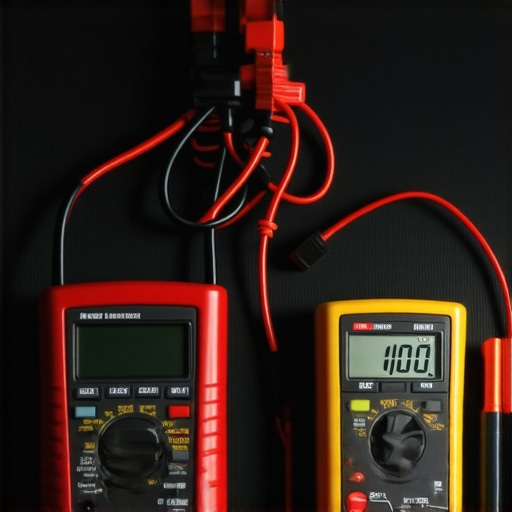
Start by testing your vehicle’s battery voltage with a multimeter—aim for around 12.6 volts when the engine is off. When running, it should read between 13.8 and 14.4 volts, indicating proper alternator function. I once used a simple multimeter to verify my alternator’s output and discovered a weak voltage leading to dashboard dimming. If readings are off, replace or repair these components before proceeding.
Inspect Fuses and Wiring Connections
Locate the fuse box and check for blown fuses related to the dashboard or lighting systems. A faulty fuse can cause inconsistent power flow. Additionally, examine wiring harnesses behind the dashboard for corrosion, loose connectors, or damaged insulation. During my own troubleshooting, I reseated some loose connectors, which immediately restored normal dashboard brightness.
Test and Replace the Light Dimmer Switch
The dimmer switch controls your dashboard lighting. Access it by removing the steering column cover—as I did on my old sedan—and gently test the switch’s continuity with a multimeter. If it’s faulty, replacing it is straightforward and often resolves the dimming issue. I replaced my switch with a new one, which restored full control over dashboard brightness.
Examine Car’s Ground Connections
Loose or corroded ground wires can cause electrical glitches, including dimming gauges. Trace the ground wires from the battery and chassis to ensure secure, corrosion-free contact points. During a fix, I cleaned and tightened a corroded chassis ground connection, which stopped the flickering.
Test the Vehicle’s Electrical System Under Load
Sometimes, electrical issues only manifest when the system is under load. Turn on headlights, AC, and other accessories while monitoring voltage with a multimeter. A significant voltage drop indicates your electrical system is struggling, signaling the need for professional diagnostics. I did this in the evening with my headlights on and realized my alternator couldn’t keep up, leading me to replace it for consistent performance.
When it comes to vehicle maintenance, many drivers rely on common beliefs that are often misleading or oversimplified. For example, the myth that an oil change every 3,000 miles is essential for modern engines persists despite advances in synthetic oils and engine technology. According to a study by SAE International, extending oil change intervals beyond the traditional 3,000 miles can actually benefit engine longevity when using high-quality synthetic oils, provided regular service and monitoring are maintained. This is just one instance where popular advice may do more harm than good if taken at face value.
Another misconception revolves around brake service. The common idea that replacing brake pads whenever they appear worn or squeal is necessary can lead to unnecessary expenses. In reality, modern brake systems are often designed with wear indicators and other features that allow for more precise servicing. The experts at Brake Service Myths Busted emphasize that inspecting the entire braking system—including rotors, calipers, and fluid—is crucial before jumping to replacements, as many issues can be addressed without replacing pads prematurely.
Is replacing diagnostic codes enough to fix complex issues, or is there more beneath the surface?
This question highlights an advanced pitfall: relying solely on OBD-II codes for diagnostics. While these codes are valuable indicators, they can sometimes mislead technicians into focusing on the wrong part. For example, a P0300 misfire code might suggest spark plug issues, but underlying problems could stem from fuel delivery, vacuum leaks, or even sensor malfunctions. A comprehensive diagnostic approach, including visual inspections and live data analysis—which can be enhanced by advanced vehicle diagnostics—is vital to avoid unnecessary repairs and ensure accurate fixes. Failures to adopt such detailed diagnostics can lead to over- or under-maintenance, costing both time and money in the long run.
Lastly, the assumption that an oil change alone can significantly prolong engine life overlooks the importance of other routine services like filter replacements, fluid checks, and system tune-ups. To truly optimize your vehicle’s health, it’s essential to adopt a holistic maintenance strategy. Discover more about smart service routines that save money and extend vehicle lifespan in Top Auto Repair Tips.
By challenging these widespread myths and paying attention to the details, you gain a competitive edge and prevent costly mistakes. Don’t fall into the trap of superficial fixes—digging deeper often reveals smarter, more efficient solutions. Have you ever fallen into this trap? Let me know in the comments.
Keep It Running: Tools and Strategies for Long-Term Vehicle Maintenance
Maintaining your vehicle’s performance isn’t just about quick fixes; it requires the right tools, consistent routines, and an understanding of ongoing care. Personally, I rely on a combination of high-quality diagnostics equipment and trusty manual tools that have stood the test of time. One of my most valuable investments is a professional-grade OBD-II scanner, like the BlueDriver. Unlike generic code readers, this device provides real-time data, detailed troubleshooting reports, and supports enhanced diagnostics—crucial for pinpointing issues accurately and saving money on unnecessary repairs.
Alongside digital diagnostics, I always keep a quality multimeter on hand. Not all multimeters are created equal; I prefer models with auto-range and high accuracy, like the
Another essential tool is a reliable torque wrench, such as the Porter-Cable. Proper tightening prevents over-stressing components and ensures safety—something I’ve learned the hard way. For routine maintenance like oil changes, I prefer using a high-quality oil extractor pump instead of traditional draining, which minimizes mess and ensures a thorough oil removal—especially important when considering innovations in oil change techniques that extend engine life.
But tools alone aren’t enough. Developing a maintenance routine that emphasizes proactive checks—like inspecting brake fluid levels, tire tread, and coolant state—keeps your vehicle in top condition. Regularly using a digital infrared thermometer can also catch overheating components early, preventing costly failures.
How do I maintain vehicle diagnostics over time?
Consistent calibration of your diagnostic tools and staying updated with software updates is key. Investing in a service subscription for your OBD-II scanner ensures you access the latest vehicle modules and trouble codes. Additionally, integrating a maintenance journal helps track repairs, part replacements, and system checks, enabling you to identify patterns and address potential issues before they escalate. Future trends point toward smarter, connected diagnostics with cloud-based data bridging, making vehicle history accessible anywhere—adding convenience and peace of mind to your maintenance routine. To get started today, try upgrading your diagnostics setup with a device like the advanced vehicle diagnostics mentioned earlier—it’s a game-changer for longevity and safety.
Over the years, I’ve uncovered some truths about car maintenance that go beyond the usual advice, transforming the way I approach auto repairs. One of the most eye-opening lessons was realizing how seemingly minor electrical quirks, like dashboard dimming, can reveal underlying issues that, if left unchecked, might lead to costly damages. This experience taught me the importance of patience, thorough diagnostics, and trusting my intuition—especially when dealing with complex electrical systems.
What I Wish I Knew About Electrical Troubleshooting Early On
- Not every flickering gauge is a sign of immediate failure: Sometimes, it’s just a loose connection or a weak ground that can be repaired quickly without extensive costs.
- Sensor readings are helpful but not definitive: Relying solely on OBD-II codes can mislead you; always complement diagnostics with visual inspections and real-world testing.
- The importance of a comprehensive approach: Addressing symptoms without understanding their root causes can lead to recurring problems and expenses.
Tools, Books, and Resources That Changed My Perspective
- Decoding Vehicle Diagnostics—This guide helped me interpret trouble codes more accurately and avoid unnecessary replacements.
- Auto Repair Hacks—A treasure trove of practical tips that save money while ensuring quality work.
- Essential Auto Repair Strategies—This resource emphasized routine checks and proactive maintenance, extending my vehicle’s lifespan.
Keep Your Vehicle Moving Forward with Confidence
Remember, understanding the deeper mechanics of your car empowers you to make smarter decisions, avoid common pitfalls, and enjoy peace of mind on the road. Don’t shy away from embracing advanced diagnostics and thorough inspections—these tools are your allies in maintaining a reliable, safe vehicle. Whether you’re a seasoned DIYer or a cautious driver, continuous learning and proper care will keep your car running smoothly for years to come.
Have you ever uncovered a hidden issue behind a seemingly simple dashboard flicker? Share your experiences below—I’d love to hear how a deeper understanding helped you save money or avoided a breakdown.