
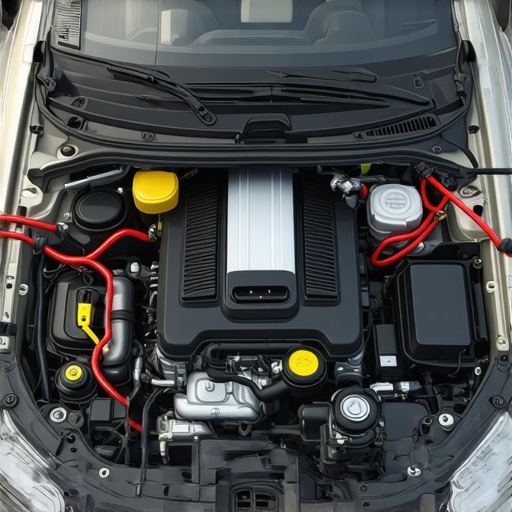
Ever had that moment where you pop the hood after an oil change or a long drive, and suddenly, a sharp, unpleasant smell hits you? For me, it was a lightbulb moment—smelling gasoline from my engine oil. At first, I thought it was just a weird coincidence, but soon I realized it was a sign something was seriously off. That smell of gasoline in the oil isn’t just a minor annoyance; it can point to underlying issues that could cost you a fortune if left unchecked.
What’s Really Going On When Your Oil Smells Like Gasoline?
In my own experience, discovering that your engine oil smells like gasoline is a cause for concern. It could mean that fuel is leaking into your oil system, which can lead to reduced lubrication, increased engine wear, or even catastrophic failure if ignored. It’s not as simple as a bad smell—time is of the essence.
Several factors can cause this. Sometimes, a faulty fuel pressure regulator allows excess fuel to seep into the combustion chamber, which then makes its way into the oil. Other times, worn piston rings or a damaged fuel injectors problem might be to blame. Regardless of the cause, recognizing the signs early is crucial. Ruling out issues like fuel leaks or vapor lock can save you a lot of hassle. For a deeper understanding, you might find it helpful to explore vehicle diagnostics explained in this guide.
Maybe you’re skeptical—Is this really a common problem or just an overhyped concern?
When I first encountered this issue, I was tempted to dismiss it as nothing serious. My early mistake was ignoring the smell and hoping it would disappear. Trust me, ignoring a gasoline aroma isn’t just risky—it can cause engine damage that’s expensive to repair later. According to experts, fuel-related issues are among the top causes of engine failures, and recognizing early symptoms can make all the difference. It’s worth paying attention to, especially if you notice other signs like poor acceleration or rough idling.
Now that I’ve shared my experience and the danger signs, let’s get into how you can identify the root cause and fix this problem before it worsens. Stay tuned for practical steps because nobody wants to be stranded with a costly engine repair, right? And if you’re eager to learn about other auto repair hacks, explore tips to extend your vehicle’s lifespan here.
Check Your Fuel System for Leaks and Malfunctions
Start by inspecting your fuel injectors, fuel pressure regulator, and fuel lines for visible leaks or cracks. I once found a small crack in my fuel line after noticing the smell, which I fixed with a simple replacement. Use a flashlight and gloves for safety, and look for wet spots or stains that indicate leaks. If visual inspection doesn’t reveal issues, proceed to a pressure test or diagnostic scan to identify hidden problems.
Perform a Fuel Pressure Test
Connect a fuel pressure gauge to the Schrader valve on your fuel rail. Turn on the engine and observe the pressure reading; it should match your vehicle’s specifications. An unusually high pressure suggests a faulty regulator allowing excess fuel into the combustion chamber. This excess fuel can seep into the oil, causing the gasoline smell. If the pressure is off, consider replacing your fuel pressure regulator or having a mechanic do it for you.
Diagnose the Condition of Piston Rings and Valve Seals
Worn piston rings or damaged valve seals can allow fuel to leak into the combustion chamber, which then contaminates the oil. To check, perform a compression test or a leak-down test. If compression is low or air escapes from the valves or piston rings, replacement or repair might be necessary. During my experience, a compression test revealed worn piston rings, and after replacing them, the gasoline odor in the oil disappeared.
Use Vehicle Diagnostics for Hidden Faults
Connect a scanner to view your vehicle’s ECU codes, which can reveal issues like misfires or sensor malfunctions causing the fuel system to misbehave. Modern vehicles have sensors that, if faulty, can cause rich fuel mixtures and gasoline in the oil. For a simpler approach, check out this guide for easy diagnostics tips.
Replace the Oil and Filter
Once you’ve addressed the root cause, drain the contaminated oil and replace it with fresh, high-quality synthetic oil. Use a new oil filter as well. Remember, gasoline contaminated oil can cause engine wear, so an oil change is essential to restore proper lubrication and prevent damage. I recommend to do an oil change sooner if you suspect fuel ingress, as it will help clear out the excess fuel and prevent long-term harm.
Monitor Your Vehicle’s Response
After repairs and oil change, keep an eye on your vehicle’s performance. Check for any further smell, leaks, or warning lights. Regularly inspecting your vehicle’s fuel system and maintaining your engine can prevent recurrence. Sharing experiences like mine, I always perform a quick diagnostic scan after repairs to ensure everything functions correctly.
Many car owners believe that basic brake service means just replacing pads and pads alone, but in reality, the nuances of proper brake maintenance can make or break your safety and vehicle longevity. It’s a common misconception that if the brake pedal feels firm and stops the car, everything is fine. However, neglecting components like rotors, calipers, and brake fluid quality can lead to uneven wear or sudden failure. Expert auto repair guides emphasize comprehensive inspections over quick fixes, yet many overlook this critical detail, risking costly repairs down the line. Additionally, vehicle diagnostics are often oversimplified; some think just clearing error codes suffices, but advanced diagnostics can reveal hidden issues like sensor malfunctions that impact multiple systems. This oversight can lead to chasing symptoms instead of addressing root causes, especially in modern vehicles with complex computer networks. For instance, misdiagnosing a sensor fault as a simple wiring problem may cause you to replace parts unnecessarily, wasting time and money. Understanding these subtleties can save you from common pitfalls. Have you ever fallen into this trap? Let me know in the comments. Pairing thorough diagnostics with strategic repairs—like using easy vehicle checks—ensures safety and better performance. When performing oil changes, remember that newer technologies and synthetic oils not only extend engine life but also provide early warning signs if problems arise, which traditional methods might miss (see innovations in oil change technology). Beware of the common trap of focusing solely on visible or manual components; in many cases, modern auto repair involves interpreting electronic signals and understanding sophisticated vehicle systems. For example, improperly diagnosing a brake sensor can lead to unnecessary replacement parts or overlooking critical issues like hydraulic leaks. Think of diagnostics as detective work that requires skill and attention to detail—something I’ve honed over years of experience, revealing the importance of combining traditional knowledge with new tech insights. If you want to avoid getting compartments mixed up during service, consult guides on proper brake service procedures. Remember, the devil is often in the details, so don’t settle for superficial fixes; instead, dig deeper and use every diagnostic tool at your disposal to ensure your ride is safe and efficient.
Keeping It Working: Tools and Techniques for Auto Longevity
Maintaining your vehicle’s health over the long term requires more than just basic upkeep; it demands specialized tools and a strategic approach. Personally, I rely on a combination of high-quality diagnostic scanners like the Autel MaxiCOM and professional-grade torque wrenches to ensure precise repairs and adjustments. These tools help me identify subtle issues early, saving time and avoiding costly repairs down the line. For example, a good diagnostic scanner allows me to decode ECU trouble codes quickly—taking the guesswork out of complex vehicle problems—while a reliable torque wrench ensures fasteners are tightened to manufacturer specifications, which is critical for safety and reliability.
Predicting where auto repair is headed, I believe integration of AI and IoT devices will become standard, enabling real-time monitoring and predictive maintenance. Vehicles could alert us when parts are nearing failure, allowing for proactive servicing rather than reactive repairs. For now, though, establishing a solid routine with proven tools remains the backbone of effective vehicle maintenance.
How do I maintain vehicle diagnostics over time?
Consistent diagnostics involve regularly updating your scanner’s software and consulting comprehensive guides, such as this resource. I also recommend familiarizing yourself with advanced diagnostic methods like oscilloscope testing for sensors, which can reveal issues that standard code readers might miss. Embedding these practices into your maintenance routine ensures you catch potential problems early, preventing breakdowns and extending your vehicle’s lifespan.
The Power of Proper Maintenance Routine
Beyond tools, adopting a disciplined maintenance schedule is crucial. This includes scheduled oil changes using advanced oil technologies, timely brake inspections, and fluid replacements. For reliable, long-term results, I also integrate custom service checklists tailored to my vehicle’s make and model, aligning with recommendations from auto repair experts. To practically implement this, I suggest setting calendar reminders for key service milestones, ensuring your vehicle receives attentive care consistently.
Make the Most of Diagnostic Technologies Before It’s Too Late
One tip I swear by is using a dual-channel oscilloscope to examine sensor waveforms, which can preempt issues like misfires or fuel mixture problems. This approach has saved me from costly repairs stemming from overlooked sensor faults. For instance, analyzing oxygen sensor signals can reveal early catalyst or exhaust leaks—problems that often go unnoticed until they trigger expensive repairs. Internal vehicle diagnostics are evolving, and incorporating these detailed methods into your upkeep routine will pay dividends.
Final thoughts
By investing in specific tools like high-quality diagnostic equipment and embracing a detailed maintenance schedule, you take control of your vehicle’s longevity. Don’t hesitate to try advanced diagnostic techniques like waveform analysis; they can uncover hidden issues before they escalate into major repairs. Remember, a well-maintained car isn’t just safer—it’s more economical over time. Interested in elevating your auto repair game? Explore smart auto repair hacks that empower you to perform professional-grade maintenance at home.
What I Wish I Knew About Auto Maintenance Early On
One of the hardest lessons I learned was that skipping detailed diagnostics can lead to bigger, costlier problems down the road. Relying solely on symptom observation often masks underlying issues, so investing in good diagnostic tools early can save you significant time and money. Additionally, understanding that regular, proactive maintenance—like timely oil changes using advanced lubricants—extends engine health has revolutionized how I approach vehicle care.
Tools and Resources That Elevated My Auto Knowledge
My go-to toolkit now includes a high-quality diagnostic scanner and a reliable torque wrench. These tools demystify complex issues and ensure precise repairs. For example, waveform analysis with an oscilloscope revealed hidden sensor faults before they caused drivability problems. I also stay updated by reading authoritative guides on auto repair hacks, which keep me ahead of common pitfalls.
Driving Change: Embrace Better Maintenance Today
The journey to becoming confident in your auto repairs is ongoing, but every small step makes a difference. Start by routinely inspecting your fuel system for leaks, performing simple diagnostics, and replacing contaminated oil swiftly. Remember, a well-maintained vehicle isn’t just safer; it’s more economical and reliable. If you’re eager to elevate your auto care skills, check out smart auto repair hacks designed for enthusiasts like you. The keys are patience, curiosity, and using the right tools—your car will thank you for it.