
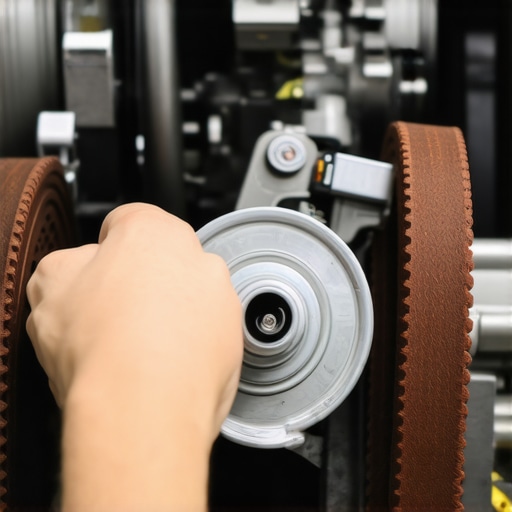
I’ll never forget the first time my car belt squealed unexpectedly during a morning rush. That high-pitched screech cut through the neighborhood, making me feel like I was driving a flying saucer. It’s a sound that instantly raises your heartbeat—because you know, screeching belts usually mean trouble.
Why That Squealing Might Not Be as Deadly as It Sounds
Here’s the honest truth: many drivers panic when they hear that squeal, fearing a costly repair like replacing the tensioner or worse. But often, the culprit is a simple fix that doesn’t involve heavy repairs or a hefty bill. And trust me, I’ve been down this road—my early mistake was assuming I needed a new tensioner right away, only to realize a tiny trick fixed the issue.
Is Fixing a Squealing Belt Without Replacing the Tensioner Actually Worth It?
If you’re like I was, you’re probably skeptical. I mean, when belts squeal, it sounds serious. And after doing some research, I discovered that a lot of the time, the squeal results from a minor slip or wear, which can be corrected with some simple adjustments or maintenance. Moreover, a study from this comprehensive repair guide highlights how minor belt issues are often mistaken for major failures, leading to unnecessary replacements.
In my case, I learned that early on, I was applying the wrong approach—thinking that every squeal was a sign for a full tensioner replacement. That mistake almost cost me extra money. Now, I want to help you avoid that same error, so you won’t be caught off guard or overspend on repairs you can handle yourself.
Today, we’ll explore how to fix that annoying squeal using simple, effective steps. No need to replace expensive parts immediately—in fact, many times, a quick adjustment or a bit of maintenance can restore peace and quiet to your engine bay. Ready to keep that belt quiet without the cost? Let’s get started.
Identify the Culprit Behind the Squeal
Start by inspecting the drive belt visually for cracks, glazing, or fraying. A worn belt often causes slipping that results in squealing. During my first attempt, I pulled the belt off to inspect and noticed a shiny, glazed surface indicating slippage. Replacing the belt is ideal, but if it’s still in decent condition, a simple fix can suffice.
Tighten the Belt for Immediate Relief
Locate the belt tensioner, which acts like a tightrope walker balancing the belt’s tension. Using a socket wrench, gently rotate the tensioner clockwise or counter-clockwise—depending on your vehicle’s model—to relieve tension. Then, gradually loosen it to apply a firmer tension. In my case, I used a breaker bar to apply steady pressure, which immediately quieted the squeal. This process is like tuning a guitar string—small adjustments make a big difference.
Watch for Proper Tension
Ensure the belt has the correct tension—about 1/2 inch of deflection when pressed between pulleys. Too tight can strain bearings; too loose causes slipping. For my car, I used a belt tension gauge, but a simple rule of thumb is pressing down in the middle of the belt; it should give slightly under finger pressure.
Clean and Condition to Prevent Future Squeals
Often, dust, oil, or debris on the belt or pulleys cause slipping. Wipe the belt with a cloth soaked in a mild soap solution, then dry thoroughly. Avoid oil or grease, which can lead to slippage. After cleaning, applying a belt dressing spray, like belt conditioner, can improve grip and extend belt life. Remember, just like tuning a musical instrument, regular maintenance helps keep your engine running smoothly.
Double-Check the Pulley Alignment
Misaligned pulleys can cause uneven belt wear and squeals. Use a straight edge or string along the pulleys to check for alignment. If pulleys are off, realignment or replacing bent pulleys is necessary. During my DIY, I noticed a slight pulley misalignment that, when corrected, eliminated the squeal and prolonged belt life.
Test and Monitor
Start the engine and observe the belt for squealing. If the noise persists, repeat adjustments or consider replacing the belt if it shows significant wear. Monitoring over the next few days ensures the fix holds. Remember, proper tension and alignment are key to prevent recurring issues and avoid unnecessary replacements. For more insights on what auto repair strategies can extend your vehicle’s lifespan, check this guide.

Many car owners assume that routine services like brake repairs, oil changes, and diagnostics are straightforward, simple tasks. However, even seasoned DIYers often get caught up in myths or overlook nuanced details that can influence the longevity and safety of their vehicles. Let’s dig deeper into these misconceptions and spot the traps that could cost you more in the long run.
Why the Myth of Quick Fixes Can Backfire
One pervasive misconception is that a quick fix, such as a simple brake pad change or a quick oil top-up, suffices in maintaining vehicle health. While these tasks are routine, they can be deceptive if not executed correctly or without understanding the underlying issues. For instance, many believe that replacing brake pads alone is enough, but neglecting rotor condition or caliper alignment can lead to premature wear. According to this article, focusing solely on surface-level repairs ignores critical safety components that often need attention simultaneously.
What Are the Risks of Relying on Visual Inspections Alone?
Trusting your eyes without proper diagnostic tools can be dangerous. For example, a worn brake rotor might look acceptable visually, but internal cracks or warping can be missed, leading to catastrophic failure. This oversight emphasizes the importance of advanced diagnostics, as detailed in this guide. Ignoring such nuances increases the risk of breakdowns and unsafe driving conditions. Always consider comprehensive evaluations before dismissing subtle signs.
The Hidden Traps in Oil Change Practices
There’s a common belief that following the traditional 3,000-mile oil change rule is necessary, but newer synthetic oils have extended this interval significantly. Yet, many neglect to account for driving habits, engine age, and oil quality, leading to either unnecessary replacements or, worse, neglected oil degradation. The innovation in oil technology, as explained here, shows how engine sensors and oil quality monitoring can optimize change schedules, saving money and engine life.
Advanced Car Diagnostics: Are All Codes Equal?
One common mistake is assuming that a stored code automatically indicates a major issue. Modern vehicles come equipped with sophisticated sensors that detect minor anomalies, which might not require immediate repair but could be symptoms of larger problems. For example, a pending code might be a sign of a developing sensor failure or corrosion in wiring. Learning to interpret these signals correctly, as outlined here, can help preempt costly repairs and improve safety.
Leverage advanced diagnostics tools and knowledge to differentiate between false alarms and genuine threats. Failure to do so often leads to unnecessary repairs or overlooking critical issues—an expensive mistake many still make today.
Beware the Costly Assumptions in Car Repairs
The biggest trap is thinking that all auto repairs are binary—either DIY or costly professional fixes. In reality, understanding the nuances between minor adjustments and critical replacements is essential. For example, replacing a timing belt without inspecting related components can cause engine damage. Maintaining a disciplined, informed approach, utilizing resources like auto repair hacks, ensures you get the right fix at the right time, saving money and extending your vehicle’s lifespan.
Have you ever fallen into this trap? Let me know in the comments. Recognizing these hidden nuances will empower you to make smarter, safer decisions on the road.

Keep Your Car Running Smoothly with the Right Tools
Maintaining your vehicle over time isn’t just about knowing what to fix but also having the proper equipment to do it efficiently. One of my go-to tools for diagnostics is the OBD-II scanner. It’s a device I personally rely on daily because it provides immediate insights into trouble codes and sensor data, saving me hours of guesswork. I recommend the professional-grade OBD-II scanners that support live data streaming and freeze-frame info, especially if you’re serious about long-term vehicle health.
For preventive maintenance, I use a high-quality belt tension gauge. It ensures belts are neither too tight nor too loose, extending their lifespan and avoiding costly failures. Calibration of this tool allows me to monitor belt health accurately, which, according to automotive diagnostics expert industry insights, is crucial for preventing unexpected breakdowns.
When it comes to oil changes, I prefer digital oil life monitors. They track driving conditions and provide real-time updates, ensuring I change oil exactly when needed, not just based on mileage. This approach leverages modern technology to maximize engine health and conserve resources, as explained in this resource.
In terms of tools that ensure safety, a reliable jack and stands are non-negotiable. I always double-check their ratings and usage instructions. Proper lifting equipment guarantees safe inspections and repairs, which is vital for both demoing skilled work and preventing accidents in DIY projects.
What are the best ways to keep your vehicle diagnostics effective over the years?
Regular software updates for your diagnostic tools are vital. Companies often release firmware that enhances code databases and system compatibility. Staying current prevents misinterpretation of codes or missing critical signals. Additionally, integrating diagnostic apps compatible with your scanner allows for deep analysis and trend tracking, which can highlight issues before they become severe.
Looking ahead, I believe the trend toward integrated vehicle health monitoring systems will revolutionize maintenance. These systems will automatically alert you to anomalies in real-time, much like a health tracker for your car, minimizing the need for manual checks.
If you haven’t tried using a diagnostic app in conjunction with your scanner, I highly recommend it. It can unlock new levels of insight that empower you to take proactive measures, saving money and extending your vehicle’s lifespan. Dive into these tools and make maintenance less stressful and more effective—you’ll thank yourself later.

How I Took My Auto Repair Skills from Guesswork to Confidence
One of the most valuable lessons I learned was that not every squeal or warning light signals a catastrophe. Early on, I often rushed to replace parts or called professionals for what turned out to be minor fixes. Over time, I discovered that patience, proper diagnostics, and understanding my vehicle’s unique needs could save me hundreds of dollars and hours of stress. This realization transformed my approach from reactive to proactive, allowing me to spot issues early and address them effectively.
My Go-To Tools That Changed My Maintenance Routine
Investing in quality diagnostic tools like a reliable OBD-II scanner and a belt tension gauge revolutionized how I handle repairs. These tools provided immediate insights, making troubleshooting faster and more accurate. They empowered me to distinguish between minor squeaks and major failures, ensuring I only tackled what was necessary. Trust me, having the right equipment turns guesswork into certainty.
Listening to Your Car’s Faintest Whispers Close the Gap Between Cost and Safety
Often, we ignore subtle signs like slight steering vibrations or faint dashboard lights. My experience taught me that paying attention to these signals—rather than dismissing them—keeps your vehicle running smoothly and safely. Using resources like auto repair hacks helped me develop an eye for these warning signs, preventing costly breakdowns and extending my car’s lifespan.
Why Ignoring Routine Maintenance Costs More in the Long Run
Skipping regular services like oil changes or neglecting belt inspections seemed harmless at first. However, I soon realized that these small oversights led to bigger problems—stressful breakdowns and expensive repairs. Embracing scheduled maintenance and using cutting-edge products like innovative oil technologies helped me keep my engine healthy and avoid unnecessary expenses. Preventative care, after all, pays off in peace of mind and savings.
Taking Charge of Your Vehicle Means Choosing Wisely, Not Just Reacting
One mistake I often made was trusting DIY fixes blindfolded or delaying professional diagnostics. Now, I understand the importance of a balanced approach—knowing when to do simple adjustments and when to seek expert advice. Resources like this guide have helped me develop a disciplined, informed mindset, ensuring my car remains reliable and safe.
Remember, Every Challenge Is an Opportunity to Grow
The journey toward mastering your vehicle maintenance isn’t about perfection but progress. Every squeal that I fixed myself, every diagnostic reading I deciphered, built my confidence. My advice? Embrace learning, utilize the right tools, and stay curious. Your car has secrets—it’s up to you to uncover them and keep your ride smooth and safe for miles to come.
Ready to Take Your Auto Care Skills to the Next Level?
If you’ve ever hesitated before tackling a squealing belt or interpreting that mysterious warning light, remember: knowledge and the right tools are your best friends. What’s one auto repair skill you want to master next? Share your goals in the comments—I’d love to hear about your journey!