
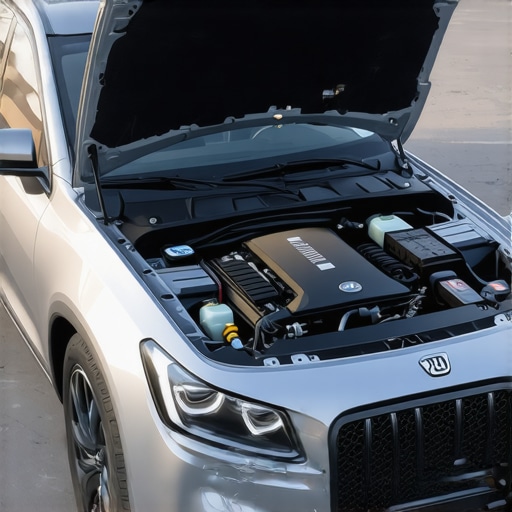
I remember the moment clearly. I was sitting in my driveway on a chilly morning, sipping coffee, when I noticed my car’s idle speed suddenly skyrocketed the moment I shifted into park. It was puzzling and a little unsettling—was I dealing with a minor glitch or something more serious? That lightbulb moment made me realize how often we overlook small irregularities in our vehicles, assuming they’ll sort themselves out. But the truth is, those little signs can hint at bigger issues lurking beneath the surface.
The Frustration of the High Idle in Park
If you’ve ever experienced your car’s engine revving unexpectedly when parked, you know how disconcerting it can be. Not only does it make you wonder if something’s wrong, but it can also lead to increased fuel consumption, accelerated wear and tear, and sometimes, even safety concerns. Yet, many drivers dismiss this behavior as normal, not realizing that it can be a symptom of underlying problems like vacuum leaks, faulty sensors, or issues with the idle control system.
Ever Felt That Anxiety Over a Stubborn Idle?
Early in my troubleshooting, I made a common mistake: I assumed that a high idle was simply a quirk of the vehicle model or that it would fix itself over time. Instead, I learned that ignoring such signs could lead to more costly repairs down the line. According to decoding vehicle diagnostics, understanding what your car is trying to tell you is crucial to maintaining its health and performance.
If you’ve been frustrated by this peculiar idle behavior or worried about what it might be signaling, don’t worry. Together, we’ll explore the most common causes and practical troubleshooting steps that can save you time and money. Ready to demystify this issue? Let’s dive into the specifics and get your car running smoothly again!
.
Start with a Visual Inspection
Before diving into complex diagnostics, perform a quick visual check under the hood. Open the hood and look for disconnected or cracked vacuum hoses, especially the intake boot, which can mimic engine issues like a failing fuel pump. Ensure all hoses are securely attached and free of damage. I once fixed a high idle on my friend’s car by simply reattaching a loose vacuum line, which immediately resolved the issue.
Check the Idle Control System
The most common cause of a high idle is a malfunctioning idle air control (IAC) valve or motor. Locate the IAC, usually near the throttle body. Remove and clean it with a throttle body cleaner; buildup can cause sticking. If cleaning doesn’t help, consider replacing it. During my last fix, cleaning the IAC improved idle speed, but replacement was necessary when it still stuck after cleaning.
Test the Throttle Position Sensor
The throttle position sensor (TPS) communicates with the engine control unit (ECU) about throttle opening. Using a multimeter, test for smooth voltage changes as you manually rotate the throttle. A faulty TPS can send incorrect signals, causing the engine to idle high. I once replaced a TPS based on inconsistent voltage readings, which returned the idle to normal.
Scan for Diagnostic Trouble Codes
Utilize an OBD-II scanner to identify underlying issues. Plug it into your vehicle’s port and read codes related to idle control or sensors. Codes like P0505 indicate a problem with the idle air control system. In my experience, scanning often pointed me toward faulty sensors or vacuum leaks I had missed.
Address Vacuum Leaks
Vacuum leaks are notorious for causing high engine idle speeds. Spray carb cleaner or brake cleaner around hoses and intake manifold gaskets while the engine runs. A sudden increase in RPM indicates a leak. I found a cracked intake manifold gasket this way, which I replaced to restore proper idle speed.
Inspect and Clean Mass Air Flow Sensor
The MAF sensor measures air entering the engine; debris can cause false readings, leading to high idle. Carefully remove it and clean with a dedicated MAF cleaner. After cleaning, reconnect and test drive. Once, cleaning the MAF resolved a persistently high idle, saving me a costly repair.
Evaluate the EGR System
A stuck open Exhaust Gas Recirculation (EGR) valve can cause rough or high idle. Remove and inspect the EGR valve for carbon buildup. Clean or replace it if necessary. During a session, I cleaned a clogged EGR valve, which eliminated the high idle problem and improved engine performance.
Test and Replace Faulty Sensors
Beyond the TPS and MAF, other sensors like the coolant temperature sensor can affect idle speed. Use the scan tool or multimeter to evaluate sensor readings against specifications. Replace faulty sensors to prevent inaccurate signals from confusing the ECU.
Confirm Repair and Re-Adopt Properly
After addressing potential causes, clear error codes and take your car for a test drive. Monitor idle speed and engine behavior. In my case, following these steps systematically allowed me to restore normal idle, avoiding unnecessary parts replacement and saving money.
Remember, routine maintenance like oil changes can keep sensors and valves clean, reducing the likelihood of irregular idle issues. Regularly inspecting hoses and sensors as part of your vehicle upkeep ensures smooth engine operation and prolongs vehicle lifespan. For more detailed tips on vehicle maintenance, check out comprehensive brake maintenance or auto repair hacks.
When it comes to vehicle diagnostics and maintenance, many drivers rely on common myths or oversimplified solutions that can actually lead to more harm than good. One widespread misconception is that resetting the check engine light without addressing the root cause will solve the problem. In reality, simply clearing codes with an OBD-II scanner without diagnosing the underlying issue can mask serious problems, leading to costly repairs down the line. Experts like those at decoding vehicle diagnostics emphasize the importance of interpreting fault codes accurately rather than just erasing them.
Many assume that the cheapest oil change service is always the best option. However, choosing low-quality oils or neglecting technological innovations in oil formulations can jeopardize engine longevity. Modern oils contain advanced additives that not only improve lubrication but also combat sludge buildup, as discussed in oil change technologies. Skimping on quality, especially with synthetic oils, might save money upfront but often results in higher costs over time due to engine wear.
A common mistake in brake maintenance is to ignore subtle signs of wear, thinking they can wait until a scheduled service. Brake pads can produce squeals or vibrations well before reaching critical thickness, and neglecting these cues can cause rotor damage or even brake failure. To avoid this, regular inspections are key—don’t just wait for a brake warning light. Relevant insights are available in brake service myths. Preventative care here is not just about safety but also about saving money.
Let’s consider the advanced nuances that often trip up even seasoned enthusiasts. For example,
Could a failing coolant temperature sensor cause your engine to appear perfectly fine but secretly be damaging your fuel economy?
Although a malfunctioning sensor might not trigger an engine warning immediately, it can cause the ECU to run rich or lean, reducing efficiency and increasing wear over time—a subtlety many overlook. Studies show that accurate sensor readings are critical for optimal engine performance, highlighting the importance of understanding sensor diagnostics beyond just reading error codes.
In summary, don’t fall into the trap of superficial fixes or assumptions. Vehicle diagnostics and maintenance require a nuanced approach, combining proper tools, knowledge, and attention to minor details. Doing so not only extends your vehicle’s lifespan but also saves money and keeps you safe on the road. Have you ever fallen into this trap? Let me know in the comments.
Keeping It Working for the Long Haul
When it comes to maintaining your vehicle’s health, having the right tools and a consistent strategy is essential. I personally rely on a high-quality OBD-II scanner like the Autel MaxiCOM MK808 because it provides comprehensive diagnostic data, allowing me to quickly identify issues before they escalate. This device is invaluable for reading and clearing fault codes, which helps prevent small problems from turning into costly repairs. Additionally, I recommend investing in a digital multimeter such as the Fluke 115. Its precision is perfect for testing sensors and electrical connections, ensuring my vehicle’s systems are functioning optimally.
Beyond hardware, software solutions like decoding vehicle diagnostics tools help interpret the data generated by these devices. I use AutoEnginuity’s ScanTool for its user-friendly interface and detailed reports, which are essential for long-term planning and scheduling preventive maintenance. Regularly updating the firmware and software of these tools ensures compatibility with newer vehicle models and keeps diagnostics accurate.
What steps can you take to ensure your tools stay reliable over time?
First, store your diagnostic devices in a cool, dry place to prevent corrosion and malfunctions. Regular calibration, especially for multimeters, maintains their accuracy. Also, make a habit of cross-referencing codes with authoritative resources or professional forums to interpret findings correctly. Over time, this disciplined approach acts like a health checkup for your vehicle’s systems, catching potential issues early and maintaining peak performance.
Looking ahead, I believe that the integration of artificial intelligence will revolutionize vehicle diagnostics, making these tools even more intuitive and predictive. Imagine systems that not only tell you what’s wrong but also suggest optimal repair strategies based on data patterns. Embracing these innovations will empower drivers to maintain their vehicles with greater confidence and efficiency.
How do I maintain my diagnostic tools to ensure accuracy over the years?
To keep your tools in top shape, routine calibration is a must—especially for multimeters. Additionally, updating your software regularly ensures compatibility with the latest vehicle models and diagnostic protocols. Cleaning your devices and storing them properly also prolong their lifespan. Remember, reliable tools are the backbone of effective long-term maintenance, helping you catch issues early and save money on costly repairs.
Don’t underestimate the power of a good diagnostic routine. Start by integrating a trusted scanner like the AutoEnginuity ScanTool into your maintenance schedule. With consistent use and proper care, you’ll be able to keep your vehicle running smoothly for years to come.
The Hardest Lesson I Learned About vehicle diagnostics,brake service,auto repair,oil change
One of the most profound lessons I encountered was realizing that trusting superficial fixes often leads to recurring issues. I used to believe that a quick reset of the check engine light was enough, but I learned that understanding the root cause through proper diagnostics is essential. This approach not only saves money but also extends the life of your vehicle.
My Favorite Tools That Changed How I Approach Repairs
Tools like the AutoEnginuity ScanTool and a reliable multimeter have been game-changers for me. They provide accurate insights and help me identify issues early, avoiding costly repairs. Investing in quality tools is a small price for peace of mind and vehicle longevity.
What I Wish I Knew About Routine Maintenance
Regular inspections of components like vacuum hoses, sensors, and fluids can prevent many problems. I used to neglect small signs, leading to bigger breakdowns. Now, I proactively check these elements, making maintenance less stressful and more cost-effective. Remember, prevention is always better than cure.
Curiosity Sparks Action: How Can You Improve Your Vehicle Care?
Taking charge of your vehicle’s health starts with education and the right tools. I encourage you to explore resources like top auto repair tips and invest in quality diagnostic equipment. The more you learn, the better your decisions will be, ultimately keeping your car reliable and safe for years to come.