
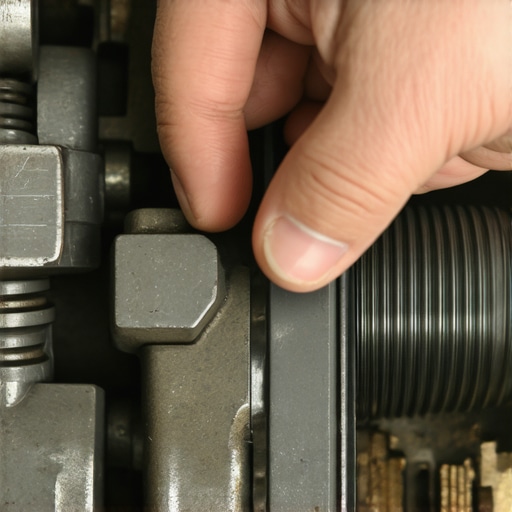
It happens every time I pull up to a red light—an unmistakable jolt, like my car’s trying to remind me it’s got a personality of its own. At first, I brushed it off as just another quirk of aging. But then, that jerk became more pronounced, almost like a miscommunication between the gears. One day, I finally realized my transmission was sending me a loud and clear signal—something wasn’t right. That lightbulb moment made me dig into the root cause, and I want to share what I’ve learned, so your car doesn’t give you the same headache.
Why Your Transmission Clunks When You Stop and Why It Matters
Here’s the thing: when your transmission makes that unsettling clunk just as you come to a stop, it’s more than just an annoyance. It’s a sign that something’s off—potentially a worn-out component, low transmission fluid, or a deeper issue lurking beneath the surface. If left unchecked, these small signs can escalate into costly repairs or even dangerous driving conditions. That’s why addressing these symptoms early can save you money and keep you safe on the road.
Early on, I made the mistake of ignoring that clunk, thinking it was just a normal part of an aging vehicle. I later discovered that overlooking such signals can lead to brake and transmission damage. According to automotive experts, unnoticed transmission issues can cause the entire drivetrain to fail prematurely, leading to exorbitant fixes. So, if you’re experiencing similar symptoms, don’t wait—tackle it now before it turns into a bigger problem.
Is Transmission Clunking Really Something I Should Worry About?
Absolutely. That familiar jolt is not just a quirky hiccup—it’s your vehicle’s way of warning you about underlying problems that, if ignored, could leave you stranded. The good news is, many of these issues are fixable with careful diagnosis and proper maintenance. For a deeper understanding, you might want to explore how advanced vehicle diagnostics can help identify and solve problems early.
Reflecting on my own journey, I realize the importance of paying attention to those subtle signals. Early diagnosis and maintenance can prevent disaster on the road—saving you money, stress, and the inconvenience of breakdowns. In the next sections, I’ll walk you through practical steps to diagnose and resolve that clunking issue, so you can keep your vehicle running smoothly and confidently.
Check Your Transmission Fluid First
Start by inspecting your transmission fluid level and condition. Park your car on a flat surface, engage the parking brake, and locate the transmission dipstick (consult your vehicle manual if needed). Pull out the dipstick, wipe it clean with a cloth, reinsert it fully, then pull it out again to check the level. If it’s low, top it off with the recommended transmission fluid. Also, examine the fluid’s color and smell; burnt or dark fluid indicates it’s time for a fluid change. I once noticed a faint burnt smell from my fluid, which prompted me to a quick fluid replacement that immediately eased the clunking issue.
Many car owners believe that basic maintenance habits, like routine oil changes or brake inspections, are sufficient to keep their vehicles running smoothly. However, a common mistake is assuming that these tasks are all the car needs, without understanding the nuanced diagnostics that reveal deeper issues. For instance, relying solely on regular oil changes without considering advanced diagnostics can leave hidden problems unaddressed, risking costly repairs down the line. According to automotive experts, advanced vehicle diagnostics are crucial for uncovering issues that conventional checks might overlook, especially in modern cars with complex electronic systems.
Why do many drivers overlook the subtleties of auto diagnostics?
It’s because most think of vehicle maintenance as a reactive process—fixed when something breaks—rather than proactive, using sophisticated tools to detect potential failures early. This misconception can lead to overlooked symptoms that seem benign but are actually signs of imminent trouble. For example, a slight hesitation during acceleration could be mistaken for normal wear, but with proper diagnostics, it might reveal a failing sensor or clogged fuel injector. Investing in easy checks before long trips can save you from breakdowns in the middle of nowhere.
Moreover, many underestimate the importance of precise diagnostics because they associate ‘auto repair’ solely with replacing parts. In reality, understanding the root cause of symptoms leads to smarter, more targeted repairs, saving time and money. This is especially vital with modern vehicles featuring advanced electronic control units (ECUs) that constantly monitor systems; neglecting these can mean missing the early warning signs. Skimping on diagnostics often results in replacing expensive components unnecessarily or, worse, ignoring symptoms that could compromise safety.
How can misdiagnosis compromise your safety and wallet?
Incorrect diagnosis during routine maintenance or repairs can escalate minor issues into major failures. For instance, misjudging a transmission problem as a simple fluid issue might delay an essential repair, causing severe damage that costs thousands to fix. Plus, a misdiagnosed brake system problem could lead to brake failure, putting your safety at risk. This is why it’s critical to consult experts equipped with modern diagnostic tools—like those explained in decoding vehicle diagnostics—who can interpret the complex signals your vehicle provides. Regularly updating your maintenance approach based on accurate diagnostics helps you avoid these traps, ensuring your car remains safe and reliable.
In conclusion, understanding the nuances of vehicle diagnostics goes beyond the basics. Many misconceptions hinder drivers from recognizing the importance of proactive, precise assessments—something that can greatly extend your car’s lifespan and safety. Next time you visit your mechanic, ask about comprehensive diagnostics and how they can catch problems before they become expensive repairs. Remember, a well-maintained vehicle isn’t just about changing oil—it’s about reading the signs and responding intelligently. Curious about how to optimize your auto repairs? Feel free to reach out for expert advice. Have you ever fallen into this trap? Let me know in the comments.
Equip Yourself for Reliable Auto Maintenance
Maintaining your vehicle’s health over time requires both the right tools and a clear strategy. Personally, I rely on a high-quality OBD-II scanner like the BlueDriver because it provides comprehensive diagnostics right at my fingertips. It allows me to identify engine trouble codes, monitor sensor data in real time, and assess emission system performance, all without visiting the mechanic. Such devices have become indispensable in proactive maintenance, helping me catch issues early before they turn into costly repairs.
Alongside an OBD-II scanner, I recommend investing in a digital multimeter. I use mine regularly to check battery voltage, inspect electrical components, and ensure sensors are functioning correctly. This simple yet powerful tool saves me money and gives peace of mind, especially when diagnosing wiring problems or testing fuses.
Implementing Advanced Diagnostics in Daily Care
Modern vehicles are equipped with complex electronic systems, making traditional visual inspections insufficient. Regularly using your diagnostic tools can reveal hidden issues. For instance, I use the decoding vehicle diagnostics guide to interpret data from my scanner, helping me understand what my car’s trying to communicate. Routine scans every few months can prevent breakdowns, improve fuel efficiency, and extend your vehicle’s lifespan.
Another device I find invaluable is a tire tread depth gauge. Ensuring proper tire tread isn’t just about safety; it also improves fuel economy and handling. Checking tread depth periodically allows me to plan timely replacements, avoiding uneven wear or tire blowouts.
Stay Ahead with Preventive Maintenance
Tools alone aren’t enough; effective maintenance relies on consistent routines. For example, I follow the top auto repair tips to keep my vehicle running smoothly. This includes regular oil changes, brake inspections, and fluid checks. Using innovative products, such as synthetic oils and specialized additives, can enhance engine performance and longevity. Learn more in this guide to oil change innovations.
Future Trends and Personal Strategy
The automotive industry is leaning toward greater automation and smarter diagnostics. I predict that integrated, AI-powered diagnostic systems will become standard, making vehicle health monitoring even more accessible. To stay ahead, I plan to adopt more connected tools and keep my vehicle software updated—the same way I update my smartphone—to ensure I benefit from the latest features and security patches.
How Can I Maintain Auto Repair Effectively Over Time?
If you’re serious about keeping your car in excellent condition, establishing a routine of regular diagnostics and part replacements is key. Schedule biannual scans to catch minor faults early, and don’t overlook the importance of quality replacement parts. Remember, using reputable repair strategies and integrating the right tools can significantly extend your vehicle’s lifespan. For personalized advice tailored to your car, don’t hesitate to reach out. Ready to take your vehicle care to the next level? Try calibrating your diagnostic tools today and see the difference it makes in your auto maintenance routine.
Lessons That Changed My Approach to Car Care
One major lesson I learned is that paying attention to subtle vehicle signals can prevent costly repairs and enhance safety. Ignoring small symptoms like a slight vibration or unusual noises often leads to bigger problems down the road. I also realized the importance of proactive diagnostics—using tools like an OBD-II scanner—to catch issues early. Lastly, understanding that not all repair advice is created equal empowered me to ask the right questions and seek trustworthy sources for vehicle maintenance insights.
Tools and Resources That Made a Difference
My essential toolkit includes a reliable OBD-II scanner, which helps me interpret diagnostic trouble codes quickly. I also trust comprehensive guides like auto repair hacks to learn smart maintenance strategies. Books such as top auto repair tips have expanded my understanding beyond basic troubleshooting. These resources collectively enable me to be proactive and confident in my vehicle care.
Fueling My Drive for Better Car Maintenance
Taking control of auto diagnostics and maintenance has been a game-changer. I encourage you to start integrating regular diagnostic scans—it’s easier than you think and offers peace of mind. Remember, a well-maintained vehicle isn’t just about avoiding breakdowns; it’s about enjoying a safer, smoother ride every day. If you’re ready to elevate your auto care routine, explore the tools and knowledge available—your car will thank you. Have you noticed any early warning signs in your vehicle that you might have overlooked? Share your experiences below and let’s learn together!