
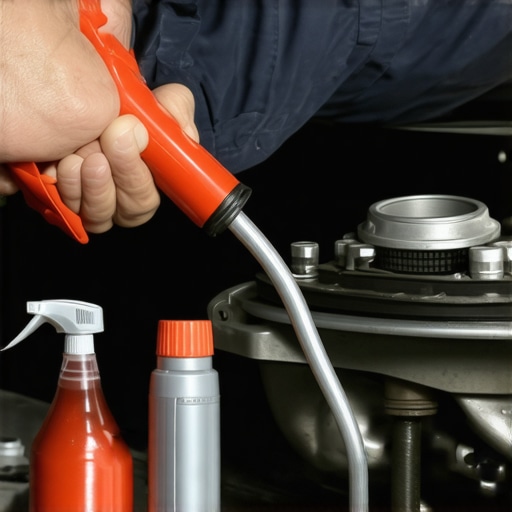
You know that sinking feeling when your steering wheel becomes difficult to turn on a cold morning, or you hear that unsettling whining noise when you start your drive? Years ago, I ignored these signs, thinking they were just minor hiccups. But one day, my old GMC protested loudly during a turn, and I realized I’d let things slide too long. That moment of frustration and realization sparked a deep dive into the often-overlooked maintenance routines, especially the mysterious process of flushing power steering fluid. Turns out, I learned some eye-opening lessons—ones I wish I’d known sooner.
Why Ignoring Power Steering Fluid Maintenance Is a Risk I Learned the Hard Way
Maintaining your vehicle’s power steering system isn’t just about keeping things smooth and effortless—it’s about preventing costly repairs and ensuring safety on the road. It’s easy to overlook, especially since most drivers only think about fluid changes for oil or coolant. But over time, your power steering fluid accumulates dirt, metal debris, and loses its lubricating qualities. Neglecting this can lead to worn-out pumps, damaged steering racks, or worst-case scenario, complete steering failure.
Early in my car ownership days, I made a rookie mistake: I thought topping off the fluid was enough. Ignored the signs of contamination and didn’t bother with a flush. That was a costly oversight. According to automotive experts, _regularly flushing and replacing power steering fluid can extend system life and save hundreds of dollars in repairs_ (source: https://repairmycarpro.com/oil-change-innovations-technologies-that-save-your-engine). If you’ve experienced steering stiffness or whining noises, you’re not alone—and understanding what’s happening under the hood is your first step to fixing it.
Have you ever faced steering issues that baffled you? If so, keep reading, because I’m about to share the simple steps I took to restore my steering system and how you can do the same. The key lies in proper diagnosis and knowing when it’s time to flush, not just top off. But first, let’s explore the common fears and misconceptions about this vital maintenance task.
Is Flushing Power Steering Fluid Really Necessary or Just a Sales Gimmick?
One of the biggest doubts I had initially was whether flushing was truly essential or just a marketing tactic. Early on, I fell for the idea that a quick top-off would suffice and didn’t want to get into anything complicated or costly. Honestly, I was scared I might do more harm than good. It wasn’t until I learned that old, contaminated fluid can cause more damage than neglect—leading to expensive replacements—that I realized how crucial this service actually is. Fortunately, with the right tools and knowledge, flushing is straightforward and affordable. It’s all about knowing the signs and timing—things I’ve since mastered by consulting reliable automotive guides like [RepairMyCarPro](https://repairmycarpro.com/auto-repair-hacks-save-money-without-sacrificing-quality). So yes, flushing works—and it can truly prevent a steering catastrophe.
Understanding the importance of this simple yet effective maintenance step can save you a lot of headaches down the road. Now, let’s get into how exactly you can take control of your vehicle’s steering health and when to perform this vital service.
Jack Up Your Vehicle Safely
Begin by parking your car on a level surface, engaging the parking brake. Use a hydraulic jack to lift the front of your vehicle and secure it with jack stands. Place wheel chocks behind the rear tires to prevent any rolling.
Locate and Remove the Power Steering Fluid Reservoir
Find the reservoir under the hood, usually marked with steering fluid symbols. Clean the area around the cap to prevent debris from falling in. Carefully remove the cap to access the fluid.
Drain the Old Fluid
Attach a suitable hose to the reservoir’s drain valve or use a turkey baster if accessible. Place the other end into a container. Pump or withdraw the fluid until the reservoir is nearly empty. Be prepared for some residual fluid to remain in the lines and pump.
Note: For a thorough flush, you may need to disconnect the low-pressure return line and cycle new fluid through the system. This process is more involved; if uncertain, consult a professional or detailed repair guide.
Refill with Fresh Power Steering Fluid
Pour the recommended type and amount of new fluid into the reservoir. Refer to your vehicle’s manual or repair guide to determine the correct fluid and quantity. Use a funnel to avoid spills.
Bleed the System to Remove Air Bubbles
Start the engine and turn the steering wheel from lock to lock several times. This helps circulate the fluid and expel trapped air. Keep an eye on the fluid level, adding more as necessary during this process.
Check for Leaks and Test Drive
Inspect all connections and hoses for leaks. Lower the vehicle carefully. Take the car for a test drive, paying attention to steering response and noise levels. Recheck the fluid level after driving and top off if needed.
Benefits of Doing It Yourself
While it might seem messy at first, performing a power steering fluid flush yourself can save money and give you confidence in your vehicle’s maintenance. Plus, you’ll understand your car better, recognizing early signs of trouble and avoiding costly repairs. If you’re unsure about any step, repairs are always available through professional automotive services, or learn more at this guide on diagnostics.
 Many car owners operate under misconceptions about auto repair, vehicle diagnostics, brake service, and oil changes, often leading to costly mistakes. Let’s dig deeper into some of the most overlooked nuances and debunk prevalent myths. Unlike the popular belief that all repairs are equally complex, understanding the specifics can protect your budget and enhance safety.
For instance, a widespread myth is that vehicle diagnostics are only necessary when a warning light appears. In reality, modern cars silently communicate issues through subtle signals or performance changes long before lights activate. Regularly decoding vehicle diagnostics—the practice detailed in guides like this resource—can reveal hidden problems, preventing breakdowns.
A common trap with brake service is assuming that squealing always indicates worn pads. While this is sometimes true, it can also signify issues like sticking calipers or contaminated brake fluid, which require different solutions. Routine brake service focuses on comprehensive evaluation, not just replacing pads.
Many underestimate the importance of high-quality oil changes. The misconception that all oils are alike persists, but as this article explains, synthetic oils and advanced filtration technologies significantly extend engine life, especially in demanding driving conditions.
Why is it crucial to understand these subtleties? Because complacency can lead to overlooking early warning signs or opting for cheap fixes that compromise safety and performance. For example, neglecting minor coolant leaks may escalate into engine overheating, which is far more damaging than a straightforward repair.
Have you ever fallen into this trap? Let me know in the comments. Embracing detailed knowledge about auto maintenance helps avoid costly surprises and keeps your vehicle running smoothly for years to come. Remember, proactive care and understanding the nuances set apart the seasoned car owner from the novices.
Keeping your vehicle in top shape over the long term requires more than just routine visits to the repair shop. Having the right tools and understanding their applications can drastically simplify maintenance tasks and extend your vehicle’s lifespan. As someone who’s been hands-on with auto repairs for years, I can attest that investing in specific, high-quality equipment saves money and prevents headaches down the line.
Invest in a Quality Diagnostic Scanner
For modern vehicles, a versatile OBD-II scanner isn’t just a nicety but a necessity. I personally recommend the BlueDriver Bluetooth Pro because it offers comprehensive code reading, live data streaming, and advanced diagnostics that are accessible via your smartphone. This device allows me to quickly identify hidden issues, decode error codes, and monitor real-time performance metrics, which helps in making informed repair decisions and avoiding unnecessary shop visits.
Use a Reliable Fluid Extractor
When performing oil changes or fluid replacements, a good pump-style fluid extractor is invaluable. I prefer models with transparent reservoirs and ergonomic handles because they make the process cleaner and more comfortable. For example, my Mityvac extractor has a flexible, durable hose that reaches difficult areas and minimizes spillage—saving me cleanup time and ensuring accurate fluid removal.
Get a Digital Torque Wrench
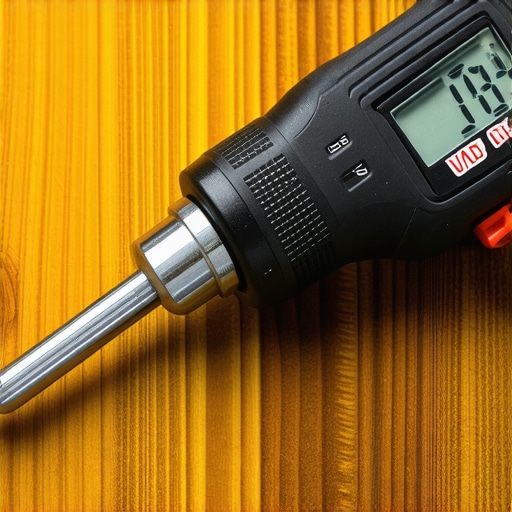
Proper tightening is critical, especially for sensitive components like cylinder head bolts or wheel studs. I use a digital torque wrench that provides precise readings, often to within a few inch-pounds. This tool prevents overtightening, which can damage parts or cause leaks. Investing in a reliable torque wrench has paid off by preventing costly repairs related to improper tightening.
Maintain a Quality Set of Hand Tools
In my toolkit, a comprehensive set of ratchets, sockets, screwdrivers, and pliers—preferably with lockable handles and corrosion-resistant finishes—are fundamental. High-quality tools from brands like Snap-on or Craftsman ensure durability and ease of use. These tools allow for efficient repairs and maintenance, whether replacing brake pads or inspecting belts.
Embrace Software for Vehicle Management
Beyond physical tools, digital apps that track maintenance schedules can be real game-changers. For example, I use top auto repair tips that emphasize scheduled upkeep. Setting reminders for oil changes, fluid flushes, and inspections ensures you don’t forget vital maintenance, ultimately saving money and time.
Looking Ahead: Future Trends in Vehicle Maintenance
As vehicles become increasingly sophisticated, integrating software diagnostics, machine learning algorithms, and even remote monitoring will revolutionize maintenance routines. Vehicles will alert owners proactively about service needs, reducing breakdowns and extending their lifespan even further. Staying updated with these trends means investing in adaptable tools now, like wireless diagnostic scanners and maintenance apps, which will keep you ahead of potential issues.
How do I maintain vehicle tools over time?
Proper care and calibration are key. Regularly clean your tools to prevent corrosion, store them in a dry, organized toolbox for quick access, and periodically check calibration—especially for torque wrenches—using professional standards. Maintaining your tools ensures they perform accurately when you need them most. For advanced tips on tool maintenance, consider visiting this contact page for expert guidance.
If you haven’t tried a digital torque wrench yet, I highly recommend giving it a shot on your next brake service or wheel installation. Precision matters, and modern tools make it easier than ever to do it right. Click here to explore options that match your needs and budget.
Uncover the Hidden Pitfalls That Nearly Cost Me Thousands
One of the most eye-opening lessons I learned was how neglecting simple maintenance like flushing power steering fluid can lead to costly repairs. Missing the subtle signs of contamination or system wear prevented me from catching issues early, emphasizing the importance of routine checks and understanding when to perform a proper flush instead of just topping off fluids.
Steer Clear of Auto Repair Myths That Can Hold You Back
Like many car owners, I once believed that all vehicle diagnostics were unnecessary until a warning light forced my hand. Learning that modern vehicles communicate their issues silently and proactively changed my approach, leading me to prevent breakdowns and save money. Knowing what myths to dismiss—in brake service, oil changes, or diagnostics—can be a game-changer for maintaining your vehicle’s longevity.
Investing in the Right Tools Transformed My Maintenance Routine
From digital torque wrenches to Bluetooth diagnostic scanners like the BlueDriver Bluetooth Pro, choosing quality tools made a tangible difference in my auto repair confidence. These tools not only saved me money but also deepened my understanding of my car’s needs, making maintenance a rewarding experience rather than a dreaded chore.
Now It’s Your Turn to Make a Difference
Don’t wait until steering becomes stiff or odd noises dictate your schedule. Take charge of your vehicle’s health today by applying what you’ve learned about fluid maintenance and diagnostics. Your car—and your wallet—will thank you for it. Are you ready to take the next step in mastering your auto care skills? Feel free to share your challenges or successes below—let’s keep the conversation rolling!