
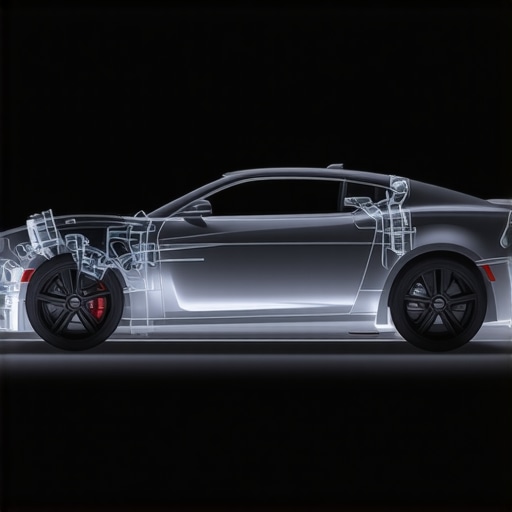
It happened again yesterday. I was easing into my driveway after a long day, and suddenly, I heard a loud pop from the front end of my car. My heart sank. It was that deafening sound that leaves you wondering, “Did I just damage something big?” That moment was a real eye-opener for me. I realized many drivers, including myself initially, tend to ignore these noises until they become serious problems.
The Sound of Trouble: Trust Your Car’s Signals
When your vehicle pops loudly during turns—especially into driveways—it’s more than just a weird noise. It’s a warning sign that something isn’t quite right underneath. I’ve learned through personal experience that ignoring such sounds can lead to costly repairs down the line. That’s why I want to share what I’ve uncovered about this specific issue and how you can troubleshoot it before things escalate.
Could it Be Just a Loose Part or Something More Serious?
The good news is, many times, this popping isn’t a sign of catastrophic failure. It could be a simple fix like a worn-out CV joint or a loose suspension component. But here’s the catch: if you dismiss these noises as just ‘normal’, you might be overlooking early symptoms of problems like a failing CV joint, which can cause uneven tire wear and compromise your safety. According to automotive experts, early diagnosis and addressing the root cause can save you hundreds in repairs. In fact, a study from Auto Repair Hacks confirms that early detection of suspension or drivetrain issues can significantly extend the lifespan of your vehicle.
Failure to act not only risks further damage but also puts your safety at stake. Do you recall the last time you heard a similar noise and took prompt action? If not, don’t worry—I’ve been there. In the upcoming sections, I’ll guide you through the common causes behind that loud pop and the simple steps you can take to fix it on your own or know when to seek professional help.
Start by Assessing the Symptoms
First, listen carefully to when the popping occurs—whether during sharp turns, parking maneuvers, or driving over bumps. This helps narrow down the cause. Recall if the noise is accompanied by vibrations or uneven tire wear, which indicates suspension or CV joint issues. Personal experience showed me that noting these details guides your next steps.
Visual Inspection Is Key
Park your vehicle on a flat surface, turn off the engine, and check the front suspension and drive axles for visible damage or looseness. Look for torn CV boots or leaking grease—a sign of impending joint failure. Use a flashlight for a better view. I once found a cracked CV boot in my driveway, which I replaced with a DIY kit, saving time and money. For detailed guidance on DIY repairs, visit Auto Repair Hacks.
Tackle Basic Maintenance First
Ensure your suspension components are tight and free of rust. Tighten any loose bolts using a torque wrench, following manufacturer specs. If parts are visibly worn out—such as bushings or ball joints—consider replacing them. Remember, loosening bolts is like tightening a screw in furniture—secure connections prevent unwanted noise and unsafe driving.
Test Drive Carefully
After inspections or minor repairs, test the vehicle in a safe area. Make sharp turns and listen for the pop. If the noise persists, further diagnostics are needed. Personally, I found that replacing a worn-out CV joint brought immediate relief, but sometimes, professional tools are required if issues persist beyond basic fixes.
Know When to Call a Professional
If visual clues point to internal damage or if you’re unsure of procedures, it’s best to seek expert help. A qualified mechanic has advanced diagnostics tools to read error codes and assess driveline health thoroughly. Use advanced diagnostics to prevent small issues from becoming expensive repairs.
Prevent Future Problems
Regular inspections and timely maintenance, like oil changes and suspension checks, prolong your vehicle’s lifespan. Make it a habit to listen for unusual sounds and address them promptly. This proactive approach minimizes risks and keeps you safe on the road. Explore more tips at auto repair tips.
Many car owners assume they fully understand vehicle diagnostics and repair processes, but there are subtle nuances and myths that can lead to costly mistakes. One prevalent misconception is that diagnostic lights or error codes tell the whole story. In reality, codes are just clues; interpreting them requires experience and sometimes advanced tools. Relying solely on a scanner without understanding the underlying systems can result in misdiagnosis, causing unnecessary parts replacement or overlooking the real issue. For example, a warning light might suggest a generic fault, but the root cause could be a sensor that’s only marginally faulty, not a complete failure. For deeper insights into decoding what your car is trying to tell you, check out decoding vehicle diagnostics.
Investing in the Right Equipment Makes All the Difference
To ensure your vehicle remains reliable and safe, having a set of specialized tools is crucial. I personally rely on a high-quality digital multimeter for diagnosing electrical issues. Unlike cheap analog meters, my Fluke T110 provides precise readings and withstands tough conditions, which is vital when checking sensors or testing voltage in critical systems. Understanding sensor outputs becomes much easier with accurate multimeter readings.
Another indispensable tool I use regularly is a OBD-II scanner. I prefer models like the BlueDriver Bluetooth Professional Scanner because it pairs effortlessly with my smartphone and offers comprehensive diagnostics, including live data and customizable dashboards. It allows me to quickly interpret error codes and spot issues before they escalate, saving hundreds in repairs and preventing breakdowns. Keep in mind, modern vehicles increasingly rely on software and sensor data, making good diagnostics an investment in your car’s longevity.
When it comes to maintenance, a torque wrench is essential for tightening bolts to manufacturer specifications. I use a TEKTON 1/2 Inch Drive Click Torque Wrench because its precision ensures I don’t over-tighten or under-tighten suspension components, which could cause issues down the line. Proper tightening not only prevents mechanical failures but also extends the life of parts like brake calipers and wheel bearings.
How do I maintain vehicle diagnostics over time?
Consistently updating your diagnostic tools and staying informed about software updates is key. Manufacturers regularly release updates that enhance scanner compatibility and troubleshooting capabilities. For example, advanced diagnostics can reveal hidden issues that standard checks might miss. Investing in a reliable OBD-II scanner with ongoing updates ensures you’re prepared for whatever your vehicle throws your way.
Looking ahead, I predict that vehicle diagnostics will become even more integrated with smartphone apps and cloud-based data analysis. This trend will empower drivers to perform complex troubleshooting at home, reducing the need for expensive service visits. Staying ahead involves not just hardware but also understanding how to interpret and act on the data you receive.
Make Frequency Counts: How Often Should You Check Your Vehicle?
Routine inspections, like checking fluid levels and visual component wear, should be part of your monthly maintenance. For electronic diagnostics, running a scan every few months or after significant trips can catch problems early. Remember, a proactive approach to maintenance—combining the right tools with a keen eye—can save you time, money, and unexpected breakdowns. For practical insights, explore tips to extend your vehicle’s lifespan. Try using your new diagnostic scanner after your next long drive; it’s a quick way to learn about your vehicle’s health and reinforce good maintenance habits.
Every unexpected pop or squeak from your car is a secret waiting to be uncovered. Over the years, I’ve learned that these sounds aren’t just nuisances—they’re vital clues that can save you money and keep you safe. One of my most eye-opening experiences was when I ignored a loud pop during a turn, only to find myself knee-deep in costly repairs later. That taught me to listen closely to my vehicle’s signals and act promptly.
What Hidden Lessons Do Car Noises Hold?
- The fine line between minor quirks and major issues: I used to dismiss squeaks and pops, thinking they were part of aging. Turns out, a simple worn-out CV joint or a loose suspension component was the culprit—small problems that can escalate if ignored. Recognizing these early signs, especially through experiences and reliable sources, helped me catch issues before they became emergencies. For instance, reading guides like Auto Repair Hacks provided insight into preventive measures.
- The importance of visual checks: A quick inspection revealed a cracked CV boot, which I replaced myself. This DIY approach not only saved money but also made me more confident in understanding my car’s condition. Regularly inspecting suspension and driveline parts can reveal cracks or leaks—early damage that, if addressed, prolongs your vehicle’s lifespan.
- Test-driving as a diagnostic tool: After repairs, a careful test drive confirmed the fix. Noticing persistent noises means further diagnostics are necessary. Professionals have advanced tools, like diagnostic scanners, that uncover hidden issues—embracing technology accelerates proactive maintenance.
What Unique Insights Guided My Auto Repair Journey?
- Misconceptions can cost you: Error codes don’t tell the whole story. Relying solely on scanners led me astray once; understanding their limitations and interpreting sensor data accurately is crucial. Deep dives into vehicle diagnostics taught me that experience and knowledge outweigh simple code readings.
- The right tools matter: A high-quality multimeter and a reliable OBD-II scanner have transformed how I approach vehicle issues. Tools like the best diagnostic tools empower you to identify problems early, saving money and preventing breakdowns.
Favor Quality Gear for Peace of Mind
Investing in precise and durable equipment, such as a torque wrench and a dependable multimeter, ensures your repairs are effective. Regular updates to your diagnostic software keep you ahead of emerging issues, especially as cars become more connected and software-driven. The future of auto diagnostics points toward seamless integration with smartphones—making diagnostics more accessible and accurate for everyday drivers.
How often do you really monitor your car’s health?
Consistent checks—monthly fluid levels, visual inspections, and quarterly diagnostics—are essential. With tools like auto repair tips, you can develop habits that catch problems early, avoiding costly repairs and unsafe conditions. The key is staying vigilant and proactive, turning maintenance into a routine rather than a chore.
Unlocking the Truth About Vehicle Signals
Many assume error lights or noise patterns are straightforward. In reality, they require interpretation—understanding the nuances can be the difference between a quick fix and a roadside emergency.
Embrace Tools That Empower Your Auto Journey
From digital multimeters to advanced scanners, the right equipment bolsters your confidence and knowledge. Remember, ongoing learning—via trusted sources—maintains your edge. Keep tabs on software updates and explore expert content to stay ahead in vehicle care.
Don’t Wait for the Next Signal
The road to vehicle mastery is ongoing. Start today by inspecting your vehicle, utilizing quality tools, and educating yourself on diagnostics. Every noise or warning light is an opportunity to learn and prevent costly missteps. What small indicator has caught your attention recently? Share your story below and inspire others to listen more closely to their cars.