
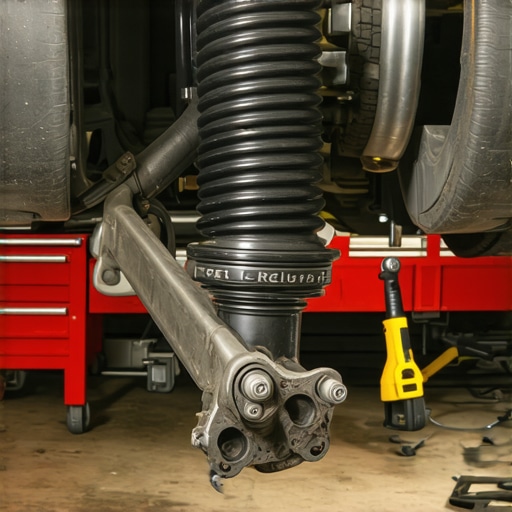
I remember the sinking feeling in my stomach when I first heard that faint clicking sound after a long drive. My car was behaving strangely, and I knew something wasn’t right. Frantically, I Googled symptoms, hoping it was a minor issue. Turns out, that little noise was my CV boot starting to tear—a problem I could have caught early with just a quick inspection. But instead, I ignored it, thinking it wasn’t urgent. That mistake led to a costly repair down the line.
Why Spotting a Torn CV Boot Early Can Save You Big Bucks
A torn CV boot might seem like a minor annoyance at first—just a little tear in the rubber covering the CV joint. But neglecting it can let dirt and moisture invade, causing the joint to wear out prematurely. I’ve seen firsthand how a simple torn boot can escalate into complete CV joint failure, leading to replacements that could have been avoided. Being proactive means catching the signs early, saving money and preventing inconvenient breakdowns. Today, I’m here to guide you through the process of identifying that worn or torn CV boot before it causes a more extensive—and expensive—problem.
Is it worth the hassle or just another auto repair myth?
Early on, I made the mistake of thinking a clicking noise was just a normal sign of aging. I ignored it until real damage was done. Trust me, a little preventive care goes a long way. If you want to avoid spending hundreds on CV joint replacements, then understanding what to look for is crucial. Regular visual inspections are simple and effective—something I learned the hard way. For more insights on vehicle safety and maintenance, check out this post on top auto repair tips. Now, let’s dive into how you can tell whether your CV boot is torn and what signs to watch for.
Visual Inspection: The First Line of Defense
Start by locating the CV joint area, usually near the wheels. Park your car on a flat surface, chock the wheels, and lift the vehicle safely with a jack. Carefully examine the rubber boot covering the CV joint for cracks, tears, or grease splatters around the area. In my experience, a small tear can often be spotted without even removing the wheel—just a thorough visual check can reveal early damage, preventing costly repairs later. These diagnostics tips can help you perform effective inspections on your own.
Listen Up: Recognize the Telltale Sounds
If you hear clicking or popping noises when turning, especially during sharp turns, it may indicate a torn or leaking CV boot exposing the joint. I once noticed these sounds during a tight turn in parking, which prompted me to inspect the boot further. Ignoring such symptoms risks dirt and moisture contaminating the joint. Regularly listening for unusual noises is a simple yet effective way to catch early issues before they escalate.
Check for Grease Leaks or Contamination
Hands-on, feel around the CV joint and boot for any grease leakage, which signals a tear. Dirt accumulated around the boot area also hints at a breach. During a routine tire rotation, I felt for grease on the wheel hub, catching a tear early. If grease is present where it shouldn’t be, consult a mechanic or perform a more detailed check. Advanced diagnostics can verify the extent of the damage when visual cues are ambiguous.
Use a Mirror and Light for Under-Car Checks
If lifting the vehicle isn’t an option, use a mirror and a flashlight to peer underneath the car. Look for splits or cuts in the rubber boot, and note any grease splatter on suspension components. Regularly doing this can spot tears early, similar to how I found a small crack during an evening check before a road trip. Early detection helps you avoid roadside breakdowns and expensive repairs.
Schedule a Professional Inspection
If you’re uncertain or notice signs of wear, don’t hesitate to get a mechanic’s opinion. Professionals can perform comprehensive checks that identify hidden damages. When I suspected a tear but wasn’t confident, I took my vehicle in—turns out, the boot was only slightly worn, and addressing it early saved me from a full CV joint replacement later. Regular inspections are key to maintaining your vehicle’s health.
Many car owners believe that basic maintenance tasks like oil changes and brake services are straightforward, but the truth is, there are subtle nuances that can make or break your vehicle’s longevity. One common myth is that an oil change is merely about replacing the oil; in reality, using the correct oil type, checking the oil level diligently, and understanding oil viscosity for different driving conditions are crucial details often overlooked. Skipping these nuances can lead to engine wear much faster than expected, contradicting the widespread belief that “any oil will do” for routine changes.
Another misconception revolves around brake service. Many assume that simply replacing brake pads solves all issues, but advanced braking systems rely heavily on the condition of rotors, calipers, and even brake fluid quality. Ignoring the importance of bleeding the brake system or inspecting for uneven rotor wear can cause your brakes to fail prematurely or perform poorly, which is not something beginners often consider. For in-depth insights into what truly affects brake performance, check out this comprehensive guide.
Vehicle diagnostics are often misunderstood as a quick fix or a simple scan. However, relying solely on generic scan tools can be misleading if you don’t interpret the data correctly. For example, some sensors may give false readings due to wiring issues or contamination, leading to unnecessary repairs. Advanced diagnostics involve understanding how to read live data streams, recognizing anomalies, and correlating sensor outputs with physical symptoms—skills that can prevent costly misdiagnoses. Expert diagnostics can reveal hidden problems before they escalate into expensive repairs.
Expanding on auto repair myths, many believe that bigger repairs always require replacing entire assemblies. This is not true; smart technicians often find ways to repair or refurbish components, which can save hundreds or thousands of dollars. For instance, a leaking power steering rack might seem like a total replacement candidate, but with updated sealing techniques, some repairs are entirely feasible. Recognizing these advanced repair strategies can help you make informed decisions and avoid unnecessary expenses.
Another hidden aspect critical to vehicle longevity is the quality of fluids used. For example, using the wrong transmission fluid not only affects shifting smoothness but can damage internal parts. The difference between OEM-approved fluids and generic replacements can be subtle but impactful. For more details, explore this article on fluid standards.
Finally, it’s vital to understand that regular inspections and diagnostics are investments in your car’s future. Many overlook the importance of proactive checkups, assuming that only symptomatic issues require attention. However, routine diagnostics—when performed properly—can uncover early-stage problems like minor leaks, sensor degradations, or component wear, saving you from major breakdowns tomorrow. For tips on establishing an effective maintenance schedule, see this resource.
In summary, unlearning common misconceptions and embracing these nuanced practices can significantly extend your vehicle’s lifespan, improve safety, and reduce costs. Have you ever fallen into this trap? Let me know in the comments! Remember, the devil’s in the details—your car’s health depends on it.
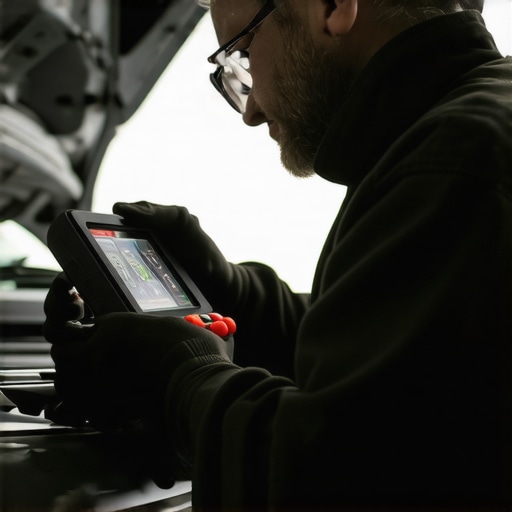
How do I keep my vehicle running smoothly over time? That starts with reliable tools and proven methods. Personally, I swear by a high-quality OBD-II scanner like the BlueDriver, which provides detailed live data and fault codes without needing complex setups. This device has been instrumental in my diagnostic process, allowing me to catch issues early before they escalate. Regularly checking for stored codes helps me prioritize repairs and avoid roadside breakdowns. This guide offers excellent tips on interpreting diagnostic data accurately.
Beyond scanners, I rely on precision tools such as a digital torque wrench to ensure fasteners like lug nuts and drain plugs are tightened to manufacturer specifications. Over-tightening can cause stripped threads or warped components, while under-tightening leads to leaks or wheel detachments. For long-term results, maintaining a checklist of tasks and their intervals—whether for oil changes or brake inspections—keeps my vehicle in top shape. Modern software solutions like auto maintenance apps help me schedule reminders for upcoming services or diagnostics.
Thinking of scaling your upkeep efforts? Investing in professional-grade equipment like a hydraulic lift or a dedicated brake caliper press can significantly streamline tasks. When I upgraded my garage setup, I appreciated how these tools cut down repair time and improved safety during repairs. The right tools reduce errors and increase confidence in DIY repairs, saving money in the long run.
Why should you invest in quality maintenance tools?
Using subpar equipment might seem cost-effective initially, but it risks inaccurate diagnostics or improper repairs, which could cost more later. For example, a decent multi-meter with auto-ranging capabilities provides precise voltage readings essential for diagnosing electrical issues, saving you hours of troubleshooting. This article highlights how quality tools can pay for themselves by preventing unnecessary replacements.
Looking ahead, trends indicate increased integration of artificial intelligence with diagnostic devices, enabling even more accurate and faster assessments. As these technologies evolve, staying informed and updating your toolkit ensures you keep pace with advancements and maintain your vehicle effectively.
How do I maintain vehicle diagnostics over time?
Consistent diagnostics involve routine checks with reliable tools. Regularly updating your diagnostic software, calibrating your scanners, and familiarizing yourself with the latest fault code databases—like those provided by manufacturers—are crucial. For instance, I make it a point to review stored codes monthly, even if the dashboard shows no warning lights. This proactive approach uncovers minor issues early, preventing major failures. To deepen your understanding, I recommend exploring this detailed resource.
Remember, investing in advanced diagnostics isn’t just about fixing problems—it’s about building a preventive maintenance routine that extends your vehicle’s lifespan. Try calibrating your scanner or performing a comprehensive code scan before your next trip; it’s a game changer for peace of mind. Your car will thank you for the extra care!
Lessons That Changed the Way I Approach Vehicle Care
- Never underestimate the power of a quick visual inspection; catching a torn CV boot early can save hundreds and prevent breakdowns.
- Listening to your car is your best friend—strange noises often whisper the first signs of trouble before visible damage appears.
- Trusting expert diagnostics and proper tools makes DIY repairs safer and more effective, transforming frustration into confidence.
- Understanding common repair myths prevents costly mistakes—like thinking only major issues need professional attention.
- Regular maintenance isn’t just routine; it’s your vehicle’s health report, revealing problems before they become emergencies.
Tools and Resources That Boost My Confidence in Auto Care
- BlueDriver OBD-II Scanner: This trusted device provides detailed error codes and live data, letting me tackle problems early and avoid roadside surprises.
- This diagnostic guide: It’s my go-to resource for performing effective car checks, especially before long trips.
- Precision Torque Wrench: Ensuring fasteners are tightened correctly prevents damage and prolongs component life—an essential tool that pays for itself over time.
- Auto repair tips: Learning the nuances of repair saves money and boosts my confidence during maintenance.
Take Heart and Keep Moving Forward in Auto Road
Remember, every small step you take towards understanding your vehicle is a giant leap in longevity and safety. Embrace the learning process, use reliable tools, and don’t hesitate to seek expert advice when needed. Your car’s well-being depends on your dedication—it’s never too late to start turning small repairs into big savings. What’s one auto maintenance myth you’ve uncovered that changed your approach? Share below and let’s grow together in this journey of vehicle mastery.