
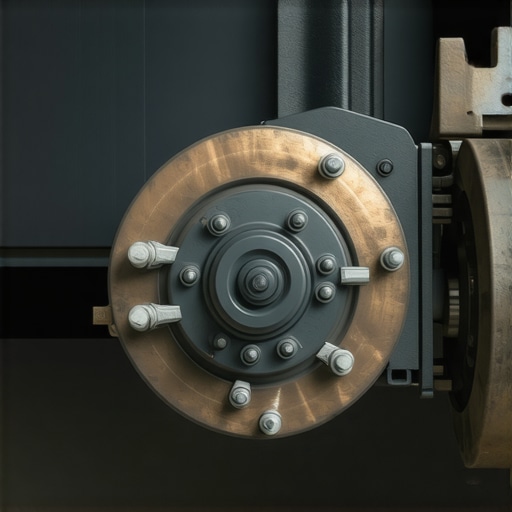
It hit me one morning when I stepped on the brake pedal and felt that sinking sensation—like my rear brakes were barely grabbing while the front ones still felt firm. That moment of realization made me dig deep into the mystery that many car owners overlook: why do my rear brakes seem to wear out so much faster than the front? It’s a common frustration, and I was determined to find out what’s really going on.
The Surprising Truth Behind Uneven Brake Wear
When I first noticed my rear brakes squealing sooner than I expected, I thought it might just be normal wear and tear. But soon, the cost of replacing rear brake pads every couple of years started to add up. That’s when I learned that the usual cause isn’t merely age, but often related to how we drive and how our braking systems are set up.
The *front brakes* handle most of the stopping power—about 70-80%, according to automotive experts. This means they naturally wear out faster, but if your rear brakes are wearing out even quicker, something’s off. From my experience and additional research, it’s often due to uneven brake balance, worn-out parking brakes, or even issues with the brake fluid distribution.
Understanding this can save you money and frustration. To get a clearer picture, I started inspecting my vehicle more thoroughly, learning that sometimes simple adjustments or maintenance can make a big difference. For example, improper parking brake adjustment can cause increased rear brake wear, and neglecting brake fluid quality can lead to uneven braking performance.
If you’re wondering whether your rear brakes are wearing out prematurely, you’re not alone. Many drivers face this problem, and recognizing the signs early can prevent more costly repairs down the line.
For a detailed overview of how vehicle diagnostics can help identify issues before they become serious, check out [Vehicle Diagnostics Explained: Easy Checks Before Your Road Trip](https://repairmycarpro.com/vehicle-diagnostics-explained-easy-checks-before-your-road-trip). Understanding your vehicle’s braking system is just the first step.
Now, let’s explore the common mistakes that can contribute to this problem and how to avoid them, so your brakes serve you safely and efficiently for miles to come.
Start with a Visual Inspection of Your Brakes
Park your car on a flat surface and engage the parking brake. Remove the wheel to access the brake components. Look for uneven or excessive pad thickness, rust buildup, or any visible damage. Use a flashlight to get a clear view of the rotor surface for scoring or warping. During my own experience, I once noticed uneven pad wear which led me to realize my parking brake adjustment was off, causing unnecessary rear brake wear.
Check the Brake Fluid and Hydraulic System
Inspect the brake fluid level and quality. Low or contaminated fluid can lead to uneven brake pressure distribution. Use the vehicle’s owner’s manual to locate the master cylinder. If fluid is dark or has debris, consider a flush. I replaced my brake fluid using a portable pump, which improved the pedal feel and helped prevent uneven wear caused by inconsistent pressure.
Test Brake Response and Pedal Feel
Gently press the brake pedal and note the response. A spongy or inconsistent pedal may indicate air in the lines or a failing master cylinder. Drive at low speeds and apply firm, steady braking. If you notice the rear pulls or the pedal feels softer over time, it signals potential issues needing attention. I once experienced a slight rear pull, prompting me to bleed the brake system—an easy fix that extended brake component lifespan.
Assess Parking Brake Functionality
Engage the parking brake fully and observe if the vehicle remains stationary. A loose or poorly adjusted parking brake can cause consistent rear brake engagement, leading to uneven wear. Adjusting the parking brake often involves tightening a cable under the dashboard or near the wheels. I personally adjusted mine using a simple screwdriver, which stabilized brake wear and improved braking consistency.
Perform a Brake System Test Drive
Test your car on a quiet road. Apply steady braking from various speeds, paying attention to noises, vibrations, or pulling. Listen for squeals or grinding sounds, which indicate worn pads or rotors. My first test drive revealed a slight pulsation, leading me to replace warped rotors—an action that greatly improved braking performance.
Inspect Brake Components for Wear and Damage
Check the brake pads for uneven wear patterns, cracks, or missing material. Examine rotors for scoring, grooves, or irregularities. If you find uneven pads or damaged rotors, replacing these parts is essential. It’s often cost-effective to replace pads and rotors together to ensure even contact, which I learned the hard way when replacing pads without addressing warped rotors later.
Schedule Professional Diagnostics When in Doubt
If visual and basic checks don’t resolve the issue, seek a professional vehicle diagnostic. Modern cars have sensors that can trip warning lights or store trouble codes indicating specific brake problems. Vehicle diagnostics can reveal hidden issues like caliper sticking or hydraulic leaks before they cause further damage.
Prevent Future Problems with Routine Maintenance
Regularly inspect your brakes, especially if you notice changes in pedal feel or braking performance. Follow manufacturer-recommended service intervals, including brake fluid replacement and component checks, which can be viewed in auto repair tips to extend your vehicle’s lifespan. Remember, early detection is key to avoiding costly repairs down the line.
Many car owners believe that running basic diagnostics or following standard maintenance routines is enough to keep their vehicles in top shape. However, this assumption often leads to overlooked nuances that can make a significant difference in vehicle performance and longevity. For example, people frequently think that a simple oil change or a routine brake inspection will catch all issues, but the reality is more complex. Advanced diagnostics can uncover hidden problems, such as caliper sticking or subtle sensor failures, which standard checks might miss. Relying solely on generic diagnostic tools or visual inspections can be a trap—modern vehicles are equipped with sensors and systems that communicate in ways we can’t see without sophisticated equipment.
Are You Interpreting Diagnostic Codes Correctly?
Many drivers and even technicians misunderstand the severity or meaning behind certain trouble codes. For instance, a P0420 code indicating catalyst system efficiency might be a symptom rather than the root cause, like a misfiring cylinder or faulty oxygen sensor. Experts emphasize the importance of decoding these signals accurately, using comprehensive data to guide repairs rather than just replacing parts based on codes alone. According to a study from Automotive Service Association, misdiagnosis based on superficial diagnostics accounts for up to 60% of unnecessary repairs and replacements. This highlights the importance of investing in proper diagnostic techniques, like advanced vehicle diagnostics, to prevent costly mistakes. While routine maintenance is vital, it should be complemented with expert evaluation to achieve true vehicle health.
Don’t Fall for the Myths Around Brake Service and Oil Changes
One common myth is that changing brake pads is always enough to ensure safety. In reality, rotors may warp or develop grooves that require machining or replacement to prevent pulsation and noise. Similarly, many believe that oil changes should happen exactly every 3,000 miles, but modern synthetic oils extend oil life considerably, and sticking rigidly to outdated intervals can be unnecessary and wasteful. Understanding these nuances ensures you’re not just following old rules but adapting to your vehicle’s actual needs. For example, according to oil change innovations, newer oils and filtering technologies allow for longer intervals, reducing costs and environmental impact.
Taking a more informed approach to auto repairs involves recognizing that some issues are deeply intertwined with system nuances, sensor communications, and software updates. It’s not enough to just follow the routine; employing high-end diagnostics and understanding system complexities can save money and improve safety. So, next time you visit the shop, ask whether they utilize advanced diagnostic tools or if they’re just doing a surface-level check. Remember, your vehicle communicates with you—it’s up to you to learn its language. Have you ever fallen into this trap? Let me know in the comments and share your experience.
Invest in Quality Diagnostic Equipment
Having the right diagnostic tools is crucial for proactive vehicle maintenance. I personally rely on an OBD-II scanner like the Autel MaxiCOM because it offers comprehensive code reading, real-time data streaming, and can access manufacturer-specific fault codes. This ensures I catch issues early, especially with complex systems like the ABS or airbags. Remember, not all scanners are created equal—opt for one that updates regularly and offers multi-system diagnostics.
Leverage Advanced Software for Deeper Insights
Beyond hardware, software solutions such as vehicle diagnostics platforms like Torque Pro or OBD Link MX+ enable detailed analysis of performance trends over time. I use these tools to monitor engine knock, fuel trims, and sensor health, helping me identify subtle issues before they escalate. Continuous monitoring can extend the lifespan of critical components like the timing belt or water pump, saving money in the long run.
Maintain a Well-Stocked Essential Toolkit
Equipping a robust toolkit has been a game-changer. I keep items like a digital multimeter, a torque wrench, brake caliper piston compressors, and a set of quality screwdrivers at hand. For example, using a digital multimeter helps verify electrical circuits—crucial when diagnosing wiring problems that could cause intermittent sensor failures, such as with the crankshaft position sensor. Regularly checking and calibrating these tools ensures accurate diagnostics and repairs.
Adopt Routine Inspection Protocols
Implementing a systematic approach for inspections keeps your vehicle in top shape. I schedule biannual checks focusing on brake pads, fluid levels, and serpentine belts. Using a flashlight and mirror, I inspect for leaks, corrosion, or irregular wear patterns—actions that often reveal issues hidden to the naked eye. Consistency here prevents breakdowns and enhances safety, especially during long trips or harsh weather conditions.
Plan for Long-Term System Upkeep
Understanding future needs is essential. Trend predictions suggest that automotive diagnostics will increasingly incorporate AI-powered predictive maintenance. Companies like Bosch are developing sensors that anticipate component failures before they manifest. To prepare, I recommend setting up a maintenance calendar that includes timely oil changes, coolant flushes, and brake fluid replacements. As I discovered, using modern oil change techniques can drastically extend engine life, especially when combined with quality synthetic oils.
How do I keep my vehicle performing after repairs?
One effective method is to document each maintenance activity and monitor the vehicle’s response over subsequent drives. This habit helps identify patterns—like recurring sensor errors—that may indicate underlying issues needing a professional diagnostic. Regularly reviewing your diagnostic data using advanced software and staying current with manufacturer updates can prevent unexpected breakdowns. For example, understanding how to decipher diagnostic codes provides clarity for DIY fixes or when to seek expert assistance.
Start implementing these targeted tools and routines today. For instance, try connecting your OBD-II scanner and analyze recent error codes—doing so can reveal hidden problems and save you time and money. When in doubt, don’t hesitate to contact professionals through our contact page for expert guidance. Staying proactive is the key to keeping your vehicle reliable and safe for miles to come.When I first started paying closer attention to my vehicle’s braking system, I underestimated how complex and interconnected auto repair can be. The biggest lesson I learned is that simple symptoms like uneven brake wear often indicate deeper issues that require more than a quick fix. For instance, a stubborn squeal or pedal pulsation may seem minor but could be signs of warped rotors or caliper problems that, if ignored, lead to costly repairs. Regular diagnostics and proactive maintenance, such as using advanced diagnostic tools and understanding the nuances of brake fluid quality, have transformed my approach from reactive to preventative. I now realize that investing in quality equipment and educating myself on system interactions can save hundreds of dollars and, more importantly, keep me safe on the road. This journey has taught me that auto repairs aren’t just about fixing what’s broken—they’re opportunities to learn, optimize, and extend your vehicle’s lifespan with confidence.