
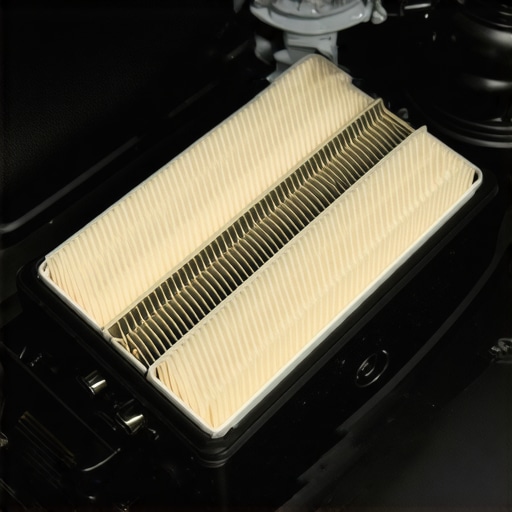
One morning, I was getting ready for work when I noticed something strange — my car was sputtering a little more than usual, and my trips were costing me extra at the pump. It hit me like a ton of bricks: my fuel efficiency was taking a nosedive, and I had no clue why. After a quick check, I realized that the air filter—something I’d ignored for too long—was clogged with dirt and debris. That lightbulb moment made me wonder—how much is a faulty air filter really costing drivers like us in lost gas mileage?
The Hidden Culprit Behind Poor Fuel Economy
Getting good gas mileage feels like a win, especially with rising fuel prices. But what if the most common reason your fuel efficiency is suffering isn’t a fancy gadget or complex engine issue? What if it’s something as simple—and surprisingly overlooked—as your air filter? A dirty or clogged air filter can choke your engine, reducing power and making it work harder than necessary. That extra effort translates directly into more trips to the pump and less money in your pocket, which is frustrating because it’s fixable with a simple check. In fact, maintaining a clean air filter is one of the most cost-effective ways to improve your vehicle’s performance. I used to think air filters were just a maintenance item, but after my experience, I realized how crucial they are for keeping your engine running smoothly and efficiently.
Is Replacing Your Air Filter Worth the Hype?
It’s normal to feel skeptical—especially if you’re used to a hands-off approach with car maintenance. I remember my early mistake: I ignored that little indicator light on my dashboard, thinking it was just a glitch. However, neglecting simple maintenance like replacing a dirty air filter can lead to more significant issues down the line. Not replacing it on time can cause your engine to work harder, consume more fuel, and even lead to costly repairs. A quick online read, like this guide on auto repair hacks, confirms that the small investment in a new air filter pays off in the long run. I want you to feel confident in making that simple change—trust me, it’s worth the effort and will save you money and stress in the future.
Have you experienced a sudden drop in your gas mileage without any clear reason? If so, stay with me. We’re going to dig into how exactly a dirty air filter could be sabotaging your fuel economy and, more importantly, how to fix it quickly and cheaply. Ready to get your vehicle back to optimal performance? Let’s dive into what you need to know about the air filter, and how a simple check-up could be the best thing you do for your car right now.
Locate and Gather Your Tools
First, find your vehicle’s air filter housing—usually a rectangular plastic box with clips or screws. Consult your car manual if needed. Gather essential tools like screwdrivers or pliers, depending on your model. I once went into a busy auto parts store, grabbed the necessary tools, and learned firsthand how straightforward this step is—saving me a trip to the mechanic and money.
Remove the Old Filter Carefully
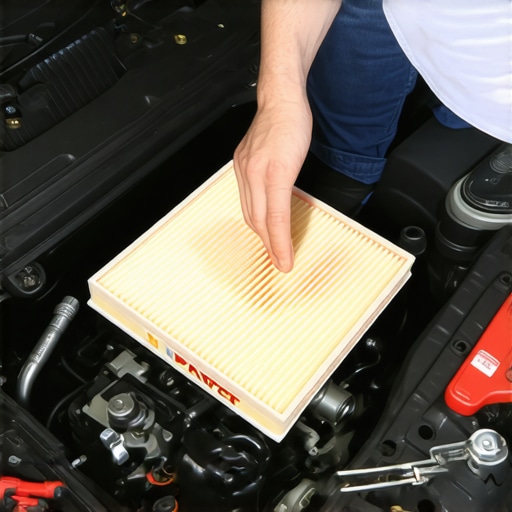
Open the housing by releasing clips or unscrewing fasteners. Take note of how the filter sits inside—some are directional and have arrows indicating airflow. Remove the dirty filter gently to avoid dirt falling into the intake. When I replaced my filter, I used a plastic bag to hold the filter to contain debris, making the cleanup cleaner.
Inspect and Clean the Housing
Check for dust, leaves, or debris inside. Use a damp cloth or a vacuum with a brush attachment to clear dust and dirt from the cavity. This step prevents contaminants from bypassing the new filter. Clear the housing thoroughly—think of it as giving your engine a mini spa day before the fresh filter goes in.
Install the New Filter Correctly
Match the new filter’s orientation with the old one, ensuring airflow arrows point the correct way—usually toward the engine. Fit it snugly into the housing, then secure the clips and fasteners. I once mistakenly installed the filter backward, which reduced engine performance, emphasizing the importance of attention to detail here.
Test and Verify Installation
Close the housing securely. Start your vehicle and listen for unusual sounds or air leaks. If the housing isn’t sealed properly, you might hear whistling or feel less airflow. After my last replacement, I took a short drive to confirm improved engine smoothness and fuel efficiency, which came as a satisfying reward.
Schedule Regular Checks
Most air filters need replacement every 12,000 to 15,000 miles, but driving in dusty areas may require more frequent changes. Keep track of your mileage or set a reminder on your calendar. Regular maintenance like this extends your vehicle’s lifespan and optimizes performance—something I learned from auto repair tips.
While many car owners believe they understand the basics of vehicle maintenance, misconceptions about diagnostics and repairs often lead to unnecessary expenses or overlooked issues. One widespread myth is that modern onboard diagnostics systems automatically catch every problem, but in reality, advanced diagnostics require expert interpretation. Relying solely on generic check engine codes without a professional diagnosis can cause you to miss nuanced problems that might escalate if left unattended.
Another common mistake pertains to brake service. Many think that if the brake pedal feels firm, everything is fine. However, brake pads might look fine visually but still be worn out internally. Skipping detailed inspections can compromise safety, especially since brake components wear unevenly and can develop hidden issues like warped rotors or leaking calipers.
Is Your Oil Change Actually Saving You Money or Wasting It?
It’s tempting to follow the advice of sticking rigidly to the 3,000-mile oil change rule, but more recent studies suggest that synthetic oils and modern engine designs allow for longer intervals. Rushing to change oil more frequently than needed isn’t just unnecessary; it contributes to waste and expense. Conversely, neglecting oil changes can cause engine sludge buildup, leading to costly repairs. The key is understanding your vehicle’s specific needs, which is often overlooked by drivers who assume one-size-fits-all maintenance routines.
Many drivers also overlook the importance of preventive auto repair strategies that can detect issues before they escalate. For instance, ignoring minor symptoms like subtle noises or slight vibrations can lead to major failures. Advances in diagnostic tools enable mechanics to identify problems early, but only if owners are aware and proactive. This nuanced approach to vehicle care saves money and extends your car’s lifespan, yet it remains underrated in everyday maintenance.
In essence, the key to smarter vehicle maintenance lies in challenging common beliefs and understanding the finer details. Do you take your car’s diagnostics seriously, or do you fall into some of these traps? Have you ever fallen into this trap? Let me know in the comments.
Investing in Precision: My Recommended Equipment for Auto Care
Having the right tools makes a world of difference in vehicle maintenance. I personally rely on a high-quality digital multimeter because diagnosing electrical issues accurately saves me time and prevents unnecessary parts replacements. For brake service, I swear by a digital brake caliper gauge, which ensures I measure pad thickness precisely—crucial for safety and extending the lifespan of components. When it comes to oil changes, I prefer an electronic oil filter wrench that grips securely without slipping, making the process safer and faster. These tools provide reliable readings and ease of use, ultimately supporting my goal of keeping repairs cost-effective and thorough.
Powerful Software to Diagnose and Prevent Breakdowns
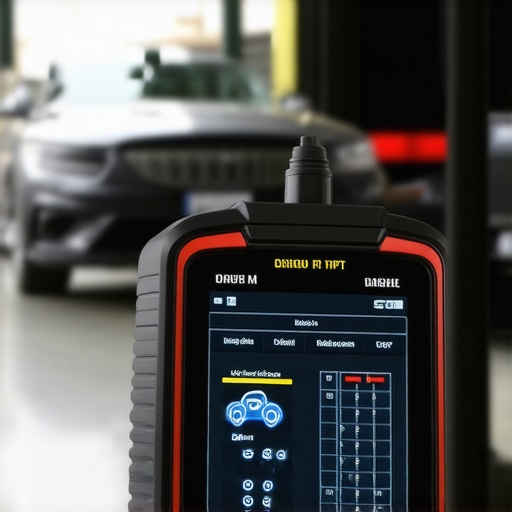
On the software front, my go-to is an OBD-II scanner paired with diagnostic apps like Torque Pro or BlueDriver. These tools connect wirelessly or via USB to my smartphone, enabling me to interpret advanced vehicle diagnostics that go beyond what traditional check engine lights reveal. Regularly checking codes and live data feeds from these tools allows me to spot subtle issues early—before they escalate into costly repairs. According to industry insights, leveraging these digital diagnostics is becoming the standard for proactive auto maintenance and can significantly prevent breakdowns. I recommend every car owner familiarize themselves with such tools and check their vehicle’s health monthly, especially if you frequently drive long distances or in harsh conditions.
Mastering Long-Term Results Through Routine and Knowledge
Maintaining your vehicle over the long term is less about guessing and more about routine checks paired with knowledgeable interventions. I have adopted a habit of visiting my mechanic for a comprehensive inspection every 6 months, focusing on vital components like brakes, suspension, and fluid levels. This approach aligns with expert recommendations, which highlight that regular inspections are key to preventing issues and prolonging vehicle lifespan here. Additionally, I utilize a simple yet effective method—recording odometer readings and noting any unusual sounds or vibrations. This proactive stance helps catch problems early and ensures my vehicle remains reliable, safe, and fuel-efficient.
Scaling Your Maintenance Routine for Growing Needs
As your vehicle ages or if you acquire multiple cars, scaling your maintenance becomes essential. Automated scheduling tools integrated into maintenance apps help track service intervals, remind you of upcoming oil changes, and even suggest diagnostics based on driving patterns. I’ve started experimenting with a dedicated vehicle maintenance calendar app that syncs with my phone, making sure I never miss a task. For larger fleets or multiple vehicles, investing in workshop-grade diagnostic tools like the Snap-on MODIS scanner or Autel Maxisys series can provide comprehensive insights and streamline service schedules. Looking ahead, I anticipate that advancements in AI-driven diagnostics and predictive analytics will further enhance our ability to keep vehicles functioning flawlessly, reducing downtime and repair costs even more.
To get the most out of your vehicle and prevent unexpected breakdowns, I encourage you to try integrating one of these advanced diagnostic tools into your routine. For example, pairing your smartphone with a Bluetooth-enabled scanner and regularly checking live data streams can uncover issues early—saving you money and stress. Remember, consistent maintenance and proactive diagnostics are your best allies in keeping your car running smoothly for years to come.
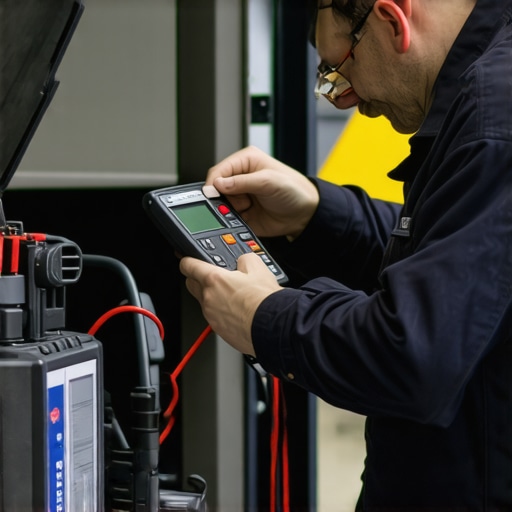
Proper maintenance and the right set of tools go a long way in vehicle longevity. An illustrative image showing a mechanic using a digital multimeter and OBD-II scanner during a diagnostic session can visually reinforce these concepts, helping readers understand the hands-on approach needed for effective auto care.
The Unexpected Lessons That Made Me Rethink Auto Care
One of the most valuable insights I gained was recognizing that even simple maintenance steps, like replacing a dirty air filter, can have a profound impact on vehicle performance and fuel economy. I once dismissed this task as trivial, but now I see it as an essential step—saving me money and extending my car’s lifespan. Another revelation was understanding that relying solely on onboard diagnostics without proper interpretation can lead to missed issues, emphasizing the importance of combining technology with expert knowledge. Additionally, I learned that regular inspections and proactive diagnostics aren’t just for professionals; as a car owner, empowering myself with the right tools and understanding can prevent costly breakdowns and keep my vehicle running smoothly. Lastly, I realized that the habits I develop—consistent checks, scheduled services, and staying informed—are the true keys to long-term auto care success, far beyond quick fixes or assumptions.
My Go-To Resources That Elevate My Auto Maintenance
First, I trust the advanced vehicle diagnostics guide because it demystifies complex engine codes and shows me how to interpret data correctly. Next, auto repair hacks from industry experts provide practical tips that save me both time and money, ensuring quality work without unnecessary expenses. I also rely on reputable repair manuals that give step-by-step instructions tailored to my vehicle, helping me perform maintenance with confidence. Lastly, engaging with online communities of car enthusiasts has proven invaluable—they share real-world experiences and solutions that complement official guides, making me a more informed and proactive car owner.
Take Charge and Keep Your Vehicle Running Strong
The journey to reliable auto maintenance starts with curiosity and a willingness to learn. Don’t hesitate to pick up new tools, dive into diagnostic software, or ask questions—your vehicle’s health is worth the effort. By applying the insights and resources I shared, you can turn routine maintenance into powerful strategies that prevent breakdowns and save money. Remember, every small step you take today builds a foundation for smoother rides tomorrow. So, what will you do differently starting now to ensure your car stays in top shape? Let’s discuss your plans below and support each other in becoming better auto caretakers.