

Have you ever been freezing in your own car, only to notice that your heater kicks into gear when you’re actually behind the wheel? I remember the first time it happened to me late one winter evening. I was stranded in my driveway, shivering, turning the heater on full blast without any luck. But the moment I hit the road, warm air poured out like magic. That realization was a lightbulb moment—something’s not right, and I was going to find out what.
Why Your Heater Acts Up When You’re Stationary
The frustrating truth is, problems with your car’s heating system that only show when you’re stopped are more common than you’d think. This issue often points to a failing coolant circulation problem. When you’re driving, the engine’s heat naturally moves through the system, but when idling, a malfunctioning component can prevent the heat from reaching your cabin. This might be due to a faulty thermostat, a worn-out water pump, or even air pockets trapped in the cooling system. Early in my own experience, I made the mistake of ignoring a minor leak—trust me, it can turn into a much bigger headache later.
Understanding why your heater only works when driving is crucial. Not only can it turn a cozy winter commute into a frozen nightmare, but it can also hint at underlying issues that might lead to engine damage if left unchecked. The good news? Once I identified the culprit, fixing it was straightforward, saving me lots of money and discomfort.
What We Will Cover Today
In this post, I’ll walk you through the common reasons why your heater acts up only when you’re on the move and, more importantly, how you can troubleshoot and resolve these issues yourself. From checking the coolant level to inspecting the thermostat, I’ll share practical tips based on my own auto repair adventures—and reliable advice from experts in the field. So, if you’re tired of battling with a cold car every winter morning, stick around! We’re about to turn this frustrating problem into a manageable fix that will keep you warm, no matter how long your wait at the stoplight.
Is it really worth fixing those heating woes yourself?
Many folks, including myself at first, worry about tackling these repairs without experience. I made the mistake early on of jumping straight into replacing parts without proper diagnosis, which only wasted time and money. The trick is to learn how to identify the real cause before diving into repairs. If you’re interested, I recommend checking out decoding vehicle diagnostics to understand what your car is telling you and to avoid unnecessary replacements. Trust me, being cautious and informed is the best way to keep your repair costs down and your car running smoothly.
Check and Top Up Your Coolant
Start by ensuring your coolant level is adequate. I once ignored a low coolant warning, which resulted in my heater only working when I was driving. To check, locate the coolant reservoir under the hood, and remove the cap—make sure the engine is cool to avoid burns. If the fluid is below the minimum line, top it up with the recommended mixture. Remember, insufficient coolant hampers heat circulation, causing a weak heater when stopped. Regularly checking your coolant can prevent this issue and extends your engine’s health.
Inspect the Thermostat for Sticking Valves
The thermostat acts like a gatekeeper, controlling coolant flow. A stuck-open thermostat makes the engine run cooler, especially noticeable when idling. To test, warm up the engine and observe the temperature gauge; if it stays low, consider replacing the thermostat. I replaced mine using a basic wrench set—carefully removing bolts and installing a new one. This simple step restored consistent heating, emphasizing how a tiny part can have a big impact.
Examine the Water Pump and Its Impellers
The water pump keeps coolant circulating. Worn or damaged impellers reduce flow, impacting your heater when stationary. To check, look for leaks around the pump or unusual noises. In my experience, a failing water pump was silent until I noticed temperature fluctuations; replacing it was straightforward but vital for proper heating. This repair often involves removing accessory belts—for which I used a tensioner tool—and installing a new pump aligned with the manufacturer’s torque specifications.
Bleed the Cooling System to Remove Air Pockets
Air trapped in the cooling system can block coolant flow, causing poor heater performance. To bleed, start the engine and leave the radiator cap off or use a bleed screw if available. I once had to run the engine with the heater on and the cap off, gently squeezing the radiator hose to remove air bubbles. A well-bleeding system ensures steady coolant circulation, so your heater works reliably even when stationary. For detailed guidance, check out auto repair hacks.
Replace or Repair Faulty Components
If after these steps your heater remains weak when stopped, the culprit might be a faulty fan motor or heater core. Testing involves listening for fan noise or feeling for airflow. In my case, replacing the blower motor switch fixed the problem. Remember, many issues stem from minor electrical faults or clogged heater cores—these components can often be cleaned rather than replaced, saving you money. When in doubt, consulting professional help ensures accurate diagnosis and safe repairs.
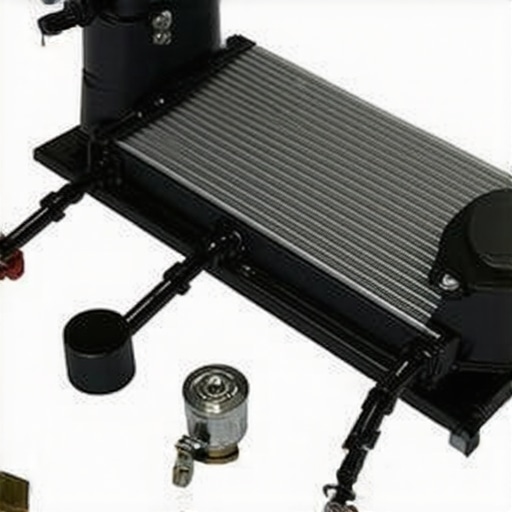
When it comes to brake service, oil changes, and vehicle diagnostics, most car owners rely heavily on conventional wisdom or popular myths. But as an auto repair enthusiast with years of hands-on experience, I’ve noticed that many of these beliefs are oversimplified or downright mistaken, leading to costly mistakes. Let’s dig deeper into some nuances and pitfalls that aren’t commonly understood but can drastically affect your vehicle’s longevity and safety.
Why Relying Solely on Mileage for Service Intervals Is a Trap
Many drivers adhere to fixed schedules—changing oil every 3,000 miles or getting brake pads replaced at a set time. However, modern vehicle diagnostics reveal that this one-size-fits-all approach overlooks important nuances. Factors like driving habits, climate, and load significantly influence wear patterns. For instance, frequent short trips in stop-and-go traffic can accelerate oil degradation and brake wear, even if mileage isn’t high. Ignoring these nuances can lead to premature replacements or, worse, overlooking issues until they cause major failures.
In fact, advanced diagnostics show that adaptive maintenance—tailored based on real-time sensor data—saves money and extends parts’ lifespan. Don’t fall into the myth that mileage alone determines your vehicle’s health.
Common Myths About Brake Service That Could Sabotage Safety
One pervasive misconception is that brushing off minor squeals or delaying brake replacement won’t affect safety. The reality, however, is that subtle noise can signal imminent rotor warping or caliper issues. Many drivers assume brake pads will last indefinitely or that their brakes are ‘fine’ until pedal feel worsens. This oversight is risky. Brake service myths often lead to neglected maintenance, increasing the chance of brake failure. Regular inspections and understanding the nuances can prevent accidents and costly emergency repairs.
What Auto Repairs Do Many Get Wrong Even When It Seems Obvious?
When it comes to oil changes, there’s a misconception that brand-name oils are always better than generic or store brands. While high-quality oils have benefits, the real key is using the correct viscosity and specifications. Overpaying for premium oil won’t help if it’s not suited for your engine. Similarly, many neglect to consider oil change significance beyond just ‘adding oil.’ It involves proper oil drainage, filter replacement, and engine cleaning to prevent sludge buildup. Skipping these steps might seem insignificant but can lead to increased engine wear over time.
Furthermore, many preemptively jump into repairs without thorough diagnostics. A smart approach to auto repair involves understanding what’s actually broken—sometimes, what appears to be a big issue is just a minor glitch, and vice versa. This is especially true when diagnosing warning lights or strange noises. Misdiagnosis can lead to unnecessary repairs or missing critical problems that threaten your safety.
In conclusion, let’s challenge the common assumptions that often inhibit proper vehicle maintenance. The key is to integrate advanced diagnostics and knowledge of nuances, rather than settling for simple rules or myths. Only then can you truly optimize your car’s performance and safety. Have you ever fallen into this trap? Let me know in the comments.
Keep It Working: The Tools That Make a Difference
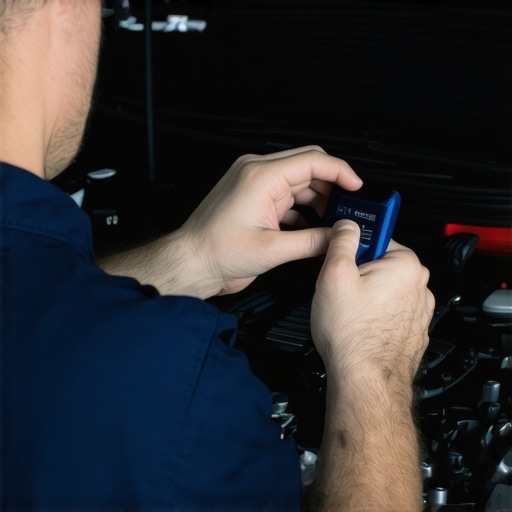
Maintaining your vehicle’s health requires more than just good intentions; it demands the right equipment and methods. Over the years, I’ve discovered that having a dedicated set of specific tools can drastically improve the quality and efficiency of repairs and maintenance tasks. My goal is to share the tools I personally rely on for long-term results, ensuring your vehicle remains dependable and safe.
Precision Diagnostic Devices
One of my most trusted investments is a high-quality OBD-II scanner. Not all devices are created equal; I use the advanced diagnostic tools capable of reading and clearing complex error codes. This allows me to pinpoint issues quickly, especially when it comes to sensor faults or engine misfires. The trend points toward integrating wireless diagnostics, making it even easier to monitor your vehicle remotely or via smartphone apps, a development I predict will become standard in the near future.
Quality Hand Tools for Auto Repairs
Basic tools won’t cut it when troubleshooting or replacing components. I rely on a sturdy ratchet and socket set with a variety of sizes, including deep-well sockets for hard-to-reach bolts. For example, replacing a water pump or thermostat involves careful removal of components mounted with stubborn fasteners—an area where a high torque ratchet and a set of impact-rated tools save me hours of frustration. Remember, investing in professional-grade tools often pays for itself by preventing damage during repairs.
Specialized Equipment for Critical Tasks
Fluid changes and bleeding air from cooling systems require precision. I recommend a hand pump for extracting or filling fluids without risking spills—an upgrade from traditional squeeze bottles. For bleeding the cooling system, I use a dedicated coolant vacuum kit that hoses onto the radiator and removes trapped air efficiently. Routine maintenance tools like a pressure tester can detect leaks early, saving significant repair costs and preventing breakdowns.
Embracing Software and Apps
Beyond physical tools, digital solutions are revolutionizing vehicle maintenance. Software like vehicle diagnostic apps sync with OBD-II scanners to provide real-time data analysis, troubleshooting tips, and service reminders. They help me plan preventive maintenance, such as timely oil changes or brake inspections, based on actual vehicle condition rather than generic schedules. The future of auto diagnostics will evolve towards AI-driven systems that predict potential failures before they happen, making maintenance even more proactive.
How Do I Maintain the Tools Over Time?
Tools must be kept in top shape for reliable performance. I make sure to clean my hand tools after each use with a rag and apply a light lubricating oil to prevent rust. Calibration is critical for diagnostic devices, so I follow manufacturer guidelines for periodic updates and sensor checks. Regularly inspecting and replacing worn-out tools prevents inaccuracies and prolongs their efficacy, ultimately safeguarding your vehicle and investment. For more comprehensive strategies on extending your vehicle’s lifespan, incorporating proper maintenance practices is essential.
By combining high-quality physical tools with modern diagnostic software, I ensure my repairs are precise and effective. As vehicle technology advances, staying updated with the latest tools and techniques becomes increasingly vital. I highly recommend trying out a diagnostic app today—it’s a game-changer for troubleshooting minor issues before they escalate. Remember, reliable auto maintenance is about consistent effort, proper tools, and ongoing education—invest wisely in your toolbox, and your vehicle will thank you for years to come.
Lessons Learned in My Auto Repair Journey
- I used to overlook small coolant leaks, thinking they weren’t urgent, but those tiny drips taught me that neglect can escalate into costly engine damage—trust your instincts and address issues promptly.
- One time, I replaced a thermostat without proper testing, only to realize later that the real culprit was air trapped in the cooling system; this taught me the value of thorough diagnostics before parts swapping.
- Investing in quality tools made all the difference—cheap wrenches often rounded fasteners, but my reliable impact-rated tools saved me time and prevented damage, emphasizing that good equipment is an investment in your success.
- Learning to bleed the cooling system properly was a game changer; removing air bubbles ensured steady heater performance, reminding me that small procedural details impact overall reliability.
Tools and Resources That Elevated My Work
- A high-quality OBD-II scanner opened my eyes to hidden error codes, guiding me directly to issues rather than guesswork. I trust [advanced diagnostic tools](https://repairmycarpro.com/decoding-vehicle-diagnostics-what-your-car-is-trying-to-fallow) for their accuracy.
- Quality hand tools like deep-well sockets and a versatile ratchet set have been my go-to, turning complex repairs into manageable tasks, proving that investing in reliable tools pays dividends.
- Specialized equipment such as coolant vacuum kits and pressure testers helped me perform maintenance more effectively, reducing guesswork and ensuring thorough repairs.
- Online resources and diagnostic apps provide real-time insights; I rely on them for planning preventive maintenance, saving me money and stress down the line.
Your Next Step in Auto Repair Confidence
Mastering auto repair is about more than fixing cars; it’s about empowering yourself to handle challenges with confidence and insight. Remember, the right knowledge and tools turn frustrating moments into rewarding successes. Don’t hesitate to take that first step—your vehicle, and your wallet, will thank you. What’s the biggest auto repair myth you’ve believed, and how did you uncover the truth? Share below, and let’s learn together!