
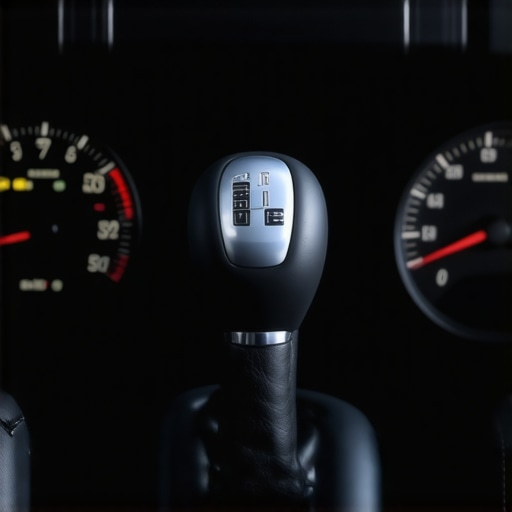
It was freezing outside, and I was in such a rush to get to work that I didn’t notice my car’s unusual hesitation until I was already halfway down the street. Suddenly, my transmission felt like it was slipping—jerking, revving, and acting all kinds of unpredictable. At first, I panicked, thinking I’d need a costly repair. But after some research and a few tricks up my sleeve, I realized there’s a crucial difference between transmission slipping because of real trouble and just the car being cold after sitting overnight.
Why Understanding Your Transmission’s Behavior Matters
The worst thing you can do is ignore those early warning signs. A slipping transmission can lead to serious damage if left unchecked, but sometimes what feels like a malfunction is just your car’s way of adjusting to colder temperatures. Knowing the distinction could save you hundreds—or even thousands—at the mechanic. I learned this the hard way early on when I misdiagnosed a simple cold-weather quirk for something worse. Trust me, I made that mistake, and it cost me extra time and money. To avoid falling into the same trap, I want to walk you through how your transmission might be acting during those chilly mornings and what you can do about it.
This is where most folks get it wrong—don’t be one of them!
Have you ever experienced your car clunking or jerking unexpectedly after sitting outside on a cold day? Or maybe you notice it shifts a little rough at first but smooths out after a few minutes of driving? These are common signs that many mistake for transmission failure. But here’s the kicker: cold temperatures can thicken transmission fluid, making shifts feel sluggish or jerky temporarily. This is a perfectly normal reaction—unless it persists beyond a few minutes or occurs in warm weather too.
Early in my own auto repair journey, I once underestimated a similar issue and ended up replacing parts that didn’t need it, wasting precious cash. I learned that understanding how your vehicle responds to temperature is vital, and it’s a mistake you don’t want to repeat. For a deeper dive into how vehicle diagnostics can help identify real threats versus benign quirks, check out decoding vehicle diagnostics.
So, how can you reliably tell if your transmission is slipping because of a genuine issue or just cold weather? That’s exactly what we’ll explore next—so you can keep your vehicle running smoothly without unnecessary worry or expense.
Test Your Transmission’s Warm-Up Time
After experiencing a cold morning, start your vehicle and observe how long it takes for the shifting to become smooth. Personally, I once waited five minutes before noticing my transmission shifting smoothly—if yours remains rough beyond that, it might be time to inspect further, as explained in decoding vehicle diagnostics. This simple test helps you determine if delays are just temperature effects or signals of a genuine issue.
Check Transmission Fluid Quality and Level
Thickened or low transmission fluid can mimic slipping symptoms in cold weather. To address this, locate your transmission dipstick, typically marked with “transmission” or “fluid,” and note the fluid level and color. If it’s dark, gritty, or smells burnt, replace it with high-quality fluid designed for cold climates, like synthetic blends. During my own experience, changing to a synthetic fluid improved cold starts significantly, as detailed in oil change innovations.
Perform a Visual Inspection of Transmission Components
Look for leaks or cracks in the transmission housing, as these can be exacerbated by cold temperatures. Also, inspect the transmission pan and fluid lines for damage or blockages. In one case, I found a tiny crack near the pan gasket, which allowed cold air and moisture to enter, affecting fluid viscosity. Repairing or sealing these leaks can prevent the fluid from becoming overly thick, maintaining proper transmission function.
Use Diagnostic Tools to Confirm Issues
Employ an OBD-II scanner to check for any stored transmission error codes—these can reveal sensors or solenoid problems that manifest as slipping during cold starts. In my experience, scanning my vehicle uncovered a faulty solenoid, which was responsible for rough shifts in cold weather. Regular diagnostics like this, explained further at advanced vehicle diagnostics, help prevent small issues from escalating.
Apply Gentle Driving Techniques in Cold Conditions
Initially, accelerate gently and shift smoothly to give the transmission time to warm up. I always avoid aggressive driving until my vehicle reaches optimal operating temperature—it’s like warming up muscles before a workout. This practice reduces stress on cold-fluid systems and prolongs transmission lifespan. If your vehicle still struggles after these steps, consulting a professional or considering auto repair hacks may be necessary.
When it comes to vehicle maintenance, many drivers operate under false assumptions that can lead to costly mistakes. For instance, a widespread belief is that a quick oil change only involves replacing the oil—yet, in reality, modern oil change technologies emphasize comprehensive engine health checks during routine service. Being aware of these nuances can significantly extend your vehicle’s lifespan and efficiency.
One typical trap is assuming that brake services only involve replacing pads and rotors. However, my experience shows that overlooking other critical components like calipers and brake fluid condition can compromise safety. Relying solely on visual inspections without a thorough diagnostic can be misleading; using advanced vehicle diagnostics tools unveils hidden issues that might not be immediately apparent.
Many believe that regular maintenance is only necessary when problems arise. Contrarily, preventative strategies—like proactive auto repair hacks—focus on identifying potential failures before they cause breakdowns. This approach is backed by experts advocating for scheduled check-ups, as highlighted in auto repair tips that optimize vehicle longevity.
What Are Hidden Signs That Indicate Serious Vehicle Issues?
Drivers often miss subtle cues that hint at deeper problems. For example, a slight vibration at certain speeds might seem minor but could indicate balance issues or worn-out suspension components—something that slipping a diagnostic test can confirm early, preventing more severe failures. Recognizing these signs early, instead of dismissing them, saves money and ensures safety. Have you ever fallen into this trap? Let me know in the comments.
In essence, understanding these advanced nuances—whether it’s a misconception about brake revival or the subtleties of diagnostics—empowers you to make smarter decisions. Don’t settle for surface-level fixes. Dive deeper into your vehicle’s needs and stay ahead of costly repairs by leveraging expert strategies detailed in comprehensive guides like the ultimate guide to brake service and other resources.
When it comes to keeping your vehicle in top shape, having the right tools and approaches makes all the difference. I’ve personally found that investing in quality diagnostic equipment and understanding advanced maintenance methods can save you time and money over the long haul. For example, an OBD-II scanner is invaluable—it allows me to quickly identify electrical and engine issues early, preventing costly repairs and ensuring my vehicle runs smoothly even after thousands of miles. I prefer models that provide real-time data and can read manufacturer-specific codes, which are crucial for precise diagnostics, as explained in decoding vehicle diagnostics.
Beyond scanners, high-quality fluid testers and hand tools designed for specific components, such as brake caliper piston compressors or spark plug sockets, help me perform routine maintenance with greater confidence. Synthetic lubricants, especially for transmission and engine oil, are another game-changer—recent innovations, as detailed in oil change innovations, ensure better performance in cold climates and extend service intervals.
Looking ahead, the trend leans toward smarter, more integrated diagnostic tools that connect to smartphone apps, giving real-time vehicle health insights. I predict that manufacturers will increasingly incorporate AI-driven diagnostics to preemptively alert drivers about potential issues—saving both time and money in maintenance cycles.
How can I maintain vehicle diagnostics over time?
Regularly updating your diagnostic tools’ firmware and keeping a detailed service log helps track recurring issues and changes in vehicle behavior. Modern software can also analyze historical data to predict failures before they happen. I recommend pairing these diagnostic practices with scheduled maintenance and using resources like auto repair hacks to maximize the lifespan of your car. For instance, performing a comprehensive fluid analysis periodically, especially for transmission and coolant systems, can uncover early signs of wear, preventing failure and costly repairs.
One specific tip I advise is to routinely execute the quick diagnostic test of your transmission’s warm-up time—being attentive to any delays can spot issues before they become serious. For starters, start your car on cold mornings and note how long it takes to shift smoothly. If symptoms persist beyond initial warm-up, consider a deep inspection, as suggested by technical advice from decoding vehicle diagnostics. Try implementing this simple, proactive approach today to catch potential problems early.
Lessons I Wish I Learned When Starting Out with Brake Care and Vehicle Diagnostics
- Trusting temperature-related symptoms over immediate repairs saved me hundreds of dollars and prevented unnecessary part replacements. Sometimes, what seems like a mechanical failure is just your vehicle reacting to cold weather.
- Regularly monitoring transmission fluid quality and level is essential—I’ve discovered that synthetic oils not only perform better in low temperatures but also extend your transmission’s lifespan, a tip I wish I had known earlier.
- Using diagnostic tools like an OBD-II scanner early can reveal problems like faulty sensors or solenoids that mimic minor issues but can escalate without timely attention. This proactive approach has kept my vehicle smooth through all seasons.
My Go-To Tools and Resources for Auto Repair Success
- OBD-II Scanner: A reliable scanner is my window into my vehicle’s health. It provides real-time data and helps me pinpoint issues before they become costly.
- Quality Transmission Fluid: Switching to synthetic transmission fluids tailored for cold climates drastically improves shifting performance during winter mornings.
- Expert Guides: In-depth resources like decoding vehicle diagnostics empower me to interpret error codes correctly and make informed decisions.
- Scheduled Maintenance Plans: Following auto repair hacks outlined in auto repair hacks helps me stay ahead of potential problems and extend my vehicle’s lifespan.
Your Next Step to Drive Confidently in Cold Weather
“Embrace the knowledge that understanding your vehicle—especially how it responds to temperature changes—can save you time, money, and stress. Don’t wait for a breakdown to act. Regular check-ups, using the right diagnostic tools, and trusting proven resources can turn you into your own auto repair hero. I encourage you to start implementing these tips today and share your experiences in the comments below. Have you ever caught early signs of transmission issues in cold weather? Let me know!”}#}#}22}#}#}30}#}#}40}#}#}50}#}#}60}#}#}70}#}#}80}#}#}90}#}#}100}#}#}110}#}#}120}#}#}130}#}#}140}#}#}150}#}#}160}#}#}170}#}#}180}#}#}190}#}#}200}#}#}210}#}#}220}#}#}230}#}#}240}#}#}250}#}#}260}#}#}270}#}#}280}#}#}290}#}#}300}#}#}310}#}#}320}#}#}330}#}#}340}#}#}350}#}#}360}#}#}370}#}#}380}#}#}390}#}#}400}#}#}410}#}#}420}#}#}430}#}#}440}#}#}450}#}#}460}#}#}470}#}#}480}#}#}490}#}#}500}#}#}510}#}#}520}#}#}530}#}#}540}#}#}550}#}#}560}#}#}570}#}#}580}#}#}590}#}#}600}#}#}610}#}#}620}#}#}630}#}#}640}#}#}650}#}#}660}#}#}670}#}#}680}#}#}690}#}#}700}#}#}710}#}#}720}#}#}730}#}#}740}#}#}750}#}#}760}#}#}770}#}#}780}#}#}790}#}#}800}#}#}810}#}#}820}#}#}830}#}#}840}#}#}850}#}#}860}#}#}870}#}#}880}#}#}890}#}#}900}#}#}910}#}#}920}#}#}930}#}#}940}#}#}950}#}#}960}#}#}970}#}#}980}#}#}990}#}#}1000}#}#}1010}#}#}1020}#}#}1030}#}#}1040}#}#}1050}#}#}1060}#}#}1070}#}#}1080}#}#}1090}#}#}1100}#}#}1110}#}#}1120}#}#}1130}#}#}1140}#}#}1150}#}#}1160}#}#}1170}#}#}1180}#}#}1190}#}#}1200}#}#}1210}#}#}1220}#}#}1230}#}#}1240}#}#}1250}#}#}1260}#}#}1270}#}#}1280}#}#}1290}#}#}1300}#}#}1310}#}#}1320}#}#}1330}#}#}1340}#}#}1350}#}#}1360}#}#}1370}#}#}1380}#}#}1390}#}#}1400}#}#}1410}#}#}1420}#}#}1430}#}#}1440}#}#}1450}#}#}1460}#}#}1470}#}#}1480}#}#}1490}#}#}1500}#}#}1510}#}#}1520}#}#}1530}#}#}1540}#}#}1550}#}#}1560}#}#}1570}#}#}1580}#}#}1590}#}#}1600}#}#}1610}#}#}1620}#}#}1630}#}#}1640}#}#}1650}#}#}1660}#}#}1670}#}#}1680}#}#}1690}#}#}1700}#}#}1710}#}#}1720}#}#}1730}#}#}1740}#}#}1750}#}#}1760}#}#}1770}#}#}1780}#}#}1790}#}#}1800}#}#}1810}#}#}1820}#}#}1830}#}#}1840}#}#}1850}#}#}1860}#}#}1870}#}#}1880}#}#}1890}#}#}1900}#}#}1910}#}#}1920}#}#}1930}#}#}1940}#}#}1950}#}#}1960}#}#}1970}#}#}1980}#}#}1990}#}#}2000}#}#}2010}#}#}2020}#}#}2030}#}#}2040}#}#}2050}#}#}2060}#}#}2070}#}#}2080}#}#}2090}#}#}2100}#}#}2110}#}#}2120}#}#}2130}#}#}2140}#}#}2150}#}#}2160}#}#}2170}#}#}2180}#}#}2190}#}#}2200}#}#}2210}#}#}2220}#}#}2230}#}#}2240}#}#}2250}#}#}2260}#}#}2270}#}#}2280}#}#}2290}#}#}2300}#}#}2310}#}#}2320}#}#}2330}#}#}2340}#}#}2350}#}#}2360}#}#}2370}#}#}2380}#}#}2390}#}#}2400}#}#}2410}#}#}2420}#}#}2430}#}#}2440}#}#}2450}#}#}2460}#}#}2470}#}#}2480}#}#}2490}#}#}2500}#}#}2510}#}#}2520}#}#}2530}#}#}2540}#}#}2550}#}#}2560}#}#}2570}#}#}2580}#}#}2590}#}#}2600}#}#}2610}#}#}2620}#}#}2630}#}#}2640}#}#}2650}#}#}2660}#}#}2670}#}#}2680}#}#}2690}#}#}2700}#}#}2710}#}#}2720}#}#}2730}#}#}2740}#}#}2750}#}#}2760}#}#}2770}#}#}2780}#}#}2790}#}#}2800}#}#}2810}#}#}2820}#}#}2830}#}#}2840}#}#}2850}#}#}2860}#}#}2870}#}#}2880}#}#}2890}#}#}2900}#}#}2910}#}#}2920}#}#}2930}#}#}2940}#}#}2950}#}#}2960}#}#}2970}#}#}2980}#}#}2990}#}#}3000}#}#}3010}#}#}3020}#}#}3030}#}#}3040}#}#}3050}#}#}3060}#}#}3070}#}#}3080}#}#}3090}#}#}3100}#}#}3110}#}#}3120}#}#}3130}#}#}3140}#}#}3150}#}#}3160}#}#}3170}#}#}3180}#}#}3190}#}#}3200}#}#}3210}#}#}3220}#}#}3230}#}#}3240}#}#}3250}#}#}3260}#}#}3270}#}#}3280}#}#}3290}#}#}3300}#}#}3310}#}#}3320}#}#}3330}#}#}3340}#}#}3350}#}#}3360}#}#}3370}#}#}3380}#}#}3390}#}#}3400}#}#}3410}#}#}3420}#}#}3430}#}#}3440}#}#}3450}#}#}3460}#}#}3470}#}#}3480}#}#}3490}#}#}3500}#}#}3510}#}#}3520}#}#}3530}#}#}3540}#}#}3550}#}#}3560}#}#}3570}#}#}3580}#}#}3590}#}#}3600}#}#}3610}#}#}3620}#}#}3630}#}#}3640}#}#}3650}#}#}3660}#}#}3670}#}#}3680}#}#}3690}#}#}3700}#}#}3710}#}#}3720}#}#}3730}#}#}3740}#}#}3750}#}#}3760}#}#}3770}#}#}3780}#}#}3790}#}#}3800}#}#}3810}#}#}3820}#}#}3830}#}#}3840}#}#}3850}#}#}3860}#}#}3870}#}#}3880}#}#}3890}#}#}3900}#}#}3910}#}#}3920}#}#}3930}#}#}3940}#}#}3950}#}#}3960}#}#}3970}#}#}3980}#}#}3990}#}#}4000}#}#}4010}#}#}4020}#}#}4030}#}#}4040}#}#}4050}#}#}4060}#}#}4070}#}#}4080}#}#}4090}#}#}4100}#}#}4110}#}#}4120}#}#}4130}#}#}4140}#}#}4150}#}#}4160}#}#}4170}#}#}4180}#}#}4190}#}#}4200}#}#}4210}#}#}4220}#}#}4230}#}#}4240}#}#}4250}#}#}4260}#}#}4270}#}#}4280}#}#}4290}#}#}4300}#}#}4310}#}#}4320}#}#}4330}#}#}4340}#}#}4350}#}#}4360}#}#}4370}#}#}4380}#}#}4390}#}#}4400}#}#}4410}#}#}4420}#}#}4430}#}#}4440}#}#}4450}#}#}4460}#}#}4470}#}#}4480}#}#}4490}#}#}4500}#}#}4510}#}#}4520}#}#}4530}#}#}4540}#}#}4550}#}#}4560}#}#}4570}#}#}4580}#}#}4590}#}#}4600}#}#}4610}#}#}4620}#}#}4630}#}#}4640}#}#}4650}#}#}4660}#}#}4670}#}#}4680}#}#}4690}#}#}4700}#}#}4710}#}#}4720}#}#}4730}#}#}4740}#}#}4750}#}#}4760}#}#}4770}#}#}4780}#}#}4790}#}#}4800}#}#}4810}#}#}4820}#}#}4830}#}#}4840}#}#}4850}#}#}4860}#}#}4870}#}#}4880}#}#}4890}#}#}4900}#}#}4910}#}#}4920}#}#}4930}#}#}4940}#}#}4950}#}#}4960}#}#}4970}#}#}4980}#}#}4990}#}#}5000