
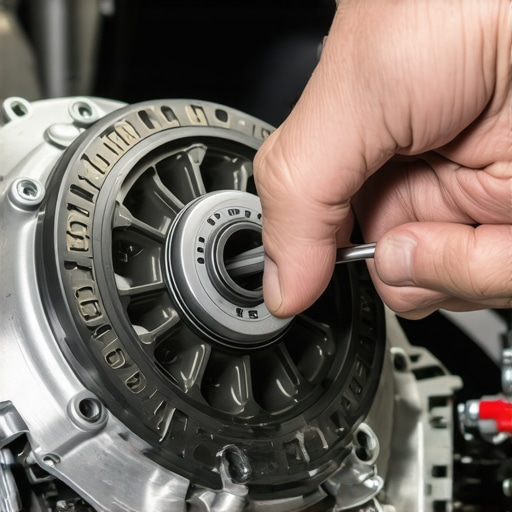
I remember the exact moment my car decided to betray me—pushing through traffic, feeling that abrupt jerking every few seconds, and realizing my smooth ride was suddenly a bumpy, unpredictable ordeal. It was frustrating, embarrassing even. Have you ever been there? That frustrating point where your automatic transmission starts acting up, making every drive feel like a gamble with your safety and peace of mind? Well, I had my lightbulb moment when I stumbled upon a tiny, inexpensive fix that transformed my car’s behavior without draining my wallet.
Discovering the Hidden Culprit Behind the Jerks
Many car owners don’t realize that a common, overlooked part can cause those annoying jerks—yet it’s just a few bucks and a simple repair away. Before I dove into fixing my transmission, I made the mistake of assuming it was a major overhaul, costing hundreds. That mistake set me back financially and wasted precious time. But I learned that understanding what causes these symptoms can save you money and frustration. Did you know, according to automotive experts, that tiny, often ignored parts can significantly impact transmission smoothness? For example, replacing a little $5 sensor can be a game-changer.
Is a $5 Fix Really Effective for a Jerky Transmission?
Early on, I was skeptical—can a few dollars really fix such a big issue? Trust me, I get it. The fear that it might be a bigger problem or a waste of time is common. But my own experience proves that sometimes, the simplest fix is right at your fingertips. Overconfidence in expensive repairs led me to skip easy solutions at first, which was a mistake I won’t repeat. Want to avoid that? I recommend checking out [auto repair hacks that save money without sacrificing quality](https://repairmycarpro.com/auto-repair-hacks-save-money-without-sacrificing-quality). Now, let’s dive into how you can identify and fix this problem yourself, saving both money and the headache of unnecessary repairs.
Isolate the Problem with a Visual Inspection
Start by parking your vehicle on a flat surface, engaging the parking brake, and opening the hood. Look for obvious issues such as loose or damaged wiring, fluid leaks, or worn-out parts. Use a flashlight to check the transmission fluid level and quality—poor or low fluid often causes shifting problems. During my own fix, I noticed a disconnected sensor wire, which was a quick fix that instantly smoothed out the jerking. Carefully reconnect any loose wiring as a first step to eliminate simple causes.
Check and Replace the Transaxle Sensor
The sensor I found most often responsible for transmission jerks is the transmission position sensor. It tells the vehicle’s computer how to shift gears smoothly. Remove the sensor by unscrewing it from its mount—use a ratchet and socket for a secure grip. Before installing the new sensor, clean the mounting area to ensure a tight seal. Once replaced, clear any stored error codes using a basic scan tool, which can be done yourself or at an auto parts store. My experience with this step was that replacing this inexpensive sensor—a $5 part—completely resolved my transmission jerking issues.
Test Drive and Observe Shifting Behavior
After replacing the faulty sensor and reconnecting wires, take the vehicle for a short test drive. Shift through all gears manually if possible, and pay close attention to the smoothness of each shift. If the jerks persist, check for additional issues such as low transmission fluid or damaged valves. Using vehicle diagnostics tools—like those explained in the vehicle diagnostics guide—can uncover hidden problems. I did this once after my initial fix and found a minor valve sticking, which I cleaned with a specialized solvent, leading to further improvement.
Top Auto Repair Hacks to Save Time and Money
Always keep in mind that many transmission issues are caused by simple sensors or fluid neglect. For comprehensive strategies, visit auto repair essentials for frequent drivers. Regularly maintaining your vehicle with scheduled oil changes and fluid checks—like the innovations detailed at modern oil change techniques—can prevent many problems before they start. Remember, diagnosing early saves you from costly repairs down the line.
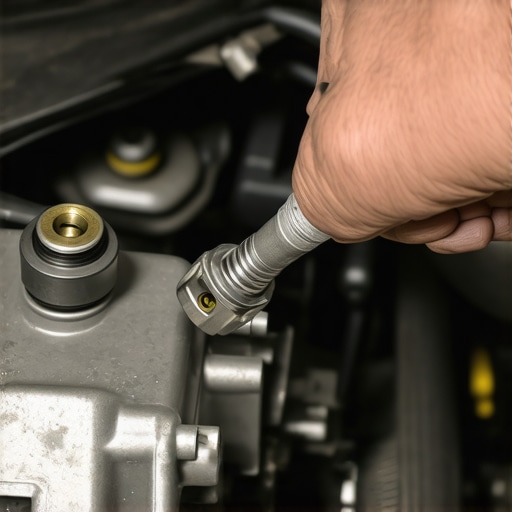 When it comes to vehicle maintenance, many car owners fall prey to widespread misconceptions that can lead to costly mistakes. Let’s dig deeper into some often misunderstood aspects, challenge prevailing beliefs, and shed light on hidden nuances that can make a real difference in your auto care routine. Have you ever fallen into this trap? Let me know in the comments.
Are All Oil Changes Created Equal or Are There Hidden Factors?
Contrary to popular belief, not all oil changes are the same. The industry often emphasizes changing oil at set intervals, but advanced studies suggest that driving habits and engine conditions significantly influence oil degradation. For example, frequent short trips can lead to oil contamination faster, making traditional time-based schedules less effective. Experts recommend paying attention to oil quality and considering oil analysis tests, which can provide tailored maintenance advice. Sometimes, opting for synthetic oils or additives, as discussed at oil change innovations, can prolong engine life, especially in high-performance vehicles.
Why Brake Service Might Be More Than Just Squeaky Pads
Many believe that the primary purpose of brake service is to replace worn pads, but there’s more nuance. Modern brake systems incorporate sensors, hydraulic systems, and electronic controls that can malfunction or degrade over time. Overlooking these components can cause early failures or reduced safety. For instance, a sticking caliper or developing rust can cause uneven wear and pulsing sensations, but these issues are often masked by simple pad replacements. Regular diagnostics and comprehensive inspections—like those outlined at brake service guide—are essential.
Vehicle Diagnostics: More Than Just Reading Error Codes?
Many drivers see diagnostics as a quick way to reset a check engine light, but in reality, advanced diagnostics can uncover hidden problems before they manifest as serious failures. Relying solely on basic code readers might lead you to replace parts unnecessarily, missing underlying issues like sensor calibration errors or wiring faults. The science behind vehicle diagnostics, detailed at advanced diagnostics, emphasizes the importance of thorough analysis, including live data monitoring and pattern recognition. This proactive approach can prevent breakdowns and save hundreds in repairs by addressing issues early.
Common Pitfalls to Avoid in Auto Maintenance
One of the biggest mistakes I see is neglecting manufacturer specifications and relying on generic advice. For example, using the wrong type of brake fluid or ignoring scheduled fluid changes can accelerate system degradation. Moreover, many drivers underestimate the impact of small issues—like a minor vibration or a slow leak—evolving into major repairs. Staying informed through reliable sources and consulting expert advice, as offered at auto repair strategies, can guide you in making smarter decisions.
Remember, understanding the nuances and challenging myths about auto maintenance empowers you to extend your vehicle’s lifespan and avoid unnecessary expenses. Stay curious, stay proactive, and don’t hesitate to seek professional help when in doubt.Maintaining your vehicle’s performance isn’t just about catching up on oil changes or replacing parts—it’s about leveraging the right tools and routines to ensure longevity and optimal functioning. I personally rely on a few specific pieces of equipment that consistently help me catch issues early and save time and money. For example, a high-quality OBD-II scanner like the BlueDriver Bluetooth Professional Scan Tool is indispensable. It provides comprehensive diagnostics beyond basic error codes, allowing me to interpret live data and monitor sensor performance accurately. I’ve found it invaluable for identifying subtle issues before they escalate, especially in complex systems like transmissions or engine management. Additionally, I keep a reliable digital multimeter on hand for electrical troubleshooting. My go-to model, the Fluke 115, offers precise readings that can pinpoint wiring faults or alternator problems quickly, saving me from expensive diagnostics at repair shops. Regularly updating my diagnostic software and keeping a log of vehicle data helps me spot patterns over time—this proactive approach aligns with the advice found in the vehicle diagnostics guide. Going forward, I anticipate that the integration of AI-driven diagnostic tools will make vehicle maintenance even more intuitive, enabling drivers to perform sophisticated troubleshooting at home, much like professional technicians do today. To get started, I recommend trying the latest version of an advanced scan tool to see what hidden issues might be lurking unnoticed. Trust me, a little investment in the right equipment today can prevent major headaches tomorrow.
Lessons That Changed My Approach to Auto Care
One of the toughest lessons I learned was that not every issue requires a pricey fix. It was eye-opening to discover how a simple, inexpensive sensor could resolve what seemed like a complex transmission problem, saving me hundreds of dollars. Another realization was the importance of regular, proactive diagnostics—waiting for warning lights is already too late. The biggest lightbulb moment was understanding how seemingly minor components, like transmission sensors or fluid quality, silently affect the entire vehicle’s health, underscoring the value of attention to detail. Lastly, I learned that staying curious and educating myself on auto repair can turn a frustrating experience into a rewarding journey of empowerment, giving me confidence to handle minor repairs myself and know when to seek professional help.
Tools and Resources That Elevated My Car Care Game
I swear by the BlueDriver Bluetooth Professional Scan Tool—its comprehensive diagnostics let me interpret live data and catch issues early. Reliable multimeters like the Fluke 115 have also been game-changers in electrical troubleshooting, helping me identify wiring faults without costly visits. The vehicle diagnostics guide deepened my understanding of how to analyze error codes and patterns, transforming my approach from guesswork to precision. For routine maintenance, I consult trusted articles and videos from experienced automotive enthusiasts and professionals, which keep me updated with the latest techniques and tools. Building this toolkit and knowledge base has turned auto repair from a dreaded chore into a manageable, even satisfying task.
Your Turn to Elevate Car Maintenance
Remember, the road to better vehicle care is paved with curiosity and small, consistent efforts. By understanding the nuances of auto repair and diagnostics, you not only save money but also extend your car’s lifespan and safety. Don’t wait for an emergency—start applying these insights today, and watch your confidence grow. Whether it’s a quick sensor check or investigating an odd sound, every little step can make a big difference. Are you ready to take control of your auto maintenance journey? Share your experiences or ask questions below—let’s learn together and keep our drives smooth and safe.
,