
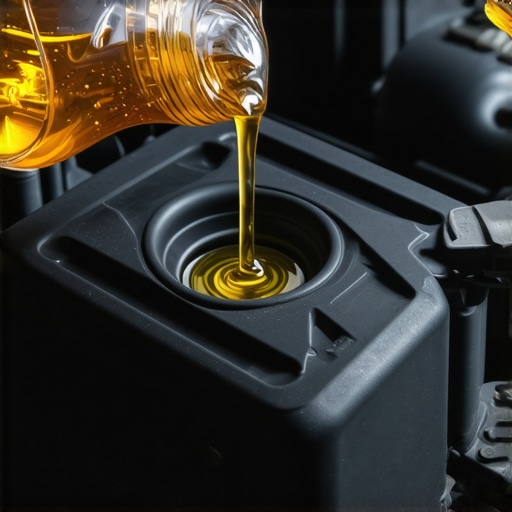
There I was, stuck in traffic, engine panting under the hood, when it hit me—my engine was running rough, sputtering like an old radio. I’d changed the oil, replaced the filters, but nothing seemed to fix that nagging hesitation during acceleration. It was a lightbulb moment that made me realize—my engine might be dirty inside, and I never even thought about how that could be affecting performance. If you’ve ever experienced similar frustration with your car running unevenly or feeling sluggish, you’re not alone.
Why Clean Engines Matter More Than Ever
In my early days of car repair dabbling, I’d often overlook the importance of internal engine cleanliness. I thought, “My oil is fresh; what more is there to clean?” Turns out, engine sludge and deposits can build up over time, even with regular oil changes, leading to reduced efficiency, increased wear, and lower fuel economy. That’s when I discovered an engine additive that actively breaks down and removes stubborn grime, restoring engine health from the inside out.
Are Engine Additives Worth the Hype?
This was a big concern for me—are these products just marketing gimmicks or do they actually deliver on their promises? Early on, I made the mistake of ignoring the instructions and adding too much of the additive, which didn’t help and sometimes even caused more issues. After some research, I found that using the right product correctly can make a real difference, and recent studies confirm that certain additives can keep engines cleaner and prolong their lifespan. Want to know which additive worked wonders for me and could do the same for you? Keep reading, and I’ll walk you through the benefits and proper use to get your engine running smoothly again.
Prepare Your Vehicle Before Adding an Engine Cleaner
Start by ensuring your engine is at normal operating temperature, which means running it for a few minutes. This helps the additive circulate better. Park on a level surface, turn off the engine, and wear gloves and eye protection. If you’re unfamiliar with basic diagnostics, check out vehicle diagnostics to understand your engine’s baseline condition.
Choose the Right Additive and Measure Correctly
Select a high-quality engine cleaner specifically formulated for your engine type. Carefully read the instructions—most recommend adding a certain amount directly to the oil or fuel tank. For example, I once mistakenly poured twice the recommended dosage, which caused a brief rough idle. Always measure precisely to avoid overuse, which can lead to issues like oil foaming or clogged passages.
Introduce the Additive Using the Proper Method
For Oil Additives
Pour the recommended dose into a nearly empty oil pan before your next oil change. Run the engine at idle for 10-15 minutes to circulate the additive thoroughly. During this process, keep an eye on engine temperature gauges—overheating can diminish additive effectiveness and damage components. If unsure about this process, review oil change innovations for detailed procedures.
For Fuel System Cleaners
Add the product to your fuel tank when it’s nearly empty. Fill up as usual afterward. This ensures the cleaner mixes thoroughly as you drive, targeting deposits in fuel injectors and intake valves. I once used too much fuel additive, which resulted in a rougher engine start for a few days. Stick to the recommended dosage to avoid such setbacks.
Monitor Engine Performance Post-Cleaning
After running the engine with the additive for the specified period, observe changes in acceleration, fuel efficiency, and overall smoothness. An improvement indicates effective cleaning. If issues persist, it’s wise to conduct a thorough auto repair check to rule out deeper problems like contaminated oil passages or worn-out components.
Regular Maintenance for Optimal Results
Make engine cleaning part of your routine maintenance schedule, especially if you notice sluggishness or increased fuel consumption. Remember, additives are supplements, not substitutes for regular oil changes and professional inspections. For comprehensive care, learn more about auto repair tips that extend your vehicle’s lifespan and keep it performing at its best.
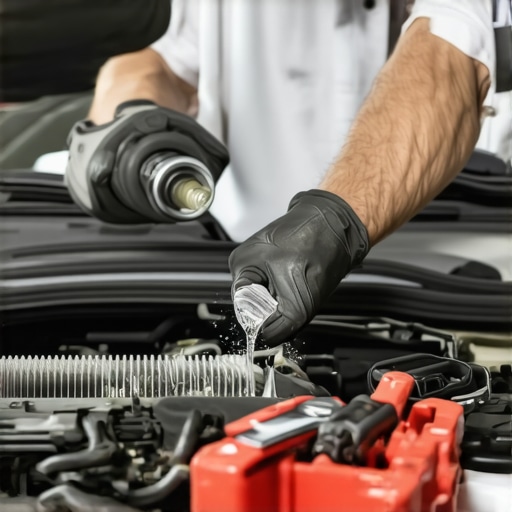 When it comes to vehicle maintenance, many believe simple fixes like replacing brake pads or changing oil are straightforward, but in reality, there’s a lot more beneath the surface that often trips up even seasoned car owners. A common misconception is that if the brakes feel spongy, it merely indicates worn pads, overlooking the complexities of hydraulic systems and brake fluid quality. Failing to recognize these nuances can lead to costly repairs or safety hazards. For example, many assume that all brake fluids are interchangeable, but using the wrong type or ignoring fluid contamination can compromise brake performance significantly. Research by automotive safety experts emphasizes that proper brake fluid selection and regular flushing are crucial for maintaining optimal braking efficiency. Don’t fall into the trap of oversimplification—regular inspections including brake system diagnostics can detect issues before they become dangerous. This is where understanding your vehicle’s braking system in detail pays off, ensuring safety and saving money in the long run. Similarly, with oil changes, there’s a myth that more frequent changes are always better; however, overchanging or using incorrect oil viscosity can negatively impact engine longevity. Recognizing advanced engine deposits or oil breakdown signs requires keen attention, as these issues aren’t visible to the untrained eye. Employing proper vehicle diagnostics tools helps uncover underlying problems like clogged injectors or issues with the lambda sensors that influence fuel efficiency and emissions. Curious about how to detect these hidden problems early? Check out tools and techniques like advanced diagnostic methods to stay ahead. Remember, auto repair isn’t just about fixing what’s visible—it’s about understanding systemic nuances that protect your investment. Have you ever fallen into this trap? Let me know in the comments.
Equip Yourself for Reliable Vehicle Care
Maintaining your vehicle over time requires more than just basic tools; it demands precision instruments and effective methods. I personally rely on a high-quality automotive scan tool like the BlueDriver Bluetooth Pro OBD-II Scanner. It’s compact, connects seamlessly with my smartphone, and provides detailed diagnostic trouble codes, making it invaluable for quick checks or complex troubleshooting. For example, when my check engine light appeared unexpectedly, this scanner helped me identify a failing oxygen sensor without a costly visit to the mechanic, saving me time and money.
In addition, I use a digital multimeter from Fluke, renowned for its durability and accuracy. It helps me verify electrical issues—like testing battery voltage or inspecting sensors—before jumping to conclusions. Handling a car’s intricate electronic systems can be daunting, but with the right tools, you can diagnose and sometimes even fix minor issues yourself, extending your vehicle’s lifespan.
Adopt Preventative Maintenance with Cutting-Edge Tech
Implementing regular diagnostics is essential for long-term vehicle health. Modern vehicle diagnostics tools allow me to monitor engine performance remotely and catch problems early. For instance, I schedule periodic scans to check for pending codes—this proactive approach identified a coolant temperature sensor starting to fail, preventing a breakdown on an important trip.
How do I maintain vehicle diagnostics over time?
Consistently updating your diagnostic software ensures compatibility with newer vehicle models and keeps you ahead of potential issues. Also, developing a habit of recording scan results helps track trends that might indicate worsening conditions, so you can plan repairs before problems escalate. As the automotive field advances, integrating OBD-II adapters with mobile apps, like Torque Pro, offers an accessible way to stay on top of your vehicle’s health. Don’t hesitate to try out an advanced scanner or diagnostic app—early detection can save you thousands in repairs and prevent inconvenient breakdowns.
Uncovering Hidden Pitfalls in My Auto Care Journey
One of the most valuable lessons I learned about vehicle maintenance is that even small neglected areas, like engine internal cleanliness, can snowball into major problems if overlooked. My lightbulb moment came during a routine oil change when I realized that sludge buildup was subtly diminishing my engine’s efficiency. The key takeaway? Regularly addressing internal engine health, not just exterior components, makes all the difference in extending your vehicle’s lifespan.
Mastering the Art of DIY Diagnostics and Repairs
Over time, I discovered that equipping myself with quality diagnostic tools, like an OBD-II scanner, empowers me to catch problems early. This proactive approach has saved me hundreds of dollars and prevented breakdowns. Trusted resources such as detailed diagnostic guides have been instrumental in building my confidence, enabling me to perform simple repairs and interpret warning codes with clarity and precision.
Prioritizing Preventative Measures for Peace of Mind
Another insight I embraced is that routine preventive maintenance—like water pump checks, brake inspections, and fluid flushes—preserves vehicle integrity. For instance, staying ahead with oil change innovations detailed at this resource ensures my engine runs smoothly and efficiently. Remember, small actions today resist costly repairs tomorrow, transforming auto care from reactive to strategic planning.
How These Lessons Can Reset Your Approach to Vehicle Wellness
Implementing these insights has transformed my auto maintenance routine from stressful guesswork into a confident, empowering practice. By understanding the importance of internal cleanliness, the value of diagnostic tools, and the necessity of regular tune-ups, you can similarly experience smoother drives, fewer surprises, and a longer-lasting vehicle. The effort you invest now will pay dividends in reliability and safety every mile you travel.