
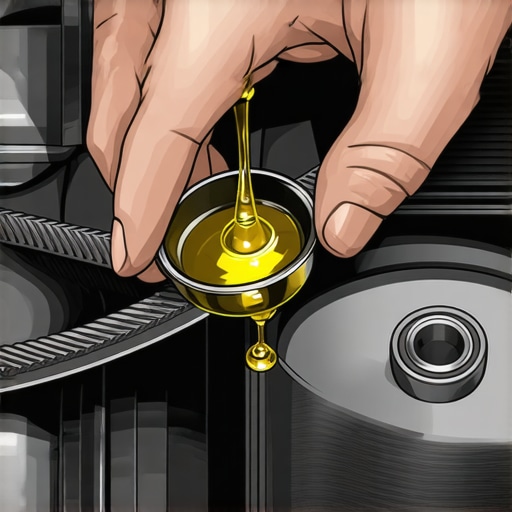
There I was, crawling under my car after another stubborn squeal started mid-traffic. Every time I pressed the gas pedal, that annoying high-pitched whine would make me grimace and instinctively reach for the radio volume button, hoping to drown it out. The frustrating part? I knew I didn’t want to spend a fortune on repairs if I could fix it myself. That lightbulb moment hit me hard: could a simple drop of oil truly silence a squeaky serpentine belt?
Why a Tiny Drop Can Make a Big Difference
If your car’s serpentine belt squeals every time you start it or accelerate, you’re not alone. It’s a common issue, and often, a little maintenance can turn that stressful noise into quiet reliability. Over years of tinkering and a few tried-and-true tricks, I discovered that sometimes, a single drop of oil—yes, just one—can be enough to calm that squeal and extend your belt’s life.
Is This Shortcut Really Worth the Hype
Initially, I was skeptical—after all, many auto experts warn against using oil on belts, fearing damage. But early in my learning curve, I made the mistake of over-oiling, which led to slipping and quick wear. Now, I use just enough oil to lightly lubricate the pulleys and belt tension points. And guess what? It works! This approach isn’t a fix for serious wear or cracks, but a handy tip for minor squeals.
Curious if this trick can save you from costly repairs? I was too, which is why I want to share this insight. If you’ve been battling that squeal, read on—I’ll show you how to make that one drop count and get your vehicle humming smoothly again. And if you want to tackle more DIY fixes, check out the comprehensive [auto repair hacks](https://repairmycarpro.com/auto-repair-hacks-save-money-without-sacrificing-quality) that can save you both time and money.
Ready to silence that squeal? Let’s dive into the simple steps to apply this surprising yet effective trick.
Locate the Belt and Identify the Squeal
First, turn off your engine and open the hood. Find the serpentine belt, which is typically a long, rubber belt wrapping around pulleys at the front of the engine. Turn on the engine briefly and listen carefully to pinpoint exactly where the squeal originates. This precise identification ensures you’re applying oil to the right pulleys or tension points—not wasting effort on unrelated components.
Prepare Your Materials for Lubrication
Gather a light machine oil or belt dressing spray. While some auto repair shops recommend belt dressing, I prefer light oil because it’s cleaner and easier to control. Keep a clean cloth or paper towel nearby to wipe off any excess. Remember, a tiny amount is enough—over-oiling can cause slipping or damage.
Apply Oil Precisely to the Affected Area
Using a small brush, an applicator, or carefully pouring from a bottle, apply a single drop of oil directly onto the pulley’s bearing or tensioner arm, focusing on the contact points with the belt. I recall the first time I did this, I was nervous about over-application. I steadied my hand and gently stroked the oil onto the pulley, making sure not to get any on the belt surface itself. After applying, run the engine at idle and observe whether the squeal diminishes. This targeted lubrication reduces friction and quiets the noise without risking belt slippage.
Test and Adjust If Necessary
After the initial application, carefully listen for sound improvements. If the squeal persists, repeat the process once more with a single additional drop, but do not overdo it. Remember, a clean, dry belt often performs better, so ensure the belt is free of debris or buildup before reapplying. As a caution, avoid using heavy grease or oil-based products not designed for belts, as they can cause slippage and damage over time.
Check Belt Tension and Wear
While lubrication can help minor squeals, persistent issues may indicate misalignment or wear. Use your vehicle’s manual to verify proper belt tension or consider replacing the belt if cracks or glazing are evident. For a more in-depth understanding, read about brake service essentials—since many components work together for safety and reliability. Regular inspections ensure small problems don’t turn into costly repairs.
Safety Precautions and Final Tips
Always work with the engine off and cooled down to prevent burns or accidents. Wear gloves if necessary, and ensure your work area is clean. Remember, this quick fix is best for minor squeals; if the noise persists or worsens, it’s wise to consult a professional. Routine maintenance and timely inspection are your best allies against unexpected breakdowns, so consider scheduling regular check-ups or visiting experts when in doubt.
Many car owners believe they understand basic maintenance like brake service, oil changes, and vehicle diagnostics, but in reality, there’s often a disconnect between common beliefs and expert practices. For example, a widespread myth suggests that regular oil changes are all about changing the oil, but advanced experts know that the **type of oil and the underlying engine condition** matter just as much—see our article on [oil-change innovations](https://repairmycarpro.com/oil-change-innovations-technologies-that-save-your-engine). One nuance often overlooked is that frequent diagnostic checks can prevent costly breakdowns, which is especially true when diagnosing intermittent sensor faults or electrical issues. Many think resetting error codes is enough, but real expertise involves decoding the diagnostic data to find the root cause, as explained in [vehicle diagnostics explained](https://repairmycarpro.com/decoding-vehicle-diagnostics-what-your-car-is-trying-to-tell-you). During brake service, a common mistake people make is assuming that replacing pads alone fixes squeal issues; however, **rotor condition, caliper function, and proper lubrication** are critical factors—more details are available in our [brake service myths busted](https://repairmycarpro.com/the-ultimate-guide-to-brake-service-for-safety-and-performance). This leads to a crucial question for seasoned DIYers: how can one effectively distinguish between normal wear and early signs of failure without unnecessary parts replacement? Analyzing vibration patterns, noises, and pedal firmness can reveal subtle problems before they escalate—see our guide on [advanced vehicle diagnostics](https://repairmycarpro.com/how-advanced-vehicle-diagnostics-prevent-costly-breakdowns). A trap many fall into is over-relying on quick fixes like oil additives or surface-level diagnoses, which often mask deeper issues like engine timing, coolant leaks, or sensor malfunctions. Recognizing these hidden nuances can save time and money in the long run. Remember, routine checks and a focus on diagnostics accuracy are your best tools for maintaining vehicle safety and longevity. Have you ever fallen into this trap? Let me know in the comments and explore more about how expert auto repair strategies can keep your vehicle running smoothly by visiting [auto repair hacks](https://repairmycarpro.com/auto-repair-hacks-save-money-without-sacrificing-quality).
Investing in Reliable Equipment
When it comes to auto repair and maintenance, having the right tools is crucial. I personally rely on a high-quality digital multimeter, such as the Fluke 115, because it provides precise voltage readings essential for diagnosing electrical issues effectively. For brake service, a good set of brake caliper spreaders can prevent damage during pad replacement, saving time and reducing costs. Remember, investing in professional-grade tools pays off in long-term reliability and safety.
Leveraging Diagnostic Software for Precision
Vehicle diagnostics have evolved dramatically. I recommend using OBD-II scan tools like the BlueDriver, which pairs with a smartphone app for detailed error code analysis. This combination helps identify issues quickly and accurately, avoiding unnecessary part replacements. Modern diagnostic software often includes live data streams, enabling you to monitor sensor outputs in real-time, making troubleshooting more comprehensive. As vehicle ECUs become more complex, these tools are becoming indispensable for DIY enthusiasts and professionals alike.
Adopting Effective Maintenance Methods
Routine maintenance extends the lifespan of your vehicle significantly. I follow a disciplined schedule of oil changes using high-mileage synthetic oil, complemented by periodic fluid flushes for coolant, transmission, and brake fluids. Regularly inspecting belts and hoses for signs of wear prevents breakdowns. For engine sensitivity, I use a borescope camera to peek into hard-to-see areas during inspections without dismantling components. These methods, combined with the right tools, keep my vehicle performing reliably over many years.
How do I maintain vehicle diagnostics over time?
Keeping your diagnostic skills sharp requires continuous learning and updating your equipment. Routinely check for software updates for your diagnostic tools and stay informed through automotive forums or manufacturer bulletins. Maintaining a logbook of trouble codes, repairs, and maintenance activities helps track patterns that might indicate emerging problems. This proactive approach ensures you catch issues early and avoid costly repairs. For more insight into advanced diagnostic techniques, visit our comprehensive guide.
Scaling Up Your Maintenance Routine
As your vehicle ages or if you’re managing a fleet, scaling your maintenance approach becomes necessary. Automating service reminders through apps or digital calendars helps stay consistent. Additionally, investing in a portable compressor and a cordless impact wrench can expedite tasks like tire rotations or lug nut replacements across multiple vehicles. For larger-scale maintenance, establishing a dedicated workspace with a lift makes inspections and repairs safer and more efficient.
Future Trends in Vehicle Maintenance Technology
The shift toward predictive maintenance powered by IoT sensors and AI will revolutionize vehicle upkeep. Soon, you’ll receive alerts before a part fails, allowing preemptive repairs. Staying ahead in this field means embracing digital diagnostics and data analytics, enabling smarter and more cost-effective maintenance strategies. To prepare, I recommend exploring courses on automotive IoT innovations and investing in compatible diagnostic devices.
Boost your vehicle’s health by trying out a high-end diagnostic scanner or integrating routine fluid analysis tools into your maintenance routine. Staying equipped with the right technology ensures your car remains safe, efficient, and reliable for years to come.
Lessons I Didn’t Expect to Learn About Auto Repairs
One of the most surprising insights I gained was that sometimes, minimal interventions like a single drop of oil can make a significant difference in squeals—saving money and time. I also learned that over-oiling can cause slipping, and that precise application is key—never underestimate the power of a light touch. A deeper understanding of belt tension and wear patterns has helped me catch issues early, avoiding costly replacements. Moreover, trusting my instincts and routine checks often outperformed relying solely on expensive diagnostics. My biggest lightbulb moment? Routine maintenance plus a dash of patience can keep your vehicle humming without breaking the bank.
Tools, Books, and Guides That Changed My Approach to Auto Care
For anyone serious about DIY auto repair, I recommend the BlueDriver OBD-II scan tool. Its detailed diagnostics have saved me trips to the mechanic. The comprehensive guide auto repair hacks offers practical tips for maintaining your vehicle efficiently. I trust the high-quality digital multimeter from Fluke for electrical troubleshooting, invaluable when diagnosing sensor or wiring issues. Finally, staying updated with manufacturer bulletins and joining dedicated automotive forums has expanded my knowledge beyond basic repairs, turning me into a more confident car owner.
Your Call to Action: Keep Pushing Forward
Remember, automotive maintenance is a journey of learning and discovery. With the right techniques and resources, you’ll become more self-reliant and confident behind the wheel. Don’t let fear hold you back from tackling repairs—every expert was once a beginner. Keep exploring, practicing, and trusting your instincts, and your vehicle will thank you for it.