

I remember the exact moment I first experienced it—driving down a bumpy residential street, and suddenly, my dashboard lights flickered like a firefly. I thought it was some sort of glitch or a sign I needed an expensive repair. Turns out, that flickering was my car trying to tell me something routine was neglected—a common yet confusing issue many drivers face.
How a tiny bump can reveal bigger problems
Turns out, when your dashboard lights flicker when you hit a bump, it’s often a signal that something isn’t quite right with your vehicle’s electrical system or connections. These flickers can seem like minor annoyances, but they can also be early warning signs of more serious issues lurking beneath the surface, like loose wires, faulty sensors, or failing ground connections. Addressing these issues early can save you hundreds of dollars and an unexpected breakdown.
So, what can you do about it? Today, I’ll guide you through the steps to understand and troubleshoot this perplexing problem. We’ll explore common causes, simple checks you can do yourself, and when it’s time to call in professional help. Stick with me, and you’ll be equipped to tackle this issue confidently.
Is suspecting wiring issues a waste of time?
I’ll admit, early in my car repair journey, I made a costly mistake—assuming flickering dashboard lights were always a sensor or bulb problem. It turned out to be a loose ground wire that needed tightening. This experience taught me that sometimes, the simplest fix is just the first step in a deeper diagnosis. For reliable insights, I recommend checking out vehicle diagnostics explained in easy checks. Trust me, understanding your car’s signals can prevent minor issues from becoming major repairs.
Have you ever faced this flickering problem? If so, you’re not alone, and the good news is, there’s a straightforward way to get ahead of it. In the upcoming sections, we’ll demystify the causes and provide clear, easy-to-follow steps to restore stability to your dashboard—and peace of mind to your driving experience.
Start with a Visual Inspection
Begin by turning off your engine and opening the hood. Look for loose or disconnected wires around the battery, alternator, and grounding points. Silicone grease can help secure connections. Remember, a loose wire is like a weak link in a chain—if one link slips, the entire chain can fail. I once found a loose ground wire that caused intermittent flickering, and tightening it instantly stabilized the lights.
Test the Battery and Alternator
Use a multimeter to check voltage levels. A healthy battery should read around 12.6 volts with the engine off. When running, the alternator should boost this to roughly 13.8–14.4 volts. Think of your electrical system as a water circuit—if the pressure (voltage) isn’t steady, the lights flicker. If these readings are off, it’s time to investigate the alternator’s output or the battery’s health.
Perform a Quick Load Test
Apply load conditions by turning on headlights and AC to see if voltage drops significantly. If the voltage dips below 12 volts during this test, your battery might be weak or near failure. A faulty battery often behaves like a drained balloon—initially full but losing pressure under load.
Check the Fuses and Relays
Locate your vehicle’s fuse box and inspect fuses related to dashboard and lighting circuits. Remove and visually inspect for corrosion or burns. Replacing faulty fuses is straightforward—think of fuses as safety valves; if they blow, they prevent more damage but need replacing. If fuses are intact, move to relays by swapping them with identical, known-good relays.
Inspect the Grounds and Wiring
Ground connections are critical. Use a wire brush to clean corrosion from grounding points on the chassis and engine block. Confirm tightness with a wrench to ensure a solid path for current. Like a roadmap with broken signs, bad grounds confuse the electrical flow, causing flickering. I once fixed a flickering issue for a client by re-securing a corroded ground wire behind the dash.
Run a Diagnostic Check
If all physical connections check out, connect a vehicle diagnostic scanner. This device deciphers error codes that pinpoint electrical or sensor issues. Think of diagnostics as a weather forecast for your car—predicting potential breakdowns before they happen. I recommend reviewing vehicle diagnostics explained in easy checks for a deeper understanding. Sometimes, the flickering is a sign of a failing sensor or module that needs replacement.
Seek Professional Help When Needed
Persistent issues after these checks suggest a complex electrical problem. Don’t hesitate to consult a trusted mechanic for advanced diagnostics. They can perform tests like advanced vehicle diagnostics to uncover hidden faults. Remember, electrical issues can be tricky—sometimes, a professional’s tools and experience make all the difference in avoiding costly repairs later on.
When it comes to auto repair, many drivers operate under misconceptions that can lead to costly mistakes. A common myth is that all oil changes are essentially the same—yet, as experts highlight, modern engines benefit from advanced oil formulations and technologies that extend engine lifespan, such as synthetic blends and high-mileage oils. Relying solely on traditional oil change practices can leave your vehicle vulnerable to wear and tear. For a deeper dive into innovations that protect your engine, check out this guide. Additionally, many believe brake service always entails replacing pads and rotors—what’s often overlooked is the importance of complete system analysis, including brake fluid quality and caliper function, which are critical for safety and performance. Visiting comprehensive brake maintenance tips can prevent premature brake failures.
Advanced diagnostics can often reveal issues that simple inspections miss—are you ready to look beneath the surface?
This is where vehicle diagnostics truly shine, uncovering hidden faults before they manifest as expensive repairs. While some assume diagnostic tests are only for severe problems, experts argue they are essential for modern vehicles fitted with complex electronic systems. For instance, failing sensors or subtle wiring issues can cause drivability problems, yet are invisible to the naked eye. According to a recent study by automotive engineers, proper diagnostic procedures decrease breakdown risks significantly and prolong vehicle life. So, don’t rely on guesswork—embrace the nuances of modern diagnostics to stay ahead.
Have you ever fallen into this trap? Let me know in the comments. Remember, mastering the nuances of auto repair isn’t just about quick fixes; it’s about understanding the intricate systems at play and making informed decisions. For more insights into advanced vehicle maintenance, explore easy vehicle diagnostics checks before your next trip or tips for troubleshooting rough idling. Staying informed helps you avoid pitfalls and keeps your vehicle running smoothly for years to come.
Keep Your Vehicle Running Smoothly with the Right Tools
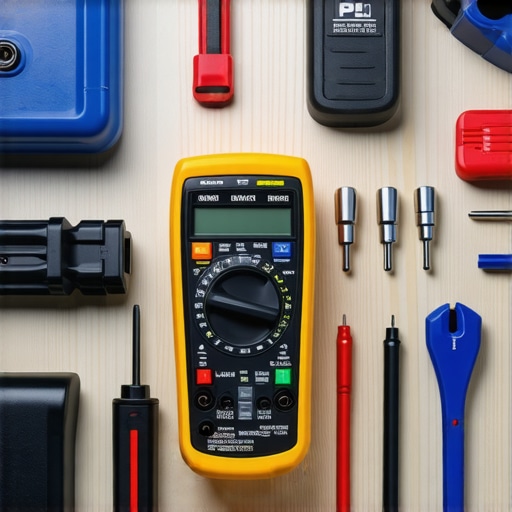
Maintaining your vehicle over the long term starts with equipping yourself with precise, durable, and reliable tools that suit modern automotive needs. From oil changes to complex diagnostics, having the right equipment saves time, prevents mistakes, and ensures safety. One indispensable tool I personally rely on is a high-quality digital multimeter. It provides quick, accurate readings of voltage, resistance, and current, essential for testing electrical systems like batteries, alternators, and sensors. I recommend models like the Fluke 117, which offers solid accuracy and durability for daily use.
Another game-changer is a comprehensive obd2 scanner such as the BlueDriver Bluetooth Professional Scan Tool. Unlike basic code readers, this device connects to your smartphone and deciphers complex error codes, giving you insights into engine health, transmission issues, and sensor failures. I use it regularly to perform quick vehicle diagnostics, especially before heading on long trips—it’s like having a mechanic in your pocket.
Invest in Quality Hand Tools
For routine maintenance tasks like oil changes and brake inspections, quality hand tools make your work safer and more efficient. I opt for metric socket sets from brands like Snap-On or Craftsman, which offer smooth ratchets and rust-resistant finishes. A solid torque wrench ensures you tighten components to manufacturer specifications, preventing damage or unsafe conditions. When working on brakes, I use precision brake caliper tools and brake grease to ensure proper assembly and longevity.
Why Regular Calibration Matters
Using tools that stay calibrated over time is vital. A miscalibrated multimeter or torque wrench can lead to improper repairs, jeopardizing safety and vehicle performance. I recommend periodically checking your tools against known standards or having them professionally calibrated—it’s a small investment that pays off in accurate repairs.
Future Trends: Smarter Tools for Safer Repairs
The automotive diagnostic landscape is shifting toward integrated, cloud-based solutions and AI-assisted diagnostics. Future tools will likely combine real-time data collection with machine learning algorithms to predict failures before they happen. A recent report by Automotive Engineering Magazine highlights the rise of these smart diagnostics, emphasizing their potential to revolutionize auto maintenance and reduce costs.
How do I maintain my tools and software over time?
Regularly cleaning and storing your tools properly extends their lifespan. For electronic devices like scanners and multimeters, keep firmware updated via official manufacturer software, which often includes bug fixes and improved functionalities. For physical tools, wiping down with a cloth after use and applying rust-preventive oil on metal parts helps prevent corrosion. Also, check calibration regularly—an accurate tool is the backbone of effective maintenance. For more insights on maintaining your auto repair arsenal, visit auto repair hacks that emphasize cost-effective yet quality tools. Start by calibrating your multimeter today—it’s a simple step that ensures trustworthy readings during every check.
Over the years, my journey with auto repair has been filled with eye-opening lessons and aha moments. One of the most profound realizations is that your car often whispers its troubles through subtle signals that, when understood, can save you from costly surprises. Recognizing these clues is like having a mechanic in your pocket, giving you that extra edge in maintaining your vehicle’s health.
The Unexpected Truths Hidden Behind Dashboard Flickers
Many drivers dismiss flickering dashboard lights as minor glitches, but I’ve learned they often hide deeper issues—like loose wiring, failing sensors, or weak grounding. Every flicker is a breadcrumb pointing toward potential electrical woes. For example, a recurring flicker during bumps might indicate a loose ground connection, which, if left unchecked, can escalate into more severe malfunctions. Trusting your instincts and inspecting these signs early can streamline repairs and extend your vehicle’s lifespan.
Why So Many Auto Tips Overlook the Real Cause
It’s tempting to chase symptoms—like replacing a sensor or changing a fuse—without addressing the root. I’ve been there myself, assuming sparks or flickers are just superficial issues. But I discovered that meticulous inspection of wiring and grounding connections often reveals the true culprit. This approach not only prevents wasted time and money but also builds your confidence in handling minor repairs—knowledge that’s priceless.
Gear Up with Tools That Speak the Language of Your Car
Investing in reliable diagnostic tools like the vehicle diagnostic scanner has transformed my maintenance routine. These gadgets decode error codes and provide real-time data, turning complex diagnostics into manageable tasks. Pairing digital multimeters with quality hand tools ensures accurate readings and safe repairs—skills that empower you to troubleshoot electrical issues confidently. Remember, the right tools are your best allies in unveiling hidden vehicle secrets.
Join the Ranks of Informed Car Owners
The world of auto repair is more accessible than ever, and I encourage you to embrace this knowledge. By understanding your vehicle’s signals—like flickering lights or strange noises—you can act proactively, avoiding breakdowns and extending your car’s life. Every repair you undertake with confidence adds to your vehicle’s reliability and your peace of mind. Your journey toward mastery starts now—dive deeper into topics like cost-effective auto repair hacks and make informed choices that keep your car running smoothly for years to come.