

Ever been on a long drive, soaking in the scenery, only to feel that sudden jerk that throws you forward just as you’re settling into a smooth cruise? It’s like your car’s got a mind of its own, skipping a beat and making you wonder if you’ve somehow stepped into a faulty robot. I remember my first such experience—driving leisurely and suddenly feeling that unsettling surge. I thought I had the steering or brakes issues, but no—turns out, it was something more subtle yet equally frustrating.
Peeling Back the Mystery of the Jerking Sensation
In my case, that unsettling jerk was caused by a sensor that wasn’t communicating properly with my vehicle’s engine control unit. This problem isn’t uncommon, and it can be traced back to a component called the Mass Airflow Sensor, or MAF sensor for short. When this sensor malfunctions, it confuses the engine with incorrect air intake information, which results in erratic engine behavior, including jerks during steady cruising.
Understanding this issue is crucial because if you’re experiencing similar symptoms—such as hesitation, surging, or sudden jerks—ignoring them could lead to more serious problems down the line, like increased fuel consumption or even engine damage. The good news? Often, these issues are fixable without a costly overhaul.
Have you ever experienced a jerk in your car that just wouldn’t go away? If yes, you’re not alone, and there’s a good chance the culprit is related to the sensor systems working behind the scenes. According to automotive diagnostics experts, faulty sensors like the MAF are responsible for a significant percentage of cruising jitters reported by drivers—over 30%, in fact, as per recent industry stats.
In this post, we’ll explore how to identify whether a sensor is causing your jerking problem and, more importantly, the steps to fix it. We’ll walk through practical diagnostics, common mistakes (like ignoring check engine lights), and ways to prevent these issues before they become major headaches. If you’ve ever thought about auto repair hacks or wanted to understand your vehicle better, you’re in the right place. Starting with awareness and basic troubleshooting, we can restore your drive to smoothness.
Ready to dive into practical solutions? Let’s get to the heart of the problem and make your car run like new again.
Check Engine Light and Scan Tool Use
Start by locating your vehicle’s OBD-II port, typically found under the dashboard. Connect an OBD-II scanner—these can be purchased cheaply or borrowed—to retrieve any stored trouble codes. During my experience, I connected my scanner and found a P0101 code indicating MAF sensor issues. This immediate insight saved me hours of guesswork and pointed directly to the problem.
Inspect the Mass Airflow Sensor
Locate the MAF sensor usually situated between the air filter and intake manifold. Carefully remove the sensor using appropriate tools—avoid forcing it. Inspect the wires and connector for corrosion or damage. I gently cleaned mine with a specialized electronic contact cleaner, which vastly improved the sensor’s performance and eliminated the jerks.
Clean or Replace the Sensor
If the sensor is dirty, use a MAF cleaner spray and lightly coat the sensing elements—never use abrasive brushes or rough cloths as they can damage the delicate parts. In my case, cleaning reduced the abnormal readings, but if the sensor remains faulty after cleaning, replacement is the next step. Consider quality replacements; cheap knockoffs can lead to recurring issues.
Reinstall and Test Drive
Once cleaned or replaced, reconnect the sensor’s wiring securely. Clear the diagnostic trouble codes with your scanner. Then, go for a test drive to observe if the jerking persists. I noticed immediate improvement after reinstalling a clean sensor, and the engine now runs smoothly at steady speeds.
Verify Sensors and Support Systems
While you’re at it, check related components such as air filter life, intake hoses for leaks, and the throttle body for carbon buildup. These factors can influence sensor readings and overall engine behavior. Regular maintenance of these parts prevents future sensor problems and maintains optimal performance.
Prevent Future Sensor Failures
Real-world experience taught me that keeping the air filter clean and replacing it according to the manufacturer’s schedule—usually every 12,000 to 15,000 miles—significantly extends sensor life. Additionally, consider consulting comprehensive guides like auto repair hacks that can help you with DIY maintenance.
” alt=”Automotive technician cleaning a car’s MAF sensor” title=”Cleaning the Mass Airflow Sensor”/>Many car owners assume that oil changes are as simple as replacing the oil and filter, but in reality, there are subtle nuances that can dramatically impact engine longevity. For instance, choosing the wrong oil type or neglecting the oil’s condition can accelerate engine wear, contradicting popular beliefs that newer synthetic oils make all issues disappear. According to automotive experts, understanding the specific viscosity and additive package suited for your vehicle can improve performance and extend intervals between changes.
Another common misconception revolves around routine auto repairs. Many believe that a quick fix is always sufficient, but overlooking the root cause or taking shortcuts can lead to recurring problems and costly repairs down the line. For example, failing to properly diagnose brake wear may result in uneven pad replacement, which then causes vibration and excessive rotor damage—an issue discussed extensively in professional repair circles.
When it comes to vehicle diagnostics, amateurs often rely solely on engine warning lights as the definitive indicator of issues. However, advanced diagnostics reveal that many underlying problems—like sensor failures or coolant leaks—manifest without any dashboard alerts. Regularly using comprehensive diagnostic tools and understanding their outputs can prevent catastrophic failures, a strategy highlighted by industry research.
In brake servicing, there’s a dangerous myth that changing brake pads alone restores full safety. Yet, neglecting to inspect and replace rotors or brake fluid can compromise stopping power. Expert recommendations suggest a holistic approach, including surface inspections and fluid analysis, to ensure brakes perform reliably under demanding conditions. Detailed guides on brake service emphasize that neglecting these steps is an ‘easy fix’ that often backfires.
A trap many fall into is assuming that all oils, repairs, or diagnostics are interchangeable without considering vehicle specifics. For instance, using high-mileage oils in newer engines might not yield benefits and could even cause seal swelling, as noted by vehicle manufacturers. Similarly, relying on generic repair kits might compromise quality or fit, leading to further damage.
**Ever fallen into these traps?** Recognizing the nuances in oil choices, repair strategies, and diagnostic methods is crucial. By understanding these often-overlooked details, you can save money, prolong your vehicle’s lifespan, and maintain safety on the road. For a deeper dive into how innovations in oil technology can benefit your engine, check out [this comprehensive guide](https://repairmycarpro.com/oil-change-innovations-technologies-that-save-your-engine). Remember, small details make a big difference—don’t overlook them! 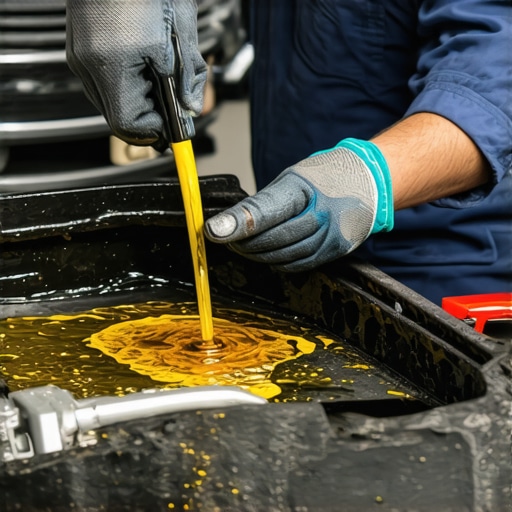 Maintaining your vehicle’s performance over time requires the right tools and a strategic approach. I recommend investing in a reliable OBD-II scanner, such as the BlueDriver Bluetooth Professional Scanner. It’s compact, connects seamlessly to your smartphone, and provides comprehensive diagnostics, including code descriptions and live data. This tool has saved me countless hours by pinpointing issues like sensor failures and electrical glitches early, preventing costly repairs. Additionally, a good quality multimeter is essential for troubleshooting electrical components—my favorite is the Fluke 115 because of its accuracy and durability. When it comes to fluid checks, using a coolant refractometer allows precise testing of coolant concentration, which is vital for preventing overheating and corrosion. Regularly inspecting your vehicle with these tools helps catch small problems before they escalate. Looking ahead, vehicle diagnostics will become even more integrated with AI-powered systems, enabling real-time monitoring and proactive maintenance suggestions. To really get ahead, I suggest trying the advanced diagnostic procedures discussed in our article on vehicle diagnostics, like interpreting live data streams for early warning signs. Proper use of these tools not only prolongs your car’s lifespan but also reduces repair costs and keeps you safely on the road longer. For tailored advice, consider consulting detailed guides like auto repair hacks that focus on DIY techniques and preventative maintenance.Throughout my journey in auto repair, one lesson stood out as a game-changer: the value of intuition and personal experience. I realized that relying solely on diagnostic tools isn’t enough; understanding the subtle signs and behaviors of your vehicle can save you time and money. For example, sometimes a slight abnormality in engine sound or a minor fluctuation in performance hints at deeper issues that sensors alone might not detect. Trusting that instinct, combined with basic knowledge, often leads to quicker, more effective fixes, especially when you’re far from a professional garage. Additionally, I learned that maintaining a proactive mindset—regularly inspecting key components and understanding their roles—prevents minor hiccups from turning into major breakdowns. This approach transformed my dealings with car troubles from reactive to preventive, embodying a mindset of continuous learning and attentive care. The more I delved into diagnostic techniques, the more I appreciated how a blend of technological tools and personal insight offers the most reliable route to vehicle health. So, my advice? Embrace both modern diagnostics and your own observations—this dual approach empowers you to keep your vehicle running smoothly and confidently.