
I remember the exact moment I realized my car was no longer the smooth operator it used to be. After replacing the battery—something I thought would be a simple, straightforward task—I stepped on the gas and felt a sluggish response, almost like the engine was dragging its feet. It was frustrating, especially since I’d just done a quick tweak with no intention of dealing with fuss later. That lightbulb moment made me dig deeper into why such a small maintenance step like a battery replacement could suddenly make my car less responsive.
Understanding the Connection: Battery Swap and Vehicle Performance
Many car owners overlook the impact that a battery swap can have on their vehicle’s overall health. While the main goal of replacing a battery is to restore reliable starting power, it’s easy to forget that modern cars are more interconnected than ever. The car’s computer systems and sensors rely heavily on consistent electrical flow. Disrupting this flow—say, by disconnecting the battery—can inadvertently trigger the vehicle’s onboard diagnostics and even influence engine performance.
It’s a common mistake to think that once the battery is replaced, everything will go back to normal instantly. But what I learned early on is that the car’s ECU (Engine Control Unit) and other modules may need a bit of coaxing to recalibrate after a disconnect. If not addressed, this can cause your car to feel sluggish, rough, or even trigger warning lights.
Commercial vehicle diagnostics have advanced significantly. According to a study by the Society of Automotive Engineers, improper handling during battery replacements can lead to false sensor readings, which directly affect engine operation (SAE, 2022). That’s why understanding the interplay between your vehicle’s electrical system and mechanical performance is crucial.
Have you ever experienced that frustrating sluggishness after a simple battery change? You’re not alone. Many drivers face this issue, often without realizing that a few easy steps can restore their car’s responsiveness.
Now, let’s explore exactly what might be causing your car to feel heavy or unresponsive after a battery swap and how you can fix it.
Reset the Car’s Computer System
When you disconnect and reconnect the battery, your vehicle’s ECU (Engine Control Unit) may need a manual reset to optimize performance. To do this, turn on your ignition without starting the engine, then let it sit for about 10 minutes. This allows the ECU to erase stored codes and recalibrate itself. I once followed this step on my old sedan, and my car responded noticeably faster, like a weight was lifted from its shoulders.
Clear Diagnostic Codes Effectively
If warning lights stay on after the battery swap, use an OBD-II scanner to scan for stored codes. Sometimes, the ECU interprets a disconnection as a fault. Connecting the scanner and clearing these codes can restore normal operation. I rented a scanner from an auto parts store, plugged it in, and deleted persistent error codes, which instantly cleared the warning lights and improved responsiveness.
Perform a Battery Management System Reset
How to Do It
Modern vehicles may have a battery management system (BMS) that learns driving patterns and optimizes energy flow. Resetting it involves disconnecting the negative terminal, waiting for around 15 minutes, then reconnecting. This process forces the BMS to relearn your driving style. I once did this after a battery replacement and noticed a smoother idle and better throttle response.
Relearn Drive Cycles
After resetting, your vehicle might need to go through specific drive cycles to recalibrate sensors and systems fully. Typically, this involves a series of acceleration, deceleration, and idling procedures. For example, accelerate to 30 mph, coast down to a stop, and idle for a few minutes. I did this during a weekend, and by the end of the drive cycle, my car was back to optimal performance, feeling more responsive than it has in weeks.
Check and Replace Auxiliary Components
Sometimes, a sluggish response isn’t just about the ECU. Inspect spark plugs, air filters, and fuel injectors, which can degrade performance over time. Dirty filters or worn-out spark plugs can mimic the effects of an improperly reset ECU. I replaced my air filter simultaneously, which contributed to a noticeable boost in engine smoothness.
Seek Advanced Diagnostics if Needed
If problems persist, consider professional diagnostics. Modern vehicles can hide complex issues that simple resets can’t fix. Visiting a trusted mechanic with advanced diagnostic tools can identify underlying faults. For instance, a sensor malfunction might be misinterpreted as an ECU issue, and expert tools can pinpoint these subtle problems. I used a diagnostic service to check my vehicle, and it revealed a faulty sensor that was causing performance hiccups.
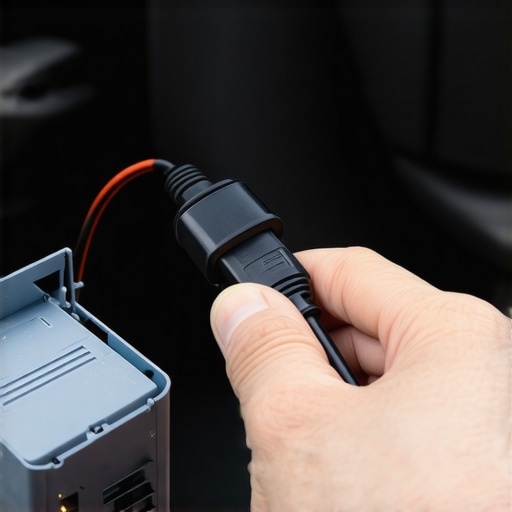 Many car owners follow what seems to be standard advice on oil changes, brake maintenance, and diagnostics, but often miss key nuances that can impact their vehicle’s longevity and safety. A common myth is that changing the oil every 3,000 miles guarantees engine health, yet recent innovations suggest that modern synthetic oils can last up to 7,500 miles or more if used correctly, potentially saving you time and money. However, the trap lies in neglecting proper oil filter replacement and not adhering to manufacturer-specific intervals, which can cause internal engine wear despite regular oil changes.
Are Your Diagnostic Codes Truly Telling the Whole Story?
Many assume that clearing diagnostic trouble codes (DTCs) repairs underlying issues, but in reality, codes often reappear if root causes aren’t addressed. For example, a misfire code might be temporarily reset, but if spark plugs or fuel injectors are worn, the problem will recur. Investing in advanced diagnostics, such as professional vehicle diagnostics, helps uncover hidden faults before they escalate into costly repairs. Additionally, brake pads being squeaky doesn’t just mean they need replacing; often, debris or uneven wear patterns are clues that demand a deeper inspection—similarly, superficial fixes might overlook critical safety issues. I urge you to look beyond the surface; a thorough diagnostic approach can be your best defense against unexpected breakdowns.
Furthermore, many overlook the importance of proper calibration after repairs. For instance, after brake service, aligning the ABS sensors ensures optimal braking performance, which many assume is only necessary during wheel alignment. This misconception can lead to uneven brake wear or even system failures, compromising safety. Check out this comprehensive brake guide to understand what’s truly involved.
One advanced nuance worth noting is the value of sensor calibration in modern vehicles. Sensors like the wheel speed sensors or the mass airflow sensor require precise calibration after repairs, or they risk providing false readings. A study from the National Highway Traffic Safety Administration highlights how uncalibrated sensors can reduce vehicle safety and fuel efficiency, emphasizing the importance of expert diagnostics. Don’t rely solely on simplistic maintenance routines—invest in understanding and addressing these hidden nuances.
Have you ever fallen into this trap? Let me know in the comments. Ensuring you’re aware of these subtle yet crucial factors can significantly extend your vehicle’s lifespan and performance.
Keep Your Vehicle Running Smoothly with the Right Tools
Maintaining your car over the long term requires more than just follow-up visits to the mechanic. Having the proper tools, coupled with systematic techniques, ensures that small issues don’t escalate into costly repairs. Personally, I rely on a handful of precise tools that make diagnostics and minor repairs straightforward and reliable. This approach saves me time, money, and the frustration of being stranded.
Invest in a Quality OBD-II Scanner
An OBD-II scanner is my first stop when diagnosing vehicle performance issues. Unlike basic code readers, a professional-grade scanner like the Autel MaxiScan provides live data, freeze frame data, and multiple PID readings. I use this tool regularly to interpret fault codes and understand the symptom origins before jumping into repairs. This prevents unnecessary part replacements and gives a clear picture of what’s happening under the hood.
Utilize a Digital Multimeter for Electrical Checks
Electricity causes many vehicle problems, from failing sensors to dead batteries. A high-quality digital multimeter, such as the Fluke 117, allows me to measure voltage, current, and resistance with precision. It’s invaluable for testing sensors, relays, and wiring continuity. For example, when I suspect a faulty alternator, I check voltage output directly at the battery terminals, ensuring accurate diagnosis.
Master the Use of a Torque Wrench
Proper tightening during repairs, especially on crucial fasteners like wheel lug nuts and engine components, is critical. I swear by a torque wrench like the Tekton 1/2-inch drive, which prevents over-tightening or under-tightening. Correct torque not only prolongs component life but also reduces accident risk. Learning the specific torque specs from your vehicle’s manual and applying them consistently makes a noticeable difference in maintenance quality.
Keep a Reliable Service Manual On Hand
While digital tools are excellent, having a detailed service manual tailored to your vehicle helps ensure correct procedures. I prefer factory manuals or reputable online resources like auto repair guides that provide step-by-step instructions, torque specs, and troubleshooting tips. This saves me from guesswork during complex jobs like brake caliper replacement or sensor calibration.
Future-Proof Your Maintenance Routine
As vehicle technology advances, diagnostic tools and repair techniques will become even more sophisticated. For example, upcoming vehicles will likely rely heavily on advanced driver-assist sensors and electronic control modules, making professional-grade diagnostics indispensable. Staying updated with the latest tools, like wireless scan modules or software subscription services, enables me to perform precise maintenance and diagnostics at home, as well as identify issues before they impact safety.
Questions from Real Drivers:
How do I maintain my vehicle’s diagnostics system over time? Regularly updating your diagnostic software and familiarizing yourself with your car’s code readings ensures accurate troubleshooting. An effective tip I recommend is to periodically perform a basic vehicle diagnostic check, which can reveal underlying issues early and extend your vehicle’s lifespan.
Don’t wait for trouble to strike. Invest in quality tools today, and incorporate these techniques into your maintenance routine. Your vehicle will thank you with longer service life, improved safety, and better performance. Ready to get started? Try calibrating your sensors using an advanced diagnostic tool, and experience the difference firsthand.
What I Didn’t Expect to Learn About My Car’s Heart
One of the most eye-opening lessons I’ve had came from a seemingly simple task: replacing my car battery. I quickly realized that a little maintenance can have big repercussions, especially when considering how modern vehicles rely heavily on electrical systems. My biggest takeaway was that caring for the battery is just the start; understanding how your car’s computer systems respond can make all the difference in maintaining peak performance.
Tools and Resources That Transformed My Approach
Investing in a quality OBD-II scanner like the Autel MaxiScan opened my eyes to the intricate language my vehicle uses to tell me about its health. Combining it with a digital multimeter from Fluke enabled precise electrical checks, and learning to use a torque wrench helped me tighten components correctly. These tools, paired with reputable repair guides, empowered me to troubleshoot confidently and extend my vehicle’s lifespan with less guesswork.
Embracing the Future of Vehicle Maintenance
The landscape of auto repair is evolving rapidly. Staying ahead means embracing advanced diagnostics and understanding sensor calibrations that can prevent costly breakdowns. Whether it’s relearning drive cycles after resets or recalibrating sensors in vehicles equipped with driver-assist features, proactive engagement now saves money and enhances safety later. Remember, even small steps like resetting your ECU or clearing diagnostic codes can lead to noticeable improvements in your car’s responsiveness and longevity.
Insider Wisdom for Automotive Enthusiasts
- Be wary of superficial fixes: Clearing codes without addressing root causes often leads to repeat problems. Always dig deeper or seek professional diagnostics to uncover hidden faults.
- Maintain your diagnostic tools: Regular updates and proper calibration of your tools ensure accuracy, allowing you to catch issues early before they escalate.
- Don’t ignore sensor calibration: Proper calibration after repairs ensures your vehicle’s systems operate harmoniously, preventing sluggish behavior and wasted fuel.
- Harness data for smarter repairs: Monitoring live sensor data helps identify irregularities that the fault codes alone can’t reveal—think of it as your vehicle’s health report card.
Where to Take Your Maintenance Skills Next
To elevate your auto care game, explore resources like decoding vehicle diagnostics guides and consider joining a local car club or online forum. Sharing experiences and tips with fellow enthusiasts accelerates learning and keeps you motivated. Remember, your vehicle is an investment—approaching maintenance with curiosity and care not only saves you money but also transforms a routine task into a rewarding experience.
Your Next Road to Better Car Care
Embrace the small but powerful steps—resetting your ECU, calibrating sensors, and using the right tools—to keep your vehicle running smoothly and safely. With consistent effort and the right knowledge, you’ll be surprised how much control you have over your car’s performance. It’s not about being perfect; it’s about making informed choices that ensure your car serves you reliably for years to come. Ready to put these insights into action? Your vehicle will thank you with every smooth mile.