
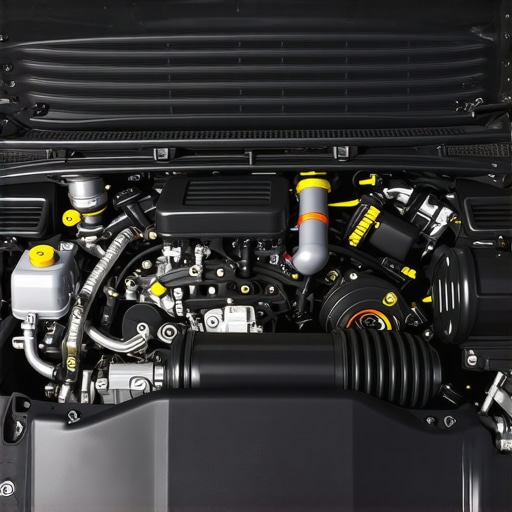
Have you ever experienced that jarring jolt when your car shifts gears abruptly, especially the moment the air conditioning kicks in? I remember the first time it happened to me on a scorching summer afternoon. My heart sank because I knew something wasn’t quite right, but I didn’t want to admit I might need a costly repair. Instead, I brushed it off, thinking it was just a minor hiccup. But as the problem persisted, I realized I wasn’t alone in this frustrating experience. If your vehicle behaves this way, you’re probably wondering, why only when the AC is running does your car shift hard? Well, trust me, it’s more common than you think, and understanding the why can save you a lot of trouble down the line.
The Link Between Air Conditioning and Transmission Behavior
It might seem unrelated at first—after all, what does your climate control system have to do with how your car shifts gears? The truth is, many components work hand-in-hand under the hood, and a problem with one system can ripple over into another. When your AC is on, it puts extra load on your engine, which can influence the transmission’s operation. For instance, if your engine isn’t running smoothly, this extra strain can cause the gear shifts to become abrupt or hard. I remember early in my repair journey, I made the mistake of ignoring minor irregularities, assuming they were harmless. But that caused more issues later on, reinforcing the importance of catching problems early. For insights on how vehicle diagnostics can prevent costly breakdowns, check out [this detailed guide](https://repairmycarpro.com/how-advanced-vehicle-diagnostics-prevent-costly-breakdowns).
Is This Issue Truly Worth Fixing, or Just a Nuisance?
Many drivers wonder if such shifting problems are serious or just a temporary annoyance. The good news is that in many cases, troubleshooting this can be straightforward, especially if you understand where the root cause lies. However, ignoring it can lead to more significant issues, such as transmission wear or failure. I’ll walk you through the common causes and simple diagnostics so you’re not left guessing. Remember, early intervention often saves money and stress. If you’re curious about basic vehicle health checks, I recommend exploring [vehicle diagnostics explained](https://repairmycarpro.com/decoding-vehicle-diagnostics-what-your-car-is-trying-to-tell-you). So, let’s dive into what’s really happening behind the scenes when your car reacts this way, and more importantly, how you can get it fixed without breaking the bank.
Start With a Visual Inspection of Your Transmission and Engine Components
First, open your hood and examine the transmission fluid level and condition—look for dark, burnt-looking fluid or a low level, which can cause rough shifting, especially when the AC loads the engine. Use the dipstick, clean it with a rag, and re-measure for accuracy. I once checked mine during a hot day, found the fluid was dirty and low, and after replacing it, my shifting problems disappeared. To prevent neglect, consult your vehicle’s maintenance schedule or visit this resource for comprehensive tips.
Check the Transmission Control Module and Sensors
Test the Sensors for Faulty Readings
Next, verify the operation of sensors such as the throttle position sensor (TPS) and vehicle speed sensor (VSS). Use an OBD-II scanner to see live data—erratic or inconsistent readings suggest sensor issues that affect shift quality. I ran a diagnostic scan on my sedan with a simple handheld scanner, which revealed a faulty throttle sensor. Replacing it restored smooth shifts when the AC was active. For an easy diagnostic walkthrough, see this guide.
Assess the Clutch and Transmission Fluid System
If your vehicle uses a traditional clutch or manual transmission, inspect the clutch adjustment and hydraulic system. For automatics, focus on the transmission fluid pump and filter. Low or contaminated fluid can cause harsh shifts under load, such as when the AC turns on. During my last repair, I drained, replaced, and properly filled my transmission fluid following the steps in this resource. Be sure to select the correct type and quantity of new fluid for your car model.
Perform a System Test to Isolate the Issue
Connect your scan tool and observe the transmission-related codes, if any. Clear existing codes and then run the vehicle, turning the AC on and off at idle and with a slight load—like turning on the headlights—to see if the problem reproduces. If shifting issues only occur under specific conditions, this indicates a sensor or actuator malfunction. I once had a problem only when the AC clutch engaged; diagnosing with a scanner pointed me toward the torque converter, which needed repair. For more detailed troubleshooting steps, explore this article.
Consider Mechanical and Hydraulic Causes
Finally, inspect the transmission valve body and solenoids for wear or sticking. These components control gear shifts hydraulically, and when they malfunction, you get hard or delayed shifting, especially under added engine load from the AC. For precise diagnostics and repair procedures, you might consult a professional or refer to this guide. During my own experience, I retrieved a stuck solenoid by cleaning its valve body, which improved shifting consistency.
By systematically following these steps—starting with visual checks, sensor testing, fluid assessment, diagnostics, and mechanical inspection—you can identify and address the root causes of hard shifting when the AC runs. Remember, a proactive approach prevents further damage, saving you time and money in the long run.
While many car owners believe they understand the basics of auto maintenance, several misconceptions persist that can hinder effective repairs and lead to costly mistakes. One widespread myth is that changing your oil frequently is always necessary, but recent studies show that modern synthetic oils can last significantly longer without degrading, provided your driving conditions are normal. Overchanging oil not only wastes money but can also introduce contamination issues if the oil isn’t drained properly. This is why adhering to vehicle-specific recommendations—found in your owner’s manual or through trusted sources like this guide—is crucial for optimal engine health.
Another common misconception involves brake service: many think that squealing brakes mean they need immediate replacement, yet often the noise results from sensor wear or minor pad glazing, which can be remedied with simple adjustments—saving you both time and money. However, neglecting genuine issues like warped rotors can lead to dangerous brake failure, highlighting the importance of proper diagnostics. When it comes to vehicle diagnostics, a trap many fall into is relying solely on generic scan tools without understanding their limitations. While OBD-II scanners can reveal basic error codes, they may not detect underlying mechanical problems, so consulting a professional or using advanced diagnostics as described here can prevent unexpected breakdowns.
Additionally, a nuanced point often overlooked is the complexity of vehicle sensors. For instance, a faulty throttle position sensor might cause subtle drivability issues, like hesitation during acceleration, that typical repair shops might overlook or misdiagnose. This is where testing sensor outputs with specialized diagnostic tools becomes invaluable, much more so than just replacing parts on a hunch. Recognizing these hidden nuances can save you a lot of money and hassle, especially if you understand how interconnected the vehicle’s systems truly are.
Have you ever fallen into this trap? Let me know in the comments. Remember, being informed about these advanced aspects of auto repair can empower you to make smarter decisions and avoid costly missteps in maintaining your vehicle.
Investing in Reliable Diagnostic Equipment
To keep your vehicle performing at its best, I personally rely on a high-quality OBD-II scanner like the Autel MaxiCOM MK808. This tool has become an indispensable part of my maintenance routine because it provides comprehensive live data and reads a wide array of error codes, including manufacturer-specific ones. Unlike basic scanners that only display generic codes, my device allows me to pinpoint issues precisely, saving me time and money. Regular scans, especially before long trips, help me catch potential problems early, ensuring that my vehicle remains reliable. For those serious about DIY maintenance, a dependable scanner can be the difference between costly surprises and peace of mind. To further understand vehicle diagnostics, check out this in-depth guide.
Choosing the Right Maintenance Tools for Longevity
Beyond diagnostic tools, I recommend investing in quality hand tools and specialized equipment tailored to your vehicle. For oil changes, a solid torque wrench ensures you tighten drain plugs and filters to the manufacturer’s specifications, preventing leaks and ensuring proper seal integrity. When changing brakes, a good brake caliper piston tool makes reassembly smoother and reduces damage risks. Using reputable brands like Snap-on or Craftsman guarantees durability and precision, which translates to better maintenance outcomes over the long term. Remember, cheap tools often lead to stripped bolts and additional repair costs, so it’s worth the extra investment. Proper tools combined with knowledge can extend your vehicle’s lifespan significantly. For detailed procedures, visit this resource.
Automating Maintenance to Cover All Bases
One approach I’ve adopted is setting reminders for routine maintenance based on my vehicle’s service schedule. Whether it’s oil changes, brake inspections, or coolant flushes, sticking to these schedules avoids problems that develop unnoticed. Additionally, I use software like Car Scanner ELM OBD2 to log data and track trends over time, helping me spot patterns that indicate impending issues. As vehicles become more sophisticated, integrating maintenance apps with diagnostic tools will become standard, making adherence to service intervals even easier. Predictive maintenance is the future, and leveraging data-driven tools now can save you from costly repairs down the line. To understand how advanced diagnostics prevent breakdowns, see this article.
Anticipating How the Trend Will Evolve
Looking ahead, I believe that the integration of AI-driven diagnostic platforms will revolutionize how we maintain our vehicles. Cars will soon come equipped with self-diagnosing sensors that notify owners of issues before symptoms are visible. As OEMs adopt cloud computing, remote diagnostics will allow us to receive expert assessments via smartphone apps, reducing time at repair shops. This shift towards smarter maintenance tools will empower even casual car owners to keep their vehicles in top shape with minimal effort. Staying informed and investing in these emerging technologies now can help you adapt seamlessly to future trends.
How do I maintain auto repair tools over time?
Proper care and calibration are vital to keeping your tools accurate and reliable. Regularly clean diagnostic sensors, test the calibration of your torque wrenches, and store tools in a dry, organized space. Replacing consumables, such as filters in your diagnostic equipment, ensures consistent performance. Just as cars require scheduled maintenance, your tools need periodic checkups to prevent inaccuracies that could lead to improper repairs. Keeping your equipment well-maintained not only prolongs its lifespan but also preserves the quality of your work, helping you avoid unnecessary repairs down the line.
The Hidden Lessons I Learned About Vehicle Shifting and AC Load
- After years of DIY repairs, I realized that ignoring the subtle signs of transmission strain, especially when the AC is on, can lead to expensive failures. Paying close attention to how your car shifts under different loads reveals much about engine and transmission health, much more than I initially thought.
- Understanding that engine load affects transmission behavior was a game-changer for me. Simple checks like monitoring fluid condition and sensor readings can prevent costly trips to the mechanic and give you confidence in handling minor issues early.
- My biggest breakthrough came when I learned that often the root cause of hard shifting with the AC is linked to sensor misreads or fluid contamination—problems easy to diagnose with the right tools and knowledge, saving both time and money.
Tools and Resources That Turn Me Into a Skilled DIYer
- My trusted reliable OBD-II scanner, like the Autel MaxiCOM MK808, provides detailed live data and error codes that are crucial for pinpointing issues causing hard shifts—it’s become an indispensable part of my toolkit.
- I rely on quality hand tools such as a torque wrench and specialized diagnostic gadgets because they ensure repairs are done correctly the first time, preventing future problems and extending my vehicle’s lifespan.
- For keeping track of routine maintenance and recognizing emerging issues early, I use maintenance software and apps, which help me stay proactive and avoid expensive repairs—these tools are a must for any diligent car owner.
Your Next Step Towards Confident Car Care
Now that you know these inside tips and trusted resources, it’s time to take action. Regular diagnostics, attentive maintenance, and understanding your vehicle’s signals empower you to keep your car running smoothly, even when the AC kicks in. Remember, the more proactive you are, the less you’ll have to spend on repairs later. Don’t wait for problems to become emergencies—start applying these insights today to be the master of your vehicle’s health.
What’s Your Experience?
Have you ever dealt with a tricky shifting issue when your AC was on? What steps did you take to fix it? Share your story in the comments below and let’s learn from each other’s journeys to better vehicle maintenance.