

One morning, I was cruising down the highway when my transmission suddenly started slipping, and I felt a strange shudder through the steering wheel. My heart sank—I knew something was wrong, but I didn’t have an advanced scanner or fancy tools on hand. It was a lightbulb moment that made me realize: there has to be a way to diagnose a failing torque converter without relying solely on high-tech equipment.
Why Guesswork Isn’t Good Enough When Your Transmission Acts Up
Most folks think diagnosing transmission issues requires expensive scanners and professional tools. But in reality, many common problems, like a failing torque converter, can be identified with simple tests and keen observation. Recognizing early signs not only saves you money but also prevents roadside breakdowns and costly repairs later on. The key is knowing what to look for and how to test your vehicle effectively, even without going to the shop.
Is It Really Worth the Effort to Check Without a Scanner?
I used to dismiss the idea of diagnosing issues myself, thinking I needed all the latest diagnostic gear. However, I learned a crucial lesson—early diagnosis often comes down to paying attention to your car’s behavior. I once made the mistake of ignoring seeming minor symptoms, which eventually led to a much more expensive repair. Trust me, taking a few simple steps can help you get ahead of big problems.
If you’re experiencing symptoms like shuddering, slipping gears, or strange noises during acceleration, you might be dealing with a faulty torque converter. Curious about how to confirm it yourself? Stay tuned—next, I’ll walk you through practical, easy-to-do tests to spot a failing converter without a scanner. For more general vehicle safety tips, you might want to check out this guide on vehicle diagnostics.
Diagnosing a transmission issue like a failing torque converter might seem daunting at first, but with a bit of know-how, you can save yourself time, stress, and money. Ready to get your hands dirty? Let’s dive into the signs to watch out for and how to verify them on your own.
Perform a Test Drive to Observe Vehicle Behavior
Start by taking your car for a controlled drive in a safe environment. Accelerate gradually and note if the transmission slips or if the engine revs higher than usual without speed increase. I once noticed my car shuddering at steady speed—this was my first hint that something was amiss. Pay attention to any odd sounds or vibrations, as these can be clues pointing to torque converter issues.
Check for Excessive Stalling or Shuddering
Idling in neutral or park, gently rev the engine—if you feel a sudden loss of power or a shudder, it may indicate converter problems. For example, I experienced a rough stall during a quick test, which prompted me to explore further. These symptoms often happen when the converter isn’t locking or unleashing properly.
Use the ‘Rev and Park’ Stalls Test
With the engine running, bring your vehicle to a stop in park. Lightly press the accelerator to about 2000 RPM and then lift your foot off the pedal. Observe if the engine stalls or struggles to stay running—a sign that the torque converter isn’t functioning properly. I performed this test on my car after noticing hesitation during normal driving; the engine nearly stalled, confirming my suspicions.
Monitor for Locked Converter Symptoms
In some cases, you can detect a failing converter by feeling for a delay in power transfer when accelerating from a stop. If your car feels sluggish or if acceleration is uneven, it could be related to converter clutch issues. Remember, these tests are simple but effective in identifying problems early. For a detailed overview of vehicle systems involved, check out decoding vehicle diagnostics.
Listen for Unusual Noises During Drive
Keep your ears open for whining or grinding sounds that change with engine RPM. Such noises often accompany a failing converter, especially when the clutch inside it begins to slip. During a drive, I noticed a high-pitched whine when the car was under load—this was my indicator to investigate further. These sounds are subtle but telling signs of internal issues.
Feel for Unusual Vibrations
If your steering wheel or transmission feels like it’s vibrating excessively during acceleration, it might be linked to converter slippage. My experience was feeling a persistent tremor on highway speeds, which prompted me to explore more diagnostic steps. Remember, repeated vibrations during steady speeds often point to internal transmission problems.
Conduct a Simple Cooling Test
After a short drive, carefully check the transmission fluid temperature—if you have a thermal gun, a hot transmission fluid coupled with shifting issues may suggest converter malfunction. While not always conclusive without professional tools, this quick check can support your suspicions. I found that when my transmission was abnormally hot without apparent reason, the converter might have been slipping, which matched my other symptoms.
All these steps are easy to perform and require no special equipment, but they demand your attention and patience. Keep a detailed record of what you notice during each test. Should symptoms persist or worsen, consult a professional for a more thorough diagnosis. For extra vehicle care tips, explore auto repair hacks or essential strategies for drivers.
When it comes to vehicle maintenance, many drivers believe they have a solid grasp of the essentials—oil changes, brake inspections, and basic diagnostics. However, beneath these surface-level practices lie subtle nuances that many overlook, often leading to premature wear, wasted money, or even safety hazards. As an expert who’s been in the trenches, I want to challenge some common myths and shed light on advanced pitfalls that can trip up even seasoned car owners.
Debunking the Myths About Brake Service
Everyone assumes that replacing brake pads is all that matters for safety, but the real story involves understanding brake hydraulics, rotor condition, and the importance of proper brake fluid maintenance. For example, many believe that a squeal always indicates worn pads; in reality, cheap shims or moisture contamination can cause noise, leading owners to replace parts unnecessarily. Knowing the difference is crucial, which is why consulting comprehensive brake service myths helps avoid costly misconceptions.
Why Auto Repair Isn’t Just About Symptom Fixing
Many drivers chase quick fixes, like topping off fluids or swapping out parts without diagnosing the root cause. For instance, a routine oil change might seem straightforward, yet neglecting to check for sludge buildup or contaminants can lead to engine wear that’s not immediately apparent. Advanced diagnostics reveal trends like cooling system leaks or sensor failures before they escalate. This is why investing in advanced diagnostics can save you from unexpected breakdowns and expensive repairs.
The Trick Most Miss When Performing Oil Changes
It’s common knowledge that oil changes are vital, but many overlook the significance of proper oil selection and filter quality. A mistake here might seem minor but can cause engine wear or reduced fuel efficiency over time. Additionally, some drivers neglect to replace drain plugs or reuse old crush washers, creating leaks that are hard to detect. Remember, technology like synthetic oils and innovations in filter design offer better longevity and protection—so it pays to stay informed. For safer, smarter choices, check out the latest in oil-change tech.
How Deep Do You Need to Go for Proper Diagnostics?
This is a question I get often from advanced DIY enthusiasts. The answer? As much as your vehicle demands. Modern cars have complex sensor networks and electronic controls that require nuanced interpretation. Relying solely on generic error codes can mislead you into replacing parts that aren’t the actual problem. Using comprehensive diagnostics tools and understanding data patterns helps identify issues like wiring faults or sensor misalignments. For a detailed exploration of decoding vehicle signals, see decoding vehicle diagnostics.
Paying attention to these hidden details transforms maintenance from guesswork into precision care. Don’t fall into the trap of superficial fixes—dig deeper, ask questions, and use reliable information sources to keep your vehicle in peak condition. Have you ever fallen into this trap? Let me know in the comments, and remember: proactive knowledge saves money and keeps you safe on the road.
.
Having the Right Tools Makes All the Difference
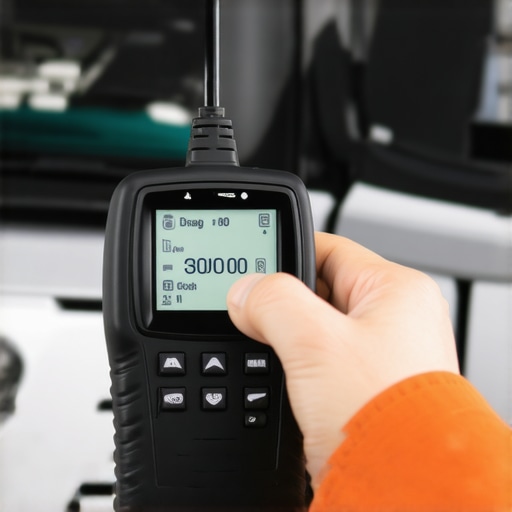
Investing in quality tools is crucial for effective vehicle maintenance, especially when diagnosing issues like a failing torque converter or performing routine tasks such as oil changes. I personally recommend a reliable OBD2 scanner like the BlueDriver because it provides comprehensive data, including live sensor readings, which are invaluable for catching problems early. This device connects via Bluetooth to your smartphone, making it portable and user-friendly. Its ability to interpret complex codes saves you time and money by avoiding unnecessary trips to the mechanic.
Why I Use a Mechanic-Grade Diagnostic Software
For deep diagnostics, I rely on professional software like decoding vehicle diagnostics. It enables me to interpret error codes accurately and monitor real-time data streams, which are essential for diagnosing issues that simple code readers might miss. By understanding sensor trends, I can pinpoint the root cause—whether it’s a sensor malfunction or a wiring issue—before it becomes a costly repair.
Implementing Routine Maintenance to Extend Longevity
Consistent oil changes, brake checks, and fluid replacements are foundational. However, newer technologies like synthetic oils and condition-specific additives can significantly improve engine performance and lifespan. I favor synthetic oils such as Mobil 1 because they resist thermal breakdown better than conventional oils. Additionally, using a high-quality engine flush periodically can remove sludge buildup—view this guide on oil-change tech for details.
Scalable Solutions for Growing Vehicle Needs
If your fleet expands or you’re responsible for multiple vehicles, consider investing in scalable diagnostic tools linked via cloud platforms. These allow you to monitor vehicle health remotely and schedule preventive maintenance proactively. As vehicle complexity increases, so does the need for advanced tools that can keep pace. Trends indicate a move toward AI-driven diagnostics, which will further streamline maintenance processes in the coming years.
How Do I Maintain Vehicle Diagnostics Over Time?
Regularly updating your diagnostic software ensures compatibility with new vehicle models and systems. Keep your scanner firmware current, and familiarize yourself with manufacturer-specific codes through resources like decoding vehicle diagnostics. Additionally, documenting recurring error codes and observable symptoms helps identify patterns that might otherwise get overlooked. With consistent attention and the right tools, you can significantly reduce unexpected breakdowns and extend your vehicle’s lifespan.
For hands-on maintenance, try setting a schedule for oil changes using high-quality synthetic oils and replacing filters well before the recommended mileage—this proactive approach prevents engine wear. Remember, investing in good diagnostic equipment and routine upkeep not only saves money but also keeps your vehicle reliable for years to come.
The Hard-Earned Lessons That Changed My Approach to Auto Repairs
- Trust your instincts—simple observations during routine checks can reveal hidden issues before they escalate, saving time and money.
- Never underestimate the power of consistent maintenance; small, proactive steps like regular oil and brake fluid changes prolong your vehicle’s lifespan.
- Invest in quality diagnostic tools—what might seem like a splurge now can prevent costly repairs and unnecessary guesswork down the road.
- Deep knowledge of your vehicle’s systems allows you to troubleshoot efficiently, turning a frustrating experience into an empowering one.
- Remember, the most overlooked problems often show subtle signs—be vigilant and cultivate a listening ear for your car’s unique signals.
Gear Up with My Top Picks for DIY Auto Care
- BlueDriver OBD2 Scanner: Reliable, user-friendly, and offering comprehensive data—perfect for early diagnostics and ongoing monitoring.
- Decoding Vehicle Diagnostics guide: An invaluable resource that helps interpret error codes accurately, saving you trips to the mechanic.
- Mobil 1 Synthetic Oil: Provides superior protection and longevity, critical for keeping your engine and torque converter in top shape.
- Auto Repair Hacks Website: Packed with real-world tips that simplify complex repairs and maintenance tasks.
Embrace the Future—Take Action Today
Your journey into mastering brake service, vehicle diagnostics, and DIY auto repairs is a powerful step toward autonomy and safety on the road. With the right knowledge and tools, you can head off problems before they become emergencies, saving money and extending the life of your vehicle. Don’t wait for a warning sign—be proactive and confident in your ability to keep your car running smoothly. Now’s the perfect time to start—your future self will thank you.
Have you ever caught a subtle sign of a failing torque converter before it turned into a costly repair? Share your experience below and let’s learn from each other’s journeys in auto maintenance.
}#END#}lead to a confident maintenance routine. From trusted tools like the BlueDriver scanner to comprehensive guides on decoding vehicle diagnostics, equipping yourself with reliable resources can transform your approach to auto care. Take actionable steps today—perform that quick oil change, inspect your brake pads, or run a diagnostic test—and enjoy the satisfaction of keeping your vehicle in prime condition. Remember, a little knowledge and preparation go a long way in preventing breakdowns and costly repairs. Ready to take the reins? Your car—and your wallet—will thank you for it.