
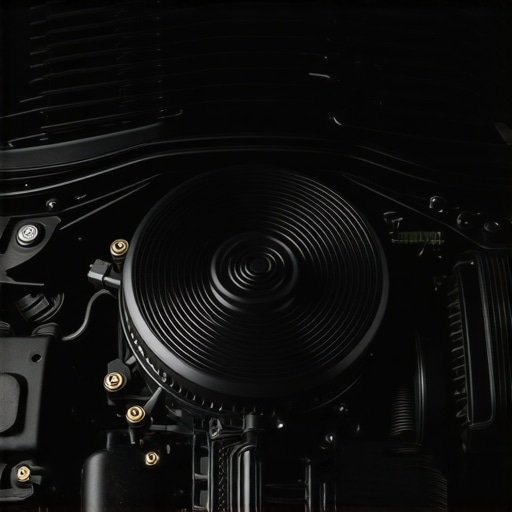
It was a chilly morning, and I turned on my car expecting the usual quiet hum. Instead, I was greeted with a roar—the engine fan running at full blast right from start-up. My heart sank. Normally, the fan only kicks in once the engine reaches operating temperature, but there it was—fierce and relentless, sounding like a jet taking off. Sound familiar? That sudden, unexpected surge can be alarming and confusing, especially if you’re like me and rely on your vehicle every day.
The Mystery of the Ever-Running Fan
When I first encountered this issue, I thought I had a serious cooling system problem or maybe a faulty sensor. Turns out, it’s a surprisingly common scenario, and understanding what’s happening under the hood can save you a lot of stress—and money. Today, I’ll walk you through why your engine fan might run at full speed immediately after starting your car and what you can do about it, based on my own experiences and some expert insights.
Are My Early Warnings Signs or Just Annoying Quirks?
One thing I learned early on is that ignoring this issue can lead to bigger problems down the line, like overheating or damage to your engine components. Interestingly, a report from the Advanced Vehicle Diagnostics page emphasizes that faulty temperature sensors or wiring issues often cause the fans to run prematurely. I initially made a mistake assuming it was just a glitch or that I could ignore it, but I soon realized that neglecting it might be risking my engine’s health.
In this post, I’ll share how you can tell whether this behavior is a simple fix or a sign of a more serious issue and guide you through some quick checks and solutions. Whether it’s a stuck sensor or a wiring hiccup, knowing the root causes can help you get your car back to normal and prevent costly breakdowns. Ready to dive deeper? Let’s unravel the mystery behind that noisy fan and find out what steps to take next.
Inspect the Temperature Sensor for Accurate Readings
Start by locating the engine’s temperature sensor, typically near the thermostat housing. When I first tackled this, I used a multimeter to test the sensor’s resistance at different temperatures—matching it against the vehicle’s specifications. A faulty sensor can send false signals, prompting the fan to run constantly. Replacing a defective sensor is straightforward, and doing so might immediately resolve the issue.
Check the Wiring and Electrical Connections
Next, examine the wiring connected to the sensor and fan relay. I carefully inspected for corrosion, frayed wires, or loose connectors. Think of it like inspecting the wiring of a home appliance; if the connection is compromised, signals won’t transmit properly, causing erratic fan operation. Repair or replace damaged wires as needed, ensuring a solid electrical flow.
Test the Fan Relay for Proper Function
The relay acts as a switch controlling the fan’s power supply. I swapped the relay with a known good one from the fuse box—like swapping a fuse or bulb to test its functionality. If the fan stops running at startup, the relay was likely faulty. Replacing the relay is a quick fix that can stop the fan from running unnecessarily, preventing wear and potential damage.
Evaluate the Cooling System’s Mechanical Components
While less common, a stuck fan clutch or damaged radiator fan blades could cause persistent fan operation. I visually inspected the clutch for smooth rotation and checked blades for obstructions or damage. Lubricating a stuck clutch or replacing broken blades restored normal operation and prolonged component life.
Perform a Complete Diagnostic Scan
If previous steps don’t resolve the issue, I connected an OBD-II scanner to check for error codes related to cooling system sensors or relays. It’s like reading the command center of your vehicle—Pinpointing sensor or wiring faults that aren’t immediately visible. This comprehensive check can unveil hidden issues and guide precise repairs.
Document and Replace Faulty Components
Once identified, replacing faulty sensors, relays, or wiring harnesses is essential. Always use quality parts; like building a sturdy puzzle, each piece must fit perfectly. After replacement, clear any stored trouble codes and verify the fix by starting the engine and observing fan behavior.
Remember, diagnosing a fan that runs at full speed immediately after startup isn’t always complex. By systematically checking sensors, relays, wiring, and mechanical parts, you can often solve the issue yourself—saving time and money. For more detailed guidance on vehicle diagnostics, visit this resource. If you need professional assistance, don’t hesitate to contact experts through our contact page. Stay safe on the road!When it comes to vehicle maintenance like brake service or oil changes, many car owners rely on common advice that often oversimplifies complex systems. While standards are helpful, they can sometimes lead to misconceptions that hinder proper care. Let’s dig deeper into what most people get wrong, highlighting nuances that can save you money and prevent damage.
Do All Brake Pads Wear Equally and at the Same Rate?
It’s a widespread belief that brake pads wear uniformly. However, in my experience, factors like driving habits, rotor condition, and even climate influence wear patterns. For instance, aggressive braking can cause uneven pad wear, leading to vibrations and reduced braking efficiency. Regular inspections beyond just replacing pads ensure even wear and prolong component lifespan. A misconception here can cause premature replacements, elevating costs unnecessarily. For advanced insights, check out this detailed guide on brake myths.
Why Changing Oil As Soon As the Light Comes On Might Not Be Enough
Many think that resetting the oil change light immediately after a simple top-up extends the interval indefinitely. Yet, modern vehicles use sophisticated sensors that consider driving conditions, engine load, and oil quality to suggest optimal times. Ignoring these nuances might lead to oil degradation, engine wear, or even sludge buildup. The key lies in understanding that not all oil life is created equal—synthetic oils, for example, last longer but still need proper maintenance. Regular, condition-based diagnostics can spot issues before the warning lights even turn on. Learn more about innovative oil change technologies that protect your engine at this resource.
Automakers’ Maintenance Schedules Often Miss Critical Nuances
It’s common for drivers to follow manufacturer schedules blindly. They often specify mileage or time intervals but neglect driving style or environmental factors. For example, frequent short trips can cause oil to break down faster, and dusty areas accelerate filter clogging. Recognizing these nuances allows for tailored maintenance, avoiding unnecessary replacements or overlooked issues. Advanced diagnostics can inform more precise schedules, helping you avoid the trap of overly conservative or dangerously lax maintenance. Discover how to interpret your vehicle’s signals at this comprehensive guide.
Beware the Hidden Trap of Ignoring Small Symptoms
Small irregularities like a slight vibration, unusual smells, or delayed responses often seem minor. Many owners dismiss them until they turn into costly repairs. These symptoms can indicate underlying issues—such as failing sensors, worn-out belts, or fluid leaks—that, if caught early, are inexpensive to fix. Regular diagnostics and a keen eye for detail can catch these signs before they escalate, saving time and money. Would you like tips on recognizing early warning signs? Check out this article on vehicle diagnostics. Have you ever fallen into this trap? Let me know in the comments.
The Secret to Long-Term Vehicle Maintenance
Maintaining your vehicle’s optimal performance over the years requires more than just routine oil changes or brake inspections. It demands a combination of the right tools, consistent procedures, and a proactive mindset. Personally, I prioritize using quality diagnostic equipment like the OBD-II scanner from BlueDriver. This device connects seamlessly to my smartphone, providing comprehensive engine fault codes and real-time data, which allows me to identify issues before they escalate. Investing in such a tool has saved me hundreds of dollars by catching problems early. As vehicle technology advances, automation and sensor integration are becoming more prevalent, so staying updated with the latest diagnostic tools is crucial. Prediction-wise, I believe that future diagnostics will become more AI-driven, enabling faster, more accurate repairs even for complex systems.
How do I maintain vehicle diagnostics over time?
Developing a routine of regular diagnostics helps maintain vehicle health. I recommend performing a quick scan before long trips or after noticing minor irregularities. Additionally, documenting fault codes and repair history ensures you spot patterns, like recurring sensor errors, which could indicate underlying issues. It’s also wise to keep software for your diagnostic tools updated, as manufacturers often release firmware upgrades. For those interested in staying ahead, some modern tools now incorporate features like easy pre-road-trip checks that can prevent breakdowns. Incorporating these practices ensures your vehicle remains reliable and safe, extending its lifespan and saving costs in the long run.
Tools I personally trust for auto repairs
Beyond diagnostic scanners, I rely heavily on a sturdy multimeter for electrical troubleshooting. A quality multimeter, like the Fluke 117, offers precise readings of voltage, resistance, and continuity—crucial for diagnosing wiring issues, sensor faults, or relay problems. I also keep a torque wrench from GearWrench in my toolbox; it ensures that bolted components, like brake calipers or engine mounts, are tightened to manufacturer specifications, preventing future mechanical failures. For fluid-related tasks, I favor synthetic lubricants and specialized applications, such as a digital oil tester, to assess oil condition and extend change intervals responsibly. As vehicle electronics become more integrated, I foresee a growing need for multi-function tools that provide diagnostics, repair guidance, and parts identification—all accessible through mobile apps.
Make Your Maintenance Routine Smarter: Start with an Advanced Technique
One advanced tip I recommend is implementing comprehensive vehicle diagnostics regularly. This involves not just checking error codes but interpreting sensor data trends over time to predict failures. For example, monitoring variations in coolant temperature sensors can indicate developing cooling system issues before overheating occurs. Try integrating a device like the Autel MaxiCOM scanner with cloud connectivity to log and analyze data trends. This proactive approach can detect early signs of trouble, saving money and preventing breakdowns. Equip yourself with these tools and techniques to keep your vehicle running smoothly for years, transforming auto maintenance from reactive to truly preventive.
Lessons That Changed How I Approach Car Maintenance
- Listening to your vehicle’s warning signs early can prevent costly repairs; I learned this by paying close attention to unusual fan noises rather than dismissing them as minor glitches.
- Investing in reliable diagnostic tools like the BlueDriver OBD-II scanner transformed my troubleshooting from guesswork to precision, saving me both time and money.
- Understanding that sensor issues, wiring problems, or faulty relays are often behind engine fan troubles—rather than just mechanical failures—helped me focus my efforts efficiently.
- Real-world experience showed me that regular system checks and proactive replacements of worn components extend the lifespan of cooling system parts, avoiding emergency breakdowns.
Tools and Resources That Elevate My Auto Care Game
- BlueDriver OBD-II Scanner: Its detailed error codes and real-time data give me insight into lurking issues before they turn critical.
- Fluke 117 Multimeter: Precise electrical readings help me identify wiring or sensor faults promptly, ensuring my system operates smoothly.
- Automotive Repair Guides: Websites like this resource provide in-depth tutorials that empower me to handle repairs confidently.
- Diagnostic Apps with Cloud Connectivity: These tools help me monitor my vehicle’s health trends over time, catching problems early and maintaining top performance.
Your Next Step Towards Confident Car Care
Taking control of your vehicle’s cooling system issues not only saves money but also turns you into a more informed driver. By applying these lessons and leveraging trusted tools, you can prevent unexpected breakdowns and extend your car’s life. Remember, consistent attention to subtle warning signs often makes all the difference—your car will thank you for it. Ready to implement these strategies and become your own mechanic? The road to smarter vehicle maintenance starts now!
Have you ever fixed a cooling system problem on your own? Share your experience below and inspire fellow car enthusiasts!
,