
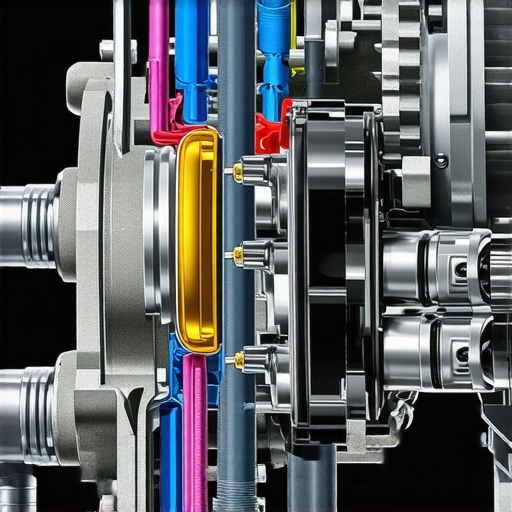
It was one of those mornings when everything that could go wrong did. I was pulling out of my driveway, barely noticing the engine temp gauge creeping higher than usual, when suddenly, my car lurched and stalled. Later, I discovered that my radiator had suffered an internal failure, causing coolant to leak into the transmission fluid. That lightbulb moment—realizing my oversight—hit hard. It’s a mistake many of us make early on: underestimating the importance of catching radiator leaks before they wreak havoc on vital components like the transmission.
Why Saving Your Transmission After Radiator Failure Is Critical
Radiators are the unsung heroes of your engine’s cooling system, and when they fail internally, the consequences can be devastating. Coolant mixing with transmission fluid isn’t just a minor inconvenience; it can seal your transmission’s fate, leading to costly repairs or complete transmission replacement. I learned this the hard way, rushing to replace my transmission only to find it was salvageable with proper flushing and repairs—if caught early.
Proactively addressing radiator issues and understanding how internal failures compromise your transmission can save you thousands and keep your vehicle running smoothly. It’s not just about fixing the radiator; it’s about protecting your entire drive train. If you’re wondering how to prevent this nightmare, keep reading. I’ll guide you through the practical steps, backed by real-world experience and expert advice, to safeguard your transmission before a small leak turns into a big disaster.
Is Radiator Internal Failure Really That Bad?
Absolutely. What surprised me early on was discovering that an internal radiator leak can lead to coolant seeping into the transmission fluid through shared passages or compromised seals. This contamination deteriorates your transmission’s internal parts, causing slippage, overheating, and eventual failure. I made the mistake of ignoring minor overheating signs initially, thinking they were trivial. Trust me; that’s a common misconception. For comprehensive insights, you might want to check out decoding vehicle diagnostics to understand how early detection can make all the difference.
Now that I’ve shared my experience, let’s dive into what you can do when your radiator starts acting up—saving your transmission and avoiding a costly headache.
Inspect Your Radiator Regularly
Begin with a thorough visual inspection of your radiator for signs of internal leaks, such as coolant discoloration or a sweet smell inside the engine bay. During my maintenance, I noticed a slight coolant film near the radiator cap, which prompted me to check further. Use a flashlight to peer into the radiator and look for cloudy or rusty coolant, indicating contamination or internal failure. Schedule inspections every 30,000 miles or annually, especially before long trips.
Check Transmission Fluid for Contamination
Next, monitor your transmission fluid closely. Remove the transmission dipstick when the engine is warm and check for a pink, clear fluid—if it smells sweet or shows a milky appearance, coolant may be mixing in. During my own caution, I inspected the fluid and found faint discoloration, prompting me to seek immediate diagnosis. Regularly testing your fluid can reveal early signs of cross-contamination, enabling prompt action.
Perform a Cooling System Pressure Test
Utilize a cooling system pressure tester to identify internal radiator leaks without dismantling the components. Attach the tester to the radiator cap opening, pump to pressurize, and look for pressure drops over time. I once rented this tool from a local parts store; it quickly showed a pressure loss, leading me to suspect an internal leak. This step is critical to catching internal failures before coolant enters the transmission system.
Conduct Advanced Vehicle Diagnostics
Leverage professional diagnostics to detect internal radiator issues and coolant intrusion. Modern scan tools can read error codes related to transmission overheating or fluid contamination. During my repair, I used diagnostic services (more about diagnostics) which identified transmission sensors reacting to coolant ingress. Regular diagnostics prevent small issues from escalating into costly repairs.
Flush and Replace Contaminated Fluids
If contamination is suspected, drain the transmission fluid entirely and perform a thorough flush. During my repair, I used a high-quality transmission flush machine to clear residual coolant. Replace with manufacturer-recommended fluid to restore proper lubrication and prevent corrosion. This proactive step can revive a salvageable transmission, saving thousands in replacement costs.
Repair or Replace the Radiator
Finally, repair or replace the faulty radiator to eliminate the root cause. Internal leaks often require a radiator internal sealant or full replacement. During my project, I opted for a brand-new radiator after assessing repair costs, ensuring long-term reliability. Confirm with a professional technician that all seals and internal components are intact to prevent recurrence.
Many car owners believe that sticking to the manufacturer’s recommended maintenance schedule is enough to keep their vehicles in top condition. However, in my experience, there’s a lot more complexity beneath the surface that often goes unnoticed. One common myth is that an oil change every 3,000 miles is universally necessary—modern synthetic oils can often extend this interval, but many drivers still stick to outdated routines, risking engine wear. Additionally, drivers frequently assume that vehicle diagnostics are only necessary when the check engine light is on, but advanced diagnostics can reveal lurking issues well before they become noticeable, saving significant repair costs.
Another intricate aspect is brake service. A widespread misconception is that pad replacement alone is sufficient for brake health. In reality, neglecting hydraulic lines, rotors, and calipers can lead to uneven wear and brake failure. As an auto repair enthusiast, I recommend regular comprehensive brake system inspections, which can uncover problems early.
What makes vehicle diagnostics truly advanced? The key is understanding that some issues—like coolant leaks or transmission problems—can be imperceptible without proper testing. Modern diagnostic tools analyze sensor data, pinpointing problems that standard visual inspections miss. For example, a small coolant seepage might not produce a puddle but could lead to internal radiator damage over time. Utilizing sophisticated diagnostics, as explained in this article, significantly reduces the risk of breakdowns and costly repairs.
It’s also worth noting the “oops” trap many drivers fall into: delaying maintenance until symptoms become severe. Often, these initial signs are subtle—strange noises, slight vibrations, or minor fluid discoloration—and can be easily missed. Regular inspections, including fluid analysis and pressure tests, can detect these subtle issues early.
In conclusion, understanding these nuances can markedly extend your vehicle’s lifespan and prevent unexpected failures. Don’t dismiss the importance of proactive diagnostics and thorough maintenance. For personalized advice on your vehicle’s needs, reach out through our contact page.
Have you ever fallen into this trap? Let me know in the comments, and share your experience or questions about auto maintenance pitfalls.
Investing in Precise Equipment for Vehicle Health
Maintaining your vehicle’s performance doesn’t have to be guesswork. Over years of hands-on experience, I’ve found that reliable tools and software are essential for accurate diagnostics and effective repairs. My top recommendation is a high-quality scan tool like the OBD2 scanner, which enables me to quickly identify engine trouble codes and monitor real-time data, saving time and preventing minor issues from escalating. I personally prefer models that are Bluetooth-enabled, such as the BlueDriver, because they offer seamless integration with my smartphone, providing detailed diagnostics without bulky equipment.
Another must-have in my toolkit is a digital multimeter. When testing sensors, checking wiring continuity, or verifying battery health, a multimeter with auto-ranging capabilities means faster and more precise measurements. It’s become indispensable, especially when diagnosing complex electrical problems that could impact components like your brake system or transmission sensors.
Software Solutions That Bring Clarity to Complex Data
Beyond physical tools, software plays a vital role. I rely heavily on professional-grade diagnostic software like Advanced Vehicle Diagnostics to interpret the data from scan tools. This software helps me understand subtle sensor readings and error patterns that are easy to overlook otherwise. Investing in such programs can reveal underlying issues before they turn into costly repairs, making it a wise long-term choice for serious auto enthusiasts or dedicated DIYers.
The Future of Vehicle Maintenance: Smart Tools
Looking ahead, vehicle diagnostics are trending towards increased automation and AI-driven analysis. Future tools may integrate with vehicle networks more deeply, providing proactive alerts for parts nearing failure or fluid deterioration. This trend will empower drivers to perform maintenance with greater confidence and precision, much like professionals. Staying ahead of this curve means regularly updating your diagnostic tools and software to incorporate the latest features—and that’s exactly what I recommend.
How do I maintain diagnostics tools and software over time?
Simply put: Regular updates and calibration are crucial. Manufacturers frequently release firmware updates for scan devices, addressing bugs and enhancing compatibility with new vehicle models. I schedule quarterly updates, which ensures my tools work efficiently and reliably. Additionally, cross-check your diagnostic results with reputable online resources or professional services periodically to confirm accuracy. When your tools are functioning optimally, you can catch problems early and keep your vehicle in peak condition long-term.
Remember, investing in the right equipment and keeping it maintained is a proactive step that pays dividends over the lifespan of your vehicle. For personalized advice or to explore advanced diagnostics tailored to your car, feel free to reach out here. Don’t wait for signs of trouble—start integrating these tools into your maintenance routine today and enjoy a more reliable, longer-lasting ride.
Lessons from the Trenches: Auto Repair Myths That Cost Me
One of the toughest lessons I learned was ignoring the subtle signs of radiator trouble until it became a costly repair. Assuming minor overheating or coolant discoloration weren’t urgent, I delayed inspections, only to find my transmission had suffered irreversible damage. This made me realize that proactive vigilance beats reactive fixes every time. I’ve also come to see that relying solely on manufacturer schedules without incorporating diagnostic tools can lead to overlooked issues, especially with complex systems like radiators and transmissions. Finally, I discovered that investing in quality diagnostic equipment pays dividends—early detection saves thousands and keeps your vehicle dependable.
Tools and Resources That Keep My Vehicle on Track
Over time, I found that the right tools can be game-changers. My trusted OBD2 scanner offers real-time insight into engine and transmission health. Pairing this with a durable digital multimeter allows swift electrical diagnostics, preventing electrical gremlins from turning into big problems. For in-depth technical knowledge, I turn to advanced diagnostics software that interprets complex sensor data, giving me confidence in my repairs. These resources help me approach maintenance with clarity and precision, and I highly recommend them for anyone serious about vehicle longevity.
Trust Your Instincts and Gear Up for the Future
I want to leave you with this: maintaining your vehicle can be less daunting when you trust your instincts and equip yourself with reliable tools. Embracing proactive diagnostics and routine inspections not only saves money but also fuels your confidence as a responsible car owner. The future of auto maintenance is moving toward smarter, connected tools—think AI-driven diagnostics and remote monitoring—that make catching issues early even easier. Start today by updating your diagnostics arsenal and integrating preventive checks into your schedule. Your vehicle will thank you for it, and you’ll enjoy peace of mind on every journey.