

It was a chilly morning, and during my routine oil change, I noticed a slight groaning sound when turning the wheel—something I had dismissed as a bearing needing lubrication. But as days went on, that subtle noise grew louder, and I started feeling vibrations through the steering wheel. One afternoon, cruising down the highway, the wheel suddenly wobbled—the dreaded warning signs of a failing wheel bearing. Luckily, I pulled over in time, but that ordeal could have ended much worse if I hadn’t caught the signs early.
Don’t Let a Failing Wheel Bearing Catch You Off Guard
Discovering the signs of a dying wheel bearing before it seizes can save you from costly repairs and dangerous situations on the road. Today, I’ll share the practical methods I’ve learned through personal experience to help you identify early warning signs—so you’re not left stranded or risking your safety. Recognizing the problem early means you can schedule repairs calmly and avoid the chaos of a breakdown on a busy highway.
Is It Really Worth Worrying About a Noisy Wheel?
Early on, I made a mistake common to many drivers: ignoring that faint grinding sound, thinking it would go away. What I didn’t realize then was that those seemingly minor noises are often the first indicators of impending failure. According to automotive experts, a worn wheel bearing can deteriorate quickly once symptoms appear, increasing the risk of wheel seizing or even a complete loss of control—a scenario no driver wants to face. Don’t dismiss these early signals; they’re your vehicle’s way of telling you something’s wrong. Want to learn more? Check out how auto repair hacks can help extend your vehicle’s lifespan by catching issues early.
Natural warning signs are often subtle but vital. Vibration during turns, uneven tire wear, or humming noises from the wheel area are key clues that your bearing might be on its last legs. In the upcoming sections, we’ll dive into practical techniques to diagnose these symptoms—empowering you to keep your drive safe and smooth. Ready to become your own mechanic and catch these signs before it’s too late? Let’s get started.
Learn How to Inspect Your Wheel Bearings Properly
Start by safely lifting your vehicle using a jack and secure it with jack stands. Remove the wheel, then grasp the tire at the 12 and 6 o’clock positions, rocking it back and forth. Excessive play indicates potential bearing wear. I did this once when I noticed vibrations and found my bearing was loose; replacing it tightened my ride instantly. Always wear safety gloves and eye protection during inspection.
Identify Symptoms Through Road Tests
Drive slowly and make gentle turns to feel for vibrations or wobbling. A humming noise that intensifies during turns is a clue. I once ignored a mild noise, which later escalated to a vibration at highway speeds, almost causing a dangerous situation. Pay attention to any unusual steering response or tire wear, as these can signal bearing issues. For comprehensive diagnostics, consider advanced vehicle diagnostics.
Conduct a Visual Inspection for Damage
Look for uneven tire wear, missing or damaged grease seals, or rust around the hub. If the grease seal is broken, dirt and moisture could have contaminated the bearing. I once spotted rust that indicated water ingress, prompting me to replace the bearing before it seized on the highway. Use a flashlight and mirror to inspect hard-to-see areas for signs of wear or contamination.
Check for Play and Smoothness
With the wheel removed, grasp the hub with hands at the 12 and 6 o’clock positions and rock it. Any movement signifies bearing wear. Spin the hub manually; it should rotate smoothly without noise or resistance. I learned this method during a roadside repair, saving the cost of a tow and preventing further damage.
Replace Bearings with Confidence
Use a proper bearing puller and install the new bearing according to manufacturer specifications. Applying too much force or misaligning the bearing can cause premature failure. I once tried to press a new bearing using a makeshift tool, which resulted in misalignment; afterward, I purchased a proper bearing press, simplifying future replacements. Always apply high-quality grease and double-check torque specs to ensure longevity.
Prevent Future Failures by Performing Regular Maintenance
Regularly check tire pressure, align wheels, and balance tires to reduce uneven stress on bearings. Scheduling routine inspections and maintenance can spot early signs of wear. For more tips on vehicle longevity, see auto repair tips. Remember, proactive care keeps your vehicle running smoothly and helps avoid the costly surprises of a seized bearing.Many car owners operate under misconceptions that can lead to costly mistakes. One widespread myth is that regular oil changes only involve replacing the oil; in reality, advanced oil-change innovations now incorporate engine oil analysis and filter upgrades that extend engine life. Similarly, there’s a common belief that vehicle diagnostics are only necessary when warning lights appear, but expert diagnostics can reveal hidden issues—such as subtle sensor failures—that are easily missed without the right tools, as outlined in auto repair hacks. A critical trap to avoid is assuming that brake services are just about pads; in fact, comprehensive brake maintenance includes rotor inspections, fluid checks, and caliper assessments that often go overlooked. Many drivers also underestimate the importance of precise diagnostics before a repair—skipping this can result in unnecessary replacements and expenses, as discussed in advanced vehicle diagnostics. Advanced technicians understand that misdiagnosing a problem not only wastes money but can also exacerbate vehicle deterioration. For example, ignoring irregularities in your vehicle’s behavior during diagnostics can cause issues like transmission shudder or engine misfire to worsen, leading to expensive repairs down the line. A nuanced understanding of these processes allows for proactive and cost-effective maintenance. Remember, the key is not just performing routine tasks but understanding the intricate factors affecting your vehicle’s health and safety. Do you fall into these common traps, or are you ahead of the curve? Let me know in the comments!
Invest in Quality Diagnostic Equipment
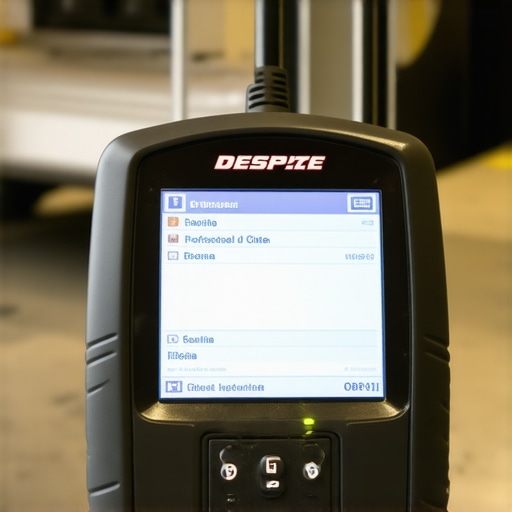
One of the most effective ways to ensure your vehicle stays in top shape is by using reliable diagnostic tools. I personally swear by the Autel MaxiScan MS300 scanner because it offers comprehensive codes and live data at a reasonable price. Its ease of use allows me to quickly identify issues like sensor failures or pending engine trouble codes without needing a mechanic. Having a dedicated scanner provides immediate insights, saving time and money. As vehicles become more technologically complex, advanced diagnostics are the way forward to prevent breakdowns.
Use Specialized Software for Maintenance Scheduling
Keeping track of routine maintenance is crucial. I rely on software like MyCarfax or AutoCare to schedule oil changes, brake inspections, and tire rotations proactively. These tools not only remind me of upcoming service appointments but also log maintenance history, which can be invaluable if you decide to sell your car later. Automating maintenance schedules with digital tools ensures nothing slips through the cracks, extending your vehicle’s lifespan. In the future, expect AI-driven systems to predict potential failures even before symptoms arise, making preventative maintenance smarter and more personalized.
Prioritize Proper Lubrication and Fluid Checks
Using high-quality lubricants and routinely checking fluids are foundational practices. I prefer synthetic oils because they resist breakdown during extremes of heat and cold. When performing oil changes, I don’t just top off—I’m thorough about inspecting seals and filters. Technologies like oil-change innovations now include engine oil analysis kits that reveal contaminants and wear particles, guiding more precise maintenance decisions. Regularly maintaining fluids not only boosts performance but also prevents costly repairs down the line.
Why do I need to keep my tools in top condition?
Tools are the backbone of effective auto maintenance. From socket sets to torque wrenches, quality equipment ensures precision and safety. I invest in a Michelin Torque Wrench because accurate torque is vital for components like wheel lugs and brake calipers. Dull or imprecise tools can cause damage or improper assembly, leading to failures like uneven brake wear or wheel detachment. Always clean and calibrate your tools regularly to maintain their accuracy—being equipped with the right tools and keeping them in optimal condition translates directly into safer, longer-lasting repairs.
Predicting Future Trends in Auto Maintenance
Looking ahead, I believe vehicle diagnostics and maintenance will become increasingly autonomous. Vehicles will continuously monitor their health, notifying owners of issues through connected apps and even scheduling appointments automatically. Machine learning algorithms will analyze data to predict failures well in advance, reducing breakdowns and repair costs. Staying ahead means adopting these emerging technologies now—consider integrating IoT-enabled diagnostic devices into your routine, or subscribing to firmware updates from your vehicle manufacturer, to keep pace with this evolution.
How do I maintain my vehicle’s performance over time?
Regularly updating your maintenance routines—such as checking transmission fluid, inspecting brake components, and ensuring your suspension is in order—can prolong your car’s life. Additionally, investing in reliable diagnostic tools lets you catch issues early. For example, using a code reader every few months can reveal hidden sensor failures before they cause further damage. Enhance your maintenance with specialized software and high-quality tools, and you’ll find that your vehicle remains dependable for years to come. Want to get started? Try updating your diagnostic equipment or scheduling an auto inspection using software support—it’s a simple yet powerful step toward keeping everything working smoothly.
The Hardest Lesson I Learned About Auto Repair
Early on, I underestimated the importance of diagnosing symptoms early, thinking minor noises or vibrations were insignificant. It took a near disaster on the highway to realize that paying close attention to my vehicle’s signals could have saved me time and money. Now, I advocate for regular inspections and listening to my car’s whispers, and I wish I had adopted this mindset sooner.
Myths About Vehicle Diagnostics That Cost Me
I used to believe that diagnostics were only necessary when warning lights appeared. This misconception led me to overlook subtle signs of underlying issues. After several avoidable repairs, I discovered that proactive diagnostics, especially with reliable tools like advanced vehicle diagnostics, are invaluable for maintaining vehicle health.
The Value of Quality Tools in Auto Care
Investing in proper equipment, from a solid code reader to a calibrated torque wrench, has transformed my approach to auto repair. These tools not only ensure safety but also extend the lifespan of my vehicle. Skipping quality can lead to costly mistakes, so I emphasize the importance of pairing knowledge with the right gear.
Curated Resources That Changed My Perspective
- Auto Repair Hacks: Practical tips to save money without sacrificing quality, accessible at this link.
- Oil-Change Innovations: Cutting-edge technologies enhancing engine longevity, detailed at this article.
- Brake Service Guide: A comprehensive overview to keep your stopping power sharp, found at this resource.
- Advanced Diagnostics: Tools and techniques to prevent breakdowns, discussed in this guide.
Keep Your Auto Journey Exciting and Safe
Embracing the nuances of auto maintenance has been a game-changer for me. From preventive checks to embracing new diagnostic tech, each step brings me closer to worry-free driving. You don’t need to be a mechanic to handle your vehicle with confidence—just curiosity, the right tools, and a proactive mindset. Ready to take control of your auto care? Your vehicle is counting on you!
What’s the first auto maintenance tip you plan to tackle? Share your thoughts below—I love hearing about your auto journey!
bild placeholder here.