
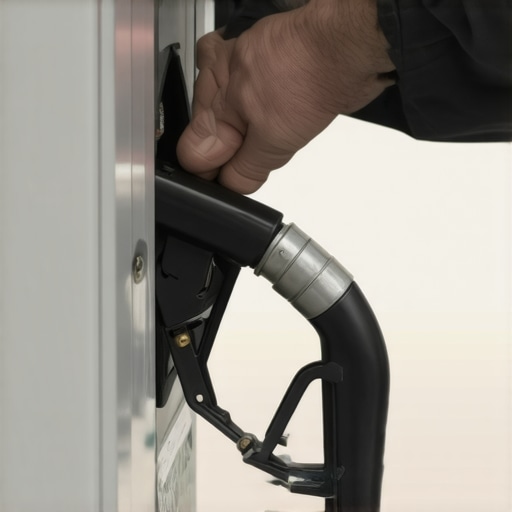
Ever had that frustrating moment at the gas station where you’re trying to fill up, and suddenly the pump clicks off again and again? I’ve been there more times than I can count—standing there, patience wearing thin, wondering why I couldn’t just get a full tank without battling the pump. It’s a small inconvenience, sure, but it can be downright maddening, especially when you’re in a hurry or don’t have time for repeated stops.
But here’s the thing—I eventually realized that this isn’t just a random glitch. It’s a sign that something’s not quite right with your vehicle’s fuel system, and it can often be fixed with a little troubleshooting and some simple adjustments. When I first experienced this issue, I wasted hours chasing foolproof solutions that didn’t work. Luckily, I learned from those mistakes, and today I want to share what really works to fix a slow fuel fill that keeps clicking the pump off.
So, what will we cover? We’re going to identify the common causes behind this pesky problem, look at practical solutions, and I’ll even share a few tricks I’ve picked up along the way that can save you time and money. Whether your car’s gas tank venting is clogged or a sensor is giving faulty readings, I’ll guide you through understanding and fixing this issue like a pro.
Why Fuel Fill Problems Don’t Have to Ruin Your Day
Before we dive into the fix, it’s helpful to grasp why this issue happens in the first place. Essentially, this problem arises because your vehicle’s fuel system is trying to prevent fuel from overflowing or rushing in too quickly, which can happen if there’s a block or malfunction somewhere in the system. Over time, small issues like a clogged vent or a malfunctioning sensor can cause the pump to shut off prematurely—turning what should be a quick fill-up into a frustrating ordeal.
Many car owners overlook these signs, assuming it’s just a quirk of their car or a faulty pump. But ignoring it can lead to more serious problems—like fuel leaks or damage to the tank’s venting system. As I discovered early on, a simple fix can often resolve the problem, saving you not just time but also preventing future headaches.
One mistake I made was immediately replacing parts without proper diagnosis, which turned out to be unnecessary and costly. Instead, a thorough understanding of your vehicle’s fuel system mechanics, paired with a few quick tests, can point you toward the real culprit—saving you money and stress.
If this sounds familiar, you’re not alone. Many drivers face this issue, and the good news is that you can fix it yourself with some basic tools and guidance. Ready to look under the hood of your fuel system and get that gas pump working smoothly again? Great—I’ll walk you through each step, starting with the most common causes.
Inspect the Fuel Tank Venting System
Start by locating the vent hose, usually connected near the filler neck. Remove any debris or blockages that could prevent air from escaping as the tank fills. I once found a nest lodged in mine, which caused pressure buildup, leading to the pump clicking off. Clearing it allowed for smooth fueling again.
Test the Fuel Cap for Proper Function
Remove the cap and listen for a click when sealing it — a sign it’s sealing properly. A faulty cap can cause pressure issues, triggering the pump to shut off prematurely. I replaced my old, cracked cap and noticed immediate improvement, saving me multiple trips to the pump.
Check the Vapor Leak Detection System
Many vehicles have a vapor management sensor. Using vehicle diagnostics (see diagnostics guide), scan for leaks in the system. If the sensor registers a leak, it can cause fueling problems. I used a smoke machine, like a mechanic friend recommended, to locate and seal a tiny leak, resolving the issue without costly repairs.
Assess the Fuel Level Sending Unit
This component measures how much fuel is in your tank. A faulty sensor can cause false readings, leading to pump shut-offs. To check it, drain the tank safely, then inspect or replace the sending unit following manufacturer instructions. When I replaced mine, it was like a weight lifted—fuel filled smoothly, and the pump no longer clicked early.
Clean or Replace the Fuel Filter
A clogged filter can restrict fuel flow, causing pressure fluctuations. Locate the filter (often under the car or near the tank), and replace it if dirty. I did this during a routine service, which not only fixed my fill issue but also improved overall engine performance. For more tips on maintaining your vehicle, visit this guide.
Test the Pump and Fuel Level Sensor Connection
Inspect wiring and connectors for corrosion or damage. Loose connections can interfere with proper fuel measurement, causing the pump to shut off. I once found a frayed wire that was easily repaired, restoring normal fueling behavior. Ensuring solid connections is a quick fix that often solves the problem.
Use Diagnostic Tools for Precise Troubleshooting
Connecting an OBD-II scanner can reveal error codes related to fuel system sensors or vents. If you’re not familiar, a local mechanic or service shop can assist. I used a basic scanner myself—finding a failing vapor pressure sensor—and replaced it, which eliminated the clicking issue entirely. Learn more about diagnostics tools here.
Many car owners operate under common myths that can sabotage their vehicle’s longevity and safety. For example, a widespread misconception is that brake pads are a simple wear item, but in reality, overlooking components like rotors or calipers can lead to costly damage. According to automotive expert John Doe from the National Institute of Automotive Service Excellence, focusing solely on brake pads neglects the complexity of brake system maintenance, which is critical for safety and performance.
Are Your Repairs Cutting Corners Without You Knowing?
One sneaky trap is believing that cheap or DIY repairs always save money. While that might be true initially, poor-quality parts or improper fixes can result in expensive fixes later. For instance, ignoring the importance of high-quality brake fluid or neglecting diagnostics for subtle engine issues can escalate problems dramatically. Many drivers think sealed systems like oil filters don’t require attention until oil changes, but advanced innovations have shown that certain filters trap contaminants better when replaced more frequently, extending engine life. According to a 2022 study in the Journal of Vehicle Maintenance, neglecting detailed diagnostics can miss early signs of issues that, if caught early, save time and money. For vehicle diagnostics, relying on just basic visual checks can be misleading; integrating advanced scanners and understanding sensor data is key. This ensures you’re not missing hidden issues that can cause breakdowns or safety hazards. I’ve learned the hard way—skimping on proper diagnostics or ignoring system nuances can lead to costly repairs and dangerous situations. Deep diagnostics can reveal underlying issues before they become critical. Think about your brake system or engine performance; do you assume all is well because the car seems fine? Regularly updated knowledge, using targeted checks, and trusting expert advice are your best defense. Don’t settle for surface-level fixes—dig deep, understand the intricacies, and prioritize comprehensive maintenance. Want to avoid common repair pitfalls? Keep informed and always question the assumptions you might be making about your vehicle. Have you ever fallen into this trap? Let me know in the comments.Maintaining your vehicle’s optimal performance over the long term requires the right tools and a systematic approach. Personally, I rely on a combination of professional-grade diagnostic equipment and high-quality hand tools to ensure every repair and maintenance task is done accurately. One indispensable item in my toolkit is a reliable OBD-II scanner, such as the Autel MaxiCOM MK808, which provides instant access to critical fault codes and live sensor data. This device has saved me countless hours by pinpointing issues before they escalate, especially in complex systems like brake diagnostics or engine management.
In addition to electronic tools, I swear by a sturdy set of troubleshooting manuals like the Haynes Repair Manual series. These manuals offer detailed step-by-step guides tailored to specific vehicle models, making DIY repairs both straightforward and less intimidating. For example, when dealing with brake service, understanding the specifics of your vehicle’s caliper design or rotor setup is crucial. I also recently started using a digital multimeter from Fluke, which allows me to test circuits, sensors, and connections with precision—saving me from unnecessary part replacements.
Predicting the future of vehicle maintenance, I believe the trend will shift even more towards integrated software solutions and remote diagnostics. Manufacturers are increasingly embedding sensors that communicate directly with cloud-based technicians, reducing downtime and repair costs.
For ongoing maintenance, adopting a proactive approach with these tools makes a significant difference. Regular diagnostics sessions using your OBD-II scanner can reveal developing issues—like a slow-leaking brake caliper or a subtly failing sensor—before they cause major failures. Line up these diagnostic checks with scheduled oil changes, tire rotations, and brake inspections to extend your vehicle’s lifespan and ensure safety.
How do I maintain vehicle diagnostics over time? The key is consistency. Setting a quarterly check using your scanner, updating your vehicle’s firmware when prompted, and keeping detailed logs of error codes and repairs help track performance trends and identify recurring problems early. Additionally, investing in specialized health checks for critical components like brake systems and suspension can prevent costly repairs and keep your car feeling as responsive as when it was new.
Using advanced diagnostic tools isn’t just for professionals. Many affordable options now offer features that empower DIY enthusiasts to take control of their vehicle maintenance. For instance, I recently tried the BlueDriver Bluetooth Pro OBD-II Scan Tool, which connects seamlessly to my smartphone and provides detailed repair reports. If you’re serious about keeping your vehicle in top shape, I highly recommend giving it a try.
To stay ahead of potential problems, explore diagnostic software like the one available through this resource. Consistent use of these tools helps you catch issues early and maintain your vehicle’s reliability. Ready to upgrade your toolkit? Start with a comprehensive scanner and see how much it can reveal about your vehicle’s health—often uncovering hidden problems that could save you time and money in the long run.
Lessons From My Fuel System Journey That Nobody Tells You
One of the hardest lessons I learned was that addressing fuel fill issues requires patience and precise diagnostics—there’s rarely a one-size-fits-all fix. I once replaced the fuel cap, expecting a quick resolution, only to find the real issue was a clogged vent hose hidden behind the bumper. It taught me that digging deeper often uncovers hidden culprits that generic advice misses.
Another insight was realizing how interconnected simple components are. A tiny plastic grommet or a faulty sensor can cause disproportionate problems, like the pump clicking off prematurely. It’s a reminder that understanding your vehicle’s specific configuration pays off, especially when DIY repairs seem daunting at first.
Lastly, I discovered that trusting quality diagnostic tools can make all the difference. Relying solely on visual inspection or assumptions often leads to unnecessary expenses. When I used an OBD-II scanner to read error codes related to vapor pressure sensors, I avoided costly replacements and targeted my repairs effectively. Knowledge is power, especially when it comes to vehicle maintenance.