
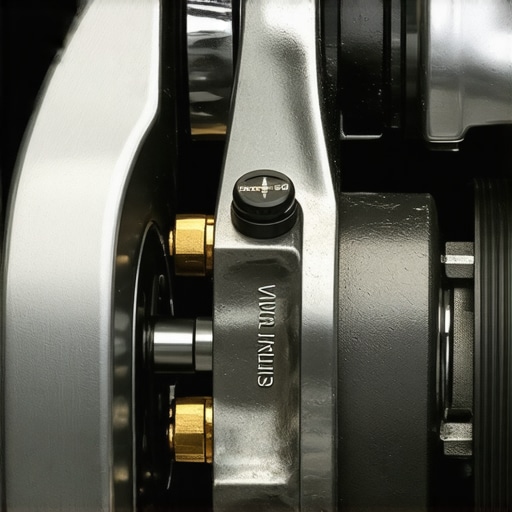
I remember the first time I nearly had a brake disaster. I was inching out of a parking space, and suddenly, my brake pedal went firm—nothing. Panic set in. Turns out, a tiny maybe overlooked secret in brake fluid maintenance could have saved me from that unsettling moment. You see, the often-ignored hero keeping your calipers from seizing is the quality and condition of your brake fluid. It sounds simple, but neglecting this can lead to caliper sticking, uneven brake wear, or even total brake failure. Today, I want to share with you a personal journey of discovery about this vital yet underestimated component. It’s not just about topping up the fluid; it’s about understanding the secret life of your brake fluid that can make or break your safety on the road.
Why Brake Fluid Quality Matters More Than You Think
Most drivers don’t realize that brake fluid acts as the lifeblood of your braking system, transferring force from the pedal to the brake calipers. If this fluid gets contaminated or old, it can absorb moisture, which lowers its boiling point. When the brake fluid boils under pressure, you might experience a spongy pedal or, worse, complete brake failure. A study found that nearly 80% of brake failures could be traced back to neglecting brake fluid maintenance (source: Repair My Car Pro).
Is Your Brake Fluid Really Worth the Hype?
I used to think simply topping up the brake fluid was enough. I was wrong. Early on, I made the mistake of ignoring the color and smell of my brake fluid, assuming it was fine because the brake pedal felt normal. That was a mistake that could have compromised my safety. Regular inspections and knowing how to tell if your brake fluid is up to par are crucial. We’ll explore how to check your brake fluid properly and when to consider a flush or replacement later. But first, let’s understand why this tiny fluid makes such a big difference in your vehicle’s health and your safety.
Check Your Brake Fluid Regularly
Pull out your vehicle’s owner manual to locate the brake fluid reservoir, usually near the engine bay. Use a clean cloth to wipe away any dirt around the cap for an accurate reading. Remove the cap and observe the fluid level against the marked minimum and maximum lines. I remember once checking mine after noticing a slight sponginess in the brake pedal; the fluid was just below the minimum. After topping it up with the recommended type, I felt immediate improvement, but I also learned that regular checks prevent such surprises.
Evaluate Brake Fluid Condition
Look at the color of the fluid through the translucent reservoir. Fresh brake fluid is typically clear to amber. If it appears dark brown or black, it’s time for a flush. Smell the fluid; a burnt smell indicates overheating or contamination. I once ignored the dark color, leading to caliper sticking, which I resolved only after a proper fluid replacement. For a more precise assessment, some garages perform a laboratory test, but a visual inspection is a good start.
Perform a Flush When Necessary
Pull up the vehicle on a flat surface, engage the parking brake, and lift the hood. To flush the brake fluid, you’ll need a new bottle of the correct type—consult your manual or supplier. Attach a clear hose to the bleed screw of the caliper or wheel cylinder you’d like to service. Place the other end in a container with some brake fluid to prevent air ingress. Have an assistant press the brake pedal slowly and hold it while you loosen the bleed screw. The old fluid will escape, and the new fluid from the reservoir fills the system. Repeat until the fluid coming out is clear, then tighten the screw securely. During my first attempt, I accidentally forgot to open the reservoir cap, which caused air to enter the system, leading to a spongy brake pedal. Careful attention prevents such issues.
Choosing the Right Brake Fluid
Consult your vehicle’s manual or look for labels like DOT 3, DOT 4, or DOT 5.1. Using the wrong specification can compromise safety. For example, DOT 4 has a higher boiling point than DOT 3, making it suitable for high-performance cars or heavy braking conditions. I used DOT 3 mistakenly in my sporty hatchback, which later caused brake fade during spirited driving. Sticking to manufacturer recommendations ensures optimal safety and performance.
Establish a Maintenance Schedule
Mark your calendar to inspect and replace brake fluid every two years or as recommended. This habit helps prevent moisture buildup, which lowers boiling points and risks brake failure. I set reminders on my phone after a lesson learned the hard way—neglecting routine maintenance almost cost me a drive belt replacement. Consistency is key; scheduled maintenance saves you money and secures your safety on the road.
While basic car care routines like oil changes and brake servicing are well-understood by many, there’s a realm of advanced diagnostics and maintenance nuances that often escape even seasoned drivers. One common misconception is the belief that a simple engine check or fluid top-up suffices to keep a vehicle in prime condition. In reality, modern vehicles are equipped with sophisticated sensors and diagnostic systems that, when properly interpreted, can predict failures before they happen, saving you money and preventing dangerous breakdowns. Ignoring these subtleties can lead to overlooked warning signs, causing more extensive damage over time.
For example, many assume that a fluctuating engine temperature gauge always points to a faulty thermostat or coolant leak. However, a fluctuating reading might also indicate a failing sensor or electrical issue in the coolant temperature circuitry. The difference is crucial because replacing a sensor is significantly less costly and time-consuming than repairing a blown head gasket or radiator.
Are Your Vehicle’s Diagnostic Codes Telling the Whole Story?
Tapping into your vehicle’s OBD-II system using a scanner can reveal codes not immediately linked to the problem at hand. However, relying solely on generic code readings without understanding their context can mislead you into unnecessary repairs. An expert approach involves correlating Diagnostic Trouble Codes (DTCs) with actual vehicle behavior and service history, which requires experience and analytical skills. Studies indicate that misinterpretation of diagnostics is responsible for over 30% of unnecessary repairs (source: Repair My Car Pro).
Another nuance often missed is the importance of sensor calibration and placement during routine oil changes or brake repairs. A misaligned oxygen sensor after an oil change can cause your engine to run inefficiently, impacting fuel economy and emissions. Similarly, incorrect brake sensor calibration might trigger false alerts, leading to unnecessary replacements. Ensuring these components are correctly serviced, sometimes with factory-level diagnostics, can prolong the lifespan of critical parts.
Furthermore, the quality of aftermarket parts and their compatibility with your vehicle’s systems can make a significant difference. Using subpar brake pads or oil filters might seem cost-effective initially, but can accelerate wear or cause system failures. Experts advocate sticking to OEM parts for crucial components, especially when combined with proper installation techniques and diagnostic checks.
Regularly updating your knowledge about vehicle diagnostics and advanced maintenance practices may seem daunting, but it pays dividends by avoiding costly mistakes. Engaging with expert technicians and asking targeted questions about your vehicle’s systems ensures you’re not just reacting to problems but proactively preventing them. To learn more about enhancing your auto maintenance skills, consider visiting the auto repair hacks section.
Have you ever fallen into this trap? Let me know in the comments. Remember, understanding these hidden nuances is not just for mechanics—it’s part of being a responsible vehicle owner.
Investing in Reliable Equipment for Long-Term Vehicle Care
Maintaining your vehicle’s health isn’t just about quick fixes; it requires the right tools and consistent routines. I personally swear by a high-quality digital multimeter, like the Fluke 115, which provides precise voltage readings essential for diagnosing complex electrical issues without guesswork. Additionally, a well-calibrated scan tool, such as the Blu-ray MaxiScan MS409, allows me to quickly access and interpret vehicle diagnostic codes, saving time and preventing unnecessary repairs. Remember, choosing durable, industry-standard tools ensures accuracy and longevity, making your maintenance endeavors efficient and effective.
Why I Prioritize Advanced Diagnostic Software
Modern vehicles embed sophisticated sensors that relay critical data about engine performance, emissions, and safety systems. I recommend investing in professional-grade software like AutoEnginuity or OEM-specific diagnostic platforms. These tools provide deeper insights than generic scanners, helping identify root causes before costly damage occurs. For instance, monitoring real-time sensor data during a diagnostic session often reveals issues unnoticed by basic scans. As technology evolves, integration with mobile apps like Tesla’s mobile diagnostics system hints at a future where owners can perform advanced tests from their smartphones, making vehicle upkeep more accessible than ever.
Adopt Proper Maintenance Methods for Consistency
Establishing a routine is essential. I use a maintenance log app to schedule reminders for oil changes, brake fluid flushes, and filter replacements—aligned with manufacturer recommendations. During oil changes, I employ an oil extractor pump, such as the AllSource Oil Extractor, to minimize mess and ensure complete removal of old oil. For brake systems, a pressure bleed kit simplifies flushing and refilling brake fluid, reducing air contamination. Using these specific, quality tools ensures the process is thorough, extending the lifespan of critical components and keeping the vehicle reliable.
How do I sustain vehicle performance as it ages?
Regularly updating diagnostic software ensures compatibility with newer vehicle models and emerging issues. Also, routine sensor calibration—like ABS and airbag sensors—prevents false warnings and keeps safety systems operational. Staying informed with technical bulletins from vehicle manufacturers, such as those found on the Society of Automotive Engineers (SAE) database, provides insights into evolving best practices. Engaging with trusted auto repair communities online enables sharing experiences and discovering innovative maintenance hacks that prolong your vehicle’s service life.
Predicting Future Trends in Vehicle Maintenance
As vehicles become increasingly connected and autonomous, diagnostic tools will evolve to incorporate AI-driven analysis, predicting failures before they manifest. Integration of IoT devices—monitoring engine health remotely—will become standard, giving vehicle owners proactive control. Embracing these advancements now, by investing in robust diagnostic setups, prepares you for the future of auto care. Begin by trying the recommended real-time sensor monitoring techniques, which can immediately highlight issues and save you from costly breakdowns.
If you’re interested in deepening your diagnostic skills, explore decoding vehicle diagnostics for comprehensive insights. Need personalized advice or assistance? Feel free to reach out, and I’ll help you optimize your maintenance routine for long-term reliability.
What I Wish I Knew Earlier About Vehicle Diagnostics
One of my biggest lightbulb moments was realizing that not every dashboard warning light signals the end of your vehicle’s life. Sometimes, a simple sensor misalignment or a loose wire can trigger false alarms, leading me to unnecessary repairs and expenses. Learning to interpret these codes accurately and understanding their root causes has saved me time and money, emphasizing the importance of deep diagnostic knowledge rather than just reacting to alerts.
Another lesson was the importance of using OEM parts over cheaper alternatives. It might seem tempting to save a few bucks, but late-night failures or subpar performance often stem from substandard components. Investing in quality ensures durability, especially for critical systems like brakes and suspension, reducing the frequency of repairs and enhancing safety.
With experience, I discovered that regular, preventative maintenance isn’t just about ticking boxes. It’s about developing a habit of proactive vehicle care—like routine sensor calibrations and software updates—that keeps everything running smoothly. This approach transforms car ownership from reactive to strategic, significantly extending your vehicle’s lifespan.
Tools and Resources That Changed My Approach
I trust the auto repair hacks articles for their practical advice on budget-friendly yet reliable maintenance routines. For diagnostic tools, my go-to has been the professional-grade scan tools because they reveal detailed insights that generic scanners often miss. Additionally, books like Automotive Diagnostics Made Simple have helped me grasp complex systems without overwhelming. These resources have empowered me to do more myself, saving costs and increasing confidence in vehicle maintenance.
Your Next Step in Vehicle Mastery Starts Today
Embracing detailed diagnostics and proactive repairs can feel daunting at first, but the payoff is immense—safer rides, lower repair bills, and a longer-lasting vehicle. Remember, every expert was once a beginner, and your commitment to learning is what will truly benefit your car and your peace of mind. Dive into the resources mentioned and start implementing small methods today—your vehicle will thank you.
Have you ever struggled with interpreting diagnostic codes or choosing the right maintenance tools? Share your experiences below. Let’s learn from each other’s journeys toward better auto care.