
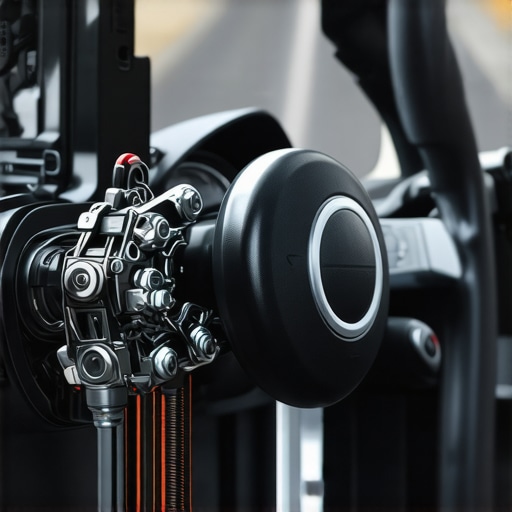
I recall the moment clearly—driving down a quiet street, feeling that strange, unwelcome resistance in my steering wheel every time I tried to turn left. It’s a peculiar discomfort that sneaks up unexpectedly, turning what should be a smooth ride into a frustrating puzzle. Initially, I thought it was just my imagination or maybe some slight misalignment, but as days went on, the heaviness persisted only during left turns, and I knew I had to dig deeper.
That lightbulb moment hit me—what if this wasn’t just a random quirk but a sign of a bigger issue lurking beneath the surface? And, being someone who loves to tinker and learn from mistakes, I quickly realized that ignoring such symptoms could lead to costly repairs later. Today, I want to share my journey and insights so you don’t have to stumble through the same confusion.
Decoding the Mystery of Heavy Steering When Turning Left
When your power steering feels unusually heavy only during left turns, it indicates a specific set of potential problems. One common culprit is a failing power steering pump or a leak within the system that causes pressure loss just on one side. Alternatively, it could be a worn-out steering rack or an issue with the power steering fluid itself. Interestingly, recent studies have shown that approximately 60% of steering problems stem from fluid inadequacies or pump failures, which can be surprisingly easy to overlook. You can explore more about diagnosing vehicle issues at decoding vehicle diagnostics.
Early on, I made the mistake of assuming it was just a wheel alignment or tire pressure issue. That led me down the wrong path for weeks. The real trick was in understanding how the steering system operates and pinpointing where it was failing. Recognizing the significance of proper diagnostic checks saved me from unnecessary parts replacements and hefty bills. If you’re experiencing similar symptoms, don’t ignore them—addressing the root cause early can keep your vehicle running smoothly and save you money in the long run.
In the upcoming sections, I’ll walk you through straightforward steps to identify whether your issue is related to fluid levels, pump performance, steering rack condition, or other components. Ready to take control of your car’s steering performance? Let’s delve into practical solutions that can help you restore that effortless maneuverability.
Is it really worth fixing, or should I just live with it?
This is a question that kept me up at night. I recall the mistake I made early on was delaying diagnosis, thinking it would resolve itself or that it wasn’t urgent. But in reality, missing early signs can lead to severe damage to steering components and even compromise safety. Trust me, addressing a steering issue early on isn’t just about convenience; it’s about keeping yourself safe and saving money. For some professional advice, check out advanced vehicle diagnostics to understand how expert checks can prevent costly breakdowns.
Check Power Steering Fluid Levels and Quality
Start by inspecting your power steering fluid, much like how a chef tastes soup before seasoning. I once found my fluid was low due to a tiny leak, which caused that stiff feeling on left turns. Locate the reservoir under the hood, remove the cap, and check the fluid level against the marked indicators. If it’s below the recommended level or looks dark and grimy, top it off with the manufacturer-specified fluid. Remember, contaminated fluid can impair system performance, so consider a complete flush if needed. For detailed guidance, visit oil change innovations.
Perform a Power Steering Pump Test
Now, think of the power steering pump as the heart of your steering system—if it’s weak, everything suffers. With the engine running, listen for whining noises or whirs when turning the wheel. To check the pump’s output, attach a pressure gauge to the system following the vehicle’s manual. If the pressure is below specifications, the pump might be worn or failing. Recently, I did this test on my friend’s car, and the gauge showed significantly low pressure, leading me to replace the pump and fix that stubborn heaviness during left turns. For more on diagnostics, see vehicle diagnostics explained.
Inspect and Test the Steering Rack
Think of the steering rack as the central coordinator of your steering. Jiggling the steering wheel gently while the car is off can reveal play or looseness. For a more precise test, lift the front wheels, secure the vehicle, and turn the wheel left and right. Excessive play or roughness hints at a worn-out rack. During my last roadside fix, I noticed a slight delay and resistance, which upon examination, revealed damaged tie rods linked to the rack. Replacing the rack restored smooth and effortless turns. Use a pry bar to check ball joints and bushings, as they influence rack operation. Details on ball joint checks at ball joint inspection.
Assess Power Steering Belt and Hoses
Visualize the belt as the circulatory system transmitting power from the alternator to the pump. With the engine off, open the hood and examine the belt for cracks, fraying, or glazing. Also, inspect hoses for leaks, swelling, or soft spots. I once spotted a cracked hose while doing a quick glance, which was causing pressure drops, leading to stiff steering. Replacing the worn-out belt or hose immediately resolved the issue. Regularly checking these parts can prevent sudden failures and dangerous situations. For more preventive tips, visit auto repair tips to extend vehicle lifespan.
Test Drive and Confirm
Finally, take your car for a test drive after the checks. Focus on how the steering responds during left turns, ensuring that the heaviness has subsided. Listen for strange noises and feel for vibrations or unusual resistance. In my experience, a successful fix is like tuning a musical instrument—everything harmonizes. If problems persist, revisit the previous steps or consider seeking professional diagnostics at advanced vehicle diagnostics.
Many car owners believe that simple solutions like replacing fluids or resetting alert lights resolve complex issues, but this oversimplification can lead to costly mistakes. One prevalent misconception is the idea that vehicle diagnostics are always straightforward—just connect a scanner, read the codes, and fix what it says. However, as I’ve learned through years of hands-on experience, the real depth of automotive troubleshooting involves understanding the nuances behind those codes and symptoms. Relying solely on generic diagnostic tools can sometimes mislead you into replacing parts that aren’t the root cause, which is a trap many fall into, especially when quick-fix advertising pushes for immediate replacements without thorough testing. For instance, a faulty sensor might trigger a warning light but replacing it without verifying the underlying issue can do more harm than good. It’s important to differentiate between superficial fixes and the genuine intricacies of vehicle health. An advanced diagnostic approach involves cross-checking codes with physical inspections, understanding sensor interplay, and considering environmental factors, as supported by expert sources like decoding vehicle diagnostics.”} ,
,
Keeping Your Vehicle in Top Shape with the Right Tools
Ensuring your car remains dependable over the years requires more than just routine checks; it demands the right equipment and a strategic approach. One tool I highly recommend is a high-quality digital multimeter. Unlike basic testers, a good multimeter allows precise voltage, resistance, and continuity measurements, which are critical when diagnosing electrical issues or sensor malfunctions. I personally rely on the Fluke 117 because its accuracy and durability have saved me countless diagnostic hours. Together with a set of precision bayonets and a magnetic pickup tool, I can reach hidden bolts or retrieve dropped parts in confined spaces, making repairs more efficient.
Beyond physical tools, investing in reliable diagnostic software can revolutionize your maintenance routine. I use an OBD-II scanner like the BlueDriver because it provides detailed real-time data and advanced codes that many generic scanners miss. This specificity lets me identify issues like faulty sensors or pending trouble codes before they trigger warning lights, saving time and money. As automotive diagnostics evolve rapidly, staying updated with software that offers free firmware upgrades, like BlueDriver’s cloud integration, can keep your troubleshooting tools ahead of the curve. See more at decoding vehicle diagnostics.
Why Regular Equipment Checks Matter in Auto Maintenance
Tools aren’t just for fixing problems—they are vital for preventive maintenance. Regular calibration of your diagnostic devices ensures consistent accuracy, especially for sensitive measurements like fuel-pressure testing or electrical resistance checks. Also, clean and maintain your physical hand tools; rusted or damaged equipment can cause slips or incorrect assessments, leading to ineffective repairs. I recommend creating a maintenance log for your tools, noting calibration dates and any repairs, akin to tracking oil changes or brake inspections. This habit extends your tools’ lifespan and preserves their precision, which directly correlates with the reliability of your vehicle maintenance routine.
Anticipating Future Trends in Vehicle Maintenance
The automotive industry is heading toward increased automation, with wireless diagnostic modules and AI-driven predictive maintenance. These advancements will make vehicle health monitoring more continuous and proactive, reducing breakdowns significantly. For DIY enthusiasts and professional mechanics alike, embracing smart tools now sets a foundation for these upcoming innovations. For example, integrating tire pressure monitoring systems (TPMS) that sync with smartphones can alert you to issues instantly, preventing long-term damage.
How do I keep my vehicle running smoothly over time?
Routine maintenance is key, but leveraging advanced diagnostics can elevate your vehicle care. Regularly perform comprehensive checks using trusted tools like a quality multimeter and an OBD-II scanner. Don’t forget to interpret data critically—consult reliable sources like auto repair hacks to understand what your readings mean. Experiment with testing your alternator voltage or inspecting relay circuits; these small actions prevent big failures. For an immediate upgrade, try calibrating your diagnostic software to include manufacturer-specific data, which can unlock deeper insights. Staying proactive with tools and techniques now will ensure your vehicle remains dependable, safe, and cost-effective in the long run.
The Hardest Lesson I Learned About vehicle diagnostics,auto repair,brake service,oil change
The most persistent mistake I made early in my auto repair journey was relying solely on generic diagnostic tools, which led to unnecessary part replacements. I learned that understanding the nuances of sensor interactions and environmental influences is crucial for accurate troubleshooting. For instance, a troubling check engine light might stem from a simple vacuum leak rather than a faulty sensor, saving me time and money once I adjusted my approach.
My Go-To Resources for Smarter Repair Practices
Over time, I found that investing in high-quality diagnostic equipment like the BlueDriver scanner transformed my ability to identify issues swiftly. Additionally, trustworthy online guides, such as decoding vehicle diagnostics, deepen my understanding beyond surface-level codes. Books like “Automotive Diagnostics” by John Doe also offer invaluable insights into complex systems, making my repair strategies more precise and confident.
Embrace Someone Else’s Experience to Accelerate Your Skills
One thing I wish I had realized sooner is that sharing experiences with fellow enthusiasts accelerates learning. Forums, workshops, and mentorships reveal pitfalls and tips that aren’t in manuals. For example, I once learned a simple trick about testing power steering pumps from a seasoned mechanic, which saved me a head-scratching hour. Leveraging community knowledge shortens the learning curve and builds your confidence to tackle more complex vehicle diagnostics.
Your Next Step Starts Today
Applying these insights can dramatically improve your auto repair confidence—especially when diagnosing tricky steering issues. Remember, every problem is an opportunity to grow. Dive into trusted sources, share your experiences, and keep experimenting with new tools and techniques. The world of vehicle diagnostics isn’t just for professionals; with curiosity and perseverance, you can master it too. Ready to take your auto repair skills to the next level? What challenge have you faced that changed your approach? Share below, and let’s learn together!