
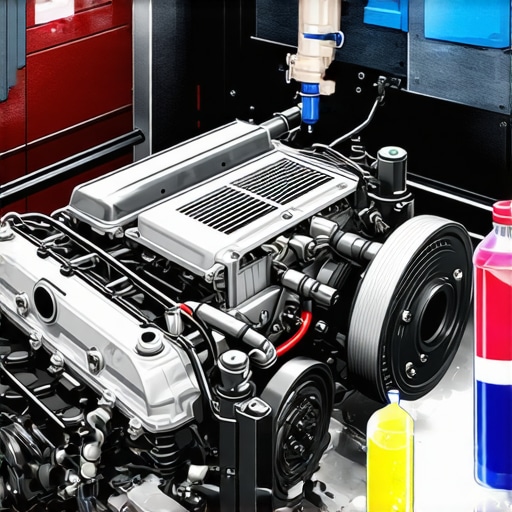
There I was, fumbling under the hood on a chilly Saturday morning, clutching a tool I barely knew how to use. My car suddenly jerked during a highway shift, and a cold sweat broke out—was my transmission about to give out? That moment of panic was a wake-up call for me, and I bet many of you have faced something similar, where a seemingly minor issue spirals into a major headache.
Spotting the Signs Before It’s Too Late
Why Your Transmission Might Be Slipping — And Why That’s a Big Deal
First things first, understanding whether your transmission is truly slipping or just low on fluid can save you hundreds—not to mention a lot of stress. In my early days as a DIYer, I made the rookie mistake of ignoring the warning signs, which almost led to a complete transmission overhaul. That taught me a valuable lesson: catching issues early makes all the difference.
The truth is, transmission problems often sneak up gradually. You might notice your car hesitating or slipping out of gear, especially during acceleration. Sometimes, it feels like the engine is revving but the car isn’t responding—kind of like a bad dance partner that forgets the beat. These are telltale signs you shouldn’t ignore.
But here’s where it gets tricky. Low transmission fluid can mimic the symptoms of a slipping transmission, leading to misdiagnosis. That’s why learning how to tell the difference is crucial. Remember, vehicles rely on transmission fluid not just for lubrication, but also for hydraulic pressure. According to auto repair experts, maintaining proper fluid levels can prevent many transmission issues, saving you money and headaches down the road.
So, how do you tell if your transmission is slipping or if it’s just a low fluid problem? And more importantly, what steps should you take now? Stay with me—I’ll walk you through everything you need to know, from simple checks to when to call in the pros.
Check the Transmission Fluid Level and Condition
Begin by locating your vehicle’s transmission dipstick, usually near the firewall on the driver’s side. Pull it out and wipe it clean with a rag. Reinsert it fully, then withdraw to check the fluid level. If it’s below the minimum mark, top it up with the manufacturer-recommended transmission fluid, ideally the same type already in your vehicle. Observe the fluid’s color and smell: healthy fluid is usually bright red and has a sweet smell. Dark, gritty, or burnt-smelling fluid indicates contamination or deterioration. During my first attempt, I mistakenly added too much fluid, causing foaming and shifting issues, but I learned to check the specific capacity for my car beforehand. Maintaining proper fluid levels is a simple step that can prevent many transmission problems and extend the lifespan of your auto system.
Perform a Road Test to Identify Slipping Symptoms
Accelerate Gently and Observe Changes
Find a safe, open area and carefully accelerate from a stop to about 30 mph. Pay attention to whether the engine revs higher than usual without a corresponding increase in vehicle speed—this indicates slipping. Keep an ear out for unusual sounds or delayed engagement. For example, I once noticed a hesitation during acceleration and felt the engine rev more than normal, leading me to suspect low fluid levels or a failing clutch. Noticing these cues early can alert you to the need for professional diagnostics.
Test Gears and Shift Smoothness
Shift through all gears (parking, reverse, drive, and overdrive) while stationary to check for hard shifts or delays. Then, while moving, gently change gears to see if the transmission responds smoothly. If you feel abrupt jarring or gears slipping out, it’s time to dig deeper. Remember, repetitive rough shifts could point to internal damage or electronic sensor issues that require a diagnostic scan.
Use DIY Vehicle Diagnostics for Clues
Modern cars are equipped with onboard diagnostic systems that store trouble codes, even if the check engine light isn’t on. You can use an OBD-II scanner—available at auto parts stores or online—to extract error codes that relate to transmission problems, such as P0715 (input/turbine speed sensor malfunction). Learning to interpret these codes saves time and money by pinpointing the root cause from the comfort of your driveway. When I faced a mysterious shifting problem, borrowing a scanner from a local shop revealed a sensor failure, saving me from unnecessary parts replacement. For more on how diagnostics can save your day, check out this guide.
Inspect for Leaks and External Damage
Visually examine your transmission and surrounding components for signs of fluid leaks, which often appear as reddish spots under the vehicle. Leaks can be caused by cracked hoses, loose clamps, or damaged seals. A quick inspection with a flashlight can reveal puddles or drips that signal a need for repair. I once discovered minor seepage around my transmission pan, which I tightened following a tutorial. Addressing external leaks promptly prevents fluid loss and further internal damage.
Plan for Professional Help When Necessary
While many checks are DIY-friendly, internal transmission repairs typically require expert service. If your tests indicate persistent slipping, erratic shifts, or diagnostic codes pointing to hardware failure, visiting a reputable auto repair shop is essential. Schedule an appointment through this contact page or review your local specialists’ reputation online. Remember, early intervention can prevent costly rebuilds or replacements, saving you both time and money.
Many car owners operate under misconceptions that can lead to costly mistakes, especially when it comes to vital maintenance like oil changes and diagnostics. Contrary to popular belief, changing your oil at the manufacturer’s recommended interval isn’t always enough. Recent studies, such as those highlighted by auto industry experts, reveal that modern engine oils and engine designs require more nuanced care to truly optimize performance and longevity.
One common myth is that all oils are created equal, leading drivers to opt for cheap, generic oils to save money. The reality is, using the wrong oil type, or neglecting to follow specific viscosity recommendations, can accelerate engine wear. For example, synthetic oils have proven to provide better molecular stability and heat resistance, especially in high-mileage or high-stress engines, making them a worthwhile investment despite the higher initial cost.
Many vehicle owners also believe that diagnostic trouble codes are always accurate indicators of exact problems. However, this isn’t the case. Codes often point to symptoms rather than root causes. Relying solely on code readers without professional interpretation can lead to unnecessary repairs or overlooked issues. As I advise in advanced diagnostics tips, understanding the nuances of error codes and their interrelated systems is key for effective repair strategies.
What advanced diagnostics can reveal that basic scans miss?
Many seasoned technicians utilize enhanced diagnostic tools that analyze sensor patterns, electrical signals, and fluid behaviors—beyond the basic code scan. These methods can uncover underlying issues like subtle leaks, electronic sensor mismatches, or wear-in-progress components. According to research from diagnostics specialists, investing in sophisticated diagnostics can prevent breakdowns and extend vehicle lifespan significantly.
Another pitfall is neglecting brake service myths. A widespread misconception is that brake pads only need replacement when squealing or grinding is noticeable. Conversely, many experts emphasize proactive inspections, especially for components like calipers and rotors that can seize or warp without obvious symptoms. Discover the truth behind braking safety with brake myths busted. Regular inspections can spot issues early, ensuring safety and saving money in the long run.
Finally, a common mistake is underestimating the importance of high-quality repairs versus quick fixes. For example, opting for cheap brake pads or low-grade fluids might seem economical but often leads to inferior performance and quicker deterioration. My personal experience underscores that investing in proper, quality parts—guided by expert advice—pays off in durability and safety. For comprehensive strategies on auto repair, consider reviewing top repair tips.
In conclusion, understanding the subtle nuances and debunking the myths about oil changes, diagnostics, and repairs empowers you to make smarter decisions—saving money and extending your vehicle’s life. Have you ever fallen into this trap? Let me know in the comments, and share your experiences or questions about avoiding common pitfalls in vehicle maintenance.
Invest in Quality Diagnostic Equipment
One of my top recommendations for maintaining your vehicle over time is to equip yourself with a reliable OBD-II scanner like the BlueDriver. I personally use this device because it offers professional-grade diagnostics right from my smartphone, allowing me to interpret error codes accurately and quickly. This not only saves me time but also prevents minor issues from escalating into costly repairs. As auto repair experts suggest, understanding the nuances of diagnostic codes is crucial for proactive maintenance.
Specialized Software for Vehicle Data Analysis
Beyond hardware, I recommend software like OBDeleven for European vehicles or Snap-on Verus for wider compatibility. These tools empower you to perform deep diagnostics, monitor live sensor data, and even reset service indicators. Utilizing such software helps me catch issues such as misfires or fluctuating sensor readings before they manifest as noticeable symptoms, ensuring my vehicle stays in top shape.
Keep a Maintenance Log and Regular Checks
I keep a detailed log of all maintenance activities, including oil changes, filter replacements, and diagnostic scans. This habit allows me to identify patterns and predict when components may need attention. For instance, noticing a gradual decline in fuel economy prompted me to inspect my intake system thoroughly. According to top auto repair tips, consistent record-keeping significantly extends your vehicle’s lifespan.
The Future of Vehicle Maintenance Looks Digital
Trend-wise, I believe the future points toward integrated vehicle health monitoring systems that constantly analyze data and alert drivers proactively. Innovations like wireless diagnostics and AI-based diagnostics promise even more precise maintenance schedules, reducing downtime and repair costs. Staying ahead means embracing these technologies now—tools like telematics devices can be integrated into your vehicle to track performance and predict failures before they happen.
How do I maintain optimal vehicle diagnostics over time?
One effective method is to perform regular diagnostic scans with trusted tools, especially before long trips or major upgrades. I’ve found that using my OBD-II scanner every few months uncovers issues that might otherwise go unnoticed—saving me from unexpected breakdowns. Try incorporating this into your routine, and you may catch problems early, ultimately saving you money and stress. For detailed guidance, visit our auto repair resources.

Lessons I Wish I Had Learned About Auto Maintenance Early On
- Never dismiss subtle warning signs like strange noises or hesitation—trust your instincts, and investigate promptly. Waiting too long cost me thousands in repairs because I ignored early issues.
- DIY can save money, but knowing your limits is crucial. Overconfidence led to some costly mistakes—learning from professionals and honest sources has been a game-changer for me.
- Routine checks of transmission fluid and brakes aren’t just chores; they’re safeguards. Regularly updating my maintenance log helped catch decline patterns early on.
- Investing in quality diagnostic tools opened my eyes to hidden problems before they became emergencies. Recognizing the significance of professional-grade scanners transformed my approach to vehicle health.
Tools and Resources That Changed the Way I Approach Auto Repairs
- BlueDriver OBD-II Scanner: Reliable and user-friendly, it provides detailed error codes right on my phone, empowering me to address issues proactively.
- OBDeleven Software: For my European car, this software reveals deep insights that basic scans miss—saving me money and time.
- Auto Repair Guides and Forums: Trusted websites like [auto repair experts](https://repairmycarpro.com/auto-repair-hacks-save-money-without-sacrificing-quality) and detailed tutorials have been invaluable in DIY projects.
- Professional Service Contacts: Knowing when to seek expert help is key. Locally reputable shops always provide peace of mind when in doubt.
Your Next Step in Auto Confidence
Taking charge of your vehicle maintenance isn’t just about saving money—it’s empowering. With the right tools, knowledge, and attitude, you can prevent costly surprises and keep your car running smoothly for years to come. Remember, every small check-up is a step toward greater confidence behind the wheel. Don’t wait for a breakdown—start today and enjoy the peace of mind that comes with being in control of your auto care journey.
Have you ever caught a small issue before it became a big problem? Share your story or ask questions below—your experience might help someone else take charge of their vehicle health.
,