
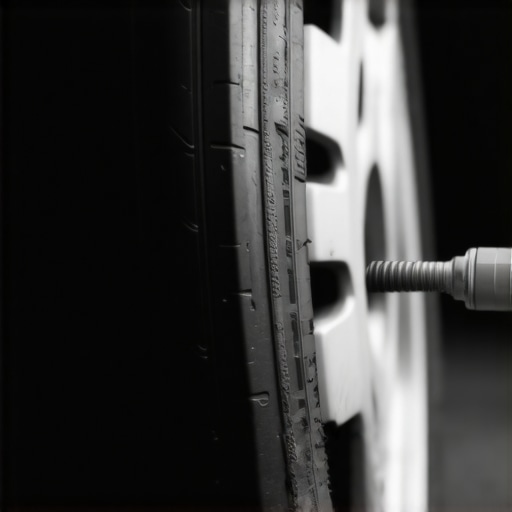
If you’ve ever been stranded on the side of the road with a punctured tire, you know that sinking feeling of helplessness. I remember the first time it happened to me—standing there, frustrated, staring at the messy hole in my tire, and wondering if I was doomed to buy a new set. That lightbulb moment made me dive deep into the world of tire repairs, and what I learned changed how I approach car maintenance entirely.
Today, we’re going to cut through the marketing hype and get real about the differences between a tire patch and a plug. You might think they’re just different methods to fix a flat, but trust me—knowing which actually matters can save you time, money, and even your safety. Whether you’re a seasoned driver or just getting behind the wheel, understanding these subtle but crucial distinctions can mean the difference between a quick fix and serious trouble.
The Real Deal Behind Tire Repairs
When my tire first went flat, I was tempted to pop in a plug I bought at the auto parts store. It seemed quick and simple—just insert it into the hole, and you’re good to go, right? Well, not quite. As I later discovered from trusted sources like essential auto repair strategies, not all repairs are created equal.
Prepare Your Workspace and Tools
Begin by finding a flat, well-lit area free from traffic. Gather all necessary tools: a tire repair kit that includes patches, plugs, a reaming tool, a pry tool, and an air compressor or pump. Remove the tire from the vehicle following manufacturer guidelines, and inspect it thoroughly for damage beyond the puncture site. Remember, if the damage is near the sidewall, replacing the tire is safer than repairing.
Locate and Assess the Puncture
Identify the puncture visually or by listening for hissing sounds. Use a soapy water solution to confirm the leak—bubbles will form at the puncture site. If the leak is slow, marking the spot with chalk helps during repair. A real-life instance: I once found a tiny nail embedded in my tire; applying the soap test revealed a slow leak, prompting a repair instead of replacement.
Decide Between Patch or Plug
When to Use a Patch
Apply a patch when the puncture is in the tread area and the damage is clean and free of cuts or punctures larger than ¼ inch. Patches provide a durable, long-lasting fix, similar to applying a bandage over a cut. For a flat tire I repaired last summer, a patch sealed a puncture caused by a nail, and it held firm after hundreds of miles.
When to Use a Plug
Use a plug when the puncture is in the tread and is clean, well-defined, and not near the sidewall or shoulder. Plugs are quick fixes, like sticking a cork into a bottle—you stop the leak fast but with less durability. I once used a plug on a small cut in my tire’s tread, which held up during a weekend trip, but I knew I’d need a patch for long-term reliability.
Applying the Repair
For patches, roughen the area around the puncture with the reaming tool to ensure adhesion. Clean the area thoroughly with a cloth. Apply vulcanizing cement if the kit requires, then press the patch firmly onto the tire, holding for the recommended time. For plugs, insert the spiral plug into the reamed hole with a twisting motion until it’s flush with the tread surface. Use a pair of pliers if necessary to push the plug deep enough.
Final Checks and Reassembly
Inspect the repair visually to ensure it’s secure and flush with the tread. Reinstall the tire onto the wheel, tightening lug nuts in a crisscross pattern to the specified torque. Inflate the tire to the manufacturer’s recommended pressure—over- or under-inflation can cause uneven wear or failure. For added assurance, take the vehicle for a slow test drive, listening for irregular sounds or vibrations and rechecking tire pressure afterward. Last year, after a quick plug repair, I monitored the tire overnight and found no leaks, confirming the fix was successful.
Know When to Seek Professional Help
Technical damage like sidewall punctures, large cuts, or multiple punctures often require expert intervention. Consulting a professional ensures safety and prolongs the tire’s lifespan. Regularly inspecting your tires and understanding these repair steps can keep you safe and save money—skills every driver should master.
In the world of auto repair, many drivers hold misconceptions that can lead to costly mistakes or safety risks. As someone with extensive experience in diagnosing and servicing vehicles, I’ve seen how even seasoned car owners can be misled by common myths. Let’s dig deeper into these misconceptions and reveal the hidden nuances you need to know to keep your vehicle in top shape.
Myth of the One-Size-Fits-All Oil Change Interval
Everyone preaches changing your oil every 3,000 miles, but in reality, modern engines and synthetic oils have extended that window significantly. According to automotive experts, advanced oil technologies now allow for 7,500 to 10,000 miles between changes, provided you follow manufacturer recommendations. Rushing to change oil prematurely can waste money and, paradoxically, neglect other crucial maintenance tasks. The key is understanding your specific vehicle’s optimal interval, as it varies by model, driving conditions, and oil type—something many overlook.
Brake Service: More Than Just Pads
Many assume that replacing brake pads solves all issues, but neglecting the entire brake system can be dangerous. Warped rotors, worn calipers, and leaking brake fluid can compromise safety, even if new pads are installed. For instance, when replacing brake components, inspecting the hydraulic system and brake lines is essential, as they directly influence performance and safety. Proper brake maintenance involves a comprehensive approach, not just parts replacement.
Vehicle Diagnostics: Don’t Rely on the Check Engine Light Alone
It’s tempting to dismiss warning lights, assuming they are minor issues, but many problems can lurk beneath the surface. Advanced diagnostics tools can reveal hidden issues like failing sensors, vacuum leaks, or corrosion that might not trigger a warning immediately. Relying solely on the check engine light can be a mistake; proactive diagnostics often prevent costly breakdowns. Want to get ahead? Learn what your car is trying to tell you by decoding vehicle diagnostics properly and recognizing subtle signs.
Auto Repairs: Ignoring Small Repairs Can Lead to Big Expenses
Many drivers delay fixing minor issues, believing they’ll ‘wait until it breaks.’ But small problems like a worn serpentine belt, a minor oil leak, or squeaky brakes can escalate quickly, leading to major failures and expensive repairs. Staying vigilant and addressing issues early—guided by understanding advanced diagnostics and maintenance strategies—can extend your vehicle’s lifespan and save money. For more tips on preventive care, check out top auto repair tips.
In summary, debunking misconceptions about auto maintenance involves appreciating the nuances and avoiding shortcuts. By understanding the intricacies of oil change intervals, brake system components, diagnostics, and the importance of early repairs, you avoid being caught off guard. Have you ever fallen into this trap? Let me know in the comments.
Investing in the Right Equipment for Long-Term Maintenance
Having the proper tools is critical for maintaining your vehicle efficiently and safely. I personally rely on a high-quality digital multimeter, such as the Fluke 87V, which provides precise readings for battery health, alternator output, and sensor troubleshooting. Additionally, a reliable OBD-II scanner like the BlueDriver Bluetooth Pro allows me to decode warning codes quickly and determine whether issues are minor or require professional attention, aligning with strategies discussed in essential auto repair strategies.
For routine tasks like oil changes or brake inspections, I keep a set of sealed, torque-measured impact wrenches and a digital brake caliper gauge. These ensure consistent, accurate work without risking damage to sensitive components. Regularly updating your toolkit with the latest diagnostic devices can drastically reduce repair turnaround times and improve accuracy, especially as vehicle electronics become more sophisticated.
Streamlining Repairs with Software and Maintenance Records
Embracing software solutions such as Mitchell 1 or AutoEnginuity can elevate your maintenance routine, providing detailed service histories and tailored maintenance schedules based on your vehicle’s make, model, and driving habits. I make it a point to log each repair or part replacement in cloud-based apps, enabling easy tracking over years of vehicle ownership. Consistent record-keeping promotes proactive maintenance, reducing the risk of breakdowns and extending the vehicle’s lifespan, as highlighted in auto repair tips.
Forecasting Maintenance Needs for Future Reliability
Observing patterns in vehicle diagnostics can help predict issues before they escalate. For example, tracking odd sensor readings or fluctuating fluid temperatures can hint at worn-out components. Using data analytics tools integrated with your Diagnostic Scanner can give insights into upcoming repairs, enabling you to budget and schedule maintenance proactively. Trends like increased sensor failure rates are expected to rise as vehicles incorporate more advanced electronics, making diagnostics even more crucial, supported by advanced diagnostics methods.
How do I keep vehicle diagnostics working smoothly over time?
To maintain the accuracy of diagnostics tools, regularly update your scanner’s firmware and keep your vehicle’s onboard systems current with manufacturer-recommended software updates. Clean connections, avoid exposing scanners to extreme conditions, and calibrate sensors periodically. Investing in a dedicated, climate-controlled storage case preserves sensitive electronic equipment, ensuring it remains reliable for years to come. As vehicle electronics evolve, integrating AI-powered diagnostic platforms that learn and predict trends will become mainstream, offering even deeper insights into vehicle health.
One way to start is by regularly running comprehensive health checks with your OBD-II scanner, especially after major repairs or software updates. This small step can uncover hidden issues early, saving you money and headaches. Want to take it further? Consider exploring diagnostic data analytics to anticipate failures before warning lights even appear, as suggested by industry experts.
Lessons I Never Expected to Learn About Tire Repairs
- One of my biggest revelations was realizing that a quick plug might get you back on the road temporarily, but a patch in the right spot offers peace of mind for the long haul. Trust me, understanding the nuances saved me from costly surprises later.
- I’ve seen experienced drivers fall for the myth that all punctures are fixable. The truth is, some damage near the sidewall or larger than a quarter simply isn’t safe to repair. Knowing when to replace your tire can prevent dangerous blowouts.
- Applying a proper patch isn’t just about sealing the hole; it’s about preparing the area correctly. Relying on amateur fixes can lead to leaks or worse, tire failure during critical moments. Mastering this skill has made me more confident on every trip.
My Trusted Tools and Resources for Auto Care
- The Fluke 87V digital multimeter is my go-to for checking battery health and electrical issues—highly reliable and precise, it’s worth every penny.
- The BlueDriver Bluetooth OBD-II scanner connected to my smartphone has transformed the way I monitor vehicle diagnostics. It’s fast, user-friendly, and helps me catch problems early.
- AutoEnginuity’s diagnostic software offers deep insights into complex systems, making troubleshooting much less intimidating. I trust these tools because they give me data I can act on confidently.
- For comprehensive maintenance plans, Mitchell 1’s software keeps all my service records organized, which simplifies future repairs and shows me exactly what my vehicle needs—saving time and money.
Your Turn to Take Control of Your Vehicle
Remember, being proactive with auto maintenance and understanding the real differences in tire repair methods can truly extend your vehicle’s life and keep you safe. Embrace these insider insights, equip yourself with the right tools, and don’t hesitate to tackle repairs confidently. Your vehicle depends on your knowledge just as much as it depends on regular care—and the more you learn, the easier it becomes to keep your car running smoothly for years to come.
What’s the next auto repair skill you want to learn or improve? Share your goals below—I’d love to hear about your journey toward better car ownership!
,