
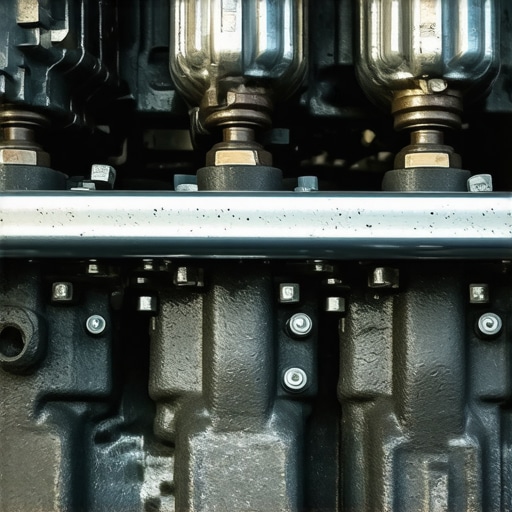
It was a quiet Sunday afternoon when I first heard it—an odd ticking noise coming from my engine bay that didn’t sound like anything I recognized. At first, I thought it was just a fleeting noise, maybe from the heat or a loose belt. But as the days went on, the ticking grew louder, more persistent, and honestly, more unsettling. That’s when the light bulb went off—something was wrong with my oil pump.
How a Simple Sound Can Save Your Engine
That tiny, rhythmic tapping is actually a crucial warning sign. Ignoring it could mean risking a costly engine rebuild or even complete failure. I learned this the hard way, but it taught me the importance of listening to my car’s subtle signals. Today, I promise to share my personal journey, so you won’t have to go through the same panic. We’ll explore how to identify this ticking sound early before it turns into a major headache.
Is the Warning Sound Worth Worrying About
Early on, I made the mistake of dismissing the ticking as normal engine noise—mistake number one. I thought, “It’s probably just my age-old engine, nothing to fret over.” Turns out, that was exactly the error that could have cost me. According to automotive experts, a faulty oil pump can cause oil starvation, leading to severe engine damage (source: https://repairmycarpro.com/oil-change-innovations-technologies-that-save-your-engine). Recognizing early signs like this ticking can be the difference between a quick fix and a costly repair.
In the sections ahead, we’ll delve into practical steps to diagnose this issue accurately, how to differentiate it from other engine sounds, and when to seek professional help. If you’ve noticed a similar ticking or want to prevent this problem, you’re in the right place. Let’s keep your engine running smoothly—because a little attention can go a long way.
Check the Sound and Feel of Your Engine
Start by listening closely when your engine runs—does the ticking pattern persist at different engine speeds or warm-up stages? I recall a morning I noticed the ticking was louder after a cold start but lessens once warm, indicating oil circulation issues. Feel for any irregular vibrations or sluggish response, which may signal oil pressure problems. This immediate assessment can help you decide if deeper inspection is necessary.
Perform a Visual Inspection of the Oil System
Next, turn off your engine and safely open the hood. Examine the oil level using the dipstick—low oil levels amplify the risk of pump failure. Look for signs of oil leaks or contamination around the pump area. If you’re comfortable, remove the oil fill cap and inspect the oil quality—dark, dirty oil can exacerbate pump wear. Regular oil checks and quality oil, like those highlighted in this guide, are vital for preventing pump issues.
Use a Diagnostic Scanner to Read Engine Codes
Employ a portable OBD-II scanner to detect any fault codes related to oil pressure or sensor malfunctions. Codes such as P0520 indicate oil pump circuit issues. When I encountered inconsistent readings, I used a scanner to pinpoint sensor anomalies, helping me determine if the pump itself or its electrical system was at fault. For detailed steps on interpreting these signals, visit this resource.
Perform a Manual Oil Pump Test
For a more hands-on approach, remove the oil pressure sensor or send a mechanic to do this, and compare the oil pressure readings against standard ranges specified in your vehicle’s manual. A significant drop indicates pump failure. Be cautious—this test involves engine access and should be done carefully to avoid injury. If you’re unsure or lack tools, professional assistance from experts is recommended to avoid accidental damage.
Confirm the Problem Before Replacing Parts
Before ordering a new oil pump, confirm the diagnosis with a thorough inspection or a second opinion. Sometimes sensors or electrical connections are at fault, and replacing the pump unnecessarily can be costly. Remember, proper diagnostics—aligned with advice at this detailed article—save you time and money.
Plan the Repair Step by Step
Once confirmed, prepare your workspace, gather the necessary tools, including a socket set, oil pump removal tools, and new replacement units. Drain the engine oil entirely to prevent spills during pump removal. Detach the oil pan if needed, then carefully remove the faulty pump, following your vehicle’s repair manual. Be meticulous with reassembly, ensuring all seals and connections are correctly seated.
When it comes to vehicle maintenance, many drivers hold onto beliefs that can actually hinder rather than help their cars’ longevity. One of the most persistent myths is that all oil changes are created equal—many think using cheap oil or skipping the service altogether won’t make a difference. However, recent research underscores how high-quality synthetic oils and proper intervals can significantly extend engine life, as explained in this comprehensive guide. Another common mistake is trusting dashboard warning lights at face value. While these signals are critical, they often oversimplify complex issues, leading to unnecessary repairs or overlooked problems. Advanced diagnostics, such as this diagnostic approach, can reveal underlying causes that are not immediately obvious, saving you time and money.
Many enthusiasts believe that a quick visual inspection suffices for brake service, but in reality, brake systems demand meticulous attention to detail. A visual check might miss vital internal corrosion or uneven pad wear, which can compromise safety. Proper brake maintenance involves more than just pad replacement; it requires a thorough examination of calipers, rotors, and hydraulic fluid, as outlined in this in-depth resource. Now, for the more sophisticated driver, a crucial question arises: How can modern vehicle diagnostics detect issues before warning lights even turn on?
Can proactive diagnostics predict failures before they happen?
Absolutely. Just like a trusted physician can spot health issues early with advanced tests, modern diagnostic tools analyze sensor data to identify anomalies that precede a breakdown. For example, fluctuations in fuel efficiency or slight changes in engine noise can signal impending problems. Studies have shown that early detection techniques significantly reduce repair costs and improve safety, as detailed in this expert-backed analysis. The key is understanding that routine maintenance isn’t just about responding to problems but preventing them altogether. Focused diagnostics and a proactive mindset can transform how you care for your vehicle—saving you money, time, and stress in the long run.
However, one trap many fall into is assuming that DIY solutions will always suffice. While basic checks are beneficial, neglecting professional inspections, especially for complex issues like brake system internal components or transmission health, can be dangerous. An experienced mechanic can detect subtle signs that escape the untrained eye, emphasizing the importance of trusted experts in your auto care routine. Curious to learn more about advanced diagnostic techniques or to schedule a professional checkup? Don’t hesitate to reach out through this contact page. Your vehicle will thank you for it. Have you ever fallen into this trap? Let me know in the comments.Keeping your vehicle running smoothly over the years requires more than just basic knowledge; it demands the right equipment and a strategic approach to maintenance. One essential tool I swear by is a quality **OBD-II diagnostic scanner** like the Autel MaxiScan MS309, which allows me to promptly identify engine error codes and sensors that could indicate issues like oil pump failures or sensor malfunctions. These devices have become increasingly affordable yet remarkably accurate, making them perfect for DIY diagnostics or confirming professional assessments.
Beyond scanners, I rely heavily on a **digital torque wrench** such as the GearWrench Electronic Torque Wrench. This tool ensures that critical components—like wheel lug nuts or spark plugs—are tightened to manufacturer specifications, preventing issues caused by under-tightening or over-tightening. Precise torque application extends the lifespan of parts and improves safety during regular maintenance.
For fluid checks, I use an **infrared engine thermometer**. With a quick scan, I can detect uneven cooling or hot spots that might suggest cooling system problems or internal engine wear. It’s particularly beneficial for diagnosing issues before they escalate into major repairs, aligning with insights shared in technical repair guides.
When it comes to brake service, I recommend a **hydraulic brake pressure tester**. This device helps verify the integrity of your brake system, identifying leaks or weak fluid pressure before brake pedal feel deteriorates. Regular testing can prevent dangerous failures and ensure your braking performance remains optimal.
Scheduling regular maintenance is crucial, but knowing the right tools can make the process more effective. As vehicle diagnostics become more advanced, I see the trend moving towards integrated smartphone-based systems that bundle diagnostics, repair instructions, and even virtual assistance through augmented reality. Embracing these innovations will further empower DIYers and professionals alike to troubleshoot efficiently.
How do I maintain my tools and equipment over time? Consistent cleaning, proper storage in a dry environment, and annual calibration ensure accuracy and longevity. For example, I calibrate my digital torque wrench annually to guarantee precise tightening—vital for safety-critical repairs like brake servicing. Additionally, I keep a detailed maintenance log for my diagnostic tools, similar to vehicle service records, which helps in tracking performance and scheduling updates or recalibrations.
I recommend trying out a **diagnostic scanner** if you haven’t already. It’s a game changer—allowing you to catch issues early and save money on repairs. Are you ready to upgrade your toolkit? Visit this page to connect with experts who can help you choose the best equipment tailored to your needs.
The Unseen Value of Quietly Listening to Your Engine
My journey with that mysterious ticking sound taught me that flat hearing or dismissing subtle engine clues can lead to serious damage. The biggest lesson? Trust your ears—your car often whispers before it screams.
What I Wish I Knew About Diagnosing Early Signs
Before diving into repairs, I underestimated the power of simple checks like inspecting oil levels or using an OBD-II scanner. These tools are game-changers, empowering you to catch troubles early and avoid costly fixes.
Insights That Changed How I Approach Auto Repairs
- Myth Busting: Not every warning light signals a straightforward issue. Deep diagnostics often reveal underlying problems, saving time and money.
- Preventive Maintenance: Regular oil quality checks and sensor inspections go a long way in prolonging engine life.
- DIY Can Save You: With the right tools, like a quality diagnostic scanner, you can troubleshoot and even fix minor issues on your own.
Curated Resources That Elevate Your Auto Knowledge
- Innovative oil change techniques — Understand how technology keeps your engine alive.
- Decoding vehicle diagnostics — Master reading engine codes like a pro.
- Advanced diagnostics insights — Give yourself the power to prevent breakdowns before they happen.
Your Journey to Smarter Car Care Starts Now
Remember, listening closely to your engine’s whispers isn’t just about saving money—it’s about fostering a genuine connection with your vehicle and maintaining its health for the road ahead. Every tick or click could be a lesson, a sign, or an opportunity to act. Are you ready to start trusting your car’s signals today? If you’re eager to learn more or need a hand, reach out here. Your smoother, safer ride awaits. Have you ever ignored a subtle engine sound and regretted it? Share your story below!”}}=“`json
{