
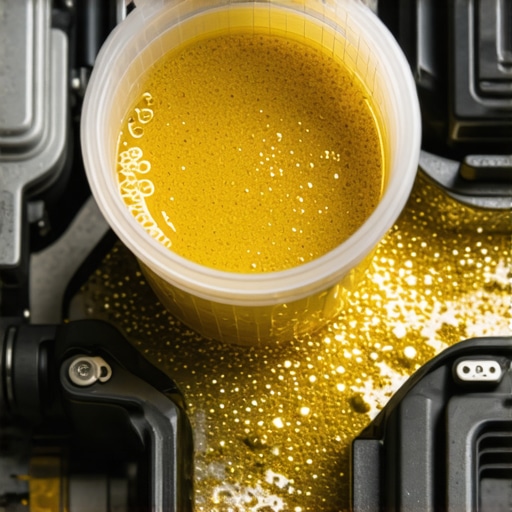
Ever opened your hood after an oil change only to be greeted by a shimmering, glittery gold swirl? At first, I thought I was dreaming. It looked like someone sprinkled tiny bits of gold dust into my engine! That moment was a revelation for me; I realized that my engine’s health was more vibrant—and more problematic—than I’d ever imagined.
The glitter in engine oil can be captivating, but it’s often a sign that your engine is shedding tiny particles of itself. This phenomenon is more common than you might think and can be an early warning sign of engine wear or contamination. Over the years, I’ve learned that understanding why your oil looks like a glittering cocktail is key to maintaining a healthy, long-lasting vehicle.
Today, I want to share with you what I’ve discovered about this sparkling mystery. We’ll explore why your engine oil takes on this shimmering appearance and, more importantly, what it truly indicates about your engine’s condition. My goal is to help you distinguish between a harmless situation and a sign that your engine needs urgent attention—so you can avoid costly repairs down the road.
But first, let’s ask a critical question: have you ever been alarmed or confused by this glittery effect during your oil changes? If so, you’re not alone, and I’m here to tell you that there’s a lot more behind those tiny specs than meets the eye.
**Why Your Oil Looks Like Glitter and What It Means**
Some early missteps I made were dismissing this shiny spectacle as just a cosmetic quirk. I ignored the warning signs, thinking it was normal for older engines to shed a little metal dust. However, I soon realized that ignoring the glitter could lead to serious engine damage. According to automotive experts, metallic particles in oil are often indicative of internal wear, especially if the particles are large or increasing over time. Regularly inspecting your oil and recognizing these signs can help catch issues before they become costly problems.
So, how do you differentiate between benign flakes and dangerous metal shavings? That’s what we’ll uncover next. Ready to delve into the real reasons behind that sparkling oil and how to keep your engine running smoothly? Let’s dive deeper into what causes this phenomenon and what every car owner should know.
Check Your Oil Consistently
Start by inspecting your engine oil every 3,000 to 5,000 miles or as recommended by your vehicle manufacturer. Use a clean rag to wipe the dipstick, then insert it back, remove again, and observe the oil level and clarity. If you notice a glittery appearance with metal flakes, it’s time to investigate further.
Use a Magnifying Glass to Examine Particles
Remove a sample of the oil and look at the particles closely with a magnifying glass. Fine, shiny specks might be harmless, but larger, metallic pieces indicate internal wear. This step reminds me of when I tried checking my oil in a poorly lit garage — using a flashlight and magnifier revealed more than I expected, alerting me to early bearing wear.
Perform a Controlled Oil Test
Collect a small amount of oil in a clear container and let it sit undisturbed for a few hours. Sediments will settle, making it easier to see if metallic particles are suspended or settled. If metallic flakes are still floating, it’s a warning sign of ongoing internal damage.
Compare with Fresh Oil Sample
If possible, compare the current oil sample with a fresh sample from a new oil bottle. The difference in appearance can help you understand whether what you’re seeing is normal or signifies deterioration. During my own check, this comparison revealed that my engine was shedding tiny particles faster than usual, prompting a visit to a mechanic.
Consider Laboratory Testing for Precision
If you’re unsure about your visual findings, send a small oil sample to a lab that offers particle testing. Advanced analysis can quantify metal content and identify specific types of metal, helping you decide if an engine flush, repair, or part replacement is necessary.
Schedule a Diagnostic Check
For definitive results, use vehicle diagnostic tools like OBD-II scanners to check for error codes indicating engine wear or component failure. Visiting a professional who specializes in automotive diagnostics ensures accurate assessment and timely intervention. For my vehicle, linking diagnostics with visual oil analysis uncovered a worn bearing, which was repaired before it caused major damage.
Implement Preventive Measures
Regular oil changes with high-quality, compatible oil formulations reduce internal metal shedding. Additionally, avoiding harsh driving conditions and sticking to scheduled maintenance prolongs engine life. Reading about advanced oil technologies at oil change innovations taught me how these advancements can help prevent premature engine wear.
Monitor and Adjust
Keep a log of your oil inspections and any visible changes. Routine monitoring allows early detection of excessive metal particles and supports prompt servicing. Remember, catching issues early can save you from costly repairs down the line, much like how regular brake inspections prevent dangerous failures, detailed at ultimate brake service guide.
Many drivers assume that a simple brake pad replacement or routine oil change suffices for vehicle safety and longevity, but real expertise reveals hidden nuances that can make or break your car’s health. A common myth is that all brake fluids are created equal; in reality, using the wrong type can cause caliper seizure or uneven braking, as highlighted in Brake Service Myths Busted. Additionally, many ignore the importance of thorough diagnostic checks, believing visual inspections are enough—yet, advanced diagnostics can uncover issues unseen to the naked eye.
One trap to avoid is neglecting the calibration of modern sensors during repairs. Today’s vehicles are equipped with multiple electronic systems that demand precise calibration post-repair; failure to do so can result in false warning lights and suboptimal safety performance. For example, misaligned wheel speed sensors can cause ABS or traction control malfunctions, which could have been prevented with proper calibration—yet, many overlook this step. As decoding vehicle diagnostics emphasizes, integrating sensor calibration into your maintenance routine is vital for accurate system functioning.
Why do so many auto repair shops overlook the advanced aspects of vehicle maintenance? Often, it’s because they focus on patchwork fixes rather than root causes—think of it like sweeping engine wear under the rug. Regularly updating your knowledge on modern repair techniques is essential; auto repair hacks can guide you to smarter, more effective maintenance strategies.
Furthermore, from oil changes to brake services, the choice of high-quality components and fluids truly impacts longevity and safety. Cheap or incorrect parts can accelerate wear and even cause catastrophic failure. A study by the Automotive Maintenance Association underscores that using OEM parts and adhering to manufacturer specifications can extend vehicle lifespan significantly.
Are you aware of the critical importance of regular, sophisticated diagnostics and the use of precise calibration tools? These advanced steps can prevent costly breakdowns, ensure driver safety, and optimize vehicle performance—yet many drivers remain uninformed.
Have you ever fallen into this trap? Let me know in the comments, and remember—being proactive with your vehicle’s maintenance means digging beneath the surface instead of just skimming the surface. Your car depends on your knowledge as much as on its parts.Maintaining your vehicle’s health over the long term requires more than just basic oil changes and brake inspections; it demands precision tools, consistent habits, and a proactive mindset. Personally, I rely on a few specific pieces of equipment that have proven invaluable in diagnosing issues early and ensuring optimal performance. For example, an OBD-II scanner like the BlueDriver Bluetooth Professional Scanner allows me to access engine codes quickly and accurately, saving time and money. Unlike generic scanners, the BlueDriver provides detailed freeze frame data and suggestions, making diagnostics straightforward even for non-professionals. This tool is particularly beneficial because it connects easily to a smartphone, giving real-time insights without the need for bulky equipment.
Lessons That Changed How I Approach Engine Care
One of the hardest lessons I learned was realizing that not all metallic particles are harmless. Ignoring the glitter made me overlook early signs of bearing wear, which almost led to a costly engine rebuild. Now, I know that catching these tiny indicators early can save thousands and extend my engine’s lifespan.
Another insight was understanding the importance of comparing fresh oil samples to current ones. This comparison helped me detect abnormal metal shedding, prompting timely repairs. It taught me to never underestimate the power of simple visual checks combined with critical observation.
Finally, I uncovered that advanced diagnostics aren’t just for mechanics—they are essential tools for proactive vehicle maintenance. Incorporating regular scans with reliable tools empowered me to identify issues before they escalate, turning maintenance from reactive to preventive. Embracing these lessons transformed my approach to car health from guesswork to informed action.
Tools and Resources That Revolutionized My Maintenance Routine
- BlueDriver Bluetooth Scanner: This device provides detailed engine codes and real-time data, making diagnostics accessible and straightforward. I trust it because it bridges the gap between professional equipment and everyday use.
- Particle Testing Labs: Sending oil samples for lab analysis offers precise insights into metal content. The confidence I gain from expert analysis exceeds visual inspection alone, resulting in more accurate decision-making.
- Vehicle Maintenance Log Apps: Tracking oil changes, inspections, and symptoms digitally helps me see patterns and plan proactive checkups. Staying organized ensures I don’t overlook subtle signs like increasing metallic particles.
Empower Your Vehicle Care — Your Engine Needs You
The journey to a healthier engine starts with awareness and proactive habits. By paying attention to your oil’s glitter and leveraging the right tools, you can prevent costly repairs and enjoy peace of mind. Remember, your car’s health is directly linked to your vigilance and willingness to learn—so get curious, stay informed, and keep that engine running smoothly. Have you ever noticed unusual signs in your engine oil that made you pause? Share your experiences below; your story might save someone from a major mishap.
,