

Imagine this: I’m halfway through a long road trip when suddenly, out of nowhere, my engine sputters, chokes, and stalls. The warning light flashes ominously. I pop the hood, and to my horror, I see water pooled around the engine bay—thanks to a flooded parking lot during a torrential downpour. That moment of panic was a real lightbulb for me; I knew I had to act fast, but full engine teardown? That’s costly, time-consuming, and, frankly, terrifying for most drivers.
Finding a Way to Save the Engine Without Starting from Scratch
After some research and a few failed attempts, I discovered that it’s possible to salvage a flooded engine without the daunting task of complete disassembly—saving your time, money, and peace of mind. This approach isn’t about just crossing your fingers and hoping for the best; it’s about applying smart, proven techniques to get your vehicle back on the road efficiently. Today, I’ll share the method that worked for me, backed by automotive expertise, to help you tackle similar situations confidently.
Want to Know If It’s Worth Trying This Fix Yourself?
Many folks worry that attempting a repair like this might do more harm than good. Early on, I made the mistake of rushing into a full teardown after small water intrusion, which only prolonged the problem. Trust me, understanding the right steps can make all the difference. According to a study published by the National Institute for Automotive Service Excellence, improperly addressing water contamination can cause extensive engine damage—so it’s crucial to know what you’re doing before you dive in.
If you’re facing a similar dilemma and wondering if you can manage it yourself or need a professional, stay tuned. We’ll cover the practical steps you can take to carefully save your engine from water damage—without pulling the entire motor apart. Ready to dive into the details? Let’s go!
,
Drain the Water and Remove Excess Moisture
First, ensure the vehicle is in a safe location with the parking brake engaged. Open the hood and remove the oil fill cap along with other accessible covers to allow water and fumes to escape. Use a dry cloth or absorbent towels to soak up water from the engine bay and around the spark plugs. This initial step is crucial because residual water can cause misfires or corrosion if left inside the engine components.
Micro-Story:
Once, after cleaning out the flooded engine bay of my old sedan, I found water pooled near the spark plug wells. I carefully extracted the water with a small vacuum pump, which prevented future misfires. It was messy but saved me from costly repairs.
Check the Oil and Replace if Necessary
Remove the oil dipstick and inspect the oil condition. Milky or excessively thin oil indicates water contamination. If water is present, drain the oil completely—this is akin to changing your engine’s blood after a severe infection. Be sure to change the oil filter as well. Using quality filters and modern synthetic oil can extend your engine’s lifespan, especially after water exposure.
Why Fresh Oil Matters
Old, water-laden oil can cause increased engine wear. Refer to this guide for advanced oil change insights that can help preserve your vehicle post-flood.
Inspect and Dry or Replace Spark Plugs
Remove spark plugs to check for water or corrosion. Dry them with compressed air or replace if wet or damaged. Water in the combustion chamber can lead to misfiring or pre-ignition, so this step is essential for reliable operation.
Note:
Ensure the ignition system is dry and free of moisture before starting the engine again.
Examine Air Intake and Filter
Remove the air filter and check for moisture or debris. Replace the filter if wet; use compressed air to dry the intake duct thoroughly. A contaminated or wet air filter can strangle your engine’s breathing, impacting performance.
Image Placeholder:
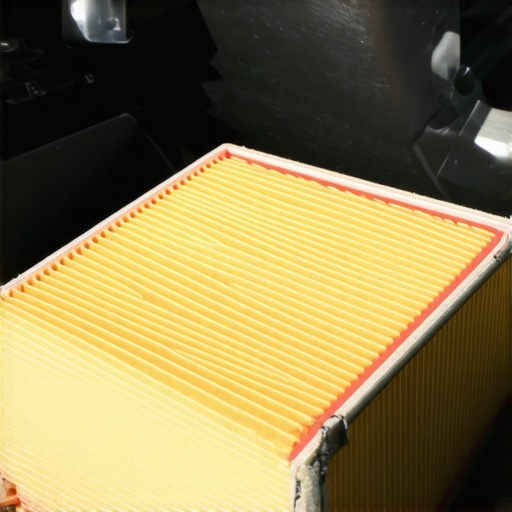
Recommended prompt: ‘Close-up of a dry and clean automotive air filter with surrounding intake duct.’
Test the Fuel System
Water in the fuel lines can cause engine hesitation or failure to start. Drain the fuel tank if contaminated. Use a fuel additive designed to absorb water and clean the fuel injectors, restoring optimal fuel combustion.
Consider Professional Diagnostics
If your engine shows signs of persistent misfire, rough idling, or lack of power, it’s wise to conduct a thorough check with advanced diagnostics tools. These tools can identify hidden issues like sensor failures or internal corrosion that aren’t visible during initial inspections. Check out this resource for easy diagnostics tips or more on advanced vehicle diagnostics.
Start the Engine with Caution
Turn the ignition on without starting the engine to circulate oil and check for any warning lights. Then, start the engine gradually, listening for abnormal sounds like knocking or squealing, which may indicate internal damage. Keep an eye on temperature gauges and check for leaks or smoke. If any issues arise, consult a professional immediately.
By following these concrete steps, you can significantly improve your chances of salvaging a flooded engine without immediately resorting to costly disassembly. Remember that patience and thorough inspection are key—water damage isn’t always visible, but its effects can linger if not diligently addressed.
,
Many car owners believe that auto repair is just about replacing parts or following standard procedures. However, there’s a complex layer of nuances that professionals are well aware of, which often go unnoticed by everyday drivers. For instance, common myths like \”changing the oil every 3,000 miles is always necessary\” overlook advancements in synthetic oils and engine technology, which can extend oil change intervals significantly, as highlighted in this detailed guide. Rushing into brake service without inspecting underlying issues can lead to unnecessary repairs—often because people think brake pads are the sole concern, neglecting components like rotors or calipers. Knowing the full scope can save you money and enhance safety. When it comes to vehicle diagnostics, many assume a check engine light always points to a specific sensor, but in reality, it might be a series of interconnected issues, which advanced diagnostics can uncover. This level of insight underscores the importance of professional evaluation, as explained in this resource.
What Advanced Techniques Elude the Average Car Owner?
One common trap is neglecting subtle signs like uneven tire wear or slight vibrations, which can indicate problems beyond immediate visible damage. Experts understand the significance of these clues and often use specialized tools, like oscilloscopes or ultrasonic leak detectors, to diagnose hidden issues accurately. For example, a slight coolant leak might not leave puddles but can cause engine overheating over time. According to automotive studies, early detection through nuanced diagnostics can prevent costly repairs and breakdowns, emphasizing the value of trained expertise. Have you ever fallen into this trap? Let me know in the comments. By understanding these subtleties—like the importance of proper brake bleeding procedures or the benefits of modern engine flushing techniques—you give yourself an upper hand in maintaining your vehicle’s longevity and safety. Don’t settle for cursory repairs; instead, harness the detailed knowledge that can make all the difference.
How do I maintain my vehicle’s performance over time?
Keeping your car in top shape isn’t just about periodic repairs; it’s about investing in the right tools and understanding advanced techniques to prevent issues before they escalate. I personally rely on a combination of professional-grade diagnostic tools and precision maintenance equipment to ensure my vehicle stays reliable for the long haul. Regularly using an OBD-II scanner like the Innova 3160g allows me to catch error codes early and address minor problems proactively, saving money and avoiding unexpected breakdowns.
Why I swear by specific diagnostic software
For deeper insights, I utilize software solutions such as AutoEnginuity which integrates with my scanner, providing detailed live data and fault code interpretations. This setup helps me diagnose issues like sensor failures or cooling system irregularities with precision. As vehicle technology evolves, so do the diagnostic requirements; staying updated with the latest software ensures I’m prepared for future challenges. Predicting trends, I believe integrated diagnostics will become even more essential as cars incorporate more complex electronic systems, emphasizing the importance of adaptable, professional tools.
Tools I recommend for DIY maintenance
An excellent digital torque wrench like the GearWrench Click Torque Wrench helps me apply perfect tension during brake pad and wheel installations, ensuring safety and longevity. For fluid changes, I prefer a fluid extractor that allows quick, spill-free oil and coolant removal—saving time during routine oil changes or radiator flushes. Using high-quality telescoping inspection mirrors and LED work lights makes inspections easier in tight engine bays, where visibility is limited.
Scaling these tools for ongoing success
As vehicle complexity increases, so does the need for scalable solutions. Investing in a comprehensive scan tool that supports extensive vehicle makes and models ensures readiness for various repair scenarios. The future of auto maintenance points towards wireless diagnostics and cloud-connected systems, enabling me to monitor vehicle health remotely or diagnose problems before they become severe. Embracing these updates will be crucial in maintaining a high standard of vehicle care and avoiding costly repairs down the line.
Maintaining your tools and knowledge base
Regular calibration of diagnostic equipment and staying current with maintenance courses or industry publications like this resource keeps my expertise sharp. Additionally, documenting common issues encountered and solutions implemented helps streamline future maintenance tasks and ensures consistent performance. Remember, the investment in quality tools and continuous education pays off by extending your vehicle’s lifespan and enhancing safety.
Ready to elevate your auto maintenance game? Start by trying out an advanced diagnostic tool and see how early issue detection can save you money and stress over time. For personalized advice or to explore which tools best fit your needs, don’t hesitate to reach out.
What I Wish I Knew Before Turning to Full Engine Overhaul
The biggest lesson I’ve learned is that rushing into a complete teardown can sometimes do more harm than good. Patience and targeted troubleshooting often save time and money, especially when dealing with water intrusion. I also realized that understanding your vehicle’s systems deepens your ability to diagnose issues early, rather than reacting to symptoms after they escalate. Finally, I discovered that maintaining a well-stocked toolkit and staying updated with diagnostic tech turns complex problems into manageable tasks, empowering you to handle water-related engine problems confidently.
A Toolbox That Keeps Me Prepared
For tackling water-damaged engines, I rely on essential tools like a high-quality OBD-II scanner, such as the Innova 3160g. A good set of insulated screwdrivers, compressed air, and quality engine oil are also critical. These tools have proven invaluable, not just for water issues but for general maintenance. Regular calibration and staying updated with industry insights through resources like auto repair insights ensure that my toolkit remains effective and reliable, allowing me to act swiftly when problems arise.
Your Journey Starts With Small Wins
Thinking about water-related engine repairs might seem daunting, but the truth is, each small step builds confidence. Embrace the learning process—every fix, no matter how minor, adds to your expertise. Remember, maintaining patience, proper diagnostics, and a proactive attitude turns challenging scenarios into opportunities for growth. The more you understand your vehicle’s nuances, the better prepared you’ll be to prevent costly repairs and extend its lifespan.
What’s the biggest auto repair challenge you’ve faced, especially involving water damage? Share your experience below and let’s learn together!
,