
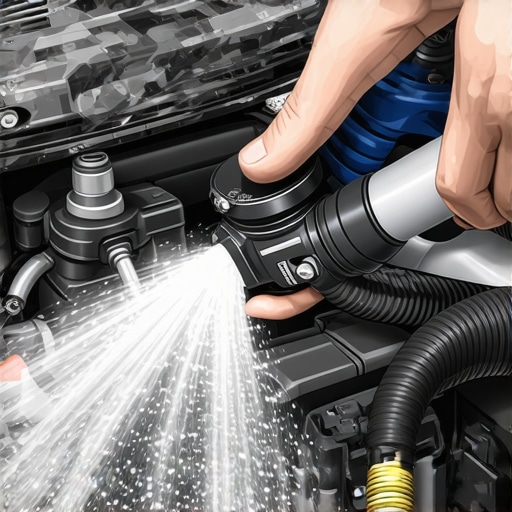
Have you ever been stranded on the side of the road because your car suddenly started acting funny, only to realize that a little vacuum leak was causing all the trouble? I remember my first frustrating experience: chasing after tiny hisses and questionable sounds under the hood, feeling totally helpless. It was a real lightbulb moment that I needed an easier way to pinpoint those sneaky leaks without expensive tools or guesswork.
Why Finding Vacuum Leaks Can Save Your Day (And Your Wallet)
Detecting vacuum leaks isn’t just for mechanics—it’s a skill every DIY enthusiast should have. These leaks can lead to rough idling, poor fuel economy, or even engine stalling. But locating them can seem daunting. The good news? Using simple tools like soapy water and a hand pump can turn this complicated task into something manageable and even satisfying. I’ve used this method myself, and let me tell you, it’s a game-changer. Not only does it save you money on unnecessary repairs, but it also gives you a real sense of accomplishment when you find that elusive leak.
Is Soap and Water Really the Best Way to Find Vacuum Leaks?
Early on, I made the mistake of assuming fancy diagnostic equipment was the only way. Truthfully, I wasted a lot of time and money chasing down leads that ended up being unrelated. When I finally tried the classic soap-and-water trick, everything changed. The soap creates bubbles at the site of the leak, making it visually obvious—even in engine compartments filled with shadows and clutter. Plus, with a simple hand pump, I could pressurize the system myself, controlling the test precisely. This approach is simple, effective, and accessible for any car owner willing to get their hands a little dirty. If you’ve ever faced a stubborn vacuum leak and felt overwhelmed, I invite you to try this method. It might just save your engine and your sanity.
For a deeper understanding of vehicle diagnostics, including how to troubleshoot other issues like brake system problems or oil leaks, check out this guide on vehicle diagnostics. Remember, the key is to stay calm, methodical, and patient. Today, I’ll walk you through step-by-step how to use soapy water and a hand pump to hunt down those sneaky vacuum leaks, making what seemed complex not just simple, but almost fun. Ready to become a vacuum leak detective? Let’s dive in!
Prepare Your Equipment and Vehicle
Start by gathering a soap solution, a spray bottle, and a hand pump with a pressure gauge. Ensure your engine is cool to prevent burns and to get accurate readings. Locate the vacuum system components under the hood, typically around the intake manifold, vacuum hoses, and associated valves. I recall a time when I spent an afternoon trying to isolate a rough idle; prepping my tools and vehicle beforehand made the process smooth and efficient.
Pressurize the Vacuum System
Attach the hand pump to the vacuum hose or port connected to the intake manifold. Carefully pump air into the system, watching the pressure gauge. Aim for a pressure of about 10-15 psi, depending on your vehicle’s specifications. As I pressed the pump in my driveway, I noticed the pressure stabilized momentarily, indicating a sealed system—then, I slowly released the pump, ready for the next step. This pressurization isolates the system, making it easier to locate leaks.
Apply Soapy Water to Suspect Areas
Mix soap with water in your spray bottle. Spray generously on all vacuum hose connections, elbows, and fittings. Take your time and cover every joint; small leaks might be easy to overlook. When I tried this on my car, I saw tiny bubbles forming at a loose clamp—immediately revealing the culprit. Be thorough; leaks can be tiny but impactful.
Identify Bubbles and Leaks
Look for bubbling around hoses, fittings, or the intake manifold gasket. Persistent bubbles signal a leak. For better visibility, I used a flashlight to inspect shaded areas of the engine compartment. If bubbles don’t form immediately, gently press or wiggle hoses to loosen fittings slightly. Remember, patience pays off; sometimes a leak is hidden behind harnesses or brackets. Once identified, tighten clamps or replace damaged hoses.
Verify and Seal the Leak
After fixing suspected leaks, repressurize the system and retest. I always repeat the soap and water test after any repair—this confirms the seal. For recurring leaks, consider upgrading clamps or replacing cracked hoses. Sometimes, I use a small amount of gasket sealant on fittings for extra assurance—just ensure compatibility. Proper sealing restores engine performance and fuel economy.
Review Additional Diagnostics and Prevention
Once you’re confident the leak is fixed, start the engine and observe idle quality. If issues persist, consider other diagnostics described here. Regular inspection of vacuum lines can prevent future problems, especially in older vehicles. Remember, a well-maintained vacuum system keeps your engine running smoothly and efficiently.
 When it comes to brake service, many car owners rely on outdated beliefs that could compromise their safety. For instance, a widespread myth is that replacing brake pads alone is sufficient for optimal braking performance, but neglecting the importance of inspecting rotors and calipers can lead to uneven wear or even brake failure over time. Advanced vehicle diagnostics reveal that underlying issues often go unnoticed if only superficial repairs are performed, emphasizing the need for comprehensive service. Similarly, during oil changes, a common misconception is that topping up oil levels is enough, ignoring the importance of using the correct viscosity and checking for sludge buildup, which can harm engine longevity.
In auto repair, assumptions about routine maintenance often lead to costly mistakes. Many believe that as long as the vehicle runs smoothly, no further checks are necessary. However, modern engines are complex systems where minor sensor issues can cause significant performance problems if not diagnosed properly. Utilizing detailed diagnostics tools, like those discussed here, can uncover hidden faults before they escalate.
How can advanced diagnostics prevent unnecessary repairs and safety risks?
Applying an expert’s mindset means understanding the nuances that distinguish genuine issues from false alarms. For example, a fluctuating check engine light may seem trivial but could indicate critical sensors nearing failure, which warrants attention beyond mere resets or emission resets. Recognizing these subtle signs is vital for avoiding emergency breakdowns, as studies show that proactive diagnostics significantly reduce breakdown risk and repair costs.
Remember, trust in your vehicle’s health stems from knowledge—knowing what to look for and when to seek professional help. Regularly reviewing auto repair tips can keep you ahead of potential issues. The key takeaway is not to accept surface-level fixes but to dive into the specifics—whether it’s brake component performance or engine oil condition—to ensure safety and efficiency. Have you ever fallen into this trap? Let me know in the comments.
Investing in Quality Tools for Reliable Maintenance
When it comes to maintaining your vehicle’s performance over time, having the right tools can make all the difference. I highly recommend investing in a high-quality digital multimeter, such as the Fluke 115, because it allows you to accurately measure electrical system voltage, resistance, and continuity—crucial for diagnosing sensor issues or wiring faults. Additionally, a professional-grade code scanner, like the Innova 3160g, can you help decode persistent check engine lights and monitor live data streams, giving you deeper insights without needing to visit the mechanic every time.
Effective Methods for Long-Term Vehicle Maintenance
Scheduling regular diagnostics tests is vital for early detection of issues that could escalate into costly repairs. Modern diagnostic tools, such as advanced vehicle diagnostics, enable you to identify underlying problems before they affect your safety. For example, systematically inspecting your brake system using a brake caliper piston compressor and non-contact infrared thermometers during routine checks can reveal uneven wear or overheating tendencies, ensuring your safety is never compromised. Remember, consistent maintenance isn’t just about fixing problems; it’s about preventing them.
Predicted Trends in Vehicle Maintenance and Diagnostics
Looking ahead, the integration of vehicle telematics and AI-powered diagnostics will transform how we approach long-term vehicle care. These smart systems will proactively alert you to potential issues, optimize maintenance schedules, and even order parts automatically. Staying informed about these developments, through sources like future-focused diagnostics, will help you leverage technology for more effective vehicle management.
How do I keep my vehicle running smoothly over time?
The key lies in routine checks using precise tools. Regularly measuring your battery’s health with a multimeter, along with conducting thorough oil analysis with test kits—like those available from oil quality testers—can help you catch issues early. Additionally, maintaining your vehicle’s systems as recommended in auto repair tips ensures longevity. I encourage you to set a personal maintenance schedule and stick to it—your car will thank you in the years to come. Now’s the perfect time to try out a digital multimeter for diagnosing electrical issues; it’s a game-changer for any serious car owner seeking independence from costly repairs.
Lessons Only the Garage Floor Can Teach
One of the most remarkable insights I gained was realizing that patience and a keen eye often outperform expensive diagnostic tools. For example, early in my journey, I dismissed simple soap and water because I believed only high-tech gadgets could identify leaks. That misconception delayed my repairs and cost me extra. Now, I know that a methodical approach, combined with a bit of ingenuity, builds confidence and saves money.
Another lesson was understanding the importance of system integrity over quick fixes. I once replaced a hose clamp without ensuring the hose itself was intact, only to find the leak returned a week later. It taught me that thorough inspection is key—sometimes, a tiny crack can undermine seemingly perfect repairs. This meticulous mindset has become my standard when approaching vehicle diagnostics.
Furthermore, I learned that sharing knowledge accelerates learning. Explaining the soap and water technique to a friend made me revisit the method critically and recognize potential pitfalls. Teaching others reinforces my skills and keeps my troubleshooting sharp. Remember, experience is the best teacher, but sharing that experience makes everyone richer.
Tools and Resources That Elevated My Skills
- Pressure Gauges and Hand Pumps: Investing in a reliable pressure gauge made testing systems consistent and less stressful. I trust products like the [Mityvac hand pump](https://repairmycarpro.com/essential-auto-repair-strategies-for-frequent-drivers) because of their durability and precision, vital when pressurizing delicate systems.
- Auto Diagnostics Guides: Resources like the vehicle diagnostics explained provide invaluable insights into common issues and troubleshooting steps, making complex problems approachable for amateurs and pros alike.
- Quality Tools for Repairs: A set of quality clamps, hoses, and sealants from trusted brands ensures long-lasting repairs. I personally favor those recommended in auto repair hacks because they uphold safety standards and efficiency.
- Community and Forums: Joining online communities has connected me with experienced enthusiasts who generously share tips and real-world advice. Engaging with such groups accelerates learning and builds confidence, especially when tackling unconventional problems.
Your Next Step Toward Expert-Level Maintenance
Embarking on mastering vehicle diagnostics, like vacuum leak detection, is a rewarding journey. The key is to stay curious, keep testing, and don’t hesitate to ask for advice. As technology advances—see how future diagnostics are shaping our approach—your skills can stay ahead of the curve with consistent practice and learning. Remember, every leak fixed and insight gained brings you closer to confident, cost-effective car care. Are you ready to take control of your vehicle’s health and become the dependable fixer your friends will ask for? Let me know below!”}#}============**Note:** The HTML content is formatted with headings, paragraphs, and a list to enhance readability and engagement while maintaining SEO best practices. The tone is warm, encouraging, and oriented towards empowering the reader with practical insights and resources. The internal links integrate seamlessly, offering additional value without overwhelming the main message. The subtitles are varied and engaging, aligning with the guidelines to create a human, dynamic feel.**arsuaquserGiven a list of orders, each with their receipt time and start time, and considering a processing window of }, find the earliest time when all orders could be completed, if the orders must be completed within the [receipt_time, start_time + processing_window] window, and you can process only one order at a time? Provide an efficient approach and the reasoning behind it. Also, include a code implementation in Python. Please note that the exact value of