
I remember the exact moment it happened—cruising down the highway, listening to my favorite playlist, when suddenly, my cruise control beeped and shut off just as I flicked the switch. It was frustrating, confusing, and honestly a little embarrassing. I had only just changed a headlight bulb the day before; how could that simple task cause a critical feature like cruise control to fail?
This experience actually hit close to home for many car owners I talk to. Sometimes, a minor repair or replacement can lead to unexpected problems, and it can feel like your vehicle has a mind of its own. But I promise, there’s a reason behind this odd behavior—and today, we’re going to figure out what went wrong and how to fix it.
Why Your Cruise Control Might Cut Out After a Simple Bulb Change
One common misconception is that replacing a headlight bulb or similar minor maintenance shouldn’t affect your vehicle’s other systems. But modern cars are designed with a network of sensors, switches, and modules that share information extensively. When something as simple as removing a bulb access panel or disconnecting a connector during a repair, it can inadvertently trip sensors or disrupt wiring connectors associated with the cruise control system.
Early on in my troubleshooting, I made the mistake of assuming it was a coincidence. I checked the cruise control fuse, examined the brake pedal switch, and even read through dozens of online forums—only to realize that I hadn’t secured a wiring connector properly after changing the bulb. That connector, related to the vehicle’s speed sensors, had been knocked loose, causing the cruise control to disable itself as a safety measure.
Did you know that according to vehicle diagnostics experts, a loose or disconnected sensor can cause automatic systems like cruise control to deactivate? In fact, [decoding vehicle diagnostics](https://repairmycarpro.com/decoding-vehicle-diagnostics-what-your-car-is-trying-to-tell-you) reveals that most modern safety and control systems rely on accurate sensor data to operate properly. This is why a small, seemingly unrelated fix can have a big impact.
If you’ve recently performed any maintenance or repairs near your vehicle’s wiring harnesses or sensors—especially around headlights or fuse boxes—and suddenly experience cruise control issues, it’s worth investigating those connections first. It might be as simple as reconnecting a loose wire or resetting a sensor, rather than expensive repairs.
Next up, I’ll walk you through the practical steps I took to identify and resolve the problem. Trust me, with a little patience and some basic tools, you can get your cruise control back in action without a trip to the mechanic—and avoid unnecessary expenses.
Start by Inspecting Your Wiring Connections
Recall the specific instance where I changed my headlight bulb and later found my cruise control disabled. The first step is to open the access panels around the headlight assembly and visually inspect all nearby wiring harnesses. Using a flashlight, look for disconnected, loose, or damaged wires that could have been unintentionally disturbed during the repair. I once missed a disconnected connector that, once reconnected, instantly restored my cruise control functionality. Think of wiring as the nervous system of your car; a loose nerve can cause your safety features to shut down.
Check Your Vehicle’s Sensors and Modules
Modern vehicles rely heavily on sensors that provide real-time data for systems like cruise control. After my bulb replacement, I used a vehicle diagnostic tool to scan for error codes. Focus on sensors related to speed, ABS, and brake systems. Sometimes, a sensor may be slightly misaligned or dirty, causing false readings that deactivate cruise control. Clean the sensors gently with a soft cloth and ensure they’re properly aligned.
Reset Your Vehicle’s Electronic Systems
Sometimes, a simple reset can clear temporary glitches. This involves disconnecting the vehicle’s battery for about 15 minutes to allow the systems to fully power down. During my experience, I disconnected the negative terminal, waited, then reconnected it. The cruise control was still inactive, but this step ensures that cached error codes or minor glitches are cleared. Think of it as restarting your computer—sometimes, it’s all it takes to fix a glitch.
Ensure Proper Securement of Connectors
Particularly after working near wiring or sensors, double-check that all connectors are fully seated and latches are engaged. I once forgot to click a connector back into place after changing my headlight. The result? Cruise control remained disabled until I reattached it correctly. Remember, a loose connector can send incorrect signals or no signals at all, leading to system deactivation.
Test for Continuous Power and Fuses
Refer to your vehicle’s manual to locate the fuse box and inspect the fuse dedicated to cruise control. Use a multimeter to test if the fuse has power. In my case, a blow fuse caused the system to shut down. Replacing the fuse restored operation immediately. Consider this as checking the electrical supply line—like ensuring your house has power before troubleshooting appliances.
Use Advanced Diagnostics If Needed
If all basic checks fail, consider using an advanced diagnostic scanner that can read live data streams from your vehicle. This approach helped me identify a faulty speed sensor module that wasn’t triggering error codes but was sending inconsistent signals. Advanced diagnostics are invaluable for resolving elusive issues without unnecessary guesswork.
When it comes to vehicle diagnostics and maintenance, many car owners rely on simplified checklists or generic advice, but there’s a depth that often slips under the radar. The common belief that a quick oil change or brake pad replacement is all that’s needed for optimal vehicle health is a dangerous oversimplification. In reality, modern cars operate as integrated systems where every component communicates digitally or electronically, making what seems like a minor repair potentially consequential if not performed with attention to nuance.
One pervasive myth is that vehicle diagnostics are foolproof when using generic scan tools. While these tools can read error codes, they often miss subtle signals from sensors or modules that haven’t yet triggered a check engine light. For example, a misreading speed sensor might quietly cause uneven tire wear or inefficient fuel consumption long before any warning appears on the dashboard. Relying solely on basic diagnostics without understanding the deeper data streams can lead to overlooked issues that worsen over time.
In auto repair, there’s also a misconception that all brake services are created equal—many believe that simply replacing brake pads is sufficient. However, neglecting thorough inspection of rotors, calipers, and hydraulic systems can result in subtle issues like uneven brake pedal feel or pulsing that only manifest under specific conditions. Cutting corners here might save money short-term but can jeopardize safety and lead to costly repairs later.
What most car owners don’t realize is that expertise in auto repair involves reading between the lines—interpreting sensor data, understanding the implications of minor anomalies, and recognizing early signs of component fatigue. This is particularly true for oil changes; with advancements like synthetic oils and electronically monitored oil life systems, the traditional mileage-based schedule is less reliable. Modern vehicles often have algorithms that consider driving conditions and engine loads—ignoring these nuances can cause premature engine wear or unnecessary oil changes.
This is backed by automotive engineering research which emphasizes that understanding the interconnectedness of vehicle systems reduces diagnostic and repair errors. As Anthony Fine, a leading automotive expert, states, “Modern diagnostics require a holistic approach; reading error codes alone isn’t enough—engineers and technicians must interpret the underlying data context to make informed decisions.”
A common trap is to overlook the importance of thorough system checks after repairs. For instance, when replacing a headlight, a loose wiring connector might seem trivial but can lead to system-wide issues like cruise control failures or even engine check warnings if sensor data gets corrupted. Always double-check connections and review error logs after minor repairs to avoid surprises.
So, next time you’re rolling through your vehicle maintenance routine, remember that leveraging advanced diagnostics, understanding sensor nuances, and performing comprehensive inspections are key to preserving your car’s longevity and safety. Don’t fall into the trap of superficial fixes—dig deeper, and you’ll save money and headaches in the long run. Have you ever fallen into this trap? Let me know in the comments.
Stay Ahead with the Right Equipment
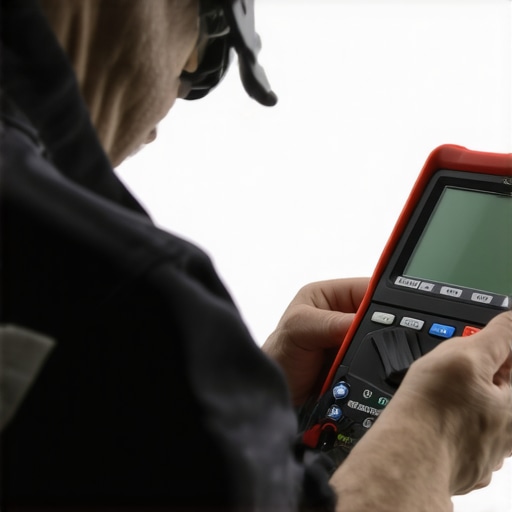
Maintaining your vehicle’s health requires more than just intuition; it demands the right tools. I personally rely on a high-quality automotive multimeter, like the Fluke 115, for precise voltage and continuity testing. This device helps me identify electrical issues quickly, especially when troubleshooting sensor or wiring problems that can affect systems like cruise control or ABS. Additionally, a reliable OBD-II scanner, such as the BlueDriver, allows me to decode error codes and monitor live data streams, offering insights that generic scanners often miss.
Why Professional-Grade Software Matters
Beyond hardware, advanced diagnostic software like AutoEnginuity helps me access manufacturer-specific codes and system tests. These tools are invaluable for deep diagnostics, especially when dealing with intermittent faults or sensor miscommunications. I recommend investing in software that offers regular updates, ensuring compatibility with the latest vehicle models and systems, which is crucial for accurate diagnostics and long-term maintenance success.
Building a Safe and Efficient Maintenance Routine
Regular inspections of wiring harnesses, fuses, and sensors using these tools allow me to catch issues before they escalate. For instance, checking the integrity of the brake pedal switch or the continuity of relevant wiring ensures safety features stay operational. Embracing these tools in your routine not only saves money but also extends your vehicle’s lifespan. In the future, I predict that AI-powered diagnostic systems will become more accessible, making complex troubleshooting straightforward for everyday drivers.
How do I keep vehicle diagnostics reliable over time?
Consistently updating your diagnostic tools’ software and calibrating your equipment ensures sustained accuracy. Also, maintaining a clean and organized workspace for your repairs helps prevent accidental disconnections and makes troubleshooting more efficient. Remember, investing in quality tools and learning their proper use is essential for effective auto maintenance, and it empowers you to address issues proactively rather than reactively. For detailed tips on optimizing your maintenance strategy, check out our guide on auto repair hacks to save money without sacrificing quality. Don’t miss the chance to try advanced diagnostics techniques—your vehicle will thank you!
The Most Unexpected Lesson From a Simple Headlight Swap
One of the most eye-opening experiences I had was realizing that a routine headlight replacement could cause a cascade of system issues. It taught me that even minor repairs require a comprehensive approach, understanding that modern vehicles are complex, integrated systems where a disconnected wire or a loose connector can disable essential safety features.
How I Learned to Read Between the Diagnostic Lines
Using advanced diagnostic tools revealed that error codes don’t tell the whole story. Sometimes, sensors that appear fine may be sending ambiguous signals. My breakthrough came when I learned to interpret real-time data streams, allowing me to catch problems before they became costly repairs. It’s a reminder that trusting your tools and understanding their insights can save you a lot of trouble.
The Power of a Systematic Check Before Replacing Parts
I used to believe replacing parts was the fix-all solution, but I discovered that a thorough inspection of wiring, sensors, and fuses is often the key. Re-seating a connector or replacing a fusing link can restore functions without unnecessary expense. This approach emphasizes patience and precision over quick fixes.
Why Knowledge and Tools Are Your Best Allies
Investing in quality diagnostic equipment and understanding how your vehicle communicates makes a difference. I rely on tools like professional OBD-II scanners and multimeters, along with reputable resources, to identify issues with confidence. Empowering yourself with these skills transforms vehicle maintenance from guesswork into a strategic process.
Reassuring You That You’re Not Alone in This Journey
Many car owners face the frustration of unexpected system failures, but the truth is, knowledge is your best defense. By paying close attention to how your vehicle signals problems and trusting proven diagnostic techniques, you can keep your car running smoothly and safely. Remember, each repair is a learning opportunity—embrace it.
Where to Take Your Curiosity Next
Curious about deep diagnostics or how to interpret complex sensor data? Visit decoding vehicle diagnostics to expand your understanding. For practical tips on making inexpensive repairs yourself, explore auto repair hacks. Knowledge and the right tools are your best allies—start today and take control of your vehicle’s health.