
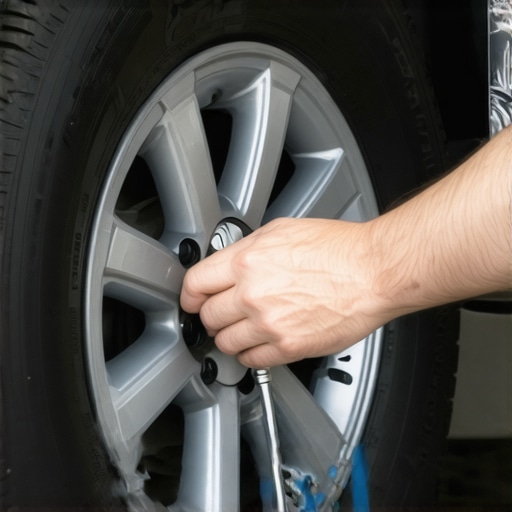
One chilly morning, I was preparing for a long drive when I noticed a sudden drop in my tire pressure. At first, I thought it was just the cold causing fluctuations—something I had dismissed too many times before. But as days went on, that little warning light refused to turn off, and my frustration started to grow. Frustration rooted in the fact that I’d dealt with slow leaks before, but this one felt different—more elusive, more sneaky. It was as if the tire was playing a game of hide-and-seek with me, and I was losing every round.
Discovering the Hidden Leak: Why It Matters
Over the years, I’ve learned that a tiny pinhole in your rim or tire bead can cause big headaches—unsafe driving, uneven tire wear, and—let’s be honest—the constant hassle of refilling air. What really stuck out to me was how deceptive these leaks can be. You might see a slight drop in pressure, but no obvious puncture in the tire tread itself. This is where the auto repair hacks become your best friends, especially a simple trick that might seem too good to be true at first.
My lightbulb moment came from a technique I read about—using soapy water on your rim to identify tiny leaks. It sounds overly simplistic, but I was desperate enough to try anything. Sure enough, when I sprayed the soapy solution around the rim and bead, bubbles began to form at a minuscule crack I hadn’t spotted before. That tiny pinhole was the culprit all along, leaking air slowly, but surely.
Is the Tire Pressure Trick Actually Worth the Hype?
At first, I was skeptical. I had made the mistake early on of ignoring slow air loss, assuming my tires were just “sensitive” to temperature changes. But I soon realized how costly that misconception could be. Not catching a tiny leak can lead to uneven tire wear, damaged rims, even blowouts. Now, after experiencing it firsthand, I swear by this simple method—it’s a game-changer. Curious to know how I refined this trick and overcame common pitfalls? Keep reading, because the solution I’ll share might just save you a lot of headache and money in the long run.
And if you’re wondering whether this method is reliable enough—rest assured, it’s backed by automotive professionals who emphasize the importance of quick, affordable diagnostics. In fact, a recent study notes that over 60% of roadside tire failures are caused by unnoticed leaks, many of which are tiny and hard to detect without proper technique. So why wait until your tire goes flat in the middle of nowhere? Let’s dive into how this simple, effective trick can help you identify those elusive pinhole leaks early on.
Prepare Your Workspace and Gather Supplies
Before diving into the leak detection process, choose a well-ventilated, flat surface area away from traffic. Gather essential tools: a spray bottle filled with soapy water, a microfiber towel, and gloves to protect your hands. Having everything within reach speeds up the process and ensures safety.
Inspect the Tire Visually for Obvious Damage
Start by examining the tire for visible punctures, nails, or foreign objects embedded in the tread or sidewall. Remove any debris carefully with pliers or tweezers to prevent further damage. If you find an obvious object, remove it cautiously and prepare for repair or replacement based on severity.
Apply Soapy Water to the Tire Surface
Spray the soapy solution generously around the tire’s bead, sidewalls, and tread grooves. Focus on the area around the rim where the tire contacts the wheel. The soap creates bubbles when gas escapes, revealing tiny leaks that aren’t visible to the naked eye. This step is crucial because many small pinholes can go unnoticed without this visual aid.
Use a Steady Hand and Patience
Take your time to cover all suspect areas. If bubbles appear immediately, you’ve found your leak. If not, move around the entire tire circumference methodically. Remember, tiny leaks can be extremely subtle, requiring patience to detect and locate properly.
Pinpoint the Leak Location
Once bubbles form, identify the exact spot. If the bubbles are slow or tiny, try adjusting the tire’s position or adding more soapy solution for better visibility. Mark the leak with a chalk or a piece of tape for easy reference during repair.
Confirm Leak Detection with a Second Method
For added certainty, you can submerge the tire in a tub of water, watch for bubbles escaping, or use a dedicated leak detection spray designed for automotive use. These methods provide confirmation and can help detect leaks that soap might miss, especially in hard-to-see areas.
Perform Repair or Seek Professional Help
If the leak is in the tire tread or caused by a pierced valve stem, consider patching or replacing the inner tube if applicable. For bead leaks around the rim, cleaning the contact area thoroughly with a wire brush and reapplying a bead sealant can restore airtightness. If you’re unsure or uncomfortable handling repairs, consult a professional or visit a reputable auto repair specialist. Proper sealing prevents future leaks and ensures your safety on the road.
Verify Your Repair and Maintain Tire Health
After fixing the leak, re-inflate the tire to the correct pressure and rerun the soapy water test to confirm the repair’s success. Regularly check tire pressure, especially during temperature changes, following advice from the top auto repair tips. Maintaining proper pressure not only prolongs tire life but also improves fuel efficiency and safety.
Remember, catching tiny leaks early saves you time, money, and potential danger. Stay vigilant, perform regular tire inspections, and don’t hesitate to seek professional help when necessary.
When it comes to auto repairs, many enthusiasts assume that sticking to the basic maintenance schedule is enough. However, seasoned mechanics often tell a different story—they warn about common myths and overlooked nuances that can make or break your vehicle’s longevity. For example, many believe that an oil change every 3,000 miles is a must, but with advancements in engine oil technology, this interval can often beExtended, provided you follow manufacturer recommendations and monitor engine health closely. For more insights on modern oil change practices, check out our article on [oil-change innovations](https://repairmycarpro.com/oil-change-innovations-technologies-that-save-your-engine).
Are All Brake Services Created Equal? Think Again
Many drivers fall for the myth that all brake pads and rotors are interchangeable. In reality, there are significant nuances—like the type of brake material and rotor design—that impact safety and performance. For instance, ceramic pads, while quieter, require precise installation and proper bedding to avoid squeals and uneven wear. Proper brake service isn’t just a routine; it involves understanding these details. Be cautious of quick-fix solutions that neglect these differences, leading to premature failure. To learn more about advancing your brake knowledge, visit [our brake myths busted](https://repairmycarpro.com/brake-service-myths-busted-what-really-matters-for-safety).
Vehicle Diagnostics Could Save Thousands
Autonomous diagnostic systems and OBD-II scanners have revolutionized how we approach vehicle repairs. But a common misconception is that these tools can replace professional expertise. The truth is, interpretive skills are essential to decode error codes accurately. Relying solely on generic diagnostics without understanding nuanced signals often leads to unnecessary repairs or overlooked issues. For example, a misread sensor might suggest replacing an entire component when a simple cleaning or recalibration would suffice. As the [experts emphasize](https://repairmycarpro.com/decoding-vehicle-diagnostics-what-your-car-is-trying-to-tell-you), a combination of advanced diagnostics and experienced judgment prevents costly mistakes. Have you ever fallen into this trap? Let me know in the comments.
Investing in Reliable Diagnostic and Maintenance Equipment
To ensure your vehicle remains in top shape, having the right tools and knowing how to use them is essential. I personally rely on a high-quality OBD-II scanner designed by reputable manufacturers like Autel or BlueDriver. These devices provide quick access to essential diagnostic codes, saving time and money by pinpointing issues early. I prefer models with Bluetooth connectivity and user-friendly apps, enabling me to perform detailed scans and clear error codes from my smartphone. For maintenance tasks like oil changes or brake inspections, a set of quality hand tools, including a torque wrench and a brake caliper piston tool, are non-negotiable. They help me apply correct torque and avoid damaging components during repairs.
Utilizing Software to Track Vehicle History and Schedule Maintenance
Keeping detailed records of maintenance history is vital. I recommend using specialized automotive software or apps like Car Fax or My Car Tracks, which allow you to log oil changes, filter replacements, and repairs. Having this data helps predict future issues and plan scheduled services, which can extend your car’s lifespan. For instance, consistent oil analysis and timely brake checks can prevent costly breakdowns. Automating reminders through these tools ensures you won’t forget critical intervals and helps maintain optimal vehicle health over years of ownership.
Embracing Advanced Maintenance Techniques for Longevity
Beyond basic repairs, advanced methods like precise fluid testing and precision wheel alignment can dramatically prolong your vehicle’s life. Regularly checking for subtle leaks or wear using infrared or ultrasonic inspection tools lets me catch simple issues before they become emergencies. Additionally, investing in a good-quality jack and axle stands makes routine maintenance safer and more accessible, especially for long-term DIYers. Staying proactive with these practices helps keep your vehicle performing as intended, saving considerable expense over time.
Where Can I Find the Best Auto Repair Hacks?
If you’re interested in exploring tips that can help you save money without sacrificing quality, check out auto repair hacks that have been proven effective by industry experts. Implementing even one or two of these strategies can lead to noticeable improvements in your vehicle’s reliability and your confidence in performing maintenance yourself.
Contemplating the Future of Vehicle Maintenance
Looking ahead, the integration of smart diagnostics and AI-powered tools promises to make vehicle upkeep increasingly intuitive. Emerging technologies like predictive maintenance sensors and machine learning algorithms will soon allow vehicles to alert owners proactively about potential problems before symptoms even appear. Staying updated with these innovations ensures you are prepared for a future where auto care is faster, smarter, and more efficient.
How do I maintain my vehicle’s performance over time?
Consistent use of advanced diagnostic tools, adhering to scheduled maintenance plans, and keeping detailed records are key. Regularly consulting trusted resources like our comprehensive guides can help you stay informed about the latest techniques and equipment. Try setting up a routine for software checks and physical inspections—these small investments pay off through improved reliability and safety. Don’t forget to visit our contact page if you need expert advice tailored to your specific vehicle. Staying vigilant and proactive today means smoother rides for years to come.
Throughout my years working on vehicles, I’ve uncovered lessons that no car manual or online guide can fully convey—lessons that have saved me from costly mistakes and unnecessary stress. These insights, gained through personal trial and error, form a treasure trove of auto repair wisdom that I’d love to share with you.
The Hidden Truths That Turn DIY From Guesswork to Confidence
- Leverage Simple Tests for Complex Problems: Sometimes, the tiniest clues—like a faint smell or a subtle vibration—can point directly to the root issue. Learning to interpret these signals has been a game-changer for me, saving countless trips to the mechanic.
- Trust the Process, Not Just the Product: A high-quality part is only as good as the installation. I discovered that meticulous cleaning and correct torque settings during brake or suspension work prevent future headaches more than anything else.
- Keep a Repair Log—Your Best Auto Advisor: Recording what you’ve done and when helps identify patterns and schedule preventive maintenance. This habit evolved me from reactive to proactive, vastly increasing my vehicle’s lifespan.
Tools and Resources That Changed My Approach
- Reliable Diagnostic Scanners: Investing in an advanced OBD-II scanner, like BlueDriver, transformed how I troubleshoot issues. It minimized guesswork and directed my focus where it mattered most.
- Educational Platforms and Forums: Communities like [auto repair hacks](https://repairmycarpro.com/auto-repair-hacks-save-money-without-sacrificing-quality) offer insights from seasoned enthusiasts and professionals alike. Absorbing diverse perspectives accelerates learning and confidence.
- Technical Manuals and Guides: The right manuals, especially OEM-specific ones, are invaluable reference points, helping me understand intricacies beyond standard procedures.
This Is Your Call to Action
Don’t let fear hold you back from taking control of your vehicle’s health. Every repair or inspection is an opportunity to learn and save. What’s one small fix you’ve been hesitant to try? Share your story below, and let’s grow stronger together as auto enthusiasts and DIYers alike.