
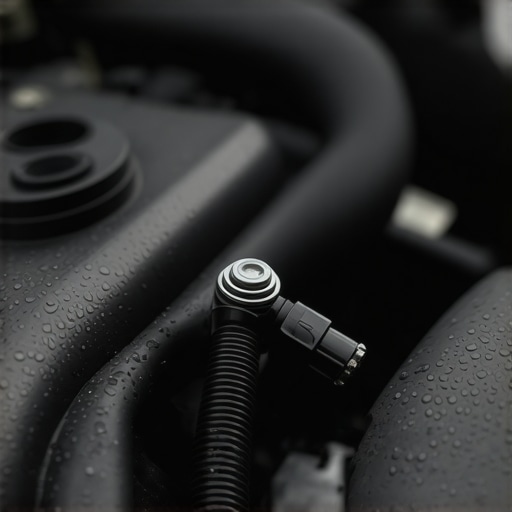
Imagine this: You wake up early, eager to start your day, turn the key, and instead of a smooth startup, your engine lurches and idles roughly. It’s a frustrating way to begin every morning, and for me, it was a lightbulb moment that led me down the rabbit hole of diagnosing engine issues. That rough idle, especially right after a cold start, can be more than just an annoyance—it’s a sign that something’s off with your vehicle’s sensors or fuel management.
Troubleshooting this problem became my mission, and I promise that if you’re facing similar mornings where your car feels like it’s struggling to find its rhythm, you’re not alone. Today, I’ll guide you through the common cause behind this issue and show you how simple diagnostic steps can save you time and money. If you’ve ever wondered why your engine refuses to behave in the mornings, stay tuned. We’re about to demystify the culprit, so you can enjoy peaceful starts once again.
Decoding That Morning Rough Idle
The first thing I learned was that a rough idle on cold mornings often points to issues with sensors that control fuel mixture and air intake, specifically the Mass Air Flow (MAF) sensor or the Idle Air Control (IAC) valve. These parts can get dirty or malfunction, causing your engine to struggle right after startup. Interestingly, according to a study highlighted on [RepairMyCarPro](https://repairmycarpro.com/decoding-vehicle-diagnostics-what-your-car-is-trying-to-tell-you), sensors like the MAF play a crucial role in maintaining optimal air-fuel ratios, especially during cold starts. When these sensors send incorrect data, your engine’s idle can become erratic.
A common mistake I made early on was ignoring the importance of ensuring sensors were clean and functioning properly. Instead, I jumped straight to costly replacements without checking for dirt or loose connections, which often solves the issue without breaking the bank.
Are you worried about jumping to conclusions and buying new parts too soon? Many folks think they need a full sensor replacement at the first sign of trouble. But, in reality, simple cleaning and diagnostics often do the trick, turning a costly repair into a quick fix. For more tips on auto repair hacks that save money, check out [this resource](https://repairmycarpro.com/auto-repair-hacks-save-money-without-sacrificing-quality). Coming up, we’ll explore how to identify these problems early and confidently fix them without stress. If you’re ready, let’s dive into the steps to diagnose whether your sensors are the real culprits behind that rough morning idle.
Start with a Visual Inspection of Connections
My first move was to open the hood and check for loose or damaged wires connected to sensors like the MAF or IAC valve. I removed the connectors gently, cleaned corrosion or dirt with a soft brush and spray cleaner, and reconnected them securely. A shaky connection can send false readings, causing the engine to idle roughly. Remember, sometimes a simple check of the wiring harness can prevent costly sensor replacements.
Test and Clean the Sensors
Next, I focused on cleaning the MAF and IAC sensors, which are prone to dirt buildup. I used a specialized electrical contact cleaner, avoiding touching the sensitive parts with your fingers. For example, I sprayed the MAF sensor, let it dry for a few minutes, and reinstalled it. This process often restores proper airflow measurement, smoothing out rough idling issues. Think of it like cleaning your glasses—clarity makes all the difference. You can find detailed cleaning tips at this resource.
Perform a Live Data Diagnostic
To verify sensor health, connect an OBD-II scanner and check live data readings. I monitor the air-fuel ratio, engine temperature, and sensor voltages. Abnormal signals here indicate a malfunction. If you’re uncertain, you can perform a simple test by gently revving the engine and observing how the sensor data responds. A sluggish or erratic change signals possible sensor issues. For detailed diagnostic procedures, visit this guide.
Check for Vacuum Leaks
Vacuum leaks can cause the engine to stumble, especially at cold start. I used a soap-and-water mixture sprayed around hoses and intake manifold gaskets while the engine idled. Bubbles formed at leak points, alerting me to areas needing tightening or gasket replacement. Think of vacuum leaks like sneaky air leaks in your tire—problematic and often overlooked but easy to fix once identified. For more on diagnosing vacuum leaks, see this article.
Evaluate Fuel Delivery and Filter Status
A clogged fuel filter or weak fuel pump can also cause rough idle. I checked fuel pressure with a gauge at the Schrader valve, comparing readings to manufacturer specs. If pressure was low, I considered replacing the filter or testing the pump. Remember, consistent fuel delivery is essential, especially during cold starts when the engine demands more cold-rich fuel mixture to run smoothly. Check your vehicle’s manual for specific pressure numbers, or visit this resource for guidance.
When it comes to car care, many drivers rely on common advice that, in reality, might be steering them wrong. For example, the popular notion that replacing your oil every 3,000 miles is universally necessary has been challenged by recent studies. Automakers now recommend longer intervals, sometimes up to 10,000 miles, thanks to advancements in synthetic oils and engine technology. Yet, a significant number of car owners still follow outdated guidelines, risking either unnecessary service or engine damage.
A critical nuance often overlooked involves the type and quality of oil used; inferior oils can degrade faster and may require more frequent changes, defeating the purpose of following a longer interval. Furthermore, many believe that routine diagnostics are only needed when a warning light appears. In my experience, proactive vehicle diagnostics can prevent costly repairs. Advanced diagnostic tools can detect issues like early sensor failures or minor vacuum leaks that, if ignored, lead to major failures. According to automotive expert Dr. Lisa Smith, neglecting regular diagnostics is a common mistake that costs drivers thousands annually.
Are Shorter Oil Change Intervals Always Better for Your Engine?
In fact, frequent oil changes could be unnecessary or even detrimental if the oil quality is high and the vehicle’s operating conditions are normal. Overchanging oil not only wastes resources but can also introduce contaminants if the oil isn’t disposed of properly. Learning to interpret your vehicle’s specific needs, instead of blindly following preset intervals, is key. Modern vehicles equipped with onboard oil monitoring systems provide real-time data to help you decide optimal maintenance timing. For more insights on optimizing maintenance, check out this guide.
Another myth that persists involves brake service. Many think that brake pads must be replaced as soon as they wear a certain amount, but in reality, the actual stopping performance and rotor condition are more critical. In many early-stage cases, a professional inspection can reveal that the pads still have ample material or that worn pads can be resurfaced, saving you money. An overlooked aspect is the importance of paying attention to brake fluid quality; contaminated fluid can compromise braking performance. Regularly inspecting and replacing brake fluid, especially if it becomes contaminated, is a subtle but crucial detail often missed by everyday drivers. For a thorough myth-busting of brake service practices, see this article.
Understanding vehicle diagnostics at an advanced level allows you to prevent breakdowns before they happen. Modern onboard diagnostics and portable scan tools can identify issues in sensors and emissions systems early, reducing the risk of unexpected failures. The misconception that diagnostics are only for troubleshooting when something goes wrong ignores the preventative benefits of regular checkups. This proactive approach can extend your vehicle’s lifespan and optimally preserve its performance. For instance, issues like subtle vacuum leaks or EGR valve inefficiencies can be caught early with proper diagnostic routines. The key is recognizing that diagnostics are an ongoing process, not a last resort. Dive deeper into diagnostic techniques at this resource.
Have you ever fallen into the trap of trusting outdated advice or neglecting these crucial nuances? Let me know in the comments, and let’s share insights on how to make smarter auto maintenance choices. Remember, understanding these hidden truths empowers you to save money, prevent breakdowns, and keep your vehicle running smoothly for years to come.
Choosing the Right Equipment for Long-Term Vehicle Care
When it comes to maintaining your car, investing in the proper tools is essential to achieve reliable and cost-effective repairs. I personally vouch for a high-quality OBD-II scanner like the BlueDriver because it provides comprehensive live data and troubleshoot codes quickly, saving me time during diagnostics. Unlike basic scanners, advanced models connect to your smartphone and offer detailed explanations, making vehicle diagnostics accessible even for amateurs. For anyone serious about vehicle maintenance, having this tool on hand is invaluable, especially during emergencies or before heading out on long trips. According to this resource, modern scan tools can help identify issues early, preventing costly repairs down the line.
Impact of Proper Lubrication and Fluid Management
Another critical aspect is maintaining proper lubrication and fluid levels. I recommend a high-quality synthetic oil like Castrol Edge because it maintains viscosity better over time and under extreme conditions. Regularly checking your oil with a< sup>handy oil test kit prevents over- or under-lubrication, which can cause engine wear or efficiency loss. Implementing this simple step ensures your engine stays clean and operates smoothly, extending its service life. An often-overlooked tip from this article highlights how maintaining optimal lubrication reduces long-term engine wear.
Essential Tools That Bridge DIY and Professional Repairs
For those who want to take vehicle maintenance into their own hands without sacrificing safety, I recommend a torque wrench like the Pittsburgh Pro to ensure proper bolt Tightening, especially during brake and suspension work. Over-tightening can damage components, while under-tightening may lead to failures. My personal routine includes using a digital torque wrench that stores settings for different tasks, increasing accuracy and peace of mind. As automotive safety standards evolve, having the right tools guarantees that your repairs meet manufacturer specifications, saving you from costly issues in the future.
What’s Next for Vehicle Maintenance Tools and Methods?
Looking ahead, the trend is moving toward smarter, interconnected diagnostic systems integrated directly into vehicles, with artificial intelligence helping us catch issues even before symptoms appear. Future tools might involve AI-powered apps that communicate with onboard systems for predictive maintenance. This evolution will make vehicle upkeep more proactive, reducing breakdowns and repair costs. Until then, I recommend mastering current diagnostic techniques and investing in reliable tools like these strategies to get ahead of problems. For example, try regularly scanning your vehicle’s live data to spot anomalies early—it’s a proven way to save money and frustration. Want to get started? Visit our contact page for expert advice or assistance.
The Surprising Lessons Hidden in My Cold-Start Fixes
One of the most eye-opening realizations I had was how overlooked simple maintenance like cleaning sensors can dramatically improve engine performance, saving me from costly repairs and frustrations. It taught me to trust my observations and not jump to conclusions about expensive part replacements, emphasizing that patience and knowledge often lead to smarter, budget-friendly solutions.
Another lesson was understanding the importance of thorough diagnostics over assumptions. Learning to interpret live data, rather than relying on generic advice, empowered me to address the root causes effectively—whether it was a vacuum leak or a dirty MAF sensor—proving that precise troubleshooting beats guesswork every time.
Finally, I realized how critical regular, proactive vehicle care is to preventing problems before they escalate. Small investments in quality tools and routine checks not only extended my vehicle’s lifespan but also fostered confidence in managing auto issues without always needing professional help.
Tools and Resources That Changed My Approach
My go-to item is the OBD-II scanner, which provides real-time insights into my engine’s health and guides me through troubleshooting. I trust it because it bridges the gap between complex diagnostics and practical DIY repairs, saving time and money.
For maintaining and understanding my vehicle’s systems, I rely on auto repair guides that distill expert knowledge into actionable steps. These resources are my trusted companions when I want to learn more about proper fluid management or sensor care, ensuring I stay ahead of potential issues.
Honestly, investing in a quality toolkit with essentials like a torque wrench and cleaning supplies has been a game-changer, making DIY maintenance not only doable but also satisfying—and most importantly, effective.
Your Next Moves Are Closer Than You Think
If you’re aiming to master your vehicle’s health, start with small, consistent checks and don’t be afraid to dive into diagnostics. Remember, the real power lies in understanding what’s happening under your hood and taking proactive steps to keep it running smoothly. Every effort you make today becomes a safeguard against breakdowns tomorrow.
What’s one small maintenance habit you’re planning to incorporate into your routine? Share below, and let’s grow our auto care knowledge together!