
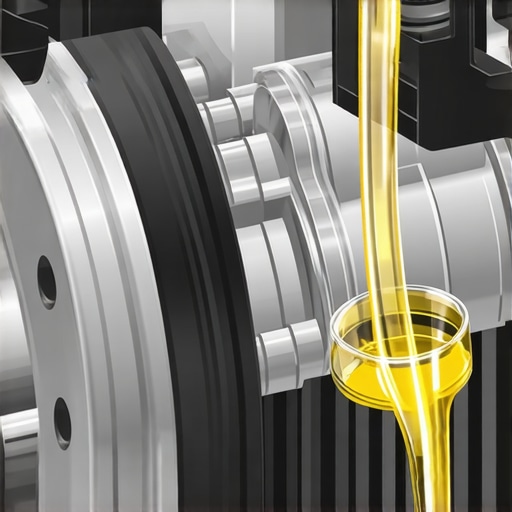
I remember the gut-wrenching moment when my car started to hesitate every time I shifted gears. What was once smooth sailing turned into a series of clunks and shudders. At first, I brushed it off as a minor glitch, but as weeks went by, the problem worsened. Sound familiar? That sinking feeling when your vehicle acts up, and you wonder if a costly repair is lurking around the corner. Well, I found out that with just a simple transmission fluid exchange, I could turn back the clock on my transmission’s health, and I want to share that journey with you.
Why Ignoring Transmission Maintenance Can Cost You Big
Many drivers overlook their transmission care, often because it’s not as obvious as a flat tire or dead battery. But neglecting your transmission fluid is like ignoring the oil in your engine—it’s the lifeblood that keeps everything running smoothly. Old or contaminated fluid can lead to slipping gears, overheating, and even permanent damage. What shocked me early on was realizing how a straightforward fluid change could prolong the lifespan of my transmission significantly. Plus, it’s a budget-friendly fix compared to replacing the entire unit.
Have You Faced This Frustration Before?
If your car has started making strange noises or shifting harder than usual, don’t dismiss these signs. They’re often the first hints that your transmission fluid might be overdue for a refresh. I made the mistake initially of ignoring these warning signs, thinking a fluid change was an unnecessary expense. But I learned that timely maintenance isn’t just about extending life—it’s about maintaining safety and preventing breakdowns.
Is a Fluid Exchange Really Worth the Effort?
Absolutely. Unlike a complete transmission rebuild, a simple fluid exchange can be done in a matter of hours and costs a fraction of what a major repair would run. It’s one of those little-known secrets of auto maintenance that can save you from costly headaches down the line. If you want to learn the ins and outs of this process, I’ve found that checking out auto repair hacks can give you insights into how expert mechanics approach simple fixes that make a big difference. Now, ready to see how you can give your transmission a new lease on life? Let’s dive into the steps that transformed my driving experience.
Park and Prepare Your Vehicle
Start by parking your car on a level surface and engaging the parking brake. Put your transmission in the ‘Park’ position and turn off the engine. Gathering the necessary tools, including a socket wrench, transmission fluid, a drain pan, and safety gloves, prepares you for the task. Remember, safety first—wear gloves and eye protection to prevent contact with hot fluid or debris.
Locate the Transmission Pan and Drain Plug
Open the hood and identify the transmission fluid pan beneath your vehicle, typically situated at the lower rear of the engine bay. Using your socket wrench, loosen the drain plug carefully. As I did during my first fluid change, support the drain pan beneath the plug to catch the old fluid. Beware, the fluid may be hot; wait for it to cool if necessary, to avoid burns. This step is crucial to prevent spills and ensure a clean process.
Tip:
To find precise locations, consult your vehicle’s manual or check online guides—each car model has specific drain and fill points. For complex cases, exploring auto repair hacks can offer valuable insights into DIY maintenance.
Drain and Refill the Transmission Fluid
Once the old fluid has fully drained, screw the drain plug back securely. Locate the fill plug, which is usually on top of the transmission or on the side of the pan. Removing it with your wrench allows you to add new transmission fluid. Use a funnel to pour the manufacturer-recommended type and amount, avoiding overfilling which can cause pressure buildup and leaks. During my recent flush, I utilized a transparent tubing setup to ensure precise pouring, minimizing mess.
Check Fluid Levels and Test Drive
After refilling, start the engine and let it run for a couple of minutes. With the transmission in neutral and the parking brake engaged, check the fluid level using the dipstick or sight glass—refer to your manual for the exact procedure. Add more fluid if necessary. Finally, take your vehicle for a short, cautious test drive, paying attention to smooth shifting and response. Returning to a level surface, recheck the fluid and make adjustments if needed.
Maintain a Regular Schedule
To keep your transmission healthy, schedule fluid exchanges every 30,000 to 60,000 miles, depending on your vehicle’s specifications. Regular maintenance can prevent slipping, overheating, and costly repairs. For comprehensive care, integrate things like auto repair tips into your routine, ensuring your vehicle runs smoothly for miles to come.
Misconceptions About Brake Service Are Costing You
Many believe that replacing brake pads alone is sufficient for safety, but high-quality braking depends on several nuanced components like rotors, calipers, and brake fluid quality. Cutting corners here can lead to premature wear and even dangerous failures. A common myth is that bleeding the brake lines is an optional task—yet, neglected brake fluid replacement can cause corrosion and reduced braking efficiency. For a comprehensive understanding, explore this guide to brake maintenance essentials.
Overlooking Complex Vehicle Diagnostics Can Lead to Big Issues
Most drivers think a check engine light is just a minor annoyance, but the real story is more intricate. Advanced diagnostics can detect hidden issues like sensor faults, electrical glitches, or emission system failures—problems that might not trigger obvious symptoms immediately. Relying solely on generic scan tools can miss critical nuances; that’s why professional multi-layer diagnostics are vital. According to vehicle diagnostics experts, investing in precise diagnostics saves money and prevents breakdowns.
Auto Repair Myths: Fixing the Surface, Not the Root Cause
The temptation to perform quick fixes, such as replacing a single failing part, often overlooks underlying issues. For instance, replacing a worn-out alternator without inspecting the charging system can result in recurring failures. Similarly, an oil change is more than draining old oil; it’s about assessing engine health, inspecting filters, and checking for leaks. This oversight can lead to engine damage over time, as emphasized in oil change innovations.
Are you falling for these pitfalls?
Ensure your auto care routine addresses the full picture—otherwise, you might just be treating symptoms rather than curing the illness. Regular, comprehensive inspections and understanding the nuances can extend your vehicle’s lifespan and enhance safety. For overarching auto health strategies, see tips to prolong your car’s life. Remember, mastering these hidden nuances isn’t just for mechanics—it’s for serious drivers who want to stay ahead of costly repairs.
Keep Your Vehicle Running Smoothly with the Right Tools
Maintaining your car over the years isn’t just about knowing what to do—it’s about having the right equipment and software to do it efficiently. Personally, I swear by a combination of high-quality hand tools, diagnostic scanners, and maintenance scheduling apps that help me stay ahead of potential issues. For instance, investing in a reliable digital OBD-II scanner allows me to quickly identify trouble codes before they turn into costly repairs, while a good set of socket wrenches ensures I can tackle most mechanical tasks without frustration.
One tool I can’t live without is a fluid extraction pump, which makes oil changes mess-free and more precise. I prefer models with clear measurement markings so I can monitor oil levels easily during refills. Additionally, portable work lights and magnetic pick-up tools are invaluable when working in tight engine bays or retrieving small parts that fall into inaccessible spots. These tools might seem minor, but they streamline the maintenance process and minimize errors—saving both time and money.
How do I maintain these tools over time?
To keep my equipment in top shape, I clean and lubricate my hand tools regularly, store electronic devices in protective cases, and calibrate diagnostic scanners annually according to manufacturer instructions. This proactive approach ensures accuracy and longevity of my tools. Moreover, I follow the latest auto repair advice from trusted sources, like auto repair hacks, which often include tips on maintaining my tools and integrating new technology into my routine.
Looking ahead, the future of auto maintenance tools is headed towards smarter diagnostics and AI-powered systems that can predict issues before they manifest. Keeping an eye on emerging tech can give you an edge and extend your vehicle’s lifespan even further.
Remember, the key isn’t just owning the right tools but knowing how to use and maintain them effectively. Maybe start by upgrading your diagnostic scanner or organizing your toolbox more systematically—small steps that lead to big savings in the long run.
Lessons That Changed My Approach to Auto Care
- I realized that neglecting small maintenance tasks like fluid changes can silently erode your car’s lifespan, costing hundreds or even thousands more over time. Recognizing these subtle signs early is a game-changer.
- I learned that investing in quality tools and diagnostics isn’t just for mechanics—it empowers you to catch issues before they become disasters, saving both money and stress.
- Understanding that myths like “brake pads alone are enough” can lead to dangerous compromises pushed me to seek comprehensive knowledge, ensuring safety and reliability on every trip.
Tools and Resources That Transformed My Maintenance Routine
- OBD-II Diagnostic Scanners: Trusted brands like BlueDriver provide quick, accurate vehicle health insights, making repairs more precise and less costly.
- Fluid Extraction Pumps: Easy to use and mess-free, these tools ensure I maintain correct fluid levels, extending component life.
- Auto Repair Hacks Website: This site offers invaluable tips for DIY enthusiasts—I’ve found step-by-step guides that demystify complicated procedures without the hefty cost of a mechanic.
- Comprehensive Maintenance Guides: Resources like the detailed articles on extending your vehicle’s lifespan have helped me prioritize essential services and avoid unnecessary expenses.
Your Road Ahead Is Brighter Than You Think
Taking control of your auto maintenance might seem daunting at first, but with the right knowledge and tools, you’re capable of everything from routine oil changes to complex diagnostics. Embrace the learning process—your vehicle’s health depends on it, and so does your peace of mind. Remember, every small step you take today weeds out problems before they grow into costly repairs tomorrow. Ready to become your car’s best guardian? Dive in, stay curious, and enjoy the ride of smarter auto care.